












GREAT AWAKENING SERIES
The Awakening Journey, Part II
TRUTH///AWAKENING///DISCLOSURE
Your Journey Continues Here!
“The Mind Awakens | The Heart Awakens | The Soul Awakens”
“The transition from the Hero’s Journey to the Spiritual Truth Seeker marks a profound evolution of consciousness—a sacred odyssey from conquering external foes to confronting inner shadows, and from seeking external validation to finding inner peace and purpose.”
Welcome to Part II, The Great Awakening Report’s Awakening Journey
Where we celebrate your quest for truth and enlightenment. Your journey is a sacred synchronicity, and we are honored to serve as your guides on this path of discovery. Our mission is to offer authentic content, grounded in spiritual wisdom, scientific evidence, and the insights of vetted experts and thought leaders. Through intuitive tools and profound insights, we aim to weave together the threads of your unique Awakening Journey, helping you connect the dots and see the Big Picture of existence.
As we delve into Part II of our transformative 12-Week program, The Great Awakening Report is dedicated to expanding your consciousness and facilitating your journey towards truth and enlightenment. Our purpose is to provide news and information that catalyzes awakening and disclosure, promoting higher states of awareness and understanding. By creating a space for higher individual frequencies and vibrations, we contribute to the elevation of human consciousness and the manifestation of a new, enlightened future for humanity.
Within our intuitive online ecosystem, you will find an array of tools, resources, and reports designed to support your spiritual growth and awakening. Our Contributors’ Community, comprised of researchers, writers, authors, and editors, is united by a shared commitment to service and truth. Likewise, our network of Experts and Thought Leaders offers original content, interviews, webinars, and events aimed at expanding your perspective and deepening your understanding. Together, these communities form a supportive tribe of seekers, united in our shared journey towards truth, awakening, and collective evolution.

Report Audio Summary

The Hero’s Journey
The Hero’s Journey provides a powerful framework for understanding the awakening journey because it reflects a timeless pattern of departure, transformation, and return. In mythology and storytelling, the hero begins in the “Ordinary World,” where life is familiar and reality appears relatively settled. Then something happens—a question, disruption, realization, personal crisis, intuitive knowing, or unexpected discovery—that becomes the Call to Adventure. The individual crosses a threshold into unfamiliar territory where old assumptions are challenged and new questions emerge. Along the way come teachers, allies, obstacles, discoveries, periods of uncertainty, and tests of courage and character. For the Spiritual Truth Seeker, these stages can represent the gradual dismantling of conditioned beliefs and the expansion of awareness. What once seemed certain may become questionable; what once seemed impossible may become worthy of exploration. Yet awakening is not simply replacing one worldview with another. It is learning how to question, how to discern, how to remain grounded, and how to live with greater awareness. Through the trials, learning, reflection, and transformation of the journey, the seeker eventually returns to the “Ordinary World”—but no longer experiences it in quite the same way. The world may appear familiar, yet the person who has returned has changed. The hero has gained perspective, wisdom, greater self-knowledge, and a deeper understanding of purpose, and now faces the challenge of integrating those discoveries into everyday life.
From the Hero’s Journey emerges the Path of the Spiritual Truth Seeker—a deeper exploration of consciousness, meaning, human experience, spirituality, and the mysteries of existence. This path is not defined by possessing secret knowledge or claiming certainty about questions humanity has debated for centuries. Rather, it is defined by the quality and integrity of the search itself. The seeker develops curiosity without gullibility, skepticism without cynicism, open-mindedness without abandoning reason, and intuition without losing connection to evidence and reality. They learn to distinguish what is known from what is believed, what is experienced from what can be independently demonstrated, and what is possible from what remains speculation. As awareness develops, the search also turns inward. The seeker begins examining personal conditioning, emotional triggers, assumptions, fears, biases, attachments, and the ego’s desire to be right. Meditation, contemplation, reflection, conscious spiritual practices, research, dialogue, and lived experience become different instruments of discovery. Gradually, the journey becomes less about collecting answers and more about developing the consciousness capable of engaging life’s deepest questions with wisdom. The Spiritual Truth Seeker therefore travels with both an open heart and an open mind—willing to explore the unknown, willing to reconsider conclusions, and willing to allow truth to transform not only what they understand, but who they become.
At the Core of Our Guiding Principles are Kindness and Respect, Accountability and Responsibility—values that ensure awakening becomes a constructive force in our lives and communities. Knowledge without compassion can create division; conviction without humility can become arrogance; freedom without responsibility can become disorder; and truth seeking without ethical conduct can lose sight of the very humanity it is intended to serve. Kindness reminds us that every person is navigating their own journey, often carrying struggles and experiences we cannot see. Respect allows us to disagree without diminishing another person’s dignity and to recognize that different perspectives can challenge us to examine our own assumptions more carefully. Accountability asks us to examine our behavior, acknowledge mistakes, correct misinformation, and remain willing to change when greater understanding emerges. Responsibility asks what we will do with what we have learned—how our expanding awareness will influence our relationships, decisions, communities, service, and contribution to the world. Together, these principles move the Hero’s Journey beyond personal discovery toward conscious integration and service. The ultimate measure of awakening is not simply how much information we accumulate or how differently we see the world; it is whether greater awareness helps us become more discerning, compassionate, courageous, responsible, authentic, and capable of contributing something meaningful to others. The journey begins with the search for truth, but its deeper purpose may be revealed through who we become—and how we choose to live—because we undertook the journey.
“Never wish to walk on another man’s path, for each path is uniquely suited to guide your individual journey.”


The Hero’s Journey Key Stages Explored
The Hero’s Journey, a narrative framework popularized by Joseph Campbell, outlines a fundamental pattern found in myths, stories, and folklore from various cultures worldwide. It typically consists of several stages that a protagonist undergoes on their path to personal transformation and self-discovery. Here’s a breakdown of the key stages:
- The Call to Adventure: The hero is introduced to a challenge, quest, or opportunity that disrupts their ordinary life and prompts them to embark on a journey. This call often comes from an external source or an internal desire for change.
- Refusal of the Call: Initially, the hero may resist answering the call, often due to fear, self-doubt, or reluctance to leave their comfort zone. They may express doubt or hesitation before ultimately accepting the challenge.
- Meeting the Mentor: The hero encounters a mentor figure who provides guidance, wisdom, or assistance on their journey. The mentor may offer advice, training, or supernatural aid to help the hero overcome obstacles and grow.
- Crossing the Threshold: The hero makes a decisive commitment to leave their familiar world behind and enter the unknown realm of adventure. This crossing symbolizes a significant transition and marks the beginning of the hero’s transformative journey.
- Tests, Allies, and Enemies: Along the way, the hero faces a series of trials, encounters allies who aid them, and confronts adversaries who oppose their progress. These challenges serve to test the hero’s abilities, reveal their strengths and weaknesses, and shape their character.
- Approaching the Inmost Cave: The hero approaches a critical point in their journey, often represented by a physical or metaphorical “cave” or inner conflict. This stage symbolizes a moment of deep introspection and confrontation with the hero’s greatest fears or obstacles.
- The Ordeal: The hero confronts their most significant challenge or ordeal, undergoing a profound transformation or revelation as a result. This pivotal moment often represents a metaphorical death and rebirth, leading to the hero’s emergence as a changed individual.
- Reward (Seizing the Sword): After overcoming the ordeal, the hero receives a reward, boon, or newfound knowledge that empowers them to continue their journey. This reward may take various forms, such as wisdom, insight, or a tangible object with symbolic significance.
- The Road Back: The hero begins the journey back to their ordinary world, carrying the lessons, experiences, and gifts gained from their adventure. This stage may involve facing additional challenges or obstacles as the hero prepares for their return.
- Resurrection: In the final stage, the hero experiences a final confrontation or test, symbolizing their ultimate transformation and rebirth. This ordeal reaffirms the hero’s growth and culminates in their triumph over adversity.
- Return with the Elixir: The hero returns to their ordinary world, bringing with them the boon or treasure obtained on their journey. This gift may take the form of newfound wisdom, healing, or the ability to effect positive change in their community.
The Hero’s Journey serves as a universal template for storytelling, illustrating the archetypal themes of adventure, growth, and self-discovery that resonate across cultures and generations. It reflects the human experience of facing challenges, overcoming obstacles, and finding meaning in the journey of life.
The Transition; The Hero’s Journey into the Spiritual Truth Seeker
“The longest journey we can make in this life is from the head to the heart”
The transition from the Hero’s Journey to becoming a Spiritual Truth Seeker represents a profound evolution in consciousness and purpose. Initially, the Hero’s Journey is characterized by the hero’s departure from the ordinary world, encountering trials and challenges, and ultimately undergoing transformation and returning with newfound wisdom. However, as the hero delves deeper into their quest, they may experience a spiritual awakening—an inner calling to seek truth and meaning beyond the material realm.
This transition marks a shift from external conquests to internal exploration, as the hero embarks on a journey of self-discovery and enlightenment. They confront inner demons, grapple with existential questions, and embark on a quest for deeper understanding of the mysteries of existence. Through this process, the hero transcends their ego and connects with a higher truth, embracing compassion, empathy, and wisdom as guiding principles. The Hero’s Journey into the Spiritual Truth Seeker represents a profound transformation—a journey from seeking external validation to finding inner peace and purpose, and from conquering external foes to confronting inner shadows and embracing the divine within.
THE SPIRITUAL TRUTH SEEKER TRAITS
“Answers the Call to Awaken | The Truth Seeker’s Journey | The Soul’s Choice to Spiritually Awaken”
The journey of the Spiritual Truth Seeker begins with something deeply personal—an inner recognition that there may be more to life, consciousness, and reality than what appears on the surface. It is often experienced as a persistent curiosity, an intuitive feeling, or a growing desire to understand the deeper meaning behind one’s experiences. The truth seeker becomes increasingly willing to question inherited beliefs, cultural conditioning, conventional assumptions, and even long-held personal convictions. Rather than accepting answers simply because they are familiar or widely repeated, the seeker develops the courage to ask deeper questions: Who am I? Why am I here? What is consciousness? What gives my life meaning? What is true, and how can I know? These questions become the beginning of an inward and outward exploration—the call to awaken.
As the journey unfolds, certain Spiritual Truth Seeker Traits begin to emerge and strengthen. Curiosity develops into discernment; intuition is balanced with critical thinking; open-mindedness is accompanied by a willingness to reconsider conclusions when new evidence or experience appears. The seeker learns that genuine truth seeking requires more than discovering information—it requires self-awareness, humility, courage, patience, compassion, and personal responsibility. Awakening can challenge familiar identities and expose contradictions between what we have been taught, what we believe, and what we directly experience. The deeper work therefore involves observing our own biases, fears, attachments, and assumptions while remaining receptive to new perspectives. In this sense, the search for truth becomes simultaneously a search of the world around us and an exploration of the world within us.
Ultimately, the Spiritual Truth Seeker’s Journey is not defined by arriving at one final collection of answers. It is an evolving process of awakening, questioning, discovering, integrating, and becoming. Knowledge begins to transform into wisdom when what we discover changes how we live, relate to others, make decisions, and understand our place within the larger human experience. The seeker gradually moves from simply searching for truth toward living with greater awareness, authenticity, intention, and coherence. Every challenge can become an opportunity for deeper understanding; every discovery can open another doorway; and every stage of awakening can reveal another layer of the journey. The invitation is not merely to believe differently, but to see more clearly, know yourself more deeply, remain willing to question, and consciously choose who you are becoming.
-
Spiritual Observer
A Spiritual Observer cultivates the ability to step beyond immediate reactions and consciously witness thoughts, emotions, sensations, behaviors, and experiences as they arise. Rather than becoming completely identified with every thought or feeling, the observer develops a quiet inner awareness that recognizes, “I am experiencing this, but this experience does not define the entirety of who I am.” Through mindfulness, meditation, contemplation, breathwork, and self-reflection, the individual learns to create space between awareness and reaction. This practice can reveal recurring emotional triggers, unconscious patterns, conditioned beliefs, fears, attachments, and assumptions that might otherwise operate unnoticed. Over time, observation becomes a form of inner discernment—allowing the seeker to respond to life with greater clarity and intention rather than automatically reacting from habit or emotion.
At a deeper level, the Spiritual Observer begins exploring the relationship between awareness, consciousness, ego, intuition, and the sense of self. Life itself becomes part of the practice: conversations, relationships, challenges, synchronicities, moments of stillness, and even periods of uncertainty can become opportunities for observation and learning. Instead of immediately labeling experiences as good or bad, the observer asks what they reveal and what can be learned from them. This perspective can cultivate greater patience, compassion, humility, emotional balance, and an appreciation for interconnectedness. The objective is not to withdraw from life, suppress emotions, or become indifferent; it is to become more consciously present within life—developing the capacity to witness experience clearly, engage it fully, and choose one’s response with greater awareness, wisdom, and inner coherence.


-
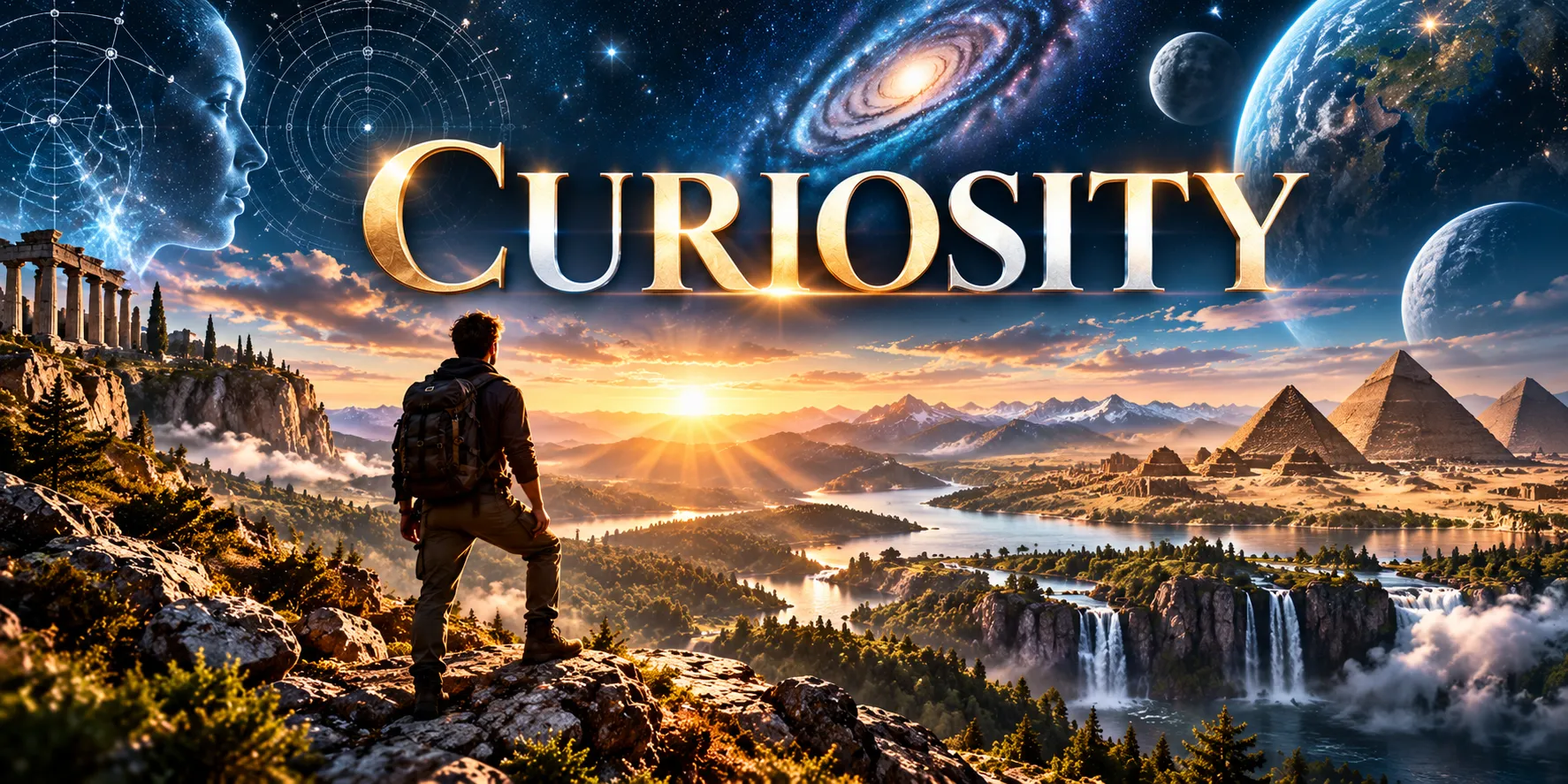
Curiosity
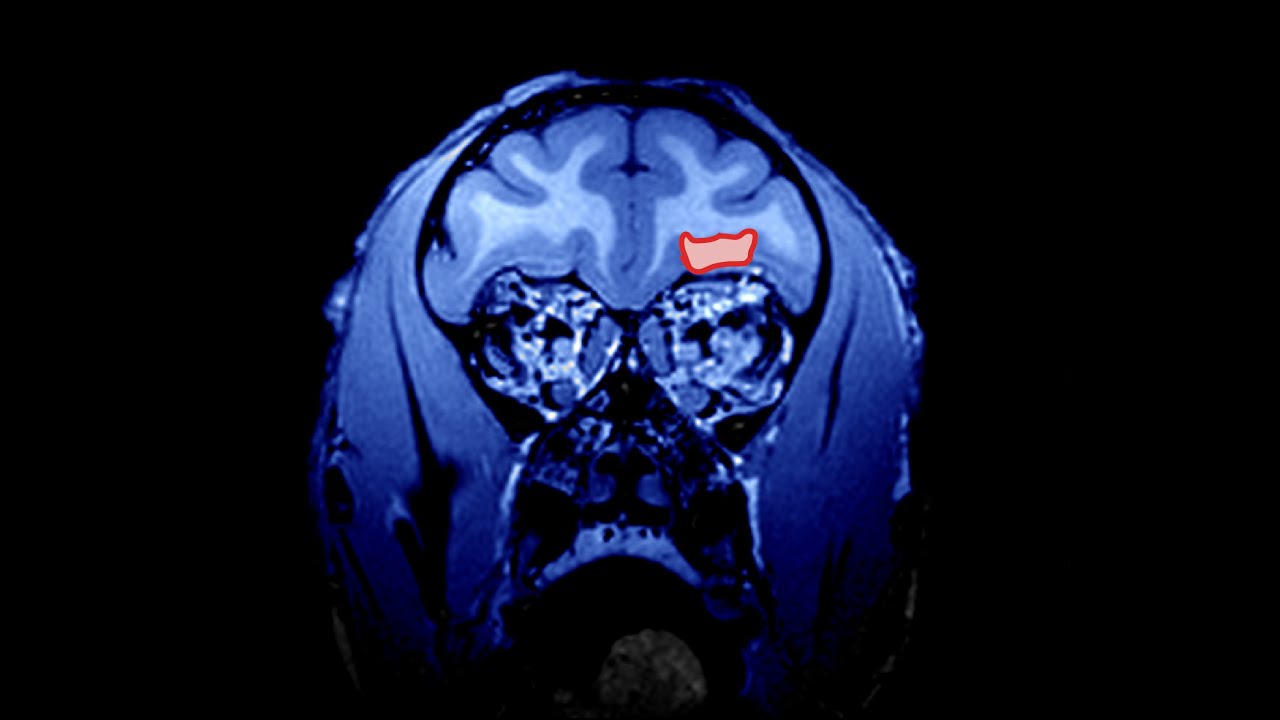
Curiosity is one of the defining qualities of the Spiritual Truth Seeker—the inner impulse that continually asks why, how, what if, and what lies beyond what I currently understand? It is the driving force behind exploration, discovery, and the expansion of awareness. Rather than being satisfied with surface-level explanations, truth seekers are naturally drawn to investigate the deeper layers of life, consciousness, human behavior, history, science, spirituality, and the mysteries of existence. They seek new experiences, encounter unfamiliar perspectives, question established assumptions, and explore ideas that may challenge their existing worldview. This curiosity is rooted not simply in accumulating information, but in a genuine desire to understand how things connect, what they mean, and what they might reveal about the larger nature of reality.
As curiosity matures, however, the Spiritual Truth Seeker learns that asking questions is only the beginning. Meaningful inquiry requires discernment, patience, humility, critical thinking, and a willingness to change one’s mind when evidence or experience points in a different direction. Curiosity becomes especially powerful when the seeker can explore unconventional possibilities without automatically accepting or rejecting them. Instead, they learn to distinguish between possibility, belief, personal experience, interpretation, and verifiable evidence. Every answer can generate another question, and every discovery can reveal another layer waiting to be explored. In this way, curiosity becomes a lifelong spiritual practice—keeping the mind open, the imagination alive, and the seeker continually moving beyond certainty toward deeper understanding, expanded consciousness, and an ever-evolving relationship with truth.



-
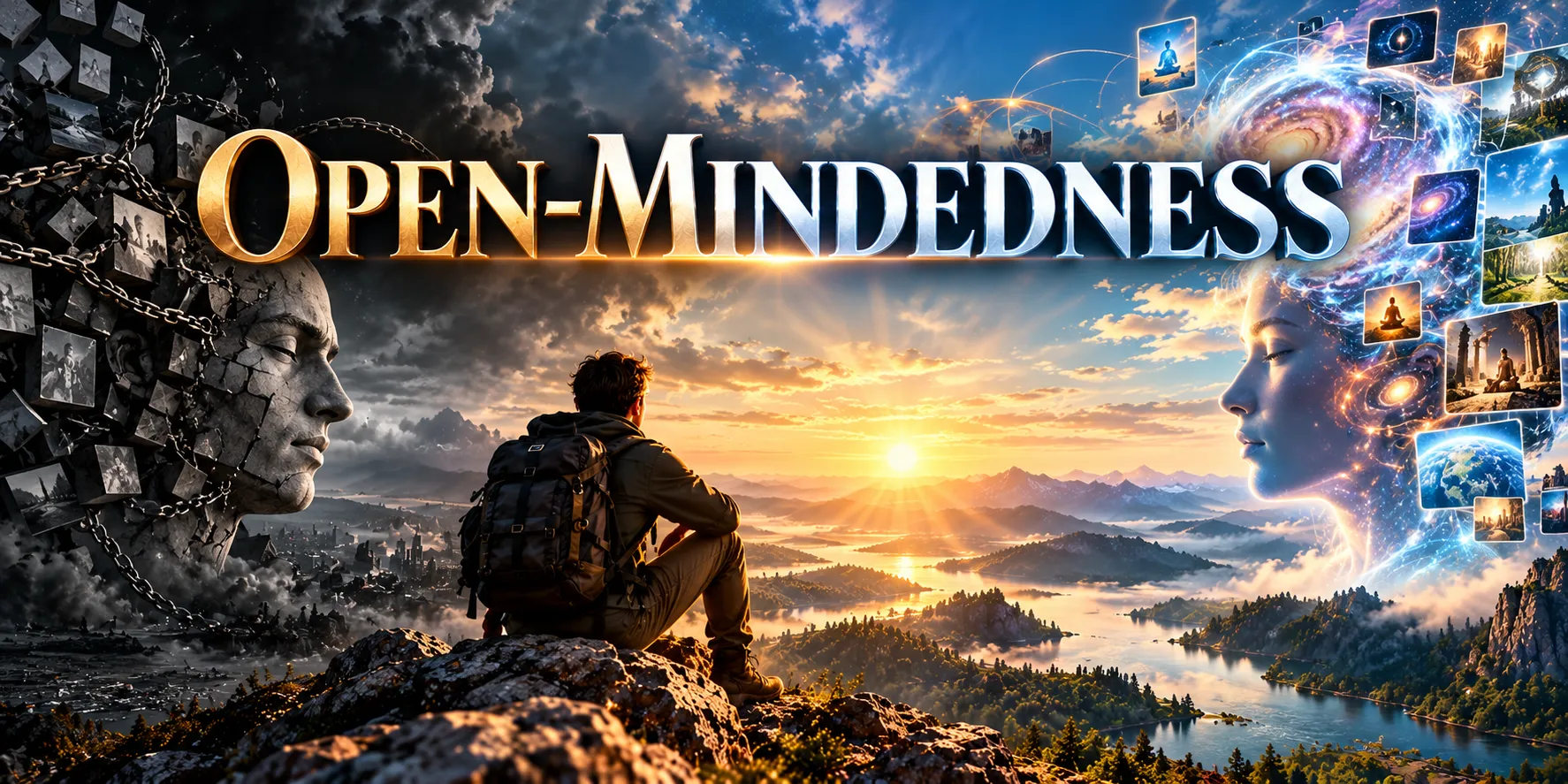
Open-Mindedness
Open-Mindedness is an essential quality of the Spiritual Truth Seeker, reflecting a willingness to explore ideas, experiences, and perspectives beyond the boundaries of familiar beliefs and established assumptions. Rather than automatically accepting or rejecting information because it conflicts with what they already believe, truth seekers remain receptive to possibilities while asking thoughtful questions and examining different points of view. They recognize that personal beliefs are shaped by upbringing, culture, education, relationships, experiences, and social conditioning—and that these influences can create unconscious biases that affect how reality is interpreted. Open-mindedness therefore requires both curiosity and humility: the willingness to acknowledge that what we currently understand may represent only part of a much larger picture.
True open-mindedness, however, does not mean believing everything or abandoning discernment. It means developing the ability to consider an idea without immediately needing to accept it as true. The mature truth seeker learns to hold possibilities in awareness while distinguishing between evidence, interpretation, intuition, personal experience, speculation, and belief. They listen to opposing perspectives, investigate unfamiliar ideas, question their own assumptions, and remain willing to revise conclusions as their understanding evolves. This balance between openness and discernment creates the conditions for genuine intellectual and spiritual growth. By remaining flexible without becoming ungrounded, the Spiritual Truth Seeker can move beyond rigid thinking, engage respectfully with differing viewpoints, and continue expanding awareness while maintaining an ongoing commitment to clarity, understanding, and the pursuit of truth.


-
Positive Critical Thinking
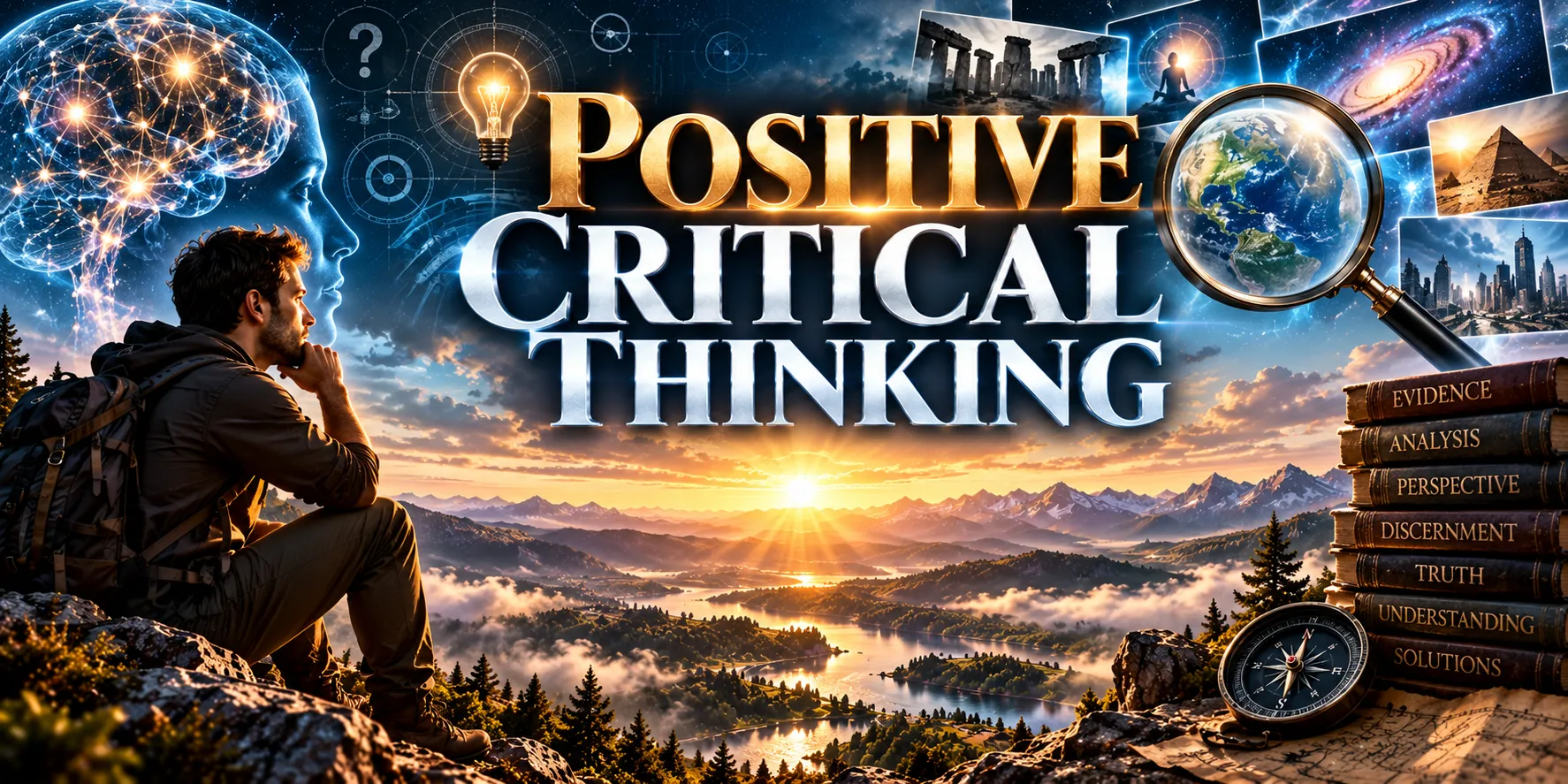
Positive Critical Thinking is one of the most important disciplines of the Spiritual Truth Seeker, providing the intellectual foundation needed to navigate an increasingly complex world of information, competing narratives, beliefs, opinions, and interpretations. The positive aspect is important: the purpose of critical thinking is not to become cynical, distrustful, or automatically dismissive, but to approach questions with a constructive, curious, balanced, and solution-oriented mindset. Rather than accepting a claim simply because it comes from an authority, institution, popular movement, alternative source, or trusted individual, the truth seeker examines how a conclusion was reached and what evidence actually supports it. They question assumptions, investigate sources, distinguish facts from interpretations, look for missing context, recognize logical fallacies, and consider whether emotion, fear, personal bias, or confirmation bias may be influencing their judgment. Positive Critical Thinking moves the seeker beyond “Do I believe this?” toward more useful questions: “What can I learn from this? What is the evidence? How reliable is the source? What other explanations should I consider? What information might be missing? What would cause me to reconsider my conclusion?”
For the Spiritual Truth Seeker, Positive Critical Thinking works most effectively when combined with curiosity, open-mindedness, intuition, discernment, compassion, and intellectual humility. It encourages the seeker to question without becoming consumed by suspicion, to challenge ideas without attacking people, and to investigate difficult subjects while remaining receptive to constructive possibilities and new understanding. Skepticism alone can become as limiting as unquestioning belief; the objective is neither automatic acceptance nor automatic rejection, but conscious evaluation followed by constructive understanding. A mature seeker becomes comfortable with uncertainty, compares multiple perspectives, recognizes patterns without assuming every correlation proves causation, and distinguishes what is known, probable, possible, speculative, or simply unknown. In this way, Positive Critical Thinking becomes more than an intellectual skill—it becomes a conscious practice that helps the truth seeker recognize manipulation and bias while maintaining hope, perspective, and purpose, transforming the search for truth from an exercise in exposing what may be wrong into an opportunity to discover what can be understood, learned, improved, healed, and ultimately transformed.


-
Grounded
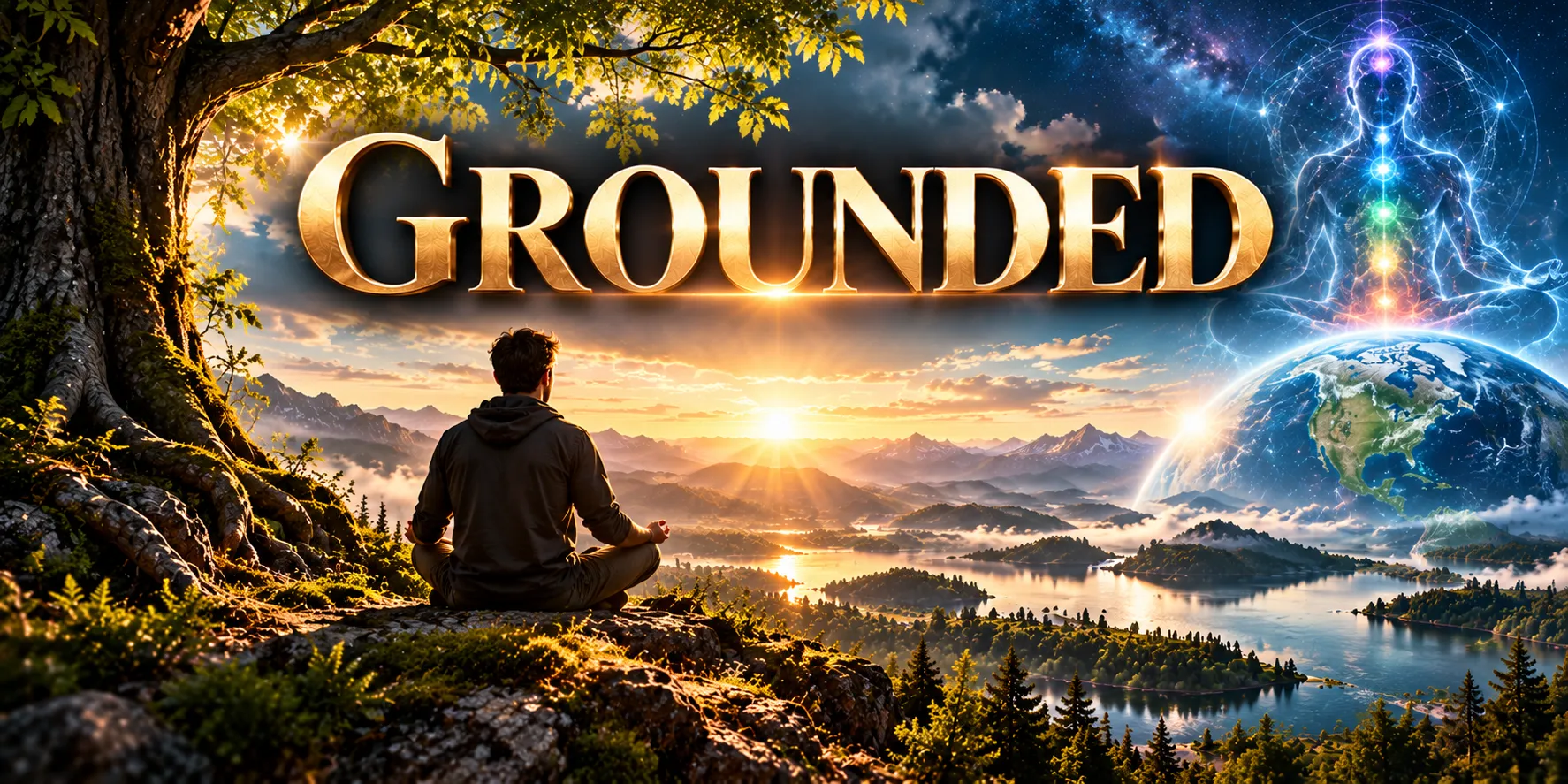
Being Grounded is the ability to remain mentally, emotionally, and spiritually centered while navigating both the ordinary demands of life and the deeper experiences that can accompany a spiritual awakening. For the Spiritual Truth Seeker, grounding provides an essential foundation for exploring new ideas, expanded states of awareness, intuition, synchronicities, and unfamiliar perspectives without losing connection to everyday reality. A grounded seeker remains present in the body, aware of their emotions, attentive to practical responsibilities, and capable of distinguishing between what they sense or believe and what can be directly observed or verified. Rather than becoming overwhelmed by information, uncertainty, or intense experiences, they develop the inner stability to pause, reflect, and respond consciously. Grounding creates the balance between exploring what may be possible and remaining firmly connected to what is presently known and experienced.
Grounding also reminds the seeker that spiritual development is not about escaping the physical world—it is about becoming more fully present within it. Practices such as meditation, conscious breathing, exercise, spending time in nature, maintaining healthy routines, meaningful relationships, creative expression, and periods of quiet reflection can help restore balance and strengthen self-awareness. As grounding deepens, the seeker becomes better able to recognize when fear, excitement, ego, or emotional intensity may be influencing perception and judgment. They can explore extraordinary questions while continuing to care for their health, relationships, work, finances, and responsibilities. In this way, being grounded becomes a form of spiritual stability and conscious integration—keeping the seeker centered, resilient, discerning, and connected to both their inner world and the reality of everyday life.


-
Rational
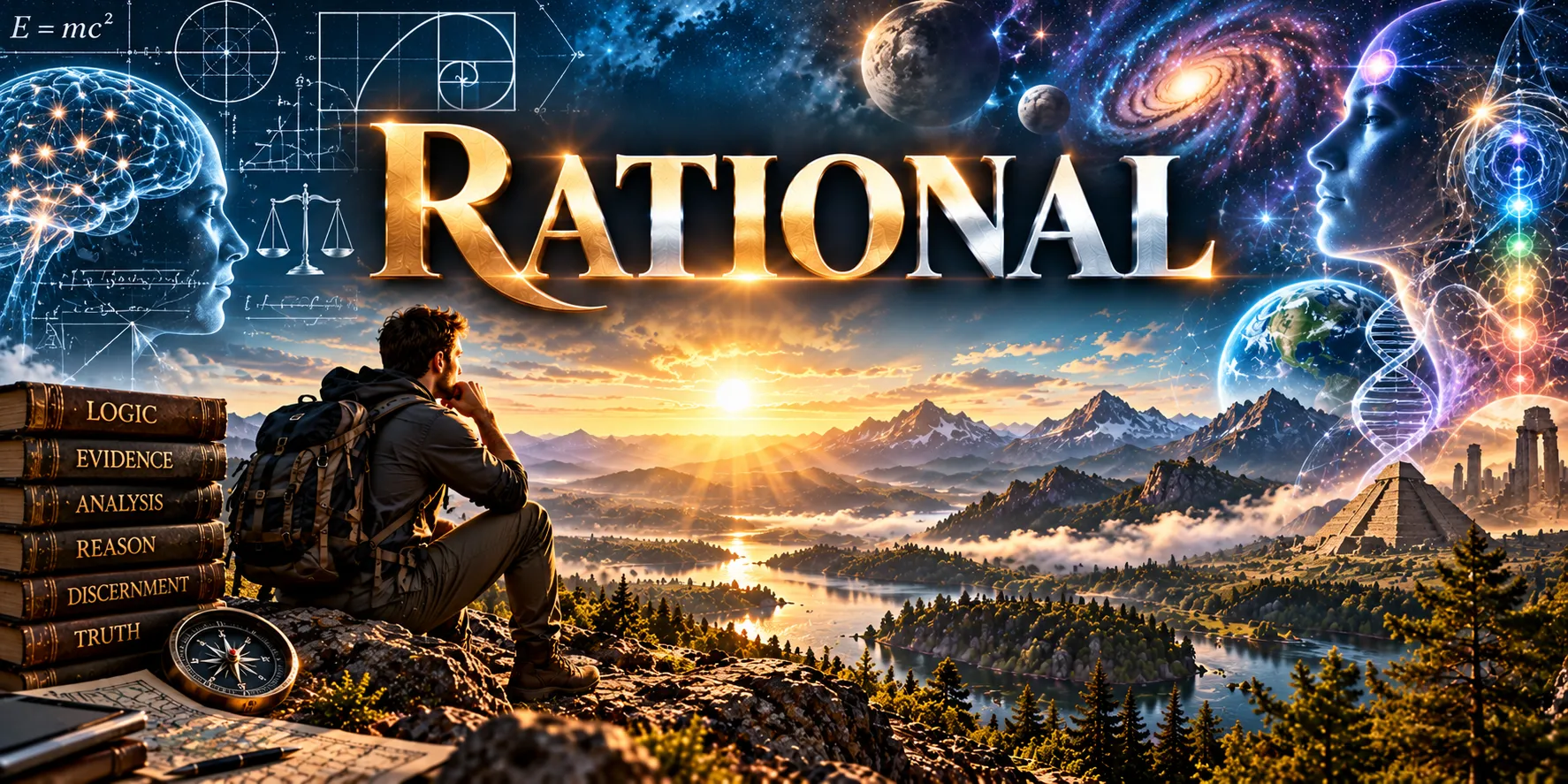
Being Rational is the ability to approach questions, experiences, and decisions through logic, reason, evidence, and careful evaluation rather than allowing fear, emotion, assumptions, or personal beliefs to determine conclusions automatically. For the Spiritual Truth Seeker, rational thinking provides an important stabilizing force during the awakening journey. As new ideas and unfamiliar possibilities are encountered, the rational seeker asks whether the information is internally consistent, supported by credible evidence, and compatible with what can reasonably be observed or established. They examine cause-and-effect relationships, distinguish correlation from causation, compare competing explanations, and remain aware that extraordinary or emotionally compelling claims still require thoughtful examination. Rationality does not close the mind to possibility; it provides a disciplined framework for exploring possibility responsibly.
At the same time, being rational does not require rejecting intuition, spirituality, personal experience, or the mysteries that remain beyond current understanding. Instead, the mature Spiritual Truth Seeker learns to integrate reason with intuition, evidence with experience, and critical thinking with open-minded exploration. They recognize when something is established knowledge, when it represents a reasonable interpretation, when it remains a possibility, and when there simply is not enough information to know. Intellectual honesty also means being willing to revise beliefs when stronger evidence emerges rather than defending a conclusion simply because it has become personally meaningful. In this way, rationality becomes an essential companion to spiritual exploration—helping the seeker remain clear-minded, balanced, discerning, intellectually honest, and grounded while continuing to explore the deeper questions of consciousness and existence.

-
Discerning Logical Reasoning
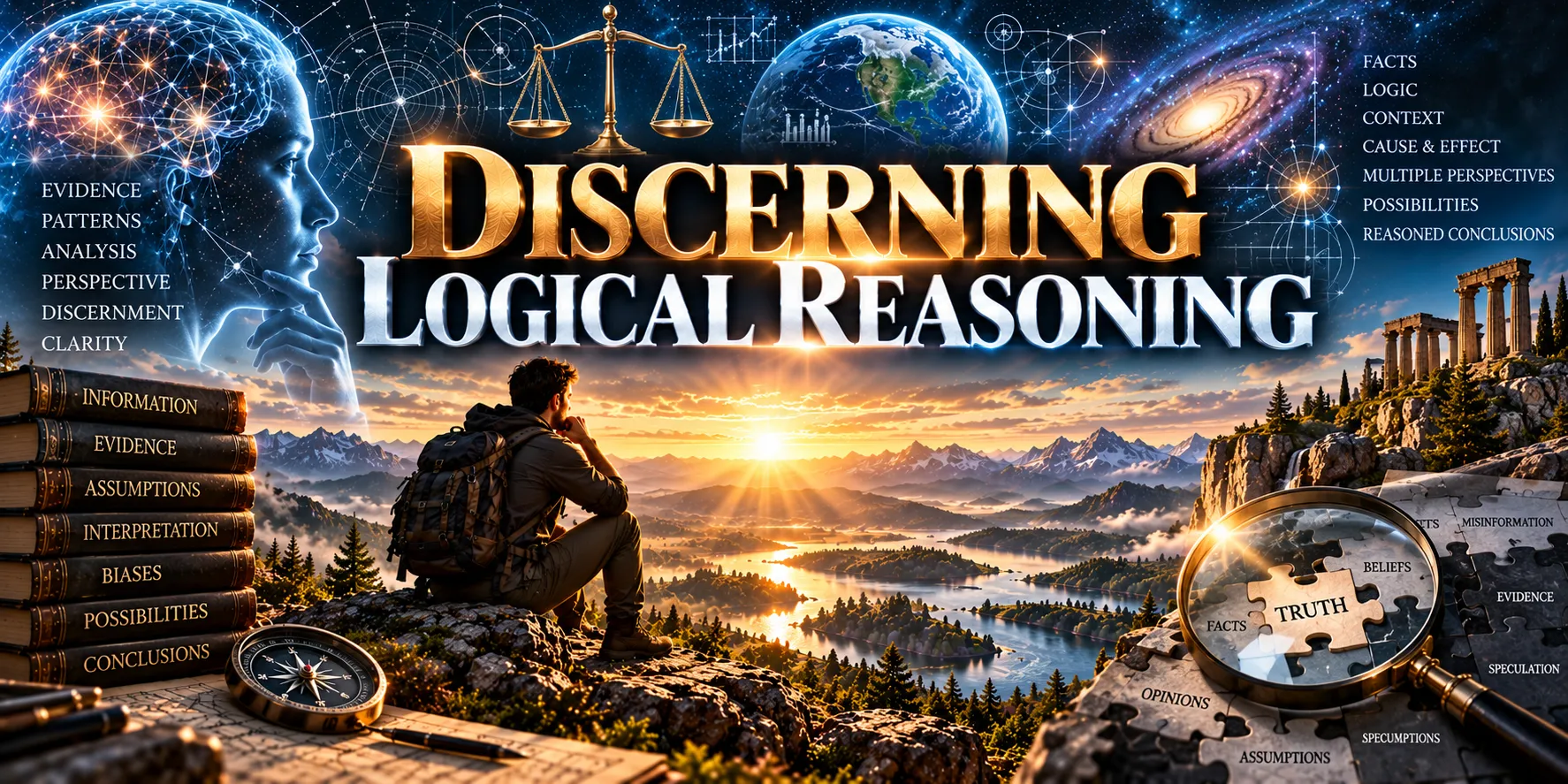
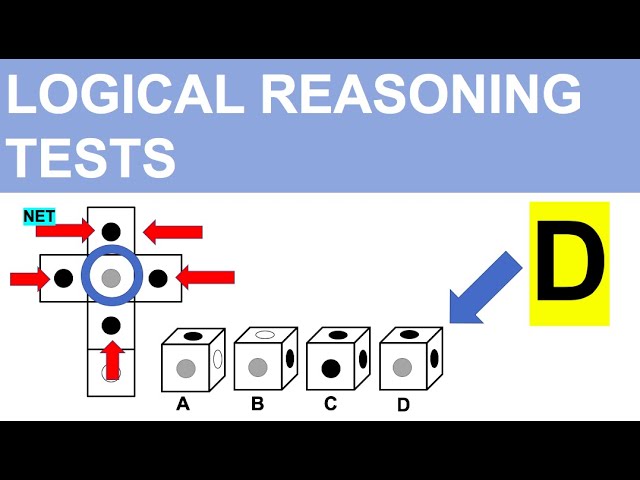
Discerning Logical Reasoning is the ability to combine clear, structured thinking with the deeper capacity to determine what information is relevant, credible, consistent, and worthy of further consideration. For the Spiritual Truth Seeker, it means moving beyond simply asking whether something sounds logical and examining how facts, evidence, assumptions, interpretations, and conclusions actually connect. A discerning thinker identifies patterns, evaluates arguments, recognizes contradictions, considers cause-and-effect relationships, and separates what is known from what is assumed, inferred, believed, or speculated. They are willing to explore unconventional possibilities while applying the same standards of reasoning to every perspective—including ideas that support their existing beliefs.
Discerning Logical Reasoning also requires awareness of the many influences that can distort judgment, including confirmation bias, emotional reactions, fear, groupthink, personal attachment, misleading information, and incomplete evidence. Rather than rushing toward certainty, the truth seeker learns to slow down, compare sources, consider alternative explanations, and ask whether the available evidence genuinely supports the conclusion being presented. Discernment adds wisdom to logic by recognizing that not every question has an immediate or definitive answer, while logical reasoning prevents discernment from becoming merely subjective intuition. Together, they create a balanced approach to truth seeking—one that allows the individual to remain open-minded yet grounded, intuitive yet analytical, questioning yet rational, and willing to revise conclusions as deeper understanding and stronger evidence emerge.
-
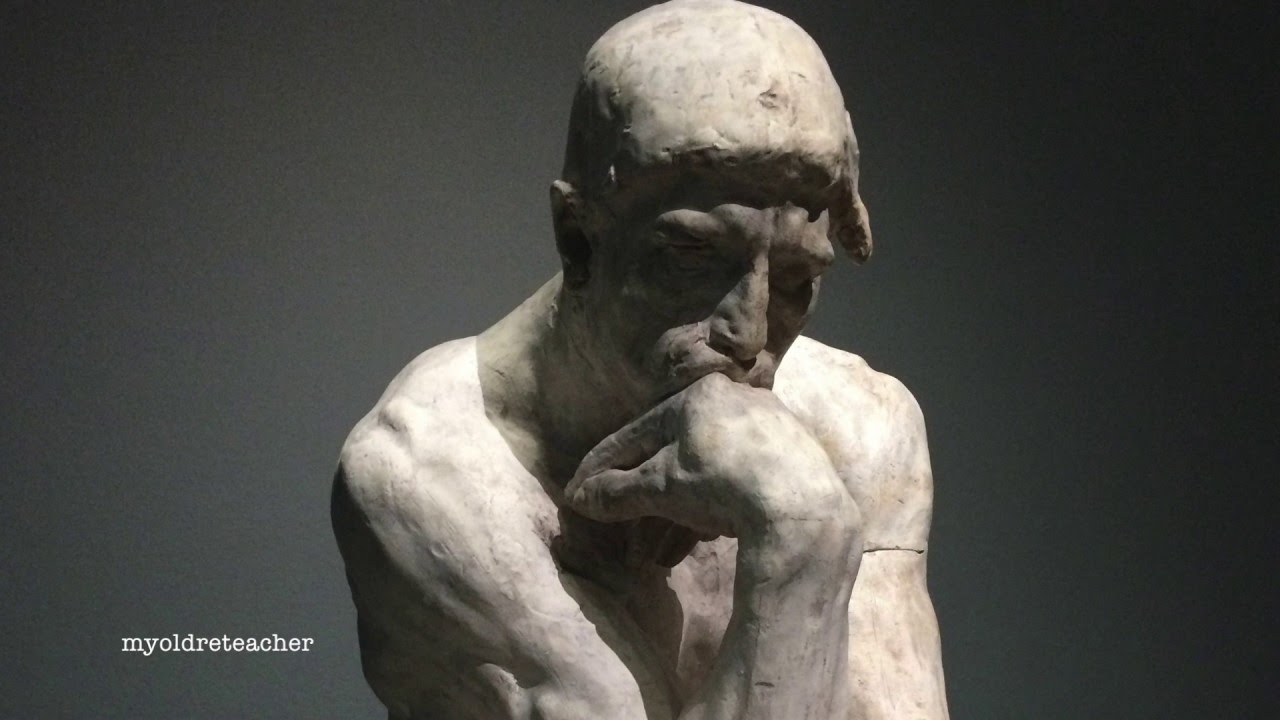
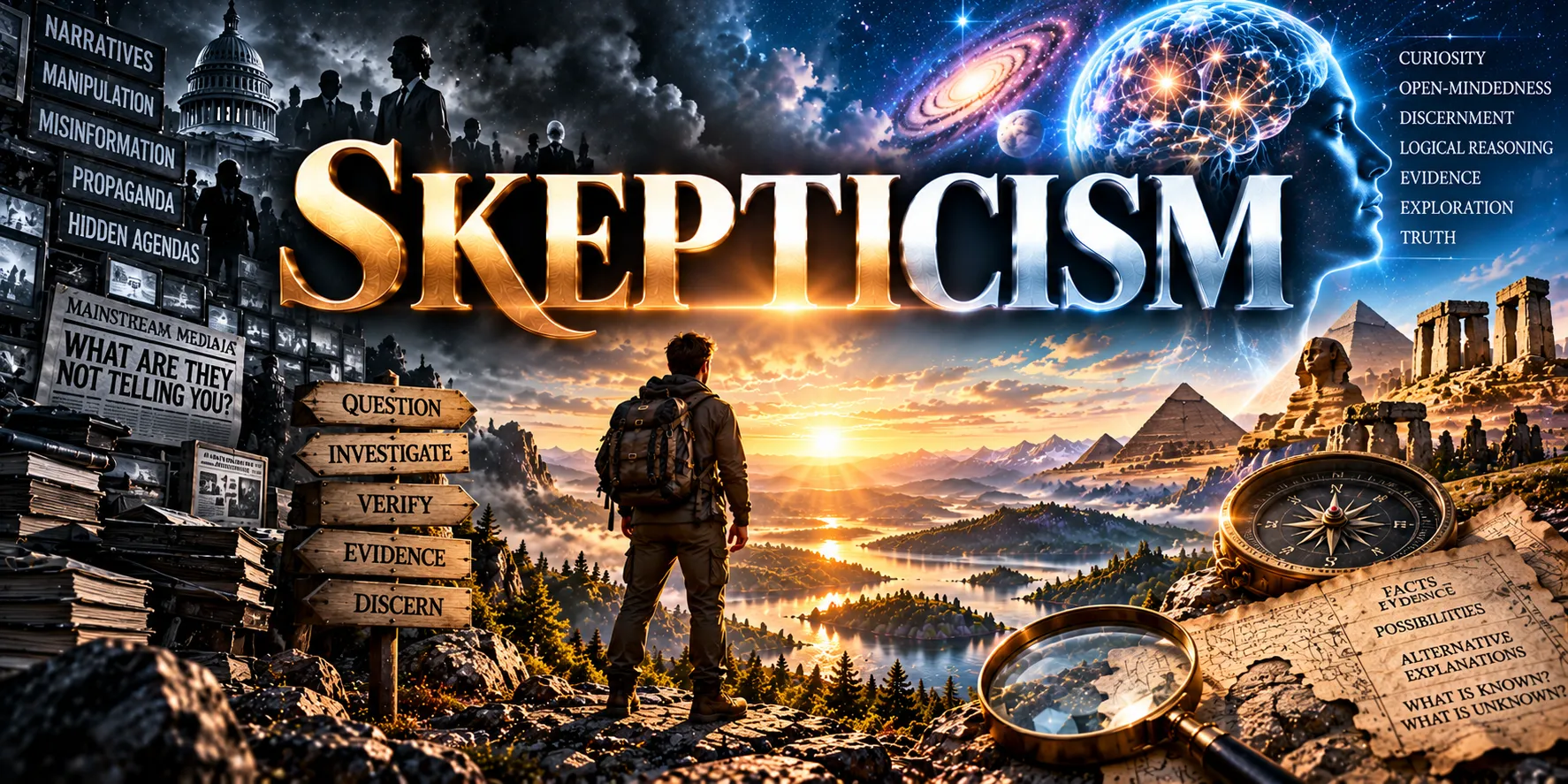
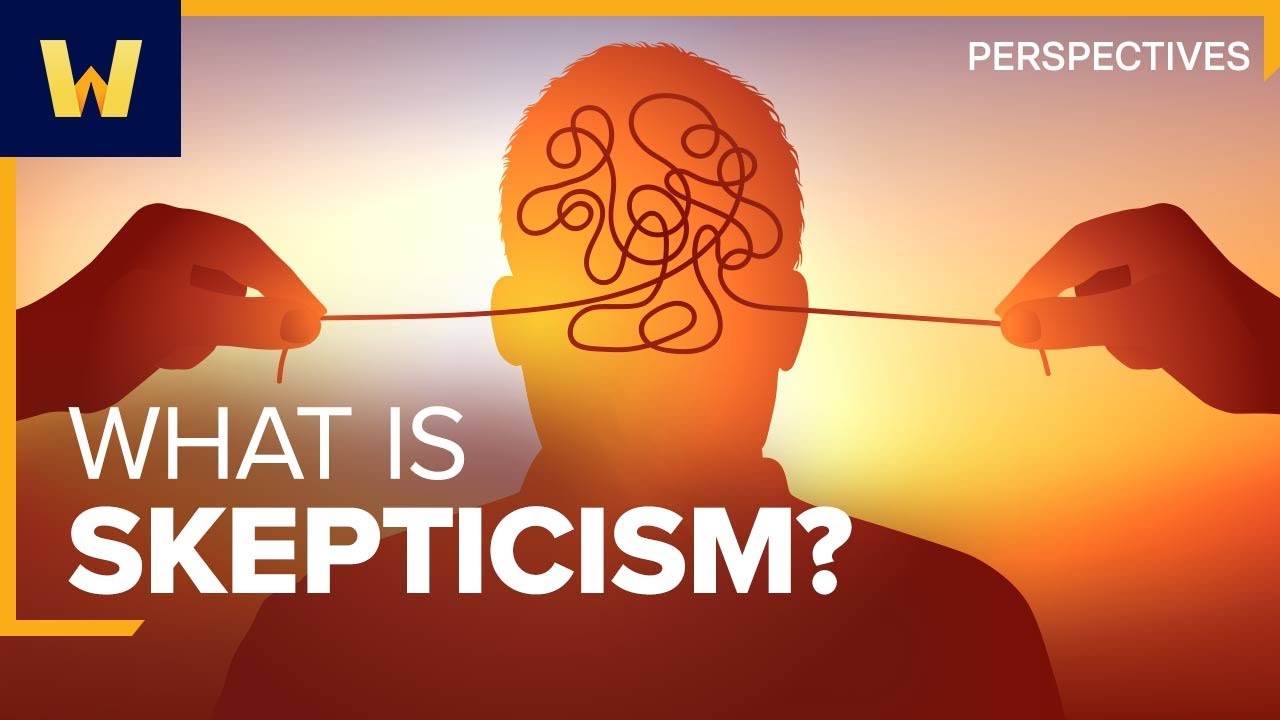
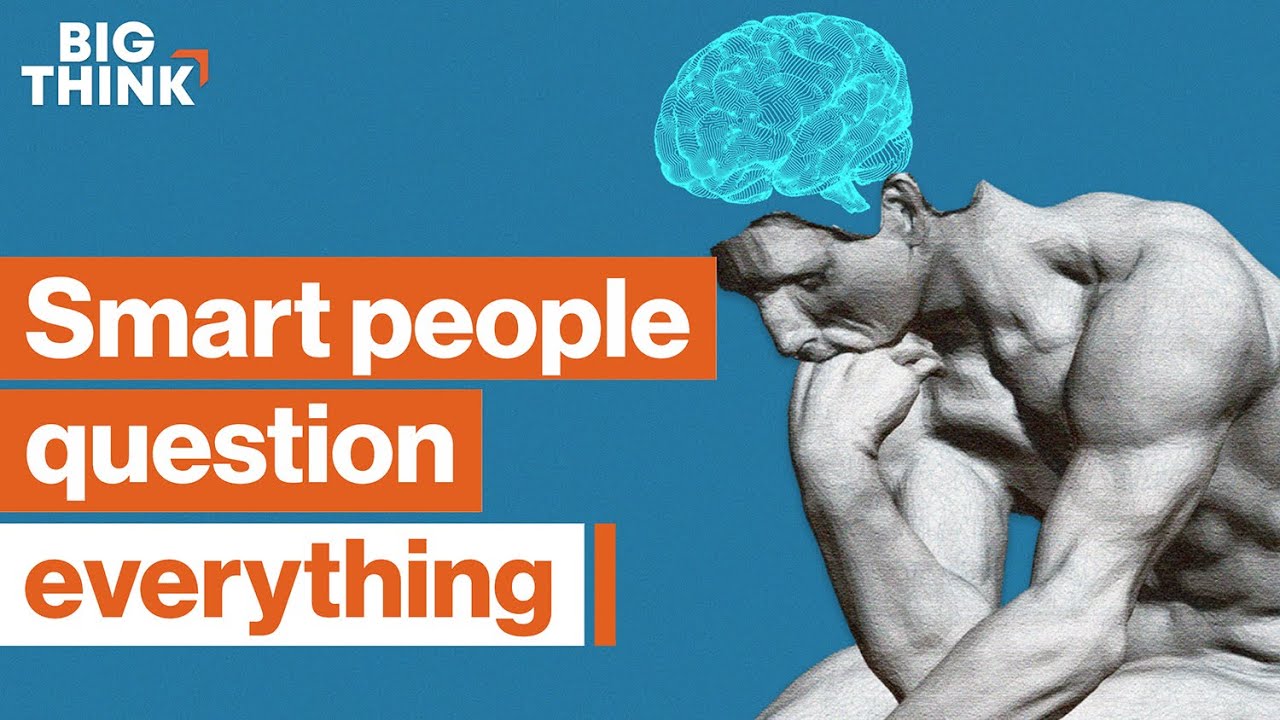
Healthy Skepticism
Healthy Skepticism is an essential quality of the Spiritual Truth Seeker, providing a healthy filter through which information, beliefs, claims, and extraordinary possibilities can be examined before they are accepted as truth. Healthy skepticism is not cynicism, negativity, or the automatic rejection of unfamiliar ideas. Instead, it represents a willingness to question, investigate, verify, and remain uncertain when the available evidence does not yet justify a conclusion. The skeptical truth seeker asks important questions: Who is making the claim? What evidence supports it? Can the information be independently verified? What assumptions are being made? Are credible alternative explanations available? This approach protects the seeker from blindly accepting conventional narratives while also preventing the unquestioned acceptance of alternative narratives simply because they challenge established thinking.
For the Spiritual Truth Seeker, skepticism works best when balanced with curiosity, open-mindedness, discernment, logical reasoning, intuition, and intellectual humility. Too little skepticism can lead to gullibility and misinformation, while excessive skepticism can create a closed mind that dismisses possibilities before they have been meaningfully explored. The goal is therefore constructive skepticism—remaining open enough to investigate the unknown while grounded enough to require appropriate evidence before forming strong conclusions. A mature seeker becomes comfortable saying “I don’t know yet” and allowing questions to remain unresolved as additional information emerges. Practiced this way, skepticism becomes an instrument of conscious awareness, helping the seeker recognize bias, manipulation, unsupported assumptions, and deception while maintaining the curiosity and openness necessary to continue exploring the deeper mysteries of consciousness, spirituality, and the nature of reality.

-
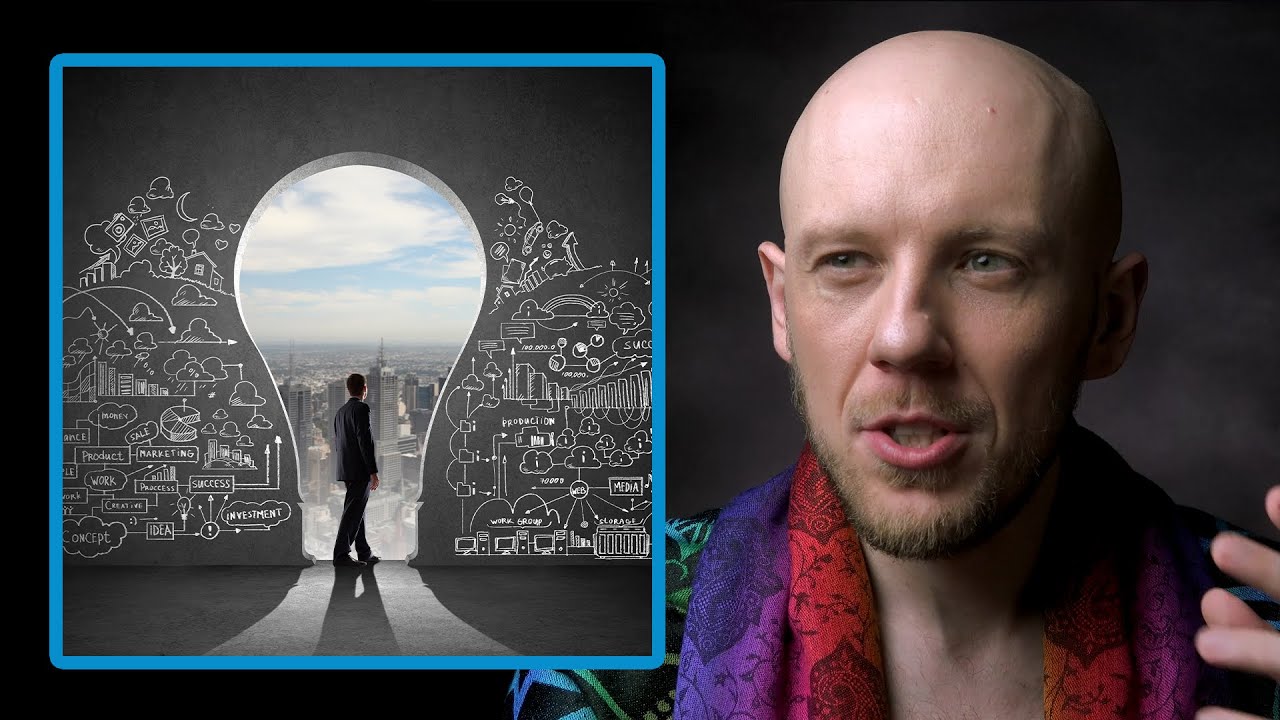
Intellectual Integrity
Intellectual Integrity is the commitment to pursue truth with honesty, consistency, accountability, and the courage to follow evidence wherever it may lead—even when the findings challenge one’s existing beliefs. For the Spiritual Truth Seeker, intellectual integrity means applying the same standards of evidence, reasoning, and discernment to ideas we want to believe as we apply to ideas we question or oppose. It requires recognizing personal biases, acknowledging uncertainty, distinguishing between facts and interpretations, identifying the limits of one’s knowledge, and resisting the temptation to selectively accept information simply because it reinforces a preferred worldview. A seeker with intellectual integrity is comfortable saying “I don’t know,” “I may have been wrong,” or “I need more information before reaching a conclusion.” These are not signs of weakness; they demonstrate confidence in the process of genuine truth seeking.
At a deeper level, Intellectual Integrity asks the truth seeker to value truth above being right. Awakening often involves questioning long-held assumptions, but it should also include the willingness to question conclusions reached during the awakening journey itself. New evidence may require beliefs to evolve, interpretations to change, or previously accepted claims to be reconsidered. This process requires humility, courage, self-awareness, and a willingness to correct mistakes rather than defend them. Intellectual Integrity therefore becomes both an inner discipline and a spiritual practice—encouraging the seeker to communicate responsibly, represent opposing viewpoints fairly, distinguish knowledge from speculation, and remain accountable for the ideas they share. By practicing Intellectual Integrity, the Spiritual Truth Seeker develops something more valuable than certainty: credibility, wisdom, self-awareness, and a relationship with truth that remains stronger than attachment to any particular belief.

-
Persistence
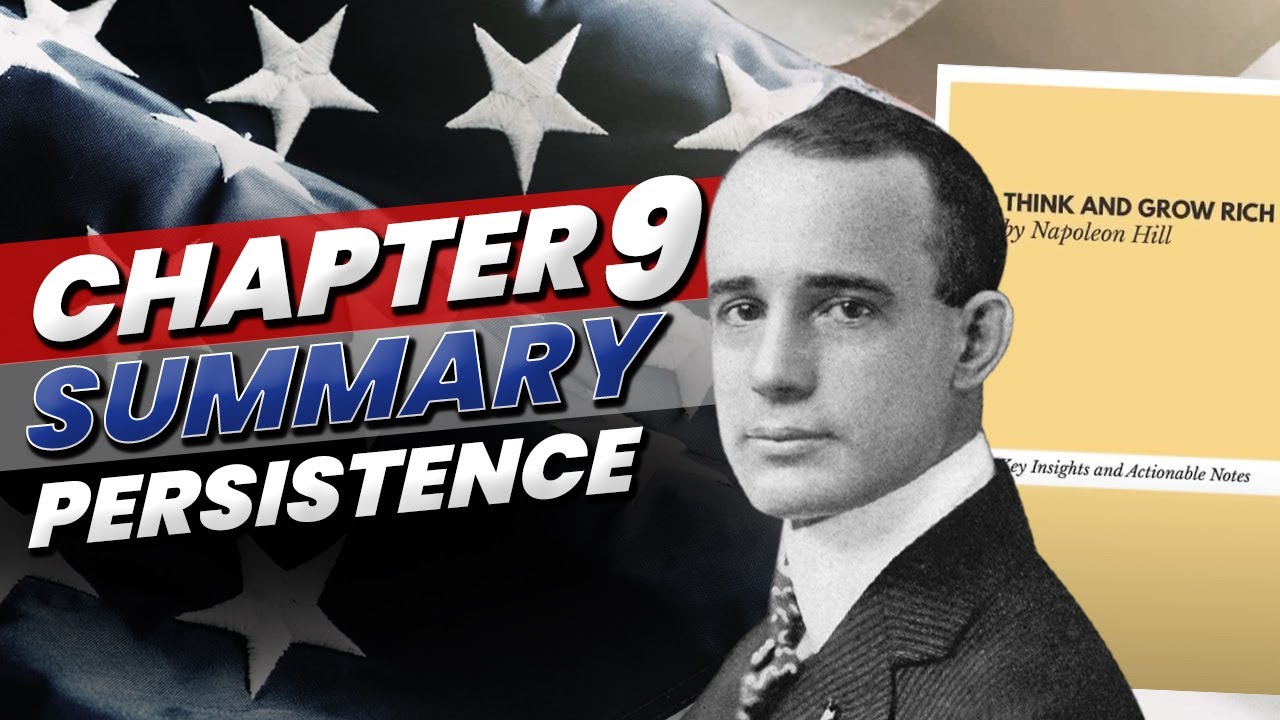
Persistence is the inner strength that enables the Spiritual Truth Seeker to continue the journey even when answers are difficult to find, progress feels uncertain, or long-held beliefs are being challenged. Awakening and self-discovery rarely follow a straight or predictable path. There may be periods of extraordinary insight followed by confusion, doubt, frustration, or the realization that previously accepted conclusions need to be reconsidered. A persistent seeker understands that these moments are not necessarily failures—they can be important stages of learning and transformation. Rather than abandoning the search when questions become uncomfortable or complicated, they develop the patience, resilience, discipline, and determination to continue investigating, reflecting, learning, and growing. Persistence allows the seeker to remain committed to understanding without demanding immediate answers or premature certainty.
At a deeper level, Persistence is about remaining committed not only to finding answers but also to the personal transformation that genuine truth seeking requires. It takes perseverance to question one’s conditioning, confront uncomfortable information, change established habits, develop new spiritual practices, and integrate insights into everyday life. The persistent truth seeker learns when to push forward, when to pause and reflect, and when new evidence requires a different direction altogether. Persistence therefore should not become stubborn attachment to a particular belief; it is a commitment to the journey rather than a predetermined conclusion. Through challenges, discoveries, mistakes, and breakthroughs, the seeker continues forward with courage and adaptability, recognizing that lasting wisdom is often developed gradually. In this way, Persistence becomes the enduring force that transforms curiosity into discovery, knowledge into experience, and awakening into a lifelong process of growth, integration, and conscious evolution.



-
Humility
Humility and humbleness are essential qualities of the Spiritual Truth Seeker, reflecting the awareness that no individual possesses complete knowledge or a final understanding of existence. The deeper the seeker travels into questions of consciousness, spirituality, history, science, human nature, and the mysteries of the universe, the more they may recognize how much remains unknown. Humility allows the seeker to acknowledge personal limitations, biases, mistakes, and gaps in understanding without feeling diminished by them. Humbleness brings this awareness into how the seeker relates to others—listening respectfully, remaining teachable, and recognizing that meaningful insight can come from people with very different backgrounds, experiences, beliefs, and perspectives. Rather than approaching awakening from a position of superiority or believing they have discovered truths others cannot understand, the humble seeker remembers that everyone is traveling a different path of learning, experience, and discovery.
At a deeper level, Humility and Humbleness protect the truth seeker from one of the subtle challenges of awakening: allowing the search for greater awareness to become another expression of the ego. Discovering new information, experiencing profound insights, or developing spiritual awareness does not make one inherently wiser or more enlightened than others. Genuine wisdom often reveals itself through quiet confidence, compassion, gratitude, curiosity, and the willingness to continue learning. The humble seeker can say “I don’t know,” “I may be mistaken,” “I can learn from you,” and “My understanding may change.” They remain open to correction, willing to reconsider conclusions, and respectful of perspectives different from their own. In this way, humility becomes more than modesty—it becomes a form of spiritual maturity, while humbleness becomes its outward expression, allowing the seeker to pursue truth with an open mind, an open heart, and a deep respect for the mystery and interconnectedness of existence.



-
Compassion
Compassion is a foundational quality of the Spiritual Truth Seeker, reflecting the ability to recognize and understand the struggles, emotions, experiences, and humanity within both oneself and others. It begins with self-compassion—learning to approach one’s own imperfections, mistakes, fears, and periods of uncertainty with patience rather than harsh judgment. The awakening journey can challenge deeply held beliefs, relationships, identities, and perceptions of reality, making compassion an important source of emotional balance and resilience. Rather than condemning themselves for what they once believed or did not understand, seekers recognize that growth occurs through experience. Self-compassion allows them to acknowledge mistakes, learn from them, forgive themselves, and continue forward with greater wisdom. It reminds the seeker that awakening is not about becoming perfect; it is about becoming increasingly conscious, authentic, and aware.
As awareness expands, compassion naturally extends outward. The Spiritual Truth Seeker begins to recognize that every person is navigating life through their own experiences, conditioning, challenges, beliefs, fears, hopes, and level of understanding. This realization encourages the seeker to listen more deeply, judge less quickly, and engage disagreement without losing respect for the person behind the perspective. Compassion does not require agreeing with everyone, ignoring harmful behavior, or abandoning personal boundaries; it means responding with empathy, dignity, understanding, and conscious intention whenever possible. At its deepest level, compassion reflects an awareness of interconnectedness—the recognition that beneath our differences exists a shared human experience of searching, struggling, loving, learning, and growing. Through compassion, the truth seeker’s journey moves beyond personal awakening toward something larger: connection, service, healing, forgiveness, and the conscious expression of kindness and love in the world.


-
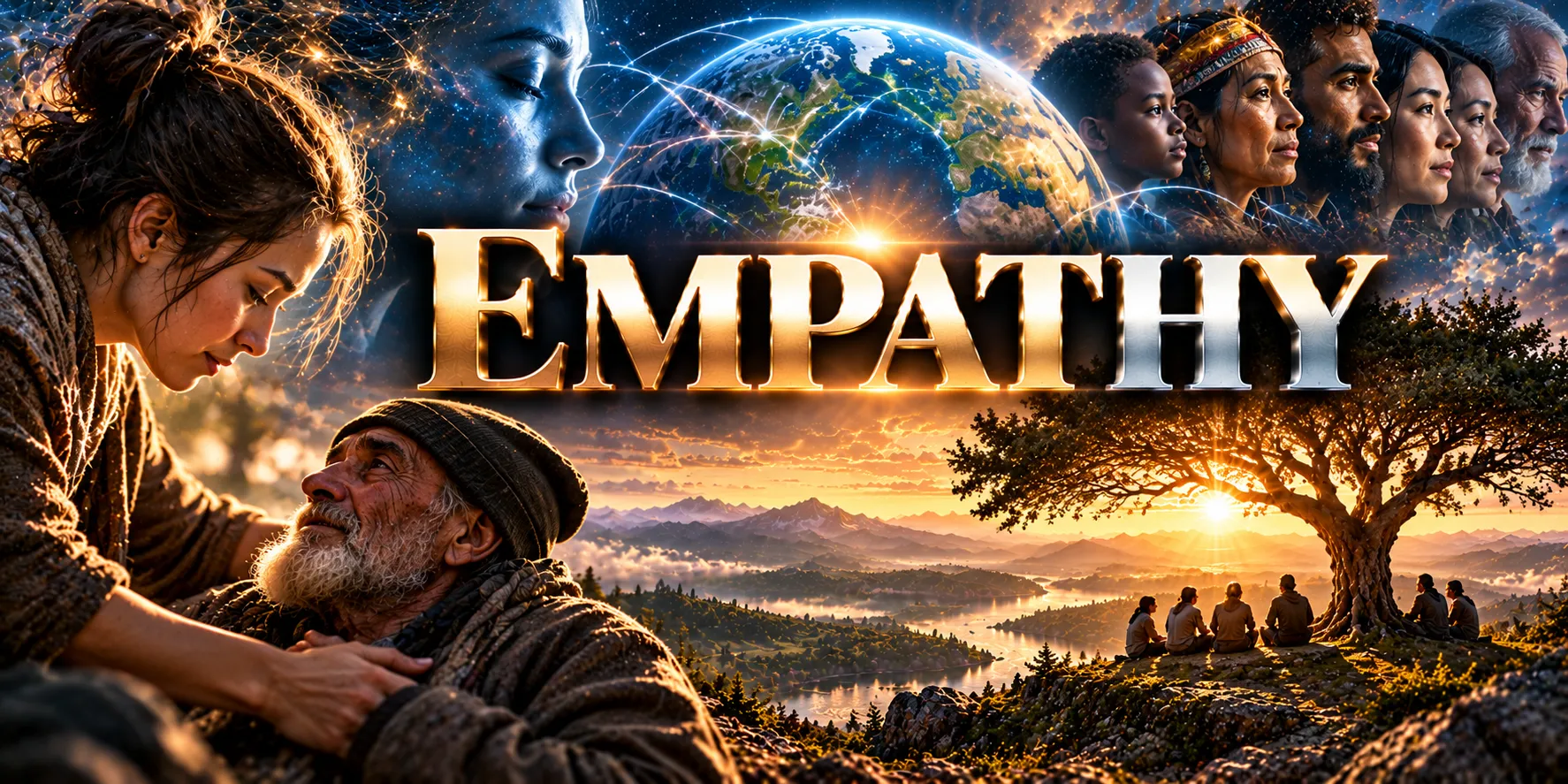
Empathy
Empathy is the ability of the Spiritual Truth Seeker to move beyond their own perspective and genuinely seek to understand the experiences, emotions, beliefs, and viewpoints of others. Every individual sees the world through a unique combination of personal experience, upbringing, culture, relationships, education, challenges, and beliefs, and empathy helps the seeker recognize how these influences shape human perception. This does not mean that every belief or interpretation is equally supported by evidence, nor does understanding another person’s perspective require agreeing with it. Instead, empathy encourages the seeker to ask, “What has this person experienced that may have led them to see the world this way?” Through active listening, thoughtful dialogue, and genuine curiosity, the seeker develops a broader understanding of the human experience behind differing perspectives, making empathy an important companion to discernment and critical thinking.
At a deeper level, Empathy helps transform truth seeking from an individual search for answers into a more meaningful exploration of human connection and shared consciousness. As seekers become more aware of their own emotions, fears, conditioning, and struggles, they often become better equipped to recognize those same human qualities in others. Empathy allows them to disagree without dehumanizing, question without condemning, and communicate difficult truths without unnecessarily creating division. It also teaches an important distinction: empathy is understanding what another person may be experiencing, while compassion is the desire to respond to that understanding with care and kindness. Together, these qualities encourage greater patience, tolerance, connection, and mutual respect. For the Spiritual Truth Seeker, empathy ultimately becomes a bridge—connecting different experiences and perspectives while reminding us that beneath our differences exists a shared journey of learning, struggling, awakening, loving, and becoming.



-
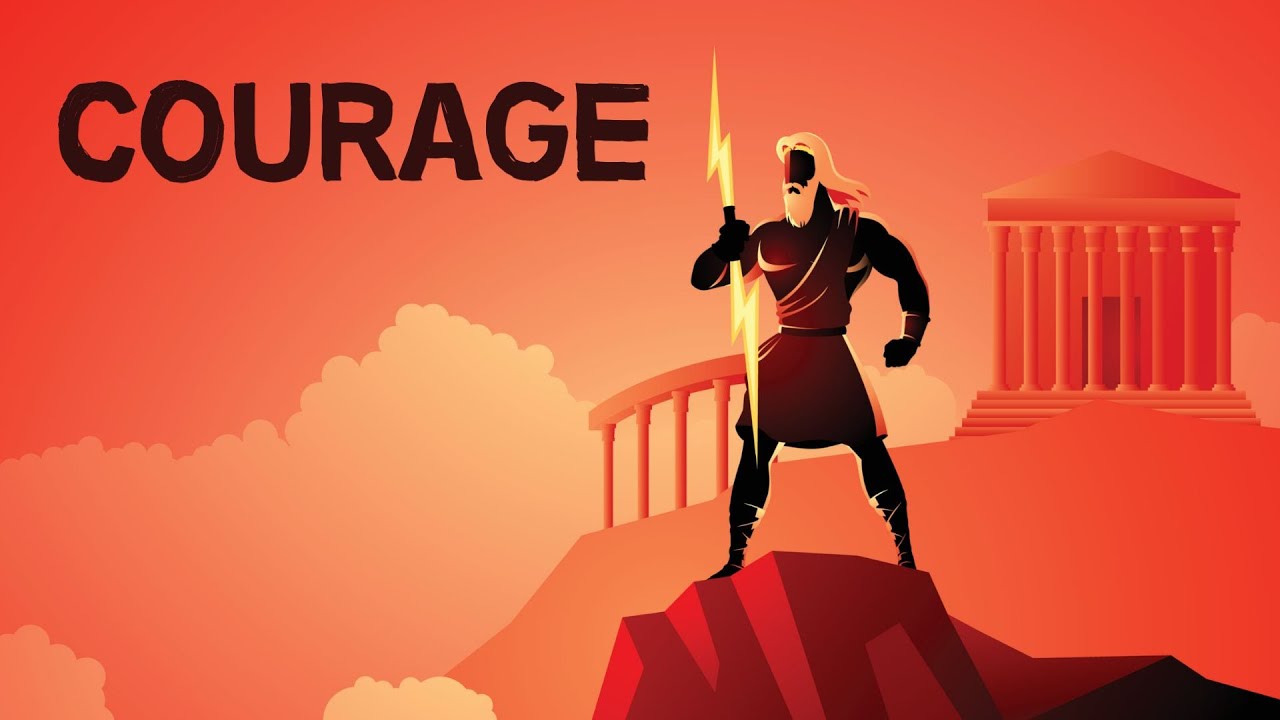
Courage
Courage is an essential quality of the Spiritual Truth Seeker because genuine awakening often requires the willingness to explore questions, experiences, and realities that may challenge deeply held beliefs and familiar ways of seeing the world. It takes courage to question assumptions, investigate uncomfortable subjects, reconsider what we once accepted as true, and acknowledge when our understanding may have been incomplete or mistaken. The truth seeker may encounter disagreement, uncertainty, criticism, or resistance from others, but courage allows them to continue asking thoughtful questions without being controlled by fear or the need for approval. Just as importantly, courage requires the willingness to examine one’s own beliefs, biases, fears, behaviors, and attachments. Sometimes the most difficult truth to confront is not found in the outside world—it is discovered within ourselves.
At its highest expression, Courage is not aggression, defiance, or opposition for its own sake; it is the quiet strength to remain aligned with truth, integrity, compassion, and conscience even when doing so is difficult. A courageous seeker can question authority while still examining evidence carefully, challenge conventional thinking without automatically rejecting it, and express deeply held convictions while remaining open to dialogue and correction. Courage also means being willing to stand alone when necessary, speak honestly when silence would compromise one’s values, change direction when new understanding emerges, and defend the dignity and freedom of others when circumstances call for it. In this way, Courage becomes more than bravery—it becomes moral and spiritual strength, empowering the truth seeker to move through fear and uncertainty with integrity while continuing the journey toward greater awareness, wisdom, authenticity, and conscious action.

-
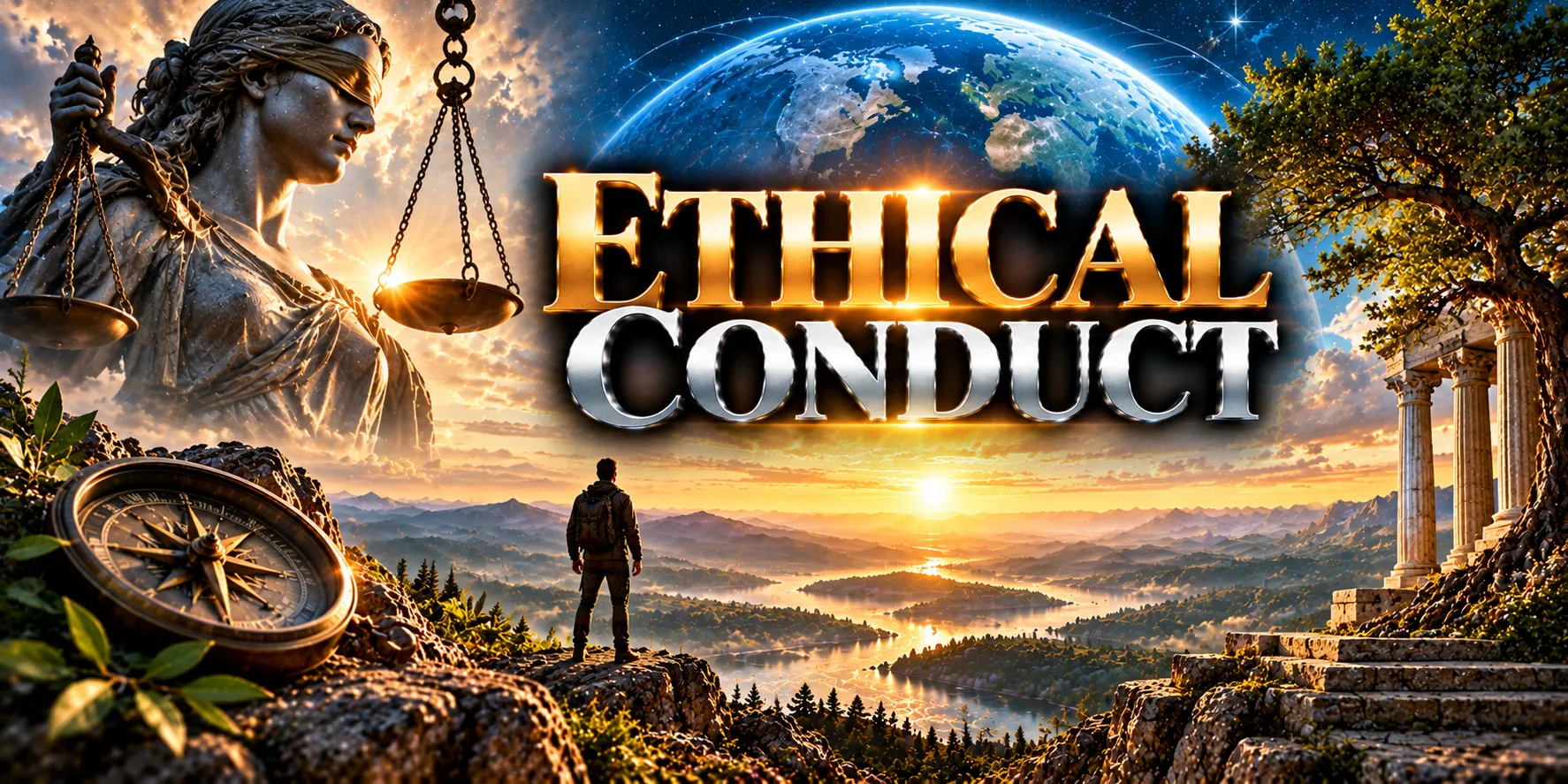
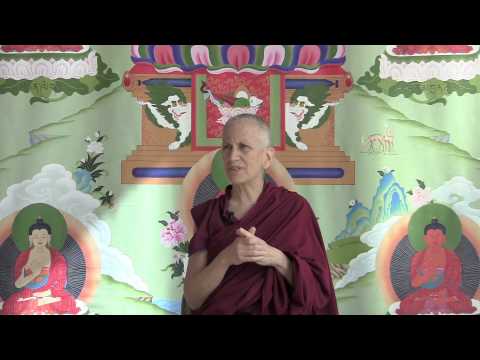
Ethical Conduct
Ethical Conduct is the moral compass of the Spiritual Truth Seeker, ensuring that the pursuit of knowledge and awakening remains grounded in integrity, honesty, responsibility, fairness, and respect for others. Seeking truth is not only about discovering what is true; it is also about considering how information is obtained, interpreted, communicated, and ultimately used. An ethical truth seeker strives to represent evidence accurately, distinguish established facts from personal interpretations or speculation, acknowledge uncertainty, credit sources appropriately, and correct misinformation when errors are discovered. They resist manipulating information simply to support a preferred conclusion and recognize that credibility is built through consistency between one’s values, words, and actions. In this sense, Ethical Conduct asks an important question alongside “Is this true?”: “Am I pursuing and communicating this truth responsibly?”
At a deeper level, Ethical Conduct recognizes that awakening carries personal and collective responsibility. Information can enlighten and empower, but it can also frighten, divide, mislead, or harm when presented carelessly or without appropriate context. The mature Spiritual Truth Seeker therefore considers the consequences of their actions and communication while respecting human dignity, individual freedom, privacy, and differing perspectives. Ethical behavior does not require avoiding difficult truths or remaining silent about legitimate concerns; rather, it means approaching them with courage balanced by compassion, conviction balanced by humility, and transparency balanced by responsibility. Ultimately, the seeker understands that spiritual growth is measured not only by what one knows, but by how one chooses to live and what one does with that knowledge. Ethical Conduct transforms truth seeking from an intellectual pursuit into a conscious way of life—one rooted in integrity, accountability, service, and a genuine commitment to the greater good.




-
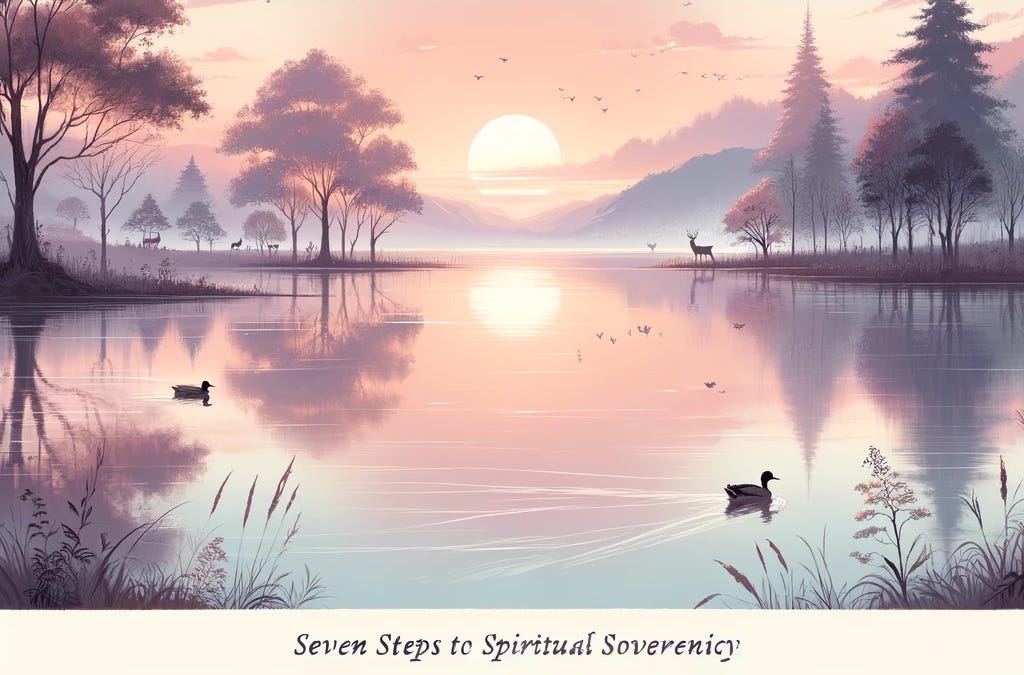
Sovereignty
Sovereignty is the Spiritual Truth Seeker’s recognition of their inherent right—and personal responsibility—to think independently, question freely, make conscious choices, and determine their own path of understanding and spiritual development. Rather than surrendering authority over their beliefs to institutions, traditions, teachers, movements, governments, communities, or influential personalities, the sovereign seeker learns to develop an internal compass. They listen to others, study different perspectives, examine evidence, draw upon intuition and personal experience, and ultimately take responsibility for what they choose to believe and how they choose to live. Sovereignty does not mean rejecting guidance or expertise; it means recognizing the difference between learning from an authority and surrendering one’s personal authority. The sovereign seeker can receive wisdom from many sources without becoming dependent upon any single source to define reality for them.
At a deeper level, Sovereignty represents the movement from unconscious conditioning toward conscious self-direction. The seeker becomes increasingly aware of the social pressures, fears, emotional triggers, group identities, cultural assumptions, and belief systems that can influence perception and behavior. Through self-awareness, discernment, critical thinking, intuition, and personal responsibility, they learn to make choices that reflect their authentic values rather than simply conforming to expectations. True sovereignty, however, is not isolation, rebellion, or the belief that personal conviction automatically makes something true; freedom of thought carries responsibility for how that freedom is exercised. A spiritually sovereign individual remains open to evidence, respects the sovereignty of others, accepts responsibility for their decisions, and is willing to revise beliefs as understanding evolves. In this way, Sovereignty becomes the foundation of authentic awakening—the freedom to question, discern, choose, evolve, and consciously author one’s own journey while honoring that same freedom in others.



-
Reflectiveness
Reflectiveness is the practice of consciously looking inward to examine one’s thoughts, emotions, beliefs, experiences, motivations, and reactions with honesty and self-awareness. For the Spiritual Truth Seeker, the journey toward greater understanding cannot focus entirely on discovering what exists outside oneself; it must also include an ongoing exploration of the inner landscape through which reality is perceived and interpreted. Through reflection, the seeker begins to recognize personal biases, conditioned beliefs, emotional triggers, recurring patterns, assumptions, and attachments that may influence how information and experiences are understood. Instead of simply asking, “Is this true?” the reflective seeker also asks, “Why do I believe this? What experiences shaped this belief? Am I reacting emotionally? What might I be overlooking? What is this experience trying to teach me?” Reflection turns experience into insight by creating the space necessary to understand not only what happened, but what it may reveal about oneself.
At a deeper level, Reflectiveness allows the Spiritual Truth Seeker to integrate what they are learning into who they are becoming. Meditation, journaling, contemplation, quiet time in nature, meaningful conversation, and periods of intentional solitude can all create opportunities to step away from constant external information and listen more carefully to one’s inner experience. Through this process, knowledge can mature into wisdom and awareness can lead to conscious change. Reflectiveness also strengthens humility by helping the seeker recognize mistakes, reconsider conclusions, appreciate personal growth, and identify areas that still require attention. The objective is not endless self-analysis, but greater clarity, alignment, and conscious integration. By regularly pausing to observe, question, process, and learn from experience, the truth seeker develops a deeper relationship with themselves and becomes increasingly capable of navigating life with self-awareness, discernment, authenticity, wisdom, and purpose.





-
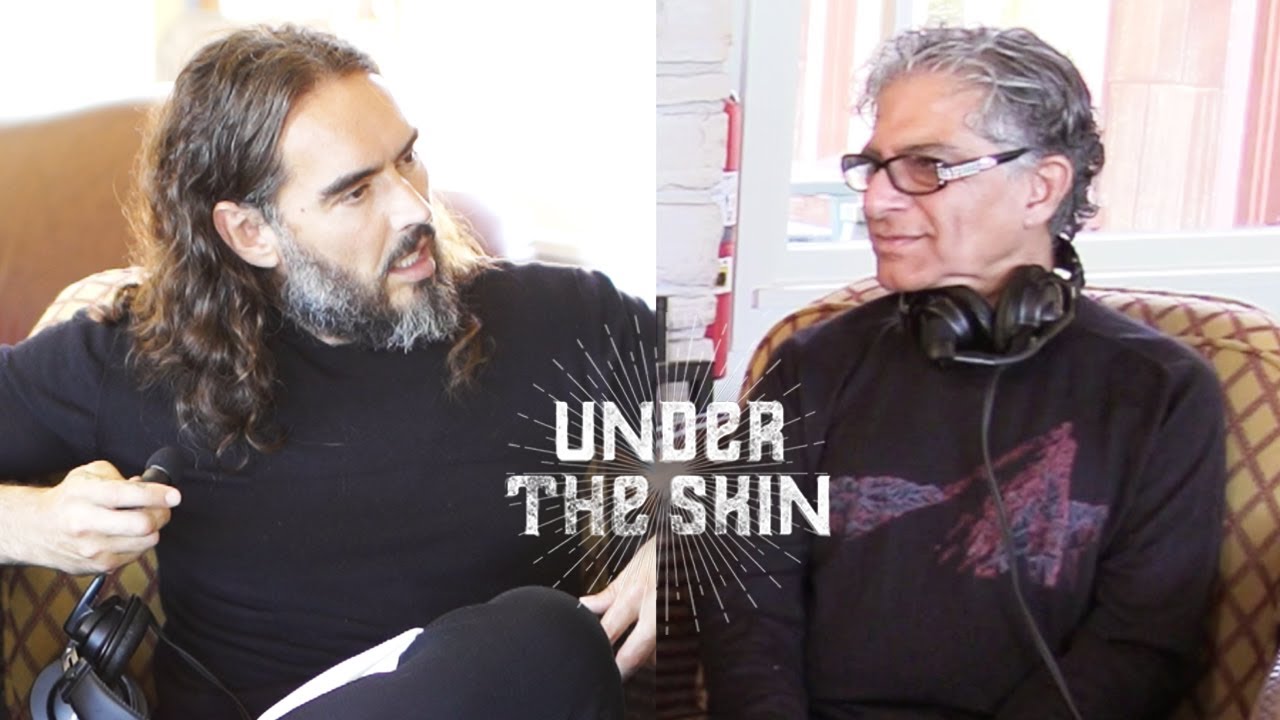
Seeking Evidence
Seeking Evidence is a foundational discipline of the Spiritual Truth Seeker, providing a method for determining whether an idea, claim, or interpretation is supported by reliable information rather than assumption, repetition, or belief alone. A seeker learns to ask: What evidence supports this claim? Where did the information originate? Can the original source be located? Has it been independently corroborated? Is important context missing? They recognize that evidence exists in different forms—documents, records, physical evidence, scientific observations, historical sources, testimony, data, and personal experience—and that each carries different strengths and limitations. Rather than accepting information because it confirms what they already believe, seekers deliberately examine the quality, origin, context, credibility, and limitations of the evidence, including evidence that may challenge their preferred conclusions.
For the Spiritual Truth Seeker, Seeking Evidence does not mean dismissing intuition, personal experience, spiritual insight, or questions that current methods cannot fully answer. It means learning to distinguish between what has been demonstrated, what is strongly supported, what is plausible, what is personally experienced, what remains speculative, and what is presently unknown. This distinction becomes especially important when investigating controversial, unconventional, historical, scientific, or spiritual subjects where compelling claims may circulate without adequate verification. The seeker learns to trace information back to primary sources whenever possible, compare independent accounts, examine conflicting evidence, and remain willing to revise conclusions when stronger information emerges. In this way, Seeking Evidence becomes more than fact-checking—it becomes a commitment to disciplined inquiry and intellectual honesty, allowing the seeker to explore extraordinary possibilities with an open mind while remaining firmly anchored to discernment, reason, and the continuing pursuit of truth.



-
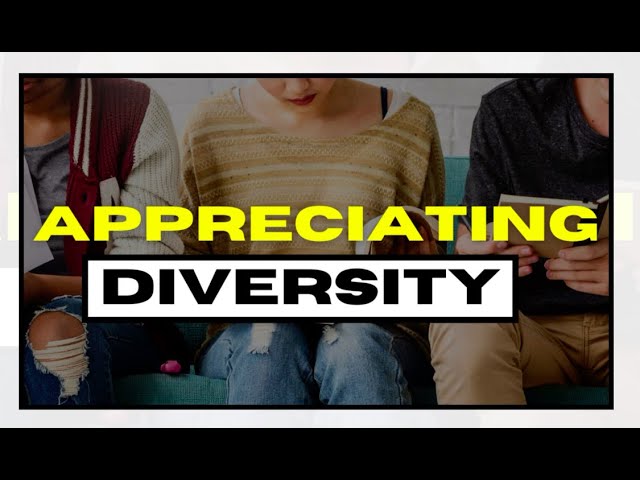
Respect for Diversity
Respect for Diversity is an important quality of the Spiritual Truth Seeker, reflecting an understanding that humanity experiences and interprets life through an extraordinary range of cultures, traditions, philosophies, spiritual practices, personal histories, and worldviews. No individual approaches the search for meaning from exactly the same starting point, and these differences can expand rather than diminish our understanding. The truth seeker therefore approaches unfamiliar perspectives with curiosity, humility, empathy, and respect, recognizing that meaningful insights can emerge from people whose experiences and beliefs differ significantly from their own. Respecting diversity does not require agreeing with every viewpoint or treating every claim as equally supported by evidence. Instead, it means allowing different ideas to be heard, examined, questioned, and discussed without diminishing the dignity or humanity of the person expressing them.
At a deeper level, Respect for Diversity challenges the seeker to move beyond the comfort of communities and information sources that simply reinforce existing beliefs. Exposure to different perspectives can reveal blind spots, challenge assumptions, strengthen critical thinking, and encourage a more complete understanding of complex questions. The mature Spiritual Truth Seeker learns to disagree without division, question without ridicule, and engage differences without hostility, recognizing that diversity of thought can become an important catalyst for personal and collective growth. When combined with discernment, compassion, empathy, and intellectual integrity, respect for diversity creates space for genuine dialogue and mutual learning. It reminds the seeker that awakening is not about making everyone think alike; it is about developing the consciousness necessary to honor our differences, discover our common humanity, and seek greater understanding while respecting each person’s freedom to travel their own path.

different religions, traditions or cultures......
diverse languages, ethnicity or coloured skin,
or even varied abilities,
personalities and perspectives,
but we all belong to one human race.
-
Commitment to Growth
Commitment to Growth is the conscious decision to remain a lifelong student of oneself, humanity, and the deeper mysteries of existence. For the Spiritual Truth Seeker, awakening is not a destination that is reached once a certain amount of knowledge has been acquired; it is an ongoing process of learning, questioning, experiencing, integrating, and evolving. Every new insight can reveal another layer of understanding, while challenges, mistakes, uncertainty, and changing circumstances can become opportunities for personal development. A growth-oriented seeker remains willing to examine old beliefs, develop new skills, strengthen spiritual practices, expand awareness, and reconsider perspectives that no longer align with deeper understanding. Rather than fearing change, they recognize that meaningful transformation often requires moving beyond familiar patterns and becoming comfortable with the uncertainty that accompanies genuine growth.
At a deeper level, Commitment to Growth means transforming knowledge into practice, experience, and conscious change. The seeker understands that reading about compassion is different from practicing compassion, understanding mindfulness is different from becoming present, and discovering spiritual principles is different from embodying them in everyday life. Growth therefore requires intention, discipline, reflection, patience, resilience, and personal responsibility. It also requires recognizing that progress is rarely linear; there may be breakthroughs, setbacks, periods of rapid transformation, and times when growth occurs quietly beneath the surface. The objective is not perfection, but continuous conscious evolution—becoming increasingly self-aware, authentic, balanced, compassionate, discerning, and aligned with one’s highest values. Through this commitment, the Spiritual Truth Seeker gradually moves from simply seeking truth, to understanding truth, to integrating truth, and ultimately to living what they have learned.


-
Development of Conscious Spiritual Practices
The Development of Conscious Spiritual Practices is an important stage in the Spiritual Truth Seeker’s journey because awakening becomes more meaningful when awareness is intentionally practiced and integrated into everyday life. Conscious spiritual practices are activities undertaken with presence, intention, self-awareness, and purpose rather than simply performed through habit or tradition. Meditation, mindfulness, prayer, breathwork, contemplation, journaling, visualization, gratitude, time in nature, conscious movement, and periods of silence can provide pathways for quieting external distractions and developing a deeper awareness of one’s inner world. Through consistent practice, seekers learn to observe their thoughts and emotions, recognize habitual patterns, strengthen intuition, cultivate inner stillness, and become increasingly aware of the relationship between mind, body, emotions, consciousness, and spirit.
As these practices develop, the seeker learns that there is no single spiritual method appropriate for everyone. They may explore different traditions, philosophies, teachings, and consciousness practices while using discernment, personal experience, and self-reflection to determine what genuinely supports their growth. The emphasis gradually shifts from simply doing spiritual practices to living consciously—bringing greater presence into relationships, communication, decision-making, work, health, service, and everyday experiences. Over time, conscious spiritual practice can become less about escaping ordinary life and more about transforming how life itself is experienced. Through commitment and integration, the seeker develops greater inner coherence, compassion, gratitude, self-awareness, and connection, allowing spiritual understanding to move beyond concepts and become an embodied way of living, growing, and consciously participating in the awakening journey.


-
The Heart of A Volunteer
The Heart of a Volunteer represents the movement from personal awakening toward service, contribution, and conscious participation in the lives of others. As Spiritual Truth Seekers deepen their understanding of themselves and the interconnected nature of human experience, many feel a natural desire to share their time, knowledge, abilities, compassion, and resources in ways that benefit others. The volunteer spirit asks not simply, “What can I discover for myself?” but also, “How can what I have learned help someone else?” Service can take countless forms—mentoring, teaching, caregiving, community involvement, charitable work, advocacy, listening to someone who needs support, sharing useful knowledge, or simply being present when another person is struggling. The defining quality is not recognition or reward, but the willingness to contribute because one’s actions can make a meaningful difference.
At a deeper level, The Heart of a Volunteer reflects the understanding that awakening is not solely an individual journey—it can become a shared responsibility to strengthen, encourage, and uplift the human community. Service teaches humility because it shifts attention away from the self; compassion because it brings us closer to the experiences of others; and gratitude because giving often reveals how deeply our lives are interconnected. Yet conscious service also requires wisdom and healthy boundaries: the seeker learns to help without controlling, support without creating dependency, and give without sacrificing personal well-being. When service arises from love rather than obligation or ego, it becomes a powerful spiritual practice in itself. The Heart of a Volunteer therefore represents one of the most meaningful expressions of awakening: moving from awareness to compassion, from compassion to service, and from service toward conscious contribution to something greater than oneself.


In essence, the traits and qualities discussed encapsulate the essence of the spiritual truth seeker, illuminating a path guided by curiosity, critical thinking, empathy, and ethical conduct. With humility as their compass and courage as their fuel, truth seekers embark on a journey of self-discovery and enlightenment, navigating the complexities of existence with grace and integrity. By embracing diversity, respecting evidence, and remaining committed to growth, they forge ahead, ever vigilant in their pursuit of knowledge, understanding, and wisdom. In a world often clouded by uncertainty and misinformation, the spiritual truth seeker stands as a beacon of clarity, embodying the timeless quest for truth and the eternal pursuit of enlightenment.




*The Power of Our Relationship with Animals and Pets
*The Expanding Heart of the Universe - Looking at Our Relationship with Earth
*The Highest Octave - Embracing Our Relationship to Oneness
“What can you do today to put yourself more in your own heart? And what can you do today that might help someone else find, feel or know theirs?”

What is The Great Awakening Report?
The First Step is to Understand Who We Are


Next Step; Review Our Weekly, Monthly, and Special Reports
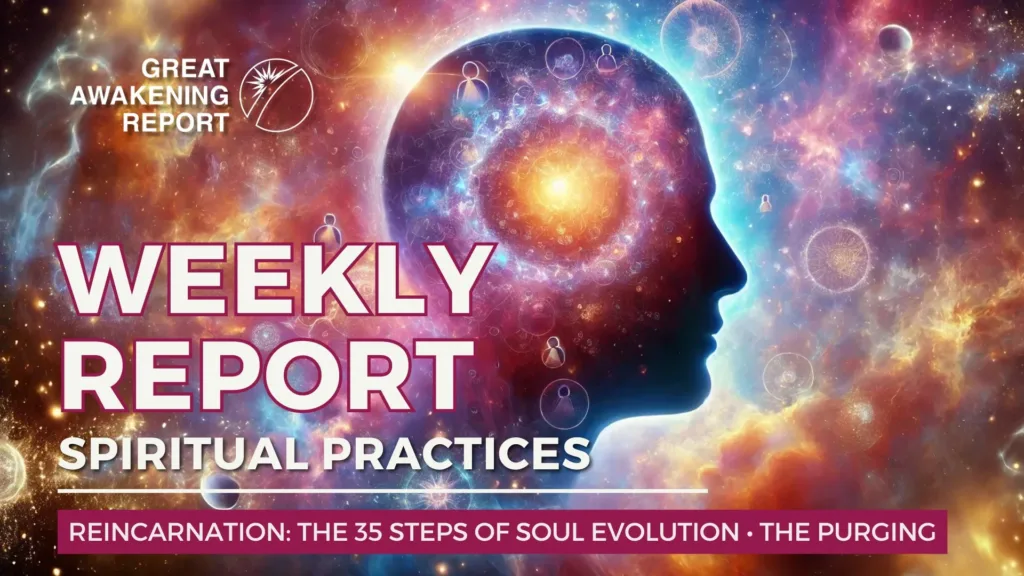






Your 12 Week Awakening Journey
Defining Your Synchronistic Experience
GAR Experience – Intuitive website design allows freedom to follow what sparks your curiosity based on our 8 Primary Topic Headings in our Weekly Reports and 32 Topic Headings in our Monthly Reports. Photography is key to your experience and the first step in understanding our numerous topic titles based on extensive research. User-friendly website architecture starts with our home-page toolbar both the left-side, footer, and header toolbars offer essential free Awakening Journey information.
Start Here – The imagery we select across our site is key to our experience. We are the storytellers of our time, offering information and ideas that are integral to our advancement. There are three stages during the process. The first level is understanding the Great Awakening and the scope and magnitude of discoveries, then mind mapping your journey. The second is exploring new topics, researching incredible theories, processing new types of information, and expanding consciousness. Lastly, you will be discovering your mission, exploring your purpose, elevating your vibrational frequency, and finding your unique path within this journey.
Sources, Topics, & Content – Discover, learn, and get to know our vetted and trusted sources, contributors, experts, and thought leaders. GAR Contributors and editors post from over 500 sources, with new material every week. Our editors filter and focus our weekly and monthly content based on proven topic headings and lead stories of the day.
Connecting the Dots – Our goal is to help our Subscribers create their own experience, develop a clear understanding of the Great Awakening Journey, and discover their Mission and Path of Awakening. Our database management system is designed to organically expand under 36 topic and subtopic headings as future disclosures release massive amounts of evidence, documentaries, educational videos, and related articles.
12 Week Guide Series/Course – We will be sending you one section each week for you to review, study, evaluate, and share. Each section contains text, pictures, links to articles & documentaries, and all are narrated so you can absorb the information whichever way you learn best. Once signed up for the series you will have immediate access to all twelve sections so you can flow with the content as you see fit, allowing you to process as little or as much as you want. This series is a truly personal experience, and we can’t wait for you to get started! Further information and updates are contained within our weekly and monthly reports; sign up to continue your exploration into each of these categories.

Week 1 of 12 | Topic: Red Pill vs. Blue Pill
Understanding Our Programming Is Your First Step
The programming of our beliefs and thought patterns is so embedded and has functioned so well that we don’t even realize it has happened. This deeply rooted programming leads to the first challenge in the awakening process. Most people will argue the perfection of their beliefs against the imperfections of others. With such strong beliefs, it can be difficult for someone to accept different ideas or belief structures that don’t match their current knowledge or understanding of how the world works. Most will cling onto their current structures for some stability during this ever-changing landscape of information we call The Great Awakening. You must be willing to let go of everything you thought was real and cemented in reality. Re-learn this universe as a child would, but this time leave the programming behind. This will be the first challenge you must face on the road to The Great Awakening.
[button style=’red’ url=’https://greatawakeningreport.com/the-awakening-journey-red-pill-vs-blue-pill/’ target=’_blank’ arrow=’true’ fullwidth=’true’]Start Week 1 of 12[/button]

Week 2 0f 12 | Topic: Great Awakening & Deep State Maps
A New Reality Awaits, Helping You Create Your Own Journey
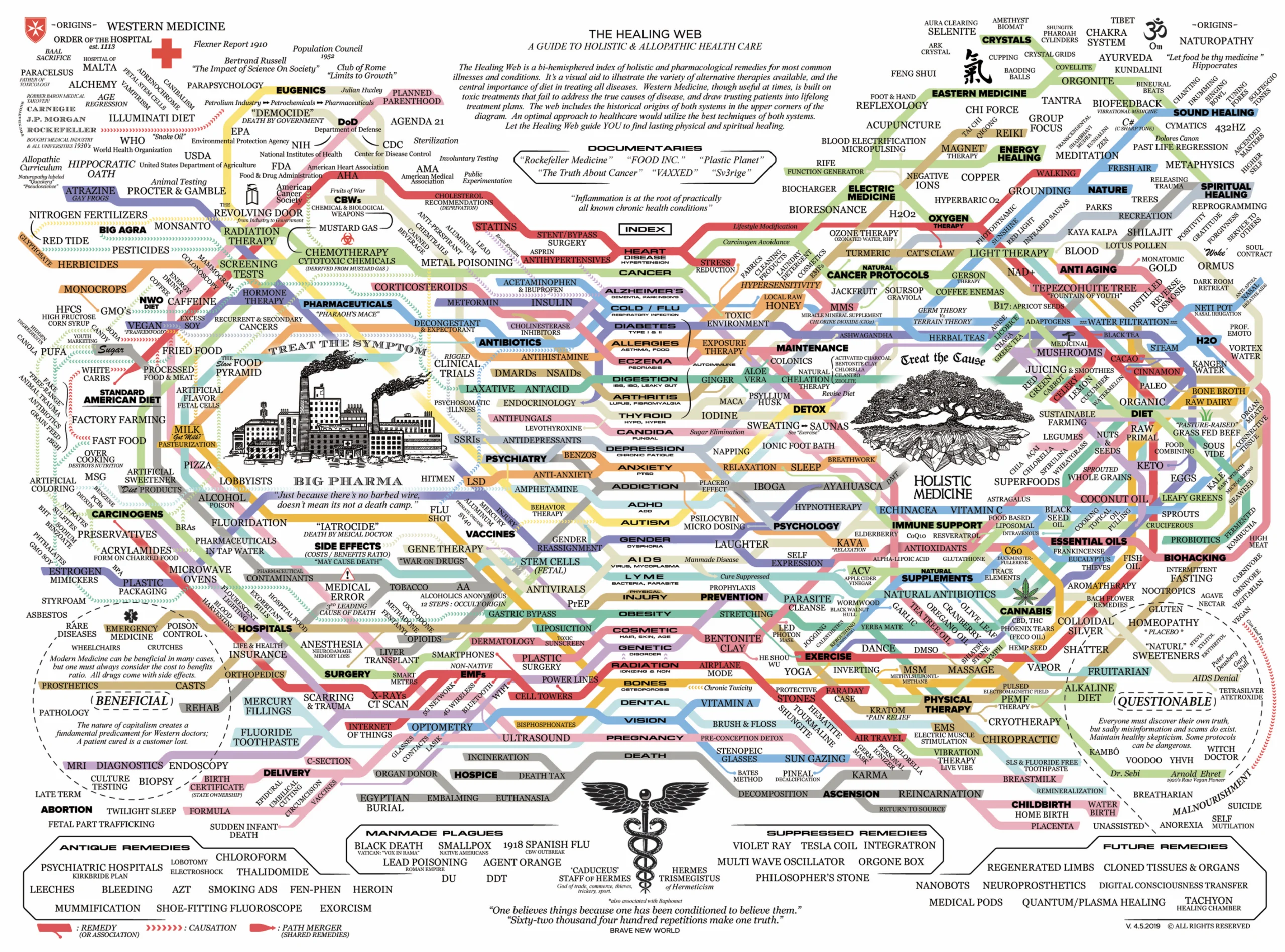
Great Awakening Maps, Free Downloads, and Map Creator Interviews
Both the Great Awakening Map and the Deep State Map give the viewer a clear representation of the scope of the topic and a curiosity-evoking experience. Both maps will leave you asking questions and forming hypotheses which is a beautiful thing. As you study, you will connect the dots and see the main concepts at play. You will be able to make a personalized route through the information, which will give you a sense of freedom and a more intuitive learning path on your journey. Let your curiosity and intuition guide you to your sources of information and next topic of study.
[button style=’red’ url=’https://greatawakeningreport.com/the-awakening-journey-the-great-awakening-deep-state-maps/’ target=’_blank’ arrow=’true’ fullwidth=’true’]Start Week 2 of 12[/button]

Week 3 of 12 | Topic: “Q” Anons | Connecting the Dots
Aha Moments to Discover & Experience Your Truth
This practice of connecting the dots is something you have always done, whether for yourself or others. You certainly have had a conversation with someone where they thought you jumped topics randomly, and you had to explain how you got there–the connection you made that brought you to your point or next subject. This movement from topic to topic is the natural flow of open conversation and learning. Randomness is simply a perception based on not seeing how things are connected. There is only the appearance of randomness; it isn’t truly possible. With that being the case, you can connect the dots of everything; you can see how everything in the universe fits together, one subject at a time.
[button style=’red’ url=’https://greatawakeningreport.com/the-awakening-journey-connecting-the-dots/’ target=’_blank’ arrow=’true’ fullwidth=’true’]Start Week 3 of 12[/button]

Week 4 of 12 | Topic: Global Awakening | Cosmic Disclosure
We Created Your Own Intuitive Content Management System, Free to Follow Your Awareness, Intuition, Interest, Truth, and Conscious Awakening
In week four’s program course, we break down our two primary topic headings and the thinking that went on behind the design and development of our platform! We believe it all starts with those who have already awakened synchronistically finding us. “We don’t seek to awaken anyone if it’s not their time.” Hence, our mission is to be in humble service to others, helping those working through the process of awakening and disclosing the truth. Our purpose and mission are to share, mentor, and coach our subscribers through the coming tsunami of evolving consciousness, undisclosed realities, global earth changes, and the galactic solar shift.
[button style=’red’ url=’https://greatawakeningreport.com/the-awakening-journey-global-awakening-cosmic-disclosure/’ target=’_blank’ arrow=’true’ fullwidth=’true’]Start Week 4 of 12[/button]

Week 5 of 12 | Topic: Geopolitical
Deep State vs. Global Alliance News/Global Economic/International Monetary System
The Global Deep State’s agents extend into every country around the globe. Using proxies, paid agents/lobbyists, and blackmail to achieve their goals and objectives. A Global Alliance led by the Positive US Military, Russian military, and China’s positive military, along with 175 third world countries, now aligned against the Deep State, “NWO.” We witness a Global War between these two factions and the crumbling from within our institutions, including the FBI, DOJ, CIA, and the corrupt political system.
[button style=’red’ url=’https://greatawakeningreport.com/the-awakening-journey-geopolitical/’ target=’_blank’ arrow=’true’ fullwidth=’true’]Start Week 5 of 12[/button]

Week 6 of 12 | Topic: Geophysical | Global Weather
Geophysical/Earth Changes/Planetary Climate
Many factors are affecting climate change. Our solar system has entered an energy cloud impacting the weather on all planets in our system. The Sun is getting larger and brighter. Up until the 1980s, the Sun was yellow; subsequently, it has become hotter and whiter. The Shadow Government uses advanced technologies to control the weather, causing significant disruption of our seasons, extreme temperatures, droughts, flooding, earthquakes, and expanding volcanic activity. We are now entering into a solar minimum which will bring forth more disruption in our lives, including colder weather, reduction in atmospheric CO2, new seasonal patterns causing shorts harvests and late freezes as we have seen this year. We are now using a “deep learning” AI system to predict future solar activities, including solar minimums and maximums.
[button style=’red’ url=’https://greatawakeningreport.com/the-awakening-journey-global-geophysical-weather/’ target=’_blank’ arrow=’true’ fullwidth=’true’]Start Week 6 of 12[/button]

Week 7 of 12 | Topic: Health Watch
FDA & Big Pharma/Food Industry/Alternative Health
Since the Flexner Report in 1910, we have been sold a model of healthcare that has one primary goal; profit. Many fantastic practitioners have seen past their “education” and helped get people away from illness and disease and on the right path to a healthy life. Unfortunately, many of these practitioners are being silenced and having their licenses revoked for telling the truth and practicing natural methods. There is an immeasurable amount of information out there to weed through on how to be healthy. We’re asking the tough questions and looking for real answers.
[button style=’red’ url=’https://greatawakeningreport.com/the-awakening-journey-health-watch/’ target=’_blank’ arrow=’true’ fullwidth=’true’]Start Week 7 of 12[/button]

Week 8 of 12 | Topic: True History
Archeology/Ancient Text/Real US History
The Great Awakening Report is dedicated to showing the possibilities and evidence of our history from many sources to connect the dots and show the whole picture. We value all information and remind you to use discernment and your heart to feel and analyze what is being presented. When it comes to relearning our entire history, there can be some hesitance in accepting new ideas, evidence, and interpretations. We find it highly beneficial to look at our ancient texts and spiritual teachings; these hold a vast amount of information that is quite telling and informational when viewed within the scope of all other knowledge and discoveries. The Bible and other religious texts seem to be coming alive in our time, showing off their accurate predictions, revelations, and prophecies. The Great Awakening Report is dedicated to showing the possibilities and evidence of our history from many sources to connect the dots and show the whole picture. We value all information and remind you to use discernment and your heart to feel and analyze what is being presented. When it comes to relearning our entire history, there can be some hesitance in accepting new ideas, evidence, and interpretations. We find it highly beneficial to look at our ancient texts and spiritual teachings; these hold a vast amount of information that is quite telling and informational when viewed within the scope of all other knowledge and discoveries. The Bible and other religious texts seem to be coming alive in our time, showing off their accurate predictions, revelations, and prophecies.
[button style=’red’ url=’https://greatawakeningreport.com/the-awakening-journey-true-history/’ target=’_blank’ arrow=’true’ fullwidth=’true’]Start Week 8 of 12[/button]

Week 9 of 12 | Topic: Hidden Truths
UFOs, New Sciences/Advanced Technologies/Secret Space Program)
The Hidden Truths category is one of our hottest and most rapidly expanding topics. There are highly classified secrets that have been intentionally hidden and suppressed from humanity. New disclosures regarding all our sciences, mathematics, physics, and astronomy are being revealed. The DOD has over 6,000 advanced technological patents classified as Top Secret. Soft disclosure, including fictional works such as movies and books, subtle marketing, declassified documents, and advertising, has been in progress since July 2015. As of September 2017, Washington DC has been embroiled over Partial Disclosure vs. Full Disclosure.
[button style=’red’ url=’https://greatawakeningreport.com/the-awakening-journey-hidden-truths/’ target=’_blank’ arrow=’true’ fullwidth=’true’]Start Week 9 of 12[/button]

Week 10 of 12 | Topic: The Event
Galactic Energy Cloud/Galactic Flash/Wave, Ascension
The Event is described as a 26,000-year grand cycle based on our solar system being part of a binary or two-star system. Current evidence, research, and information on The Event are limited to ancient texts, SSP scientists, military disclosures, whistle-blower testimony, satellite data reports, and scientific observatory papers documenting specific galactic events within our solar system. Solar flares (release of photons, electrons, and carbon dioxide gases), solar winds, coronal mass ejections (other solar particles of radiation), co-interaction regions where fast and slow solar winds converge and send out vibrationally strong shock waves throughout the cosmos which will greatly affect this planet. All of the occurrences mentioned above will cause the inner core and the outer arena (magnetic and geomagnetic fields) of Earth/Gaia to tremendously thrash, surge, shift and vibrate faster, elevate higher, and receive enormous pulsations of Source light. We anticipate the expansion and dramatic increase of new evidentiary information on The Event. This topic is key to understanding the Big Picture for our planet, race, and the ascension of every soul on this planet.
[button style=’red’ url=’https://greatawakeningreport.com/the-awakening-journey-the-event/’ target=’_blank’ arrow=’true’ fullwidth=’true’]Start Week 10 of 12[/button]

Week 11 of 12 | Topic: Spirituality
Consciousness/Manifestation/Forgiveness
The meaning of spirituality has developed and expanded over time, and various connotations can be found alongside each other. Traditionally, spirituality referred to a religious process of re-formation that “aims to recover the original shape of man,” oriented at “the image of God,” as exemplified by the founders and sacred texts of the world’s religions. The term was used within early Christianity to refer to a life oriented toward the Holy Spirit and broadened during the Late Middle Ages to include mental aspects of life. In modern times, the term spread to other religious traditions and broadened to refer to a wider range of experiences, including a range of esoteric traditions and religious traditions. Modern usages tend to refer to a subjective experience of a sacred dimension and the “deepest values and meanings by which people live,” often in a context separate from organized religious institutions, such as a belief in a supernatural realm, personal growth, a quest for an ultimate or sacred meaning, awakening experience, or an encounter with one’s own “inner dimensional” soul or spirit.
[button style=’red’ url=’https://greatawakeningreport.com/the-awakening-journey-spirituality/’ target=’_blank’ arrow=’true’ fullwidth=’true’]Start Week 11 of 12[/button]

Week 12 of 12 | Topic: The Path of Awakening
Meditation Practice/Healing Practice/Healthy Lifestyle
There are now hundreds of millions of people Awakening across this planet. The truth movement is our understanding of where we came from and who we really are as we take our rightful place in the galaxy. Our collective personal vibration and frequency are paramount to expanding awareness and knowledge. A successful, thriving civilization must be in harmony to advance.
[button style=’red’ url=’https://greatawakeningreport.com/the-awakening-journey-the-path-of-awakening/’ target=’_blank’ arrow=’true’ fullwidth=’true’]Start Week 12 of 12[/button]

“Just watch this moment, without trying to change it at all. What is happening? What do you feel? What do you see? What do you hear?” – Jon Kabat-Zinn

DISCLAIMER: All statements, claims, views and opinions that appear anywhere on this site, whether stated as theories or absolute facts, are always presented by The Great Awakening Report (GAR) as unverified—and should be personally fact checked and discerned by you, the reader. Any opinions or statements herein presented are not necessarily promoted, endorsed, or agreed to by GAR, those who work with GAR, or those who read or subscribe to GAR. Any belief or conclusion gleaned from content on this site is solely the responsibility of you the reader to substantiate. Any actions taken by those who read material on this site are solely the responsibility of the acting party. You are encouraged to think for yourself and do your own research. Nothing on this site is meant to be believed without question or personal appraisal.
Copyright Disclaimer: Citation of articles and authors in this report does not imply ownership. Works and images presented here fall under Fair Use Section 107 and are used for commentary on globally significant newsworthy events. Under Section 107 of the Copyright Act 1976, allowance is made for fair use for purposes such as criticism, comment, news reporting, teaching, scholarship, and research.
Community Guidelines Disclaimer: The points of view and purpose of this video is not to bully or harass anybody, but rather share that opinion and thoughts with other like-minded individuals curious about the subject.
Share This Report
Join the Discussion
Related Reports

Have questions?
At Great Awakening Report, we are dedicated to supporting your journey toward truth and enlightenment through our specialized Coaching and Consulting services.
Coaching Services: Our coaching programs are designed to guide you through personal awakening and transformation. We offer personalized sessions that focus on expanding consciousness, uncovering hidden truths, and fostering spiritual growth. Our experienced coaches provide the tools and insights necessary to navigate your path with clarity and confidence.
Consulting Services: For organizations and individuals seeking deeper understanding and strategic guidance, our consulting services offer expert analysis and solutions. We delve into areas such as global transitions, alternative news insights, and consciousness studies to provide comprehensive strategies tailored to your unique objectives.
Embark on a transformative journey with our Coaching and Consulting services, and unlock your highest potential. To learn more and schedule a session, visit our Coaching and Consulting pages.
Thank you
Thank you to our subscribers and readers for your continued support and dedication to truth and awakening. Your encouragement, engagement, and belief in our mission make everything we do possible. Together, we are expanding awareness and helping illuminate the path forward.
If you would like to further support the Great Awakening team and our ongoing efforts to share insight, knowledge, and truth, you can DONATE HERE.
With deep gratitude,
– Great Awakening Team
About the Author: Great Awakening Team

We are a community. We are cultural creatives and like minded people seeking the truth and focusing on disclosure, awakening and consciousness. Our focus is real news as researchers, reporters and truth seekers. We are here to teach, to spread the word, to serve and to help. We are a collective, a movement, free from all programing, not closed minded and not discriminatory. We are not political. We are not religious but we are spiritual. We study, research, and report on a wide range of subjects and topics, from the current geopolitical climate to health and wellness, from earth’s history to spiritual practices. We are forward thinkers and visionaries, we are guides for the transition as we usher in The Great Awakening.
THIS WEBSITE DOES NOT PROVIDE MEDICAL ADVICE: The information, including but not limited to text, graphics, images, and other material contained on this website, are for informational purposes only. No material on this site is intended to be a substitute for professional medical advice, diagnosis, or treatment. Always seek the advice of your physician or other qualified health care provider with any questions you may have regarding a medical condition or treatment and before undertaking a new health care regimen, and never disregard professional medical advice or delay in seeking it because of something you have read on this website.
DISCLAIMER: All statements, claims, views and opinions that appear anywhere on this site, whether stated as theories or absolute facts, are always presented by The Great Awakening Report (GAR) as unverified—and should be personally fact checked and discerned by you, the reader.Any opinions or statements herein presented are not necessarily promoted, endorsed, or agreed to by GAR, those who work with GAR, or those who read or subscribe to GAR.Any belief or conclusion gleaned from content on this site is solely the responsibility of you the reader to substantiate.Any actions taken by those who read material on this site are solely the responsibility of the acting party.You are encouraged to think for yourself and do your own research.Nothing on this site is meant to be believed without question or personal appraisal.
COPYRIGHT DISCLAIMER: Citation of articles and authors in this report does not imply ownership. Works and images presented here fall under Fair Use Section 107 and are used for commentary on globally significant newsworthy events. Under Section 107 of the Copyright Act 1976, allowance is made for fair use for purposes such as criticism, comment, news reporting, teaching, scholarship, and research.
COMMUNITY GUIDELINES DISCLAIMER: The points of view and purpose of this video is not to bully or harass anybody, but rather share that opinion and thoughts with other like-minded individuals curious about the subject.