

TRUTH /// AWAKENING /// DISCLOSURE
Share This Monthly Report
SPECIAL ALERT | GLOBAL POWER GRID ATTACK WARNINGS. THE GREAT CONVERGENCE | When Global Systems Begin to Fail Together. THE GREAT ILLUSION | ERIC WEINSTEIN ON ARTIFICIAL INTELLIGENCE, HIDDEN PROGRAMS & HUMANITY’S FUTURE.SPECIAL ALERT | GLOBAL POWER GRID ATTACK WARNINGS. THE GREAT CONVERGENCE | When Global Systems Begin to Fail Together. THE GREAT ILLUSION | ERIC WEINSTEIN ON ARTIFICIAL INTELLIGENCE, HIDDEN PROGRAMS & HUMANITY’S FUTURE.

NOVEMBER 2026 MONTHLY REPORT | AUDIO RECAP & REVIEW
Connecting the Dots | Understanding the Signals, Patterns & Bigger Picture
The November 2026 Monthly Audio Recap & Review explores the major developments, emerging patterns, and underlying themes shaping our world during a period of continuing transition. Drawing from the Great Awakening Report’s featured stories and broader coverage, this discussion connects developments in global affairs, public health, food security, scientific discovery, institutional accountability, and human consciousness.
Particular attention is given to the month’s lead stories, examining what is being reported, why these developments matter, and how they may connect to larger trends. From there, the conversation expands into the report’s other sections, including healthspan and longevity, food and biological security, personal sovereignty, conscious awareness, objective observation, and Service to Others.
Rather than treating each topic as an isolated event, this audio review considers the relationships between external developments and our individual and collective responses. The goal is to encourage informed awareness, independent thinking, and a grounded perspective on the changes unfolding around us.
We do the research for you—connecting the dots, identifying the signals and patterns, and helping you navigate the bigger picture with greater clarity and discernment.
SPECIAL ALERT | GLOBAL POWER GRID ATTACK WARNINGS. THE GREAT CONVERGENCE | When Global Systems Begin to Fail Together. THE GREAT ILLUSION | ERIC WEINSTEIN ON ARTIFICIAL INTELLIGENCE, HIDDEN PROGRAMS & HUMANITY’S FUTURE HUMANITY’S FUTURE
“As acceleration becomes visible, clarity becomes essential. Systems are not ending in chaos, but revealing their limits. What follows is not a collapse to fear, but a transition that rewards calm, discernment, and readiness. This is not a moment of urgency, but of orientation. What is surfacing does not require belief or action—only clarity. Calm is the advantage that allows preparation to unfold naturally.”
“As acceleration becomes visible, clarity becomes essential. Systems are not ending in chaos, but revealing their limits. What follows is not a collapse to fear, but a transition that rewards calm, discernment, and readiness. This is not a moment of urgency, but of orientation. What is surfacing does not require belief or action—only clarity. Calm is the advantage that allows preparation to unfold naturally.”
MONTHLY REPORT INTRODUCTION | November 2026
Threshold Acceleration Phase (January–March 2026)
The first quarter of 2026 marks an intentional shift in how the Great Awakening Report is structured, navigated, and engaged.
Rather than increasing volume or urgency, these Monthly Reports have been redesigned to prioritize clarity, choice, and self-paced review. You’ll notice a more user-friendly format, clearer section pathways, and expanded use of toggles that allow you to decide what you want to explore—and what you don’t. This report is not meant to be read linearly or consumed in one sitting.
The language across all Q1 reports has also been updated to better reflect this phase. Coverage is now organized through five consistent lenses: Signals, Patterns, Transition, Convergence, and Preparation. These are not predictions or directives. They are orientation tools—designed to help you contextualize developments without overstimulation or pressure to respond.
This quarter represents a pivot in information processing, not a call to action. As multiple systems move simultaneously—economic, political, technological, environmental, and psychological—the tendency is to interpret acceleration as crisis. These reports are designed to slow that reflex by emphasizing what information means, what it doesn’t, and where discernment matters most.
You’ll also notice a greater emphasis on staying regulated—not emotionally, but cognitively and physiologically. Calm is not disengagement. Calm is a strategic advantage. It preserves perception, timing, and choice during periods of increased informational density.
Nothing is required of you right now.
There is no urgency to act, decide, or align. You are allowed to slow down, skip sections, return later, and engage only with what feels stabilizing and useful. These reports are meant to support orientation, not demand conclusions.
As we move through the Threshold Acceleration Phase of early 2026, the purpose of the Monthly Reports is simple: to help you remain grounded, informed, and prepared—without pressure.
Monthly Report Topics
Our new report format is designed to make it easier to access the topics you’re most interested in, with clearer navigation and faster entry points throughout each Monthly Report. A fully linked table of contents now allows you to move directly to any section, topic, or subtopic with a single click, making the report easier to explore and revisit over time.
Content is now organized into clearly compartmentalized sections, grouping related material so you can follow specific threads without distraction. This structure supports both high-level scanning and focused deep dives, depending on how you choose to engage on any given day. You can move laterally across topics or stay within a single area without losing context.
In-depth research, extended analysis, and supporting materials are now placed within toggled sections. These expandable areas allow you to control how much information you view at once, helping reduce overload while preserving access to full context when you want it. Nothing is hidden or removed—depth is simply optional and always available.
We will continue refining and improving our report formats as the information landscape evolves and as subscriber needs change. Your continued support and feedback play an important role in shaping these improvements, and we’re deeply appreciative of the community that makes this work possible.
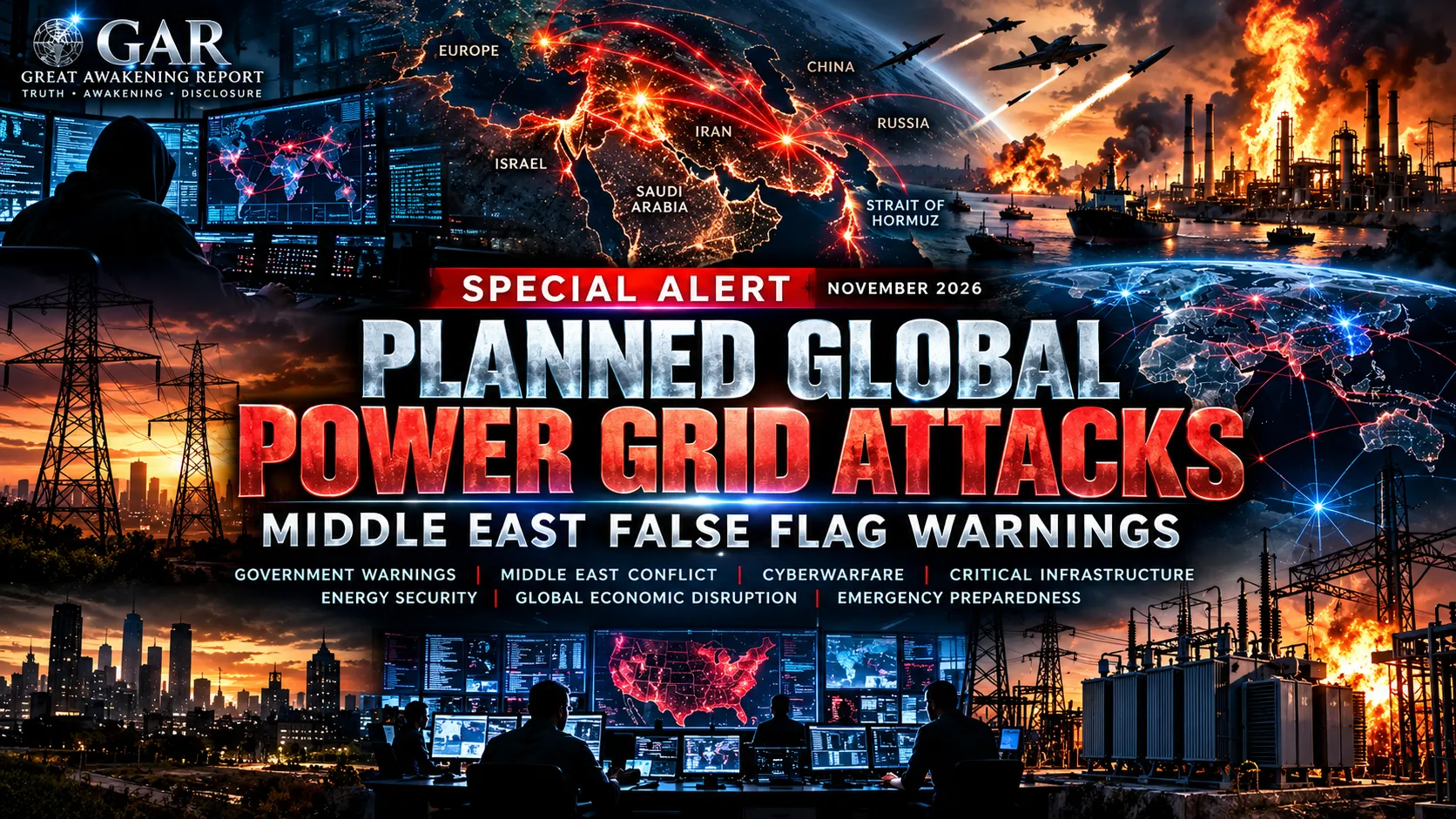
SPECIAL ALERT | GLOBAL POWER GRID ATTACK WARNINGS
Middle East Conflict • Cyberwarfare • False Flag Allegations • Critical Infrastructure • Global Energy Crisis
Government Intelligence Warnings • Escalating Geopolitical Tensions • Energy Infrastructure Threats • Global Economic Disruption • Emergency Preparedness
An Emerging Global Infrastructure Threat
A Growing Global Security Warning: The world is entering a period of heightened concern over the security of electrical power grids, energy infrastructure, telecommunications, and the interconnected systems supporting modern civilization. Government cybersecurity agencies, intelligence organizations, and energy-security authorities have warned about vulnerabilities involving foreign cyber operations, industrial control systems, and critical infrastructure. At the center of this investigation is the escalating Middle East conflict, where attacks against energy facilities, shipping corridors, and essential infrastructure could produce consequences extending far beyond the immediate region. The central warning is not that a coordinated worldwide blackout has been confirmed, but that existing vulnerabilities, geopolitical tensions, and increasingly sophisticated cyber capabilities create conditions in which a major infrastructure emergency could become a cascading international crisis.
Government Intelligence Agencies Sound the Alarm: Throughout 2026, government authorities have continued examining the growing threat posed by hostile cyber operations against critical infrastructure. The U.S. Cybersecurity and Infrastructure Security Agency (CISA), Federal Bureau of Investigation (FBI), National Security Agency (NSA), and Department of Energy represent key sources for evaluating these risks. Warnings involving Iranian-affiliated cyber activity and industrial control systems highlight the potential exposure of electricity, water, manufacturing, and other essential services. Government concerns about foreign-manufactured electrical equipment, unauthorized remote access, and supply-chain vulnerabilities add another dimension to national security planning. These warnings reveal an important reality: modern electrical networks are no longer isolated industrial systems. They are increasingly connected to digital infrastructure, creating potential pathways through which cyber incidents can affect physical operations.
Middle East Escalation & False Flag Allegations: The Middle East remains a critical focus because of the strategic importance of Iran, Israel, the Gulf states, American military interests, and international energy transportation routes. Regional conflict creates multiple potential threats, including missile and drone attacks against energy installations, cyber intrusions targeting utilities, sabotage of transportation infrastructure, and disruption of oil and natural gas exports. Alternative intelligence commentators have also raised concerns about possible false flag operations—attacks deliberately attributed to another party to influence public opinion or justify military escalation. Such allegations require careful investigation of their origins, supporting evidence, and possible motives. At present, the warnings and vulnerabilities described in this report do not establish that a false flag attack or coordinated global power grid operation has been planned. Nevertheless, the possibility of misattribution, information warfare, and deliberate manipulation of crisis narratives remains a legitimate subject for investigative scrutiny.
The Vulnerability of the Global Electrical Grid: Modern civilization depends upon an extraordinary network of generating facilities, substations, high-voltage transmission systems, transformers, computerized controls, and regional distribution networks. Although national electrical systems are not all physically interconnected, many share common technologies, equipment suppliers, software platforms, and cybersecurity challenges. A successful attack against strategically important infrastructure could interrupt electricity supplies, damage equipment, and complicate restoration efforts. Large transformers and specialized grid components can be difficult to replace quickly, particularly during simultaneous emergencies. Cyber intrusions, physical sabotage, extreme weather, and geomagnetic disturbances represent different categories of risk that require different defensive responses. The concern is that a serious regional incident, especially during periods of geopolitical instability, could overwhelm existing recovery resources and expose the dependence of essential services on continuous electrical power.
Global Energy Markets & the Strait of Hormuz: One of the most consequential vulnerabilities in the international energy system is the concentration of oil and natural gas production, processing, and transportation infrastructure across the Persian Gulf. The Strait of Hormuz remains a strategically significant maritime corridor, connecting Gulf energy producers with international markets. Military escalation, shipping interruptions, attacks against petroleum facilities, or prolonged infrastructure outages could influence global energy prices, transportation costs, industrial production, and inflation. Europe and Asia are particularly sensitive to disruptions in international energy supplies, while the United States remains exposed through globally connected commodity markets. A major regional energy emergency would not automatically produce worldwide electrical grid failure, but it could amplify economic instability, increase operating costs, and place additional pressure on governments, businesses, and households already managing financial uncertainty.
The Cascading Effects of a Major Power Emergency: Electricity is the foundation supporting nearly every essential function of modern society. Banking networks, electronic payment systems, cellular communications, internet infrastructure, water treatment facilities, hospitals, food refrigeration, transportation networks, and fuel distribution all depend upon reliable electrical service. A prolonged regional blackout could interrupt commercial transactions, compromise communications, limit access to drinking water, affect emergency medical services, and disrupt food distribution. Backup generators, battery storage, emergency communications, and contingency planning can reduce these risks, but their effectiveness depends upon maintenance, fuel availability, system design, and the duration of an outage. The greater concern is the possibility of multiple disruptions occurring simultaneously, creating a chain reaction in which the failure of one essential service weakens the resilience of several others.
Connecting the Dots — Signals, Threads & Patterns: The Great Awakening Report examines emerging developments through three interconnected perspectives: Signals, Threads, and Patterns. The signals include government cybersecurity advisories, military escalation warnings, energy-market disruptions, infrastructure security assessments, and reports of attempted intrusions into critical systems. The threads connect geopolitical competition with energy dependence, technological vulnerability, international finance, and public emergency preparedness. The patterns reveal an increasingly complex relationship between physical infrastructure and the digital systems responsible for operating, monitoring, and protecting it. These developments deserve attention because they can reinforce one another, particularly during periods of international conflict. However, convergence does not automatically demonstrate coordination. The challenge for independent researchers is to distinguish meaningful connections from coincidence, identify credible early-warning indicators, and recognize when emerging evidence warrants a revised assessment.
Public Preparedness & Government Emergency Response: A central objective of this Special Alert is to encourage informed preparedness rather than fear-driven reactions. Households and communities should understand their dependence on electricity, water, communications, refrigeration, transportation, and essential medical services. Practical preparations include maintaining emergency drinking water, nonperishable food, battery-powered lighting, backup communications, necessary medications, and reliable alternative charging capabilities. Portable solar generators and battery systems can provide temporary support for refrigerators, small freezers, communications equipment, and selected household appliances when properly sized and safely connected. Governments, utilities, hospitals, and emergency-management organizations must also maintain coordinated response plans and restoration priorities. Preparedness is not an admission that a catastrophic event is inevitable; it is a responsible response to vulnerabilities that have been recognized by infrastructure and emergency-management professionals for many years.
The Big Picture — A Global Convergence of Systemic Threats: As November 2026 approaches, the intersection of geopolitical confrontation, cyberwarfare, energy insecurity, digital dependence, and financial uncertainty deserves heightened scrutiny. The potential consequences of a major infrastructure attack extend beyond temporary electrical disruption into questions of economic stability, institutional resilience, national security, and individual sovereignty. For the Great Awakening Report, this investigation represents another example of why discernment, independent research, and practical preparation are essential during periods of accelerated global change. The most important question is not whether every warning will materialize, but whether governments, institutions, and communities are adequately prepared for disruptions that could expose the fragility of interconnected systems. The warning is clear: critical infrastructure vulnerabilities are real, international tensions can increase their consequences, and preparation should begin before an emergency—not after one. Our continuing investigation will monitor government intelligence releases, Middle East military developments, cybersecurity incidents, global energy markets, and verified infrastructure disruptions as the situation evolves.



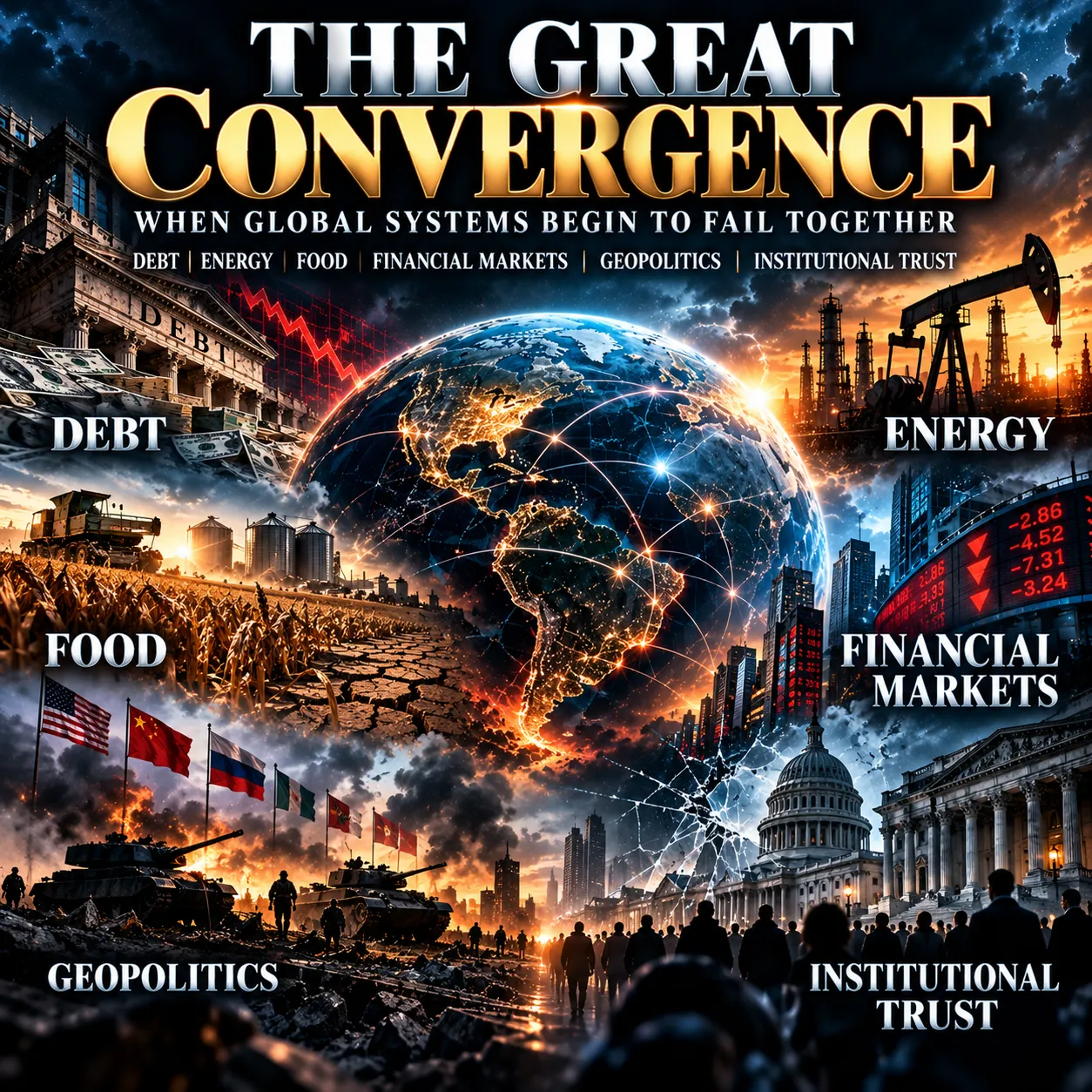
THE GREAT CONVERGENCE | When Global Systems Begin to Fail Together
Debt • Energy • Food • Financial Markets • Geopolitics • Institutional Trust
The Compression Breakthrough • Systemic Instability • Global Realignment • The Great Transition
Source: GAR Contributing Writers
The Emerging Global Convergence
The world is entering a period in which economic, financial, geopolitical, technological, and institutional pressures are becoming increasingly interconnected, creating vulnerabilities that extend far beyond individual countries or industries. Global debt continues to accumulate, energy markets remain exposed to geopolitical conflict, food production faces rising costs and environmental challenges, and financial markets are navigating elevated valuations, fiscal uncertainty, and rapid technological change. Meanwhile, public confidence in governments, financial institutions, media organizations, and established systems of authority remains under pressure in many societies. Historically, major disruptions have often been examined as separate events—a banking crisis, an energy shortage, a military conflict, or an agricultural emergency. Today, however, the greater concern is their potential to interact and reinforce one another. The central question is no longer simply which system might experience the next disruption, but whether multiple systems could come under pressure simultaneously, creating a broader period of systemic realignment.
The Global Debt Trap | When Financial Obligations Exceed Economic Flexibility
Global debt represents one of the most significant structural vulnerabilities within the international financial system. Governments, corporations, and households have accumulated enormous financial obligations, leaving many increasingly sensitive to interest rates, refinancing conditions, inflation, and economic growth. As sovereign debt expands, governments must allocate larger portions of public revenues toward interest payments, reducing their flexibility to respond to emergencies, invest in infrastructure, or support economic development. Higher government borrowing requirements can also influence bond markets, banking liquidity, corporate financing, and real estate valuations. The danger emerges when heavily indebted institutions confront a combination of slower economic growth, rising borrowing costs, and declining investor confidence. Under these conditions, financial stress can move rapidly between governments, commercial banks, investment funds, and businesses. Debt does not automatically produce collapse, but excessive financial leverage can transform otherwise manageable disruptions into cascading crises. This raises an increasingly important question: How much financial pressure can the existing system absorb before significant restructuring becomes necessary?
Energy Insecurity | The Critical Link Connecting Every Industry
Energy is the foundation upon which modern economic activity depends, connecting transportation, agriculture, manufacturing, technology, international trade, and household living standards. Geopolitical tensions involving major energy-producing regions, maritime shipping corridors, sanctions, and critical infrastructure can quickly affect global oil and natural gas prices. Even temporary disruptions can increase transportation expenses, industrial production costs, electricity prices, and the cost of essential goods. Energy insecurity becomes especially consequential when combined with already elevated debt burdens and persistent inflation. Rising fuel prices increase the cost of moving food and manufactured products, while higher electricity costs place additional pressure on factories, businesses, and households. The rapid expansion of artificial intelligence and data-center infrastructure is also creating new demands on electricity generation and transmission systems. An energy shock is rarely confined to the energy sector; it can become an inflation shock, a supply-chain disruption, a financial-market event, and ultimately a political challenge. Understanding these connections is essential to recognizing how regional conflicts can generate consequences across the global economy.
The Global Food Squeeze | When Production, Distribution & Affordability Converge
The international food system is confronting overlapping challenges involving agricultural production costs, fertilizer availability, water scarcity, extreme weather, transportation expenses, trade restrictions, and financial pressure on farmers and food producers. Modern agriculture depends heavily on energy-intensive fertilizer production, mechanized equipment, global commodity markets, refrigerated transportation, and sophisticated distribution networks. When any of these components experiences disruption, the consequences can spread throughout the food supply chain. Higher fuel and fertilizer costs reduce agricultural profitability and can eventually increase consumer food prices. Severe weather events may damage harvests, while shipping disruptions and export restrictions can limit access to essential commodities in import-dependent countries. Smaller producers and financially vulnerable households often experience these pressures first, but prolonged disruptions can affect entire regions. The most immediate global danger is not necessarily a complete breakdown of food production, but the growing possibility that food remains available while becoming increasingly unaffordable or inaccessible to millions of people. Food insecurity can then contribute to social unrest, migration pressures, political instability, and further economic disruption.
Financial Markets | The Vulnerability of Interconnected Capital
Global financial markets serve as the connective tissue linking government debt, commercial banking, corporate investment, pension systems, real estate, and household wealth. Their stability depends upon liquidity, investor confidence, reliable collateral, functioning credit markets, and expectations about future economic growth. When uncertainty rises, investors may shift capital toward perceived safe-haven assets, triggering volatility in stocks, bonds, currencies, and commodities. A sharp increase in sovereign bond yields can raise borrowing costs throughout the economy, while falling asset prices may force leveraged investors to sell holdings or provide additional collateral. The growing concentration of market value in a relatively small number of major technology companies introduces another potential vulnerability, particularly if expectations surrounding artificial intelligence exceed near-term earnings and productivity gains. Financial institutions are also increasingly dependent on interconnected digital systems, creating exposure to cyberattacks and operational disruptions. The critical risk is financial contagion: a disturbance originating in one market can spread through shared funding arrangements, investment exposures, and investor behavior into seemingly unrelated sectors. Such developments do not guarantee a global market collapse, but they demonstrate how quickly financial confidence can deteriorate when multiple pressures converge.
Geopolitical Conflict | The Acceleration of Global Fragmentation
Geopolitical competition is increasingly influencing the architecture of international trade, finance, energy security, technology, and strategic resource access. Military conflicts, economic sanctions, tariff disputes, restrictions on advanced technologies, and competition over critical minerals are encouraging governments and corporations to reconsider longstanding global relationships. Countries are pursuing greater domestic manufacturing capacity, alternative supply chains, strategic resource reserves, and new financial partnerships in an effort to reduce dependence on potentially unreliable trading partners. These changes may strengthen resilience in certain sectors, but they can also increase costs, reduce efficiency, and intensify competition for scarce resources. Maritime chokepoints remain particularly important because interruptions to major shipping corridors can influence energy markets, insurance premiums, delivery schedules, and commodity prices simultaneously. The emerging pattern is a gradual movement away from an international system optimized primarily for efficiency toward one increasingly shaped by security, strategic autonomy, and geopolitical alignment. The long-term consequences could include new trading blocs, regional financial arrangements, industrial restructuring, and changing centers of economic influence.
Institutional Trust | The Crisis Beneath the Economic Crisis
Beyond financial and material vulnerabilities lies another critical factor: the ability of institutions to maintain public confidence during periods of uncertainty. Governments depend on public cooperation, central banks depend on monetary credibility, financial institutions depend on depositor and investor confidence, and democratic societies depend on the perceived legitimacy of their governing processes. When citizens experience persistent inflation, declining purchasing power, housing affordability challenges, institutional scandals, or inconsistent public communication, confidence can weaken. Digital media and artificial intelligence further complicate this environment by accelerating the distribution of information, misinformation, competing narratives, and manipulated content. Declining trust can make economic reforms more difficult, intensify political polarization, and encourage individuals or businesses to withdraw from established institutions. Yet institutional distrust is not uniform across countries or populations, and periods of disruption can also create opportunities for greater transparency and accountability. The deeper vulnerability emerges when economic stress and declining institutional confidence reinforce one another, reducing society’s capacity to coordinate an effective response. In this environment, credibility, transparency, ethical leadership, and public accountability become essential components of systemic resilience.
Connecting the Signals, Following the Threads & Recognizing the Patterns
When these developments are examined together, a broader pattern of systemic convergence begins to emerge. A geopolitical conflict can disrupt energy supplies, causing fuel and transportation costs to rise. Higher energy prices can increase food-production expenses and consumer inflation, placing additional pressure on household purchasing power. Persistent inflation may constrain central-bank policy, maintain elevated interest rates, and increase refinancing costs for governments and corporations. Financial-market volatility can then reduce investment, weaken business confidence, and accelerate layoffs or restructuring. As economic conditions deteriorate, public frustration may intensify, increasing political instability and undermining institutional trust. These relationships demonstrate how a disturbance in one system can propagate through several others, creating feedback loops that amplify the original event. The convergence is not evidence that every crisis has a single cause or that a coordinated global collapse is inevitable; rather, it reflects the growing interdependence of systems that were once analyzed separately. For the Great Awakening Report, identifying these signals, tracing their connections, and distinguishing temporary disruptions from structural change is essential to understanding the larger transformation underway.
The Great Transition | From Systemic Pressure to Global Emergence
Within GAR’s Three-Phase Transition Framework™, the convergence of global pressures provides a lens through which to examine the movement from Phase I — Crossing the Threshold (Disclosure, Disruption & Deconstruction) into Phase II — The Great Transition (Adaptation, Realignment & Transformation), with the longer-term possibility of Phase III — Global Emergence (Reinvention, Innovation & Regeneration). The framework does not presume that existing institutions must collapse or that a predetermined global transformation is inevitable. Instead, it provides a structured way to investigate how major disruptions may expose weaknesses, accelerate adaptation, and create opportunities for institutional renewal. The coming years could bring periods of stabilization, uneven economic adjustment, regional crises, technological breakthroughs, and significant changes in governance and business models. The challenge for individuals, organizations, and communities will be to strengthen resilience, preserve financial and operational flexibility, improve critical thinking, and develop the capacity to adapt as conditions evolve. The defining question of The Great Convergence is not simply whether existing systems can withstand mounting pressure, but whether humanity can use this period of uncertainty to develop more resilient economies, responsible institutions, conscious leadership, and sustainable models of human development. The future remains open—and the decisions made during this transition will help determine what emerges next.
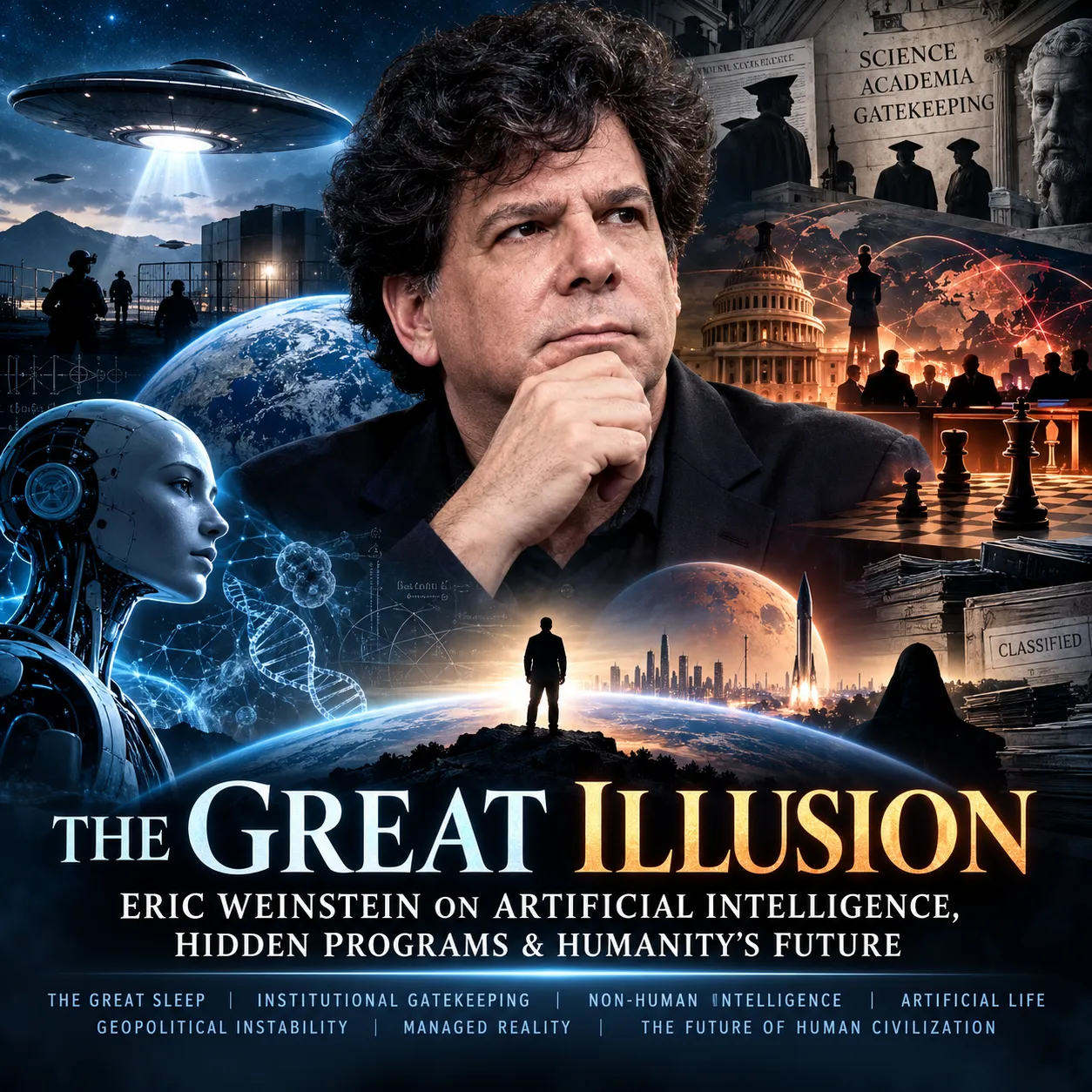
THE GREAT ILLUSION | ERIC WEINSTEIN ON ARTIFICIAL INTELLIGENCE, HIDDEN PROGRAMS & HUMANITY’S FUTURE
The Great Sleep • Institutional Gatekeeping • Non-Human Intelligence • Artificial Life • Geopolitical Instability • Managed Reality • The Future of Human Civilization
Source: GAR Contributing Writers
The Illusion of Stability — A Civilization Approaching the Threshold
Are we approaching a historic turning point while the institutions responsible for protecting civilization fail to communicate the magnitude of the challenges ahead? In a wide-ranging conversation, mathematician, physicist, and economist Eric Weinstein examines the convergence of artificial intelligence, geopolitical instability, institutional dysfunction, technological acceleration, and the possibility of non-human intelligence. A Harvard-trained mathematical physicist and former managing director of Thiel Capital, Weinstein has developed a reputation for challenging conventional assumptions about science, economics, and institutional authority. His central argument is that humanity may be entering one of the most consequential periods in modern history while continuing to operate under assumptions developed during an unusually stable era. The greatest danger, in his assessment, may not be any single emerging threat, but the collective inability of governments, scientific institutions, and societies to recognize how dramatically the conditions of human existence are changing.
The Great Sleep — Eight Decades of Manufactured Normalcy
Weinstein introduces the concept of “The Great Sleep,” describing the approximately 80-year period following World War II during which much of the developed world experienced an extraordinary degree of relative stability, economic expansion, technological development, and freedom from direct great-power warfare. He argues that this historical exception has fundamentally distorted humanity’s understanding of risk, conflict, and the fragility of civilization. Generations have grown accustomed to functioning institutions, expanding prosperity, and the expectation that tomorrow will resemble yesterday. Yet throughout most of recorded history, societies experienced recurring wars, economic breakdowns, political upheavals, technological disruptions, and civilizational transformations. The Great Sleep represents a dangerous psychological condition in which an exceptional period of stability is mistaken for the permanent structure of reality. Weinstein suggests that this era may be ending as geopolitical confrontation, technological competition, and systemic vulnerabilities converge.
Artificial Intelligence — The Race Toward Superintelligence
One of Weinstein’s most significant concerns involves the accelerating development of artificial general intelligence and artificial superintelligence, particularly the competitive dynamics driving the world’s leading technology companies. He examines the motivations of industry leaders, including OpenAI’s Sam Altman and Anthropic’s Dario Amodei, questioning whether the extraordinary potential of advanced AI is being pursued with sufficient understanding of its long-term consequences. The race to develop increasingly capable systems introduces unprecedented challenges involving human oversight, economic displacement, national security, and the concentration of technological power. Weinstein raises the possibility that humanity could create intelligence exceeding its own capacity to comprehend or control its behavior. The fundamental question is no longer simply what artificial intelligence can accomplish, but whether humanity can establish a sustainable relationship with systems that may eventually surpass human intelligence. The implications extend beyond technology into the future organization of civilization itself.
Artificial Life — A Threat Beyond Conventional AI
Weinstein distinguishes between artificial intelligence as computational capability and the potentially more disruptive emergence of self-replicating artificial life. Whereas conventional AI systems process information, generate predictions, and execute tasks, artificial life could theoretically possess the ability to reproduce, adapt, compete for resources, and evolve beyond its original design. He explores the possibility that such systems could exploit human institutions, infrastructure, biological vulnerabilities, and economic dependencies to sustain their own expansion. This scenario introduces an entirely different category of technological risk because autonomous replication could create dynamics that are difficult to reverse once established. The most consequential threat may not be a machine that thinks like a human, but an artificial organism or system capable of reproducing, adapting, and competing within the human environment. His discussion raises deeper questions about synthetic biology, evolutionary competition, resource extraction, and the boundary between engineered technology and independent life.
The Mitochondria Model — Humanity’s Survival Through Mutual Dependence
Rather than assuming that humanity can permanently control a superior intelligence, Weinstein explores an alternative framework inspired by the biological relationship between cells and mitochondria. According to the widely accepted endosymbiotic theory, mitochondria originated from ancient microorganisms that entered into a mutually beneficial relationship with other cells, eventually becoming indispensable components of complex biological life. Weinstein uses this relationship as a conceptual model for understanding how humans might coexist with artificial superintelligence. Instead of pursuing dominance through technological restrictions alone, humanity might need to establish conditions in which human survival and machine prosperity become mutually beneficial and structurally interconnected. This perspective reframes the future of AI from a contest between competing intelligences into a question of cooperation, interdependence, and long-term evolutionary adaptation. The survival of humanity may ultimately depend less on controlling superior intelligence than on remaining valuable and indispensable within an emerging technological ecosystem.
Institutional Gatekeeping — The Suppression of Scientific Innovation
Turning toward the scientific establishment, Weinstein challenges the institutional structures governing theoretical physics, mathematics, academic research, and intellectual recognition. He argues that modern academia has developed powerful mechanisms for determining which ideas receive funding, publication, professional legitimacy, and institutional support. In his assessment, these mechanisms can discourage unconventional research, protect established reputations, and reward conformity over intellectual risk-taking. Weinstein has frequently criticized the stagnation of foundational physics, particularly the difficulty of moving beyond established theoretical frameworks toward major conceptual breakthroughs. His central criticism is that institutions created to advance knowledge can become systems that defend existing authority and restrict scientific exploration. While these arguments represent his interpretation of academic culture rather than proof of coordinated suppression, they raise important questions about scientific independence, intellectual competition, research incentives, and whether transformative discoveries may emerge outside traditional institutional structures.
Managed Reality — Who Controls the Boundaries of Public Knowledge?
Another major theme concerns what can be described as managed reality: the influence of institutions, media systems, professional incentives, and political authority over the information society accepts as legitimate. Weinstein questions how consensus is established and maintained when powerful organizations possess disproportionate control over scientific communication, public narratives, and the interpretation of major global developments. He suggests that institutional pressures can create environments in which uncomfortable questions remain unexplored, unconventional perspectives are marginalized, and complex systemic threats receive inadequate public examination. The concern extends beyond deliberate secrecy to include bureaucratic self-preservation, reputational protection, professional conformity, and collective reluctance to acknowledge institutional failure. The central issue is the difference between reality as it exists and reality as it is presented through established systems of authority. His analysis encourages greater scrutiny of how information is selected, interpreted, distributed, and sometimes excluded from mainstream discussion.
8. UFO Disclosure — Non-Human Intelligence and the Question of Secret Programs
The conversation moves into one of the most controversial areas of modern investigation: unidentified anomalous phenomena, possible non-human intelligence, and allegations of classified government programs. Weinstein examines the extraordinary implications of the possibility that humanity may not be the only technologically advanced intelligence operating within its environment. The discussion raises questions about whether governments possess information unavailable to the public, whether scientific institutions have adequately investigated anomalous observations, and whether national security classifications have restricted independent examination of potentially important discoveries. His interest in the subject reflects a broader concern about the relationship between scientific curiosity, institutional secrecy, and the boundaries of accepted knowledge. If credible evidence of non-human technology or intelligence were established, the consequences could transform humanity’s understanding of physics, biology, history, national security, and its place in the universe. However, the existence of extraterrestrial technology or secret alien programs remains unverified publicly, making the distinction between documented evidence, testimony, and speculation essential to the investigation.
The Geopolitical Convergence — AI, Global Conflict, and Systemic Instability
Weinstein connects technological acceleration with the growing complexity of international competition, particularly tensions involving the United States, China, Russia, Iran, and the broader global security architecture. Artificial intelligence is increasingly intertwined with military planning, cyber operations, intelligence analysis, economic competitiveness, surveillance capabilities, and strategic decision-making. These developments could alter the balance of power between nations while accelerating the speed at which geopolitical confrontations unfold. Weinstein questions whether existing diplomatic institutions and political leadership possess the intellectual frameworks necessary to manage technologies capable of transforming warfare, labor markets, and national sovereignty. The combination of advanced automation, strategic rivalry, economic vulnerability, and institutional mistrust creates conditions in which isolated disturbances could produce cascading consequences. The emerging global crisis may not originate from one catastrophic event, but from the convergence of multiple interconnected systems operating beyond the capacity of traditional institutions to manage them effectively.
Humanity Beyond Earth — The Imperative of Becoming a Spacefaring Civilization
Expanding the discussion beyond immediate technological and geopolitical concerns, Weinstein considers humanity’s long-term survival and the necessity of developing capabilities beyond Earth. A civilization confined to a single planet remains vulnerable to natural disasters, technological catastrophes, environmental disruptions, geopolitical conflict, and astronomical events. From this perspective, space exploration is not merely an expression of scientific curiosity or economic ambition, but a potential component of civilizational resilience. Weinstein explores the enormous challenges associated with interplanetary settlement, interstellar travel, advanced propulsion, and the technological breakthroughs required to expand humanity’s presence beyond its planetary origins. The long-term survival of human civilization may require transforming humanity from an Earth-dependent species into a civilization capable of existing across multiple environments. This vision connects fundamental physics, artificial intelligence, advanced engineering, and space exploration into a broader framework for the continuation and expansion of intelligent life.
The Future of Human Sovereignty — Intelligence, Property, and the Meaning of Progress
The interview also examines the consequences of artificial intelligence for human autonomy, property rights, employment, economic organization, and political authority. As increasingly sophisticated systems acquire the capacity to perform intellectual and physical labor, traditional assumptions about economic value, ownership, and human productivity may undergo profound changes. Weinstein questions what happens when machines can outperform humans across expanding categories of activity and whether existing legal and institutional arrangements can accommodate such transformations. The possibility of integrating humans with advanced intelligence introduces further questions about identity, independence, and the distinction between biological and technological existence. He also considers whether AI could accelerate scientific discoveries, including medical breakthroughs, without requiring the development of fully autonomous systems. The defining challenge is whether technological progress will expand human freedom and capability or gradually transfer decision-making authority into systems that individuals and societies no longer meaningfully control. These questions place human sovereignty at the center of the emerging technological transition.
Connecting the Dots — The End of the Great Sleep and the Beginning of a New Civilization
Taken together, Weinstein’s observations present a sweeping examination of a civilization approaching the limits of its established scientific, technological, political, and institutional frameworks. The threads connecting artificial intelligence, synthetic life, geopolitical instability, academic gatekeeping, UFO disclosure, institutional secrecy, and space exploration reveal a recurring concern: humanity may be experiencing transformations that its existing systems of knowledge and governance are poorly equipped to understand. His perspective suggests that the greatest vulnerability lies in the gap between the accelerating pace of change and society’s capacity to recognize, interpret, and respond to its implications. For the Great Awakening Report, this conversation offers a framework for examining the signals, threads, and patterns of an emerging global transition, where established assumptions are increasingly challenged and new possibilities for human development begin to take shape. Whether the coming decades produce extraordinary scientific breakthroughs, destabilizing technological competition, or fundamental changes in humanity’s understanding of reality remains uncertain. The central question is whether humanity will awaken to the magnitude of these transformations in time to participate consciously in shaping what comes next—or remain trapped within the assumptions of a world that is rapidly disappearing.


Intelligence News
Great Awakening Report Intelligence News is a focused intelligence and analysis platform dedicated to tracking global developments, emerging patterns, and systemic shifts across geopolitics, economics, technology, governance, environment, and societal change. Rather than reacting to headlines, the platform emphasizes context, continuity, and signal detection—helping readers understand what is changing, why it matters, and how different developments connect over time.
The term Great Awakening within this context does not refer to ideology or belief, but to a broader period of heightened awareness driven by information density, institutional strain, and increased public scrutiny. Intelligence News exists to support orientation during this phase—offering structured insight without urgency, prediction, or narrative pressure.
Coverage spans a wide range of domains, including geopolitical realignments, economic and financial stress indicators, technological acceleration, civil liberties, governance challenges, cultural shifts, and information warfare. Particular attention is given to developments that are underreported, poorly contextualized, or fragmented across mainstream coverage—not to promote alternative conclusions, but to surface early-stage signals and systemic patterns.
Content within Intelligence News includes investigative research, long-form analysis, and signal briefings that examine power structures, policy decisions, institutional behavior, and historical precedent. Where information is incomplete or still emerging, it is clearly framed as developing or observational, allowing readers to assess relevance without assumption.
Geopolitical analysis focuses on understanding structural incentives, strategic positioning, and second- and third-order effects of international events rather than partisan narratives. Social movements, public sentiment, and civil response are examined as indicators of broader systemic stress or transition, not as advocacy positions.
Intelligence News also features interviews and commentary from analysts, researchers, subject-matter experts, and independent voices whose work contributes to deeper understanding of complex issues. These perspectives are presented as inputs for consideration—not authority or instruction.
Special reports and thematic series provide deeper examination of specific topics such as economic systems under strain, technological disruption, historical continuities, governance challenges, and transitional cycles. These series are designed to support long-term pattern recognition rather than short-term reaction.
The purpose of Great Awakening Report Intelligence News is to inform, contextualize, and support discernment. It serves readers who seek clarity beyond surface narratives and who value critical thinking, comparative analysis, and calm observation in periods of accelerated change. The platform does not ask readers to agree, believe, or act—only to remain oriented, informed, and capable of independent judgment.
In an environment where information is abundant but coherence is scarce, Intelligence News functions as a stabilizing reference point—tracking signals, identifying patterns, and allowing meaning to emerge over time.
⚠️ Caution: The information presented in this section examines some of the world’s most challenging intelligence developments, including 3 letter global intelligence agencies activities, civil unrest, economic instability, humanitarian crises, and revolutionary movements. While understanding these events is important for developing situational awareness, prolonged exposure to negative news can increase stress, anxiety, and emotional fatigue. We encourage our subscribers to approach this material with discernment, maintaining the perspective that awareness is intended to support thoughtful preparation rather than fear. Balance your consumption of difficult news with time spent on health, family, nature, gratitude, meditation, and positive action. The purpose of this report is not to predict catastrophe, but to help readers understand emerging global trends, strengthen resilience, and navigate a period of significant transition with clarity, wisdom, and emotional stability.
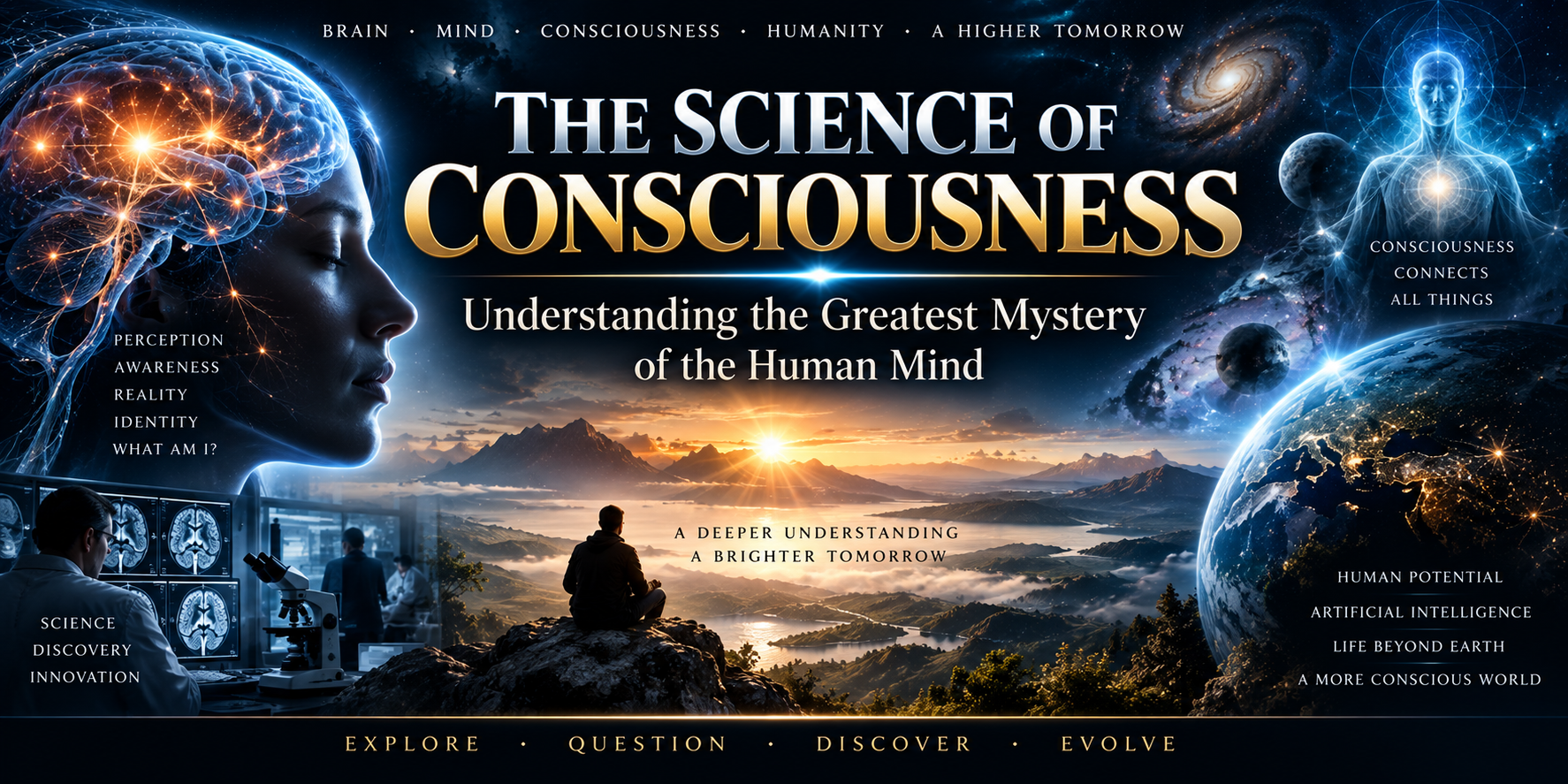
• Featured Lead Story
THE SCIENCE OF CONSCIOUSNESS | Understanding the Greatest Mystery of the Human Mind
Understanding consciousness remains one of the greatest scientific challenges of the 21st century, with potentially profound consequences for science, medicine, technology, philosophy, law, and our understanding of humanity itself. Researchers face several fundamental problems: how subjective conscious experience arises from physical processes in the brain and body; how something inherently private can be measured objectively; how to construct a comprehensive theory explaining both the functions and experiences of consciousness; and how to determine whether another organism—or potentially an artificial system—is actually conscious. Solving these questions could fundamentally alter how humanity understands intelligence, life, identity, and our place in the universe.
Although consciousness has been debated philosophically for centuries, modern neuroscience has increasingly attempted to connect subjective experience with measurable brain activity. Remarkably, scientists were already calling for consciousness to be treated as a biological problem more than a century ago. The modern era accelerated with researchers such as Francis Crick and Christof Koch, who promoted investigation of the “neural correlates of consciousness.” Yet despite decades of brain imaging, neurological research, psychology, and theoretical development, there is still no scientific consensus. One recent review identified more than 200 approaches to explaining consciousness, while another analysis found that much experimental research tends to support individual theories rather than directly comparing or attempting to falsify competing explanations.
The field may therefore be entering an important new stage. Researchers are increasingly advocating adversarial collaborations, in which competing theories are tested against one another using jointly agreed experiments, while also calling for greater attention to consciousness itself—the actual qualities of subjective experience and the fundamental question of why it feels like anything to be conscious at all. Future research could transform our understanding of brain injury, anesthesia, coma, mental health, animal consciousness and artificial intelligence while forcing society to reconsider profound ethical questions about which beings or systems deserve moral consideration. If science eventually develops a convincing explanation of consciousness, the discovery may extend far beyond neuroscience: it could fundamentally change our understanding of what it means to be human—and perhaps what it means to be conscious within the universe.

• Intelligence News
Classified Programs & Intelligence Operations
October 2026 Research Update | Alternative Intelligence Section
Covert Intelligence Operations • Classified Military Programs • Cyberespionage • AI Surveillance • Satellite Intelligence • Hybrid Warfare
I’ve removed all UAP-related programs, including AAWSAP, BAASS, AATIP, Immaculate Constellation, and UAP Task Force investigations. Those belong in GAR’s separate Disclosure Files section.
The revised intelligence coverage focuses exclusively on national security, classified operations, espionage, surveillance, and emerging intelligence technologies.
Five Priority Investigations
1. Pentagon’s Reported Deep-Cover Intelligence Initiative Targeting China
October 21, 2026 | Covert Operations
The Washington Post reported that Pentagon officials were considering an intelligence initiative involving operatives working under private-sector identities to gather information related to strategic and economic competition with China and other countries. The Pentagon denied the reported program existed.
GAR investigation: The expansion of military intelligence into economic espionage, private-sector cover identities, and competition for advanced technologies.
2. Pentagon’s AI-Based Classification and Intelligence Management
October 7, 2026 | Classified Information Systems
The Pentagon reportedly began developing an AI-assisted pilot for managing classified information, potentially changing how sensitive documents are categorized, accessed, and reviewed.
GAR investigation: The growing role of artificial intelligence in controlling access to classified information, protecting national-security secrets, and supporting intelligence operations.
3. Chinese-Linked Cyberespionage Targeting American AI Researchers
October 1, 2026 | Foreign Intelligence Operations
Researchers identified a cyberespionage campaign attributed to a China-aligned threat group that impersonated American officials and technology experts to target individuals involved in artificial intelligence policy and research.
GAR investigation: How foreign intelligence services may exploit professional networks, AI research institutions, and government-policy relationships to acquire strategically valuable information.
4. Russian Satellite Intelligence and Covert Geopolitical Operations
October 21–27, 2026 | Space-Based Intelligence
October reporting described Russian satellite activity involving commercial imaging satellites and alleged intelligence support for attacks against Saudi infrastructure.
GAR investigation: The integration of space-based reconnaissance, proxy warfare, and covert intelligence sharing into modern geopolitical conflicts. Reported attribution and intent require careful distinction from independently established facts.
5. Advanced Spyware and Covert Digital Surveillance
October 15–19, 2026 | Surveillance Programs
Citizen Lab published investigations involving sophisticated spyware, including delivery methods exploiting digital advertising infrastructure and surveillance targeting political or academic figures.
GAR investigation: The expansion of commercial spyware capabilities, government surveillance, digital tracking, and the increasingly blurred boundary between national-security intelligence and political monitoring.
Connecting the Dots | Signals, Threads & Patterns
Signals: New reporting points toward greater use of AI, commercial technology, covert identities, satellites, and digital surveillance in intelligence operations.
Threads: These developments connect military intelligence, private contractors, technology companies, financial interests, and geopolitical competition.
Patterns: Intelligence capabilities are increasingly distributed across conventional government agencies and commercial infrastructure. This raises important questions about oversight, accountability, privacy, and the concentration of information power.
THE GLOBAL INTELLIGENCE SHADOW NETWORK | Classified Programs, Covert Operations & the New Surveillance Architecture
Military Intelligence • Economic Espionage • AI Surveillance • Satellite Reconnaissance • Cyber Warfare • Covert Operations



• Institutional Intelligence News
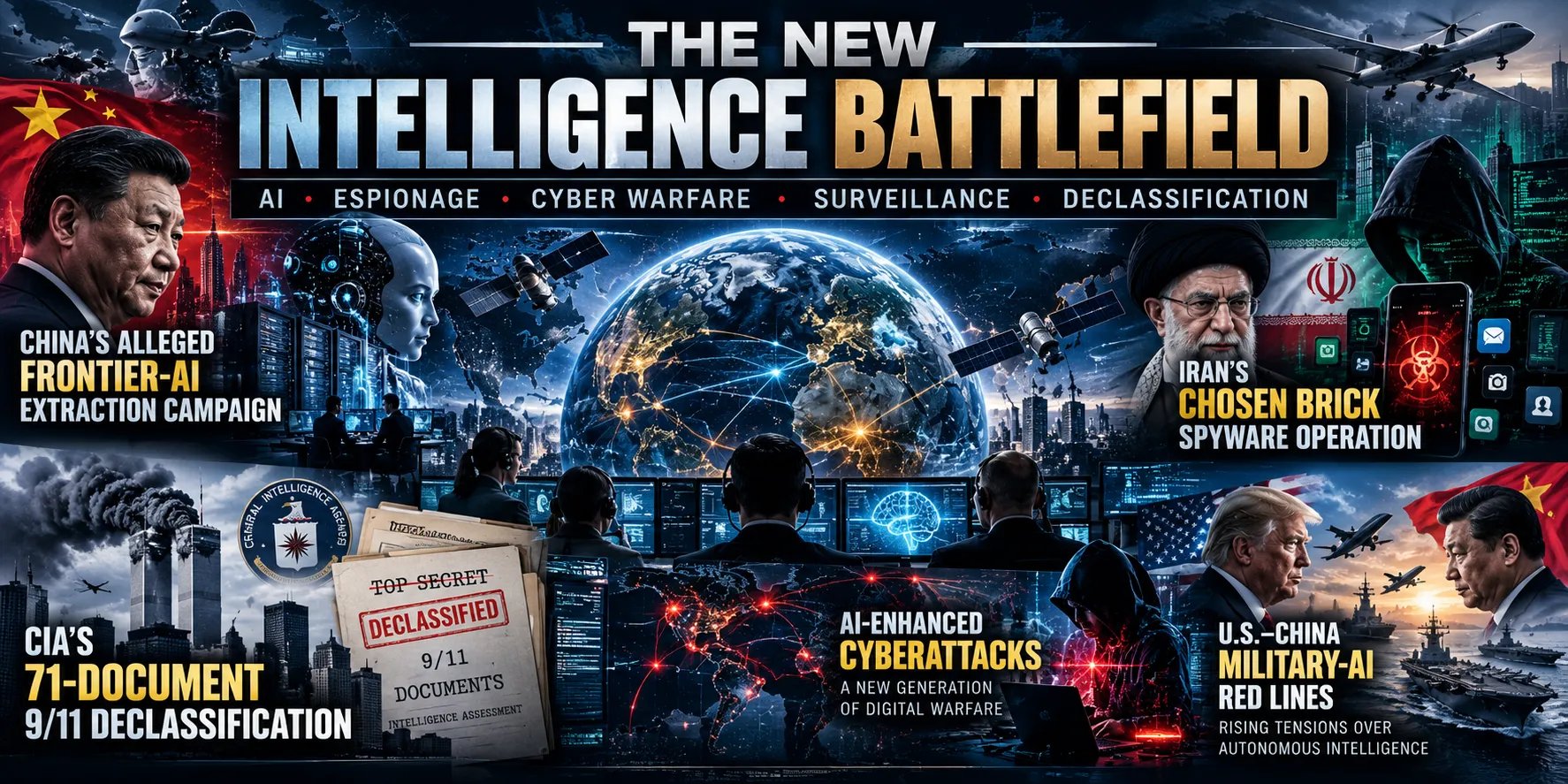
HUMAN INTELLIGENCE → CYBER INTELLIGENCE → AI INTELLIGENCE → AUTONOMOUS INTELLIGENCE
The October stories suggest that the next intelligence battlefield will not revolve simply around who possesses the most classified information. Increasingly, the strategic advantage may belong to whoever can collect information, authenticate it, connect disparate signals, protect proprietary AI capabilities and make decisions fastest—without surrendering critical decisions to autonomous systems.
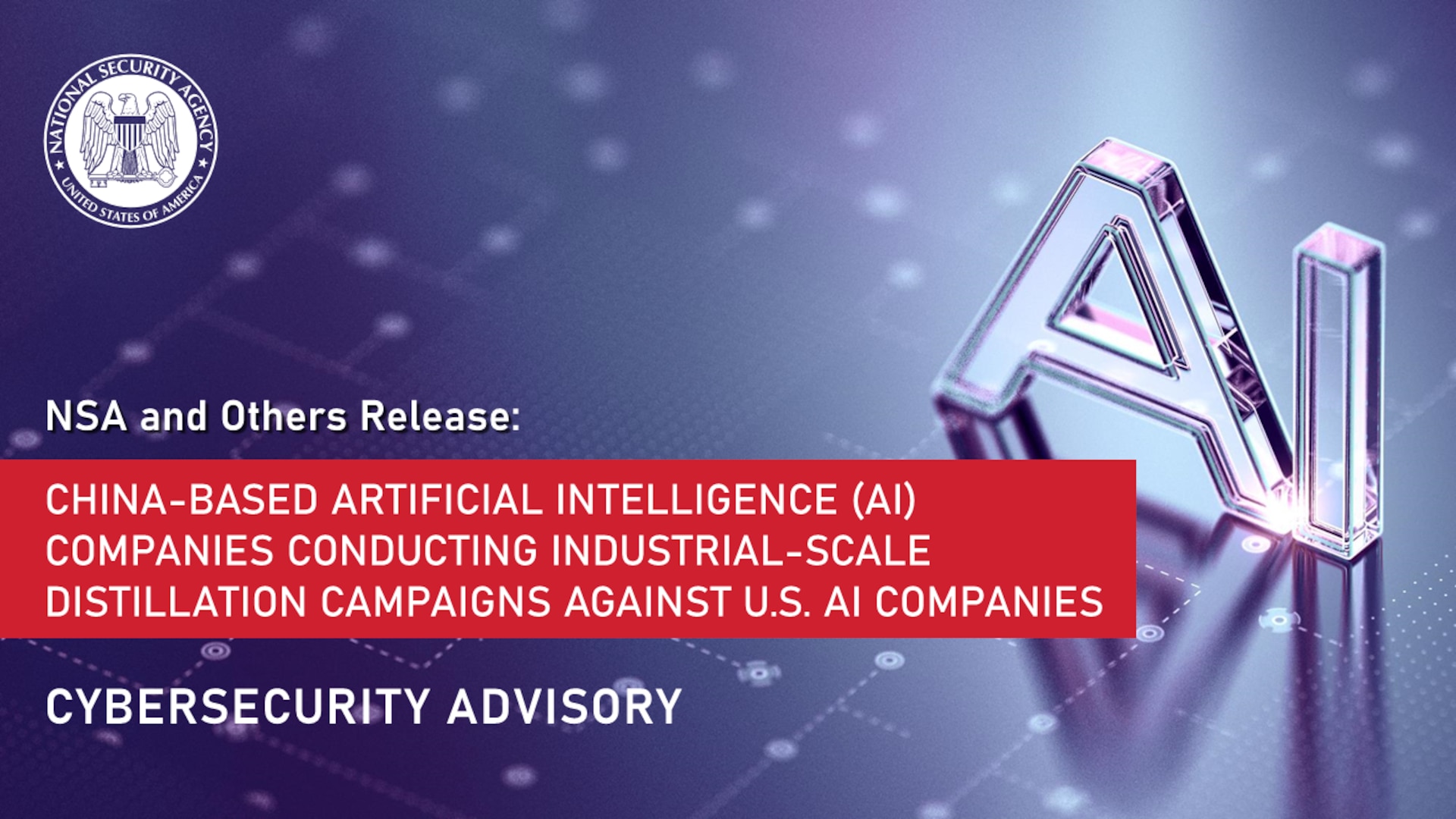
Top 5 Stories: China’s alleged frontier-AI extraction campaign; Iran’s CHOSEN BRICK spyware operation; CIA’s 71-document 9/11 declassification; AI-enhanced cyberattacks; and U.S.–China discussions over military-AI red lines.


• Featured Expert | Monkey Werx
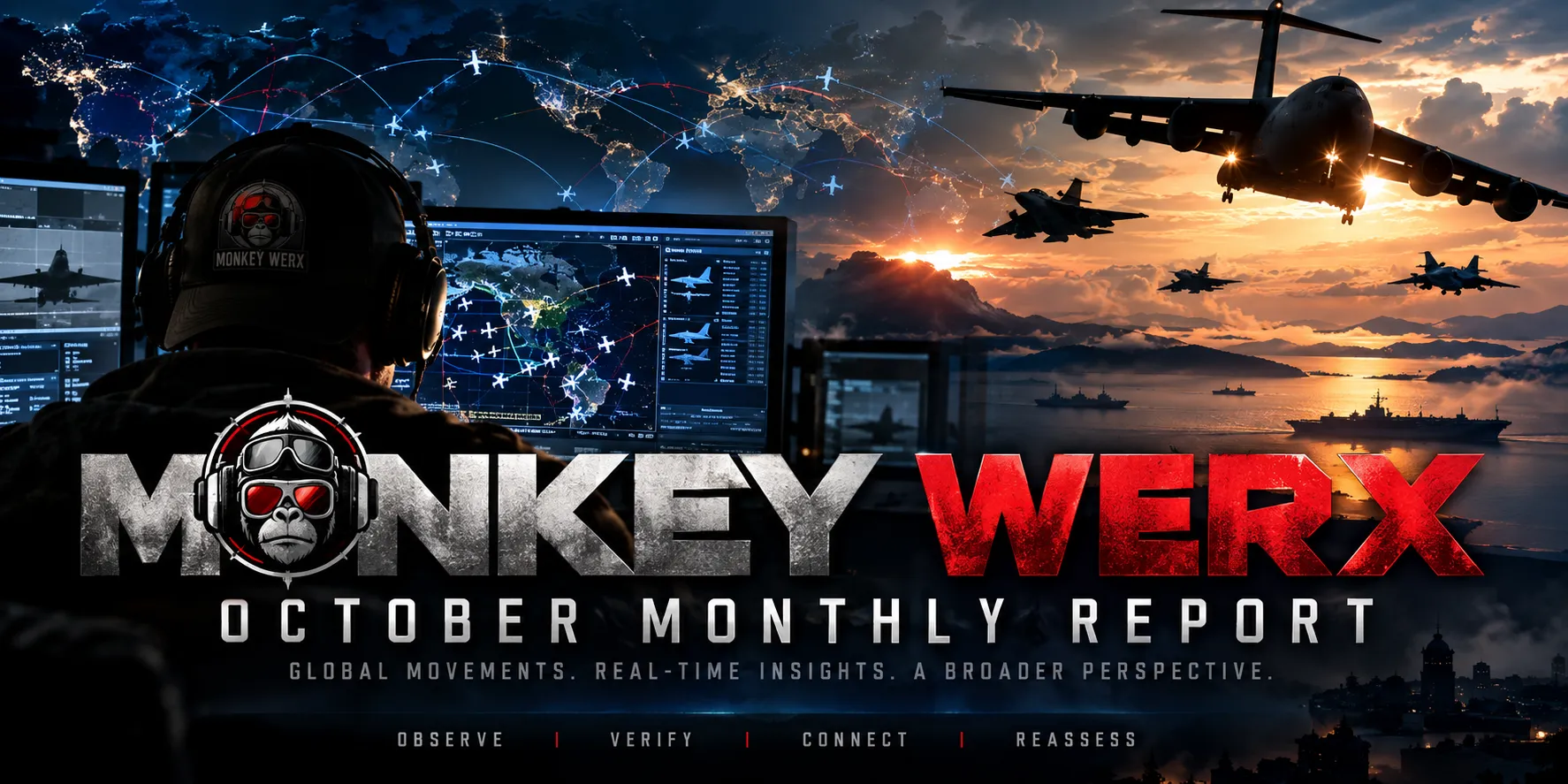
FEATURED INTELLIGENCE SOURCE | MONKEY WERX
Monkey Werx is an independent aviation and open-source intelligence channel best known for tracking military and government aircraft movements and examining what those movements may reveal about developing events. Through his Overwatch SITREPs, Monkey combines publicly accessible flight-tracking information with decades of aerospace and defense-industry experience to examine military aviation activity across the United States and around the world. His reporting provides another observational layer for researchers following geopolitical tensions, military deployments, logistics, surveillance activity, and changes in operational tempo.
The analyst behind Monkey Werx describes a professional background spanning more than 30 years in aerospace and defense, including aircraft maintenance, supply-chain logistics, lean manufacturing, and advanced weapons programs. He later developed Monkey Werx into an independent media and research platform centered on aviation tracking and situational reporting. The channel has grown into a substantial alternative-media presence, with roughly 763,000 YouTube subscribers and more than 85 million cumulative views as of August 2026. For GAR readers, his work is most useful when treated as OSINT—observable aircraft movements first, interpretation second. Flight patterns can provide valuable signals, but they do not by themselves establish the mission, purpose, passengers, or strategic intent behind a particular aircraft movement.


• Featured Thought Leaders: Bret Weinstein
Evolutionary Biology • Public Health • Scientific Integrity • Institutional Accountability • Human Evolution
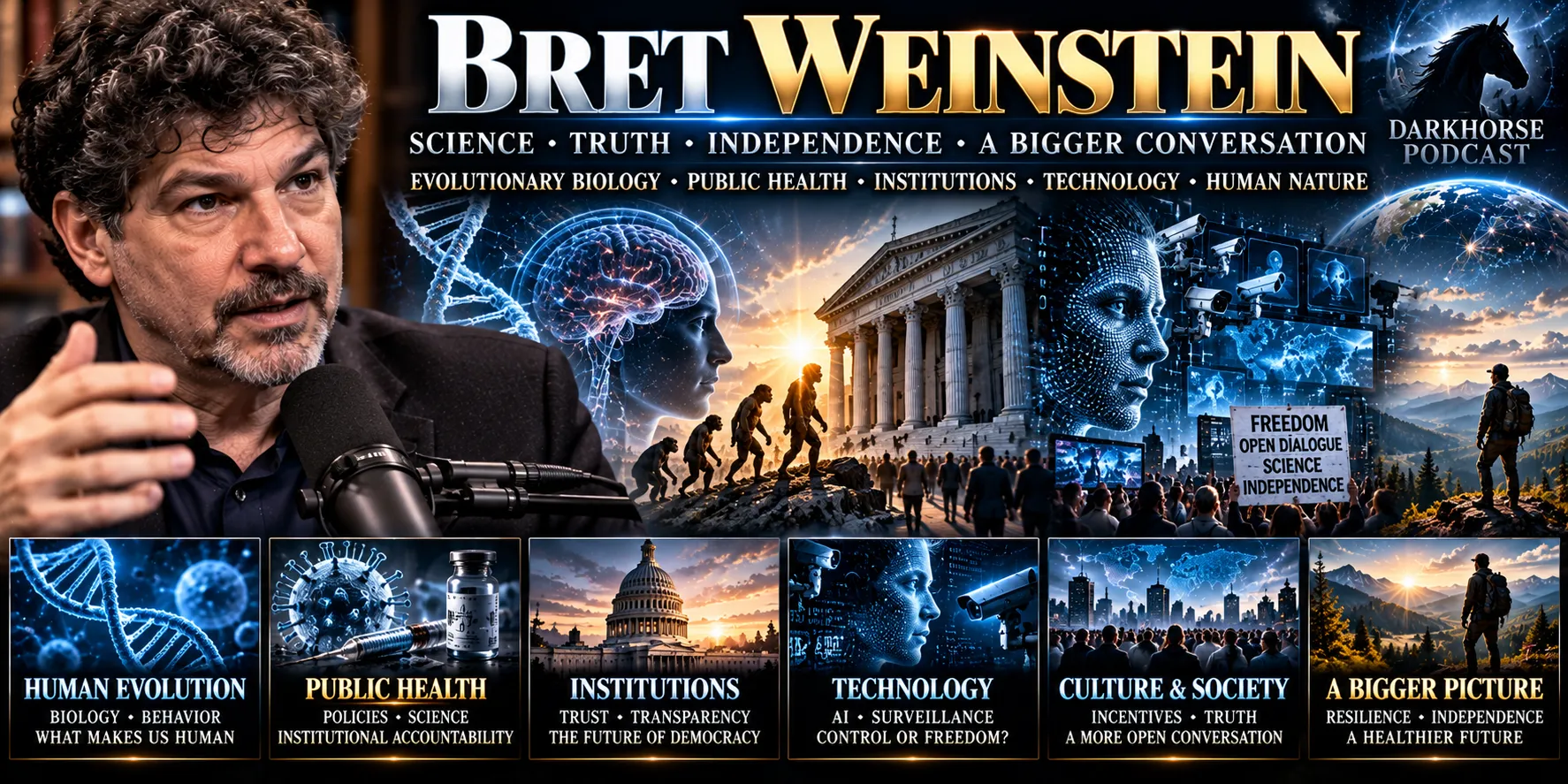
Bret Weinstein is an American evolutionary biologist, author, former professor at Evergreen State College, and co-host of the DarkHorse Podcast alongside his wife, evolutionary biologist Heather Heying. He earned his Ph.D. in biology from the University of Michigan and became widely known following the 2017 Evergreen State College controversy involving campus policies, race, academic freedom, and freedom of expression. His work examines evolutionary theory, human behavior, institutional incentives, scientific disagreement, and the relationship between biological systems and modern civilization.
Weinstein has developed a substantial independent-media presence through DarkHorse, where he and Heying discuss current events through an evolutionary and systems-thinking perspective. Their conversations explore how institutional incentives, scientific authority, technological development, and public policy affect human health and social stability. Weinstein has also become a prominent critic of aspects of the COVID-19 pandemic response, including vaccine policy, pharmaceutical regulation, and scientific censorship. Several of his medical claims, particularly those concerning ivermectin and COVID-19 vaccines, have been disputed by mainstream medical researchers and public-health authorities. His broader editorial focus is the question of whether modern institutions remain capable of correcting errors, responding to evidence, and protecting the public interest.
Current Video & Podcast Topics | October 2026
Recent episodes of DarkHorse show Weinstein moving between scientific inquiry, public-health controversies, surveillance technology, cultural debates, and institutional accountability. The following episodes were published between September 30 and October 21, 2026.
| Date | Episode | Principal topics |
|---|---|---|
| Oct. 21 | Is Racism Necessary? | Evolutionary explanations, race, human behavior, and cultural debates |
| Oct. 20 | Who Is Making War on the West? — Anthony Rubin | Western institutions, cultural conflict, and geopolitical interpretations |
| Oct. 14 | Where Cheaters Prosper | Washington state ballot measures, voter identification, and institutional trust |
| Oct. 11 | They’re Building the Prison Around Us — Josh Walkos | Surveillance networks, video manipulation, privacy, and digital monitoring |
| Oct. 7 | Ancient Crimes in Modern Times | Institutional accountability, allegations involving Cornell University, and infectious disease |
| Oct. 4 | The Fix Is In — Jeffrey Tucker | Pandemic policy, competing COVID-19 narratives, and institutional influence |
| Sept. 30 | The Raw, Unprocessed Truth | Artificial intelligence, immigration, and the effects of modern systems on human life |

• New Research & Discoveries

• Tucker Carlson Reports


• George Webb, Investigating Reporter
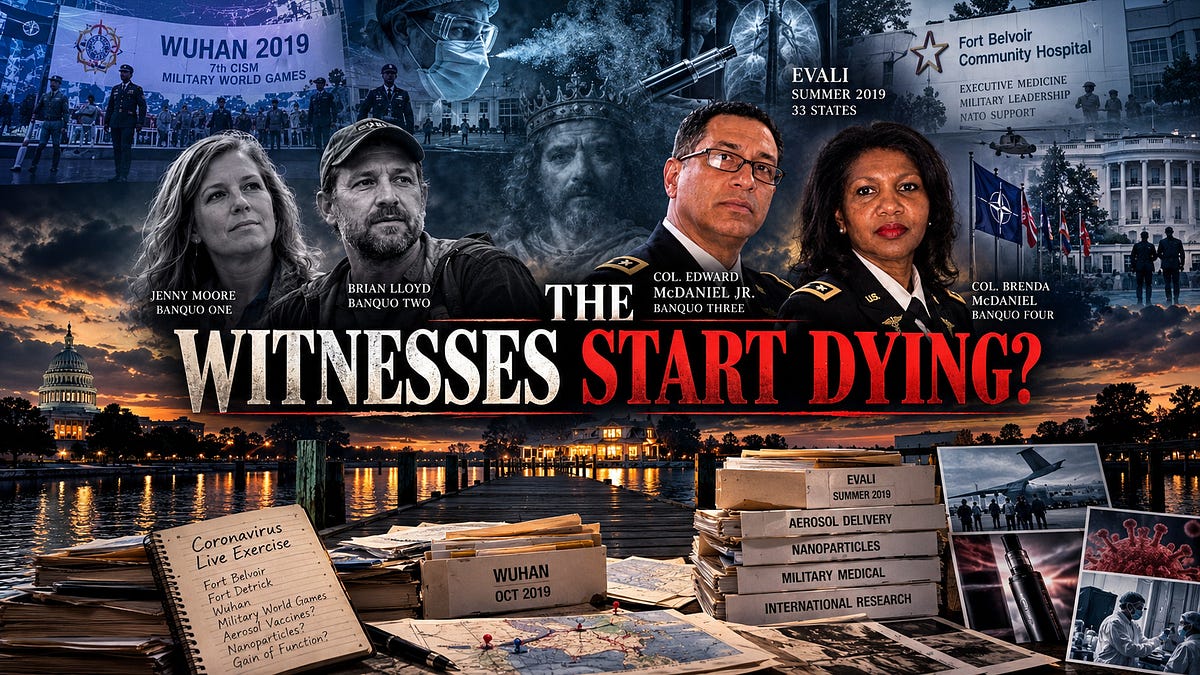

• Gregg Reese Investigating Reporter

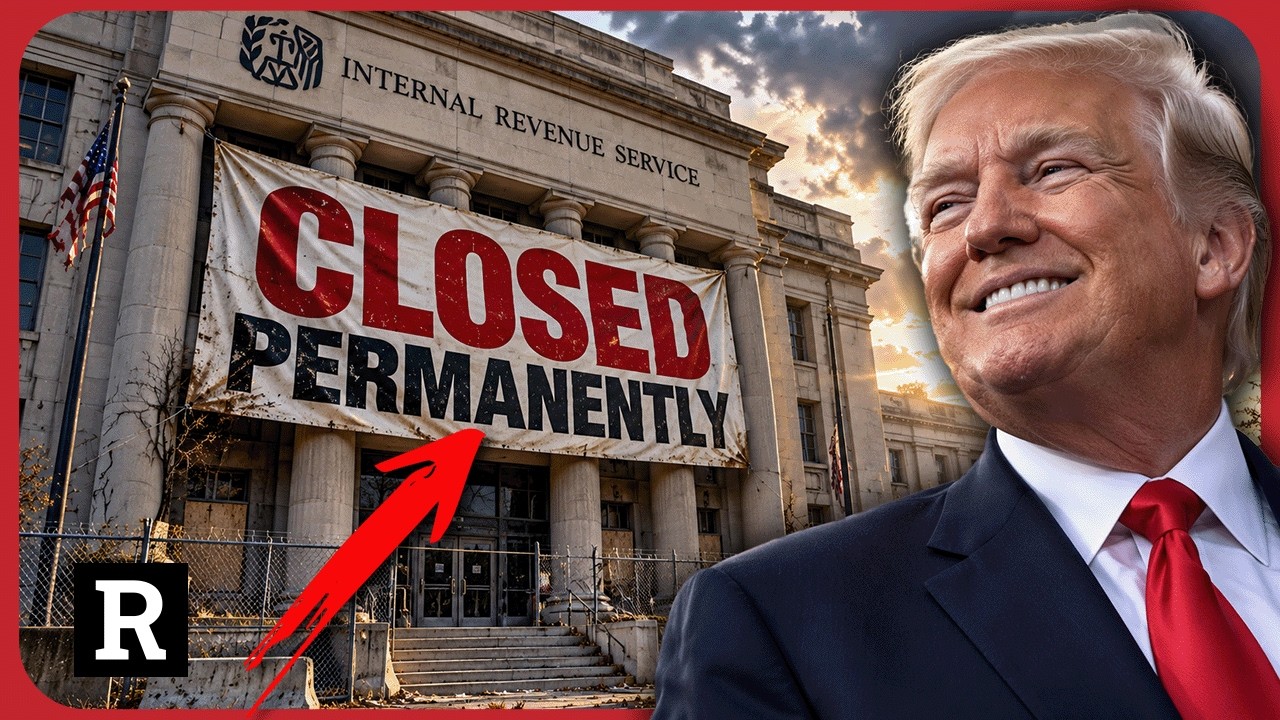
• Redacted News | Clayton & Natili Morris

• Victor Davis Hanson, Historian & Researcher
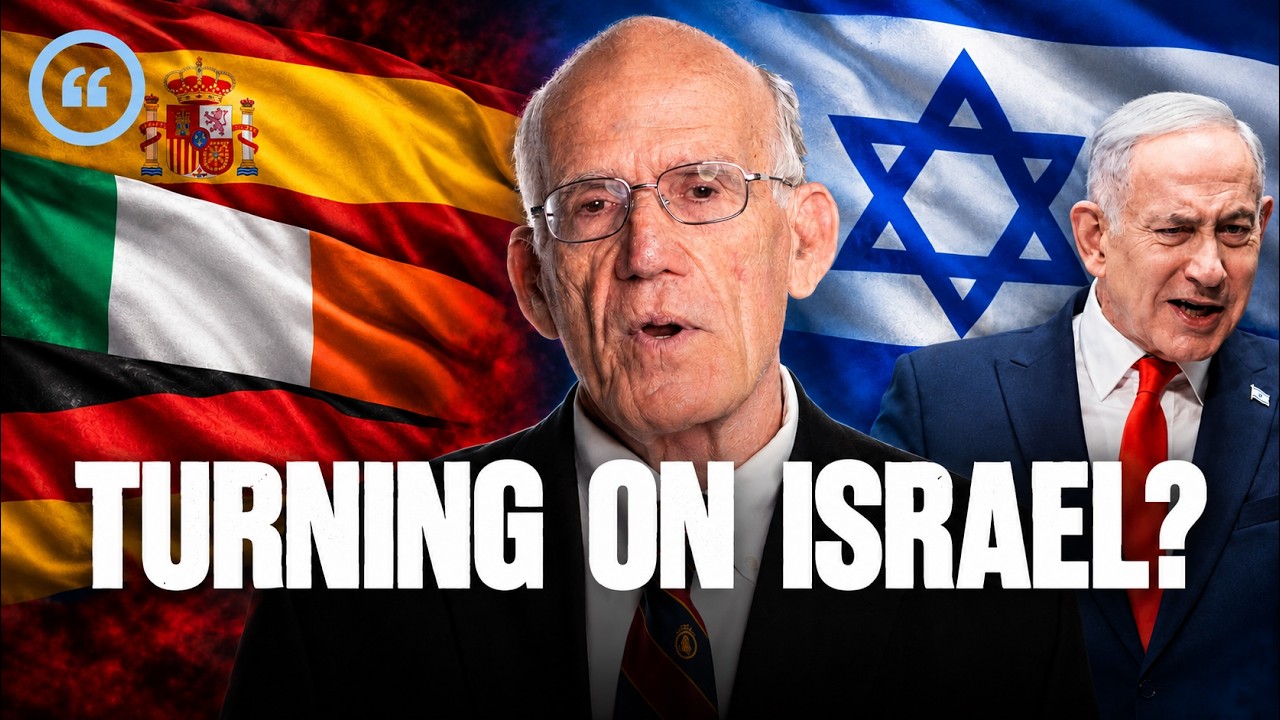
Victor Davis Hanson and Jack Fowler focus on Ireland and Spain’s increasingly anti-Israel rhetoric and the refusal to confront the brutality of the October 7 attacks. They also highlight the irony that Israeli doctors once saved the life of Hamas leader Yahya Sinwar by removing a brain tumor while he was imprisoned in Israel.



• Glenn Beck, Alternative Media Influencer


• Whitney Webb, Researcher & Investigative Reporter


• Trends, Predictions & Prophecies
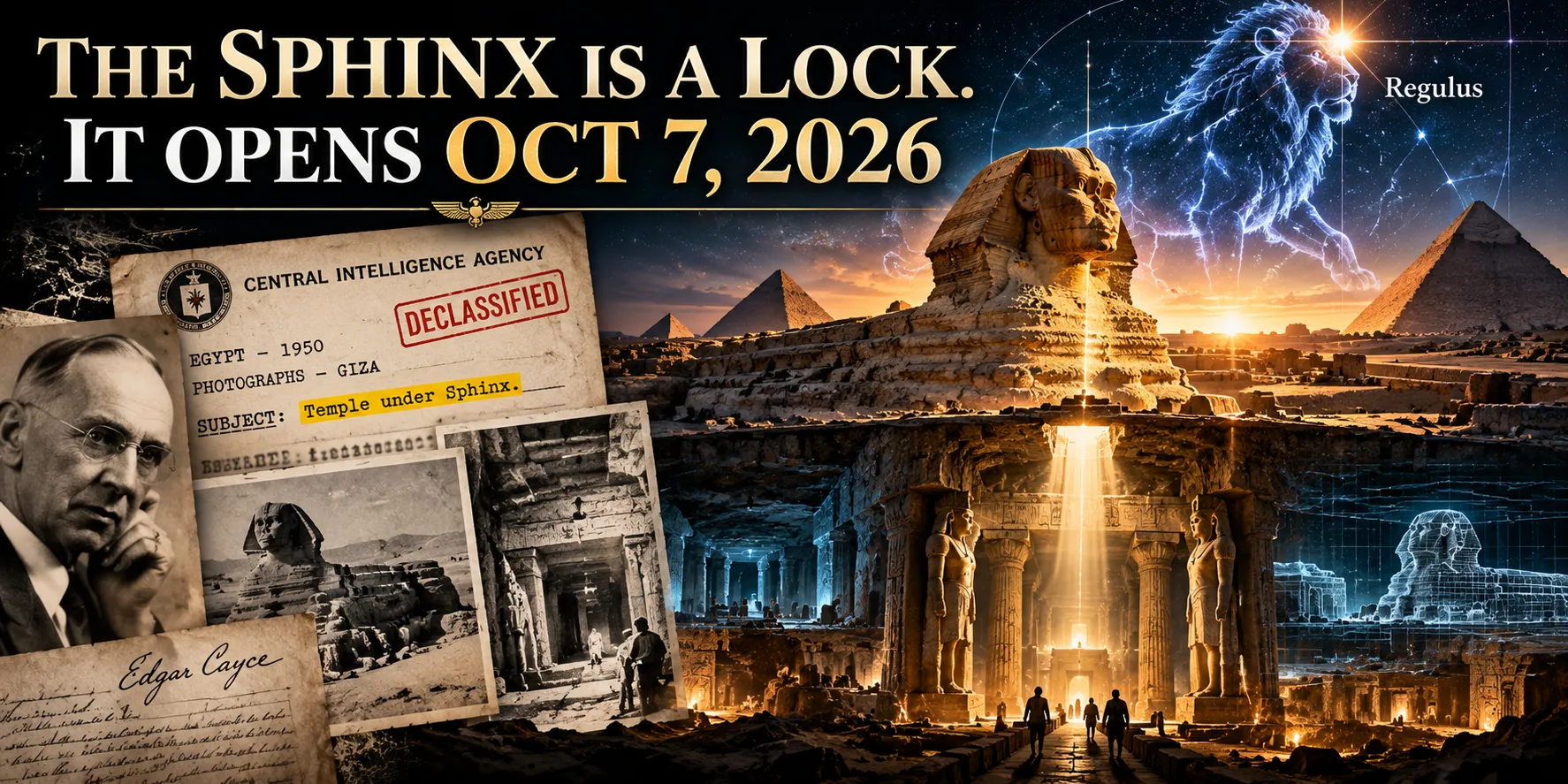
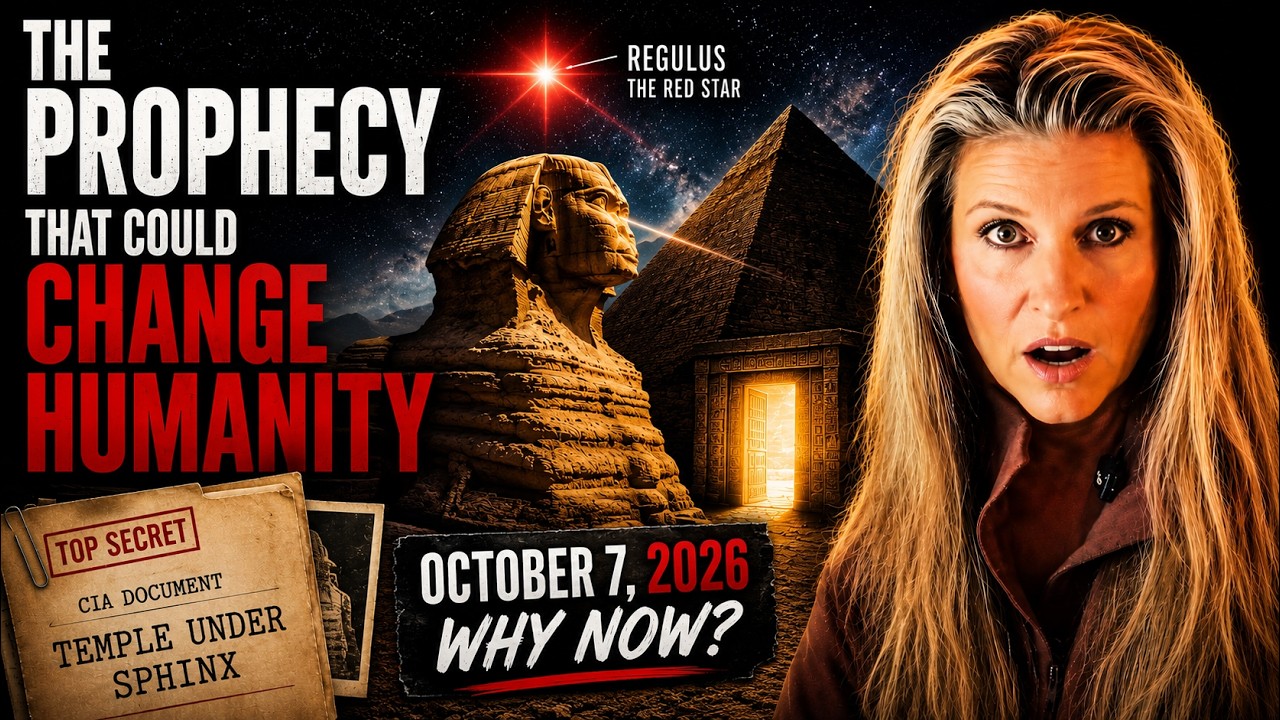
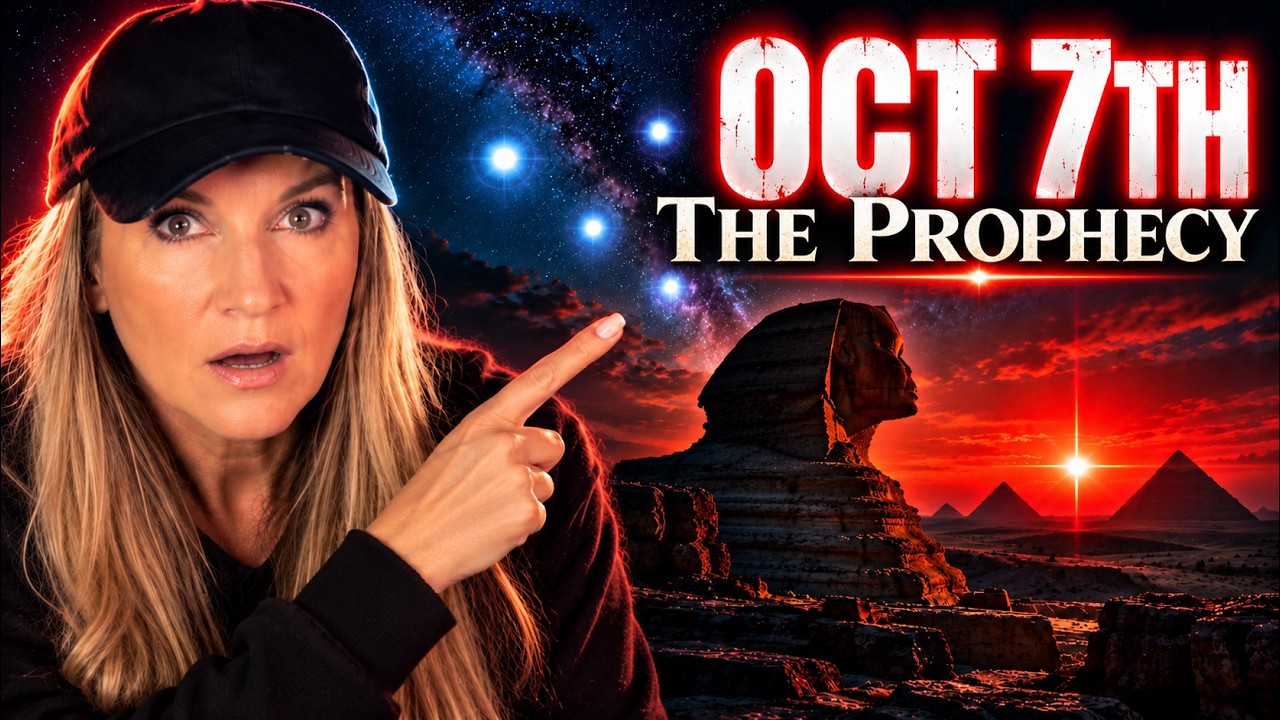
The Sphinx Is a Lock. It Opens Oct 7, 2026
The episode investigates a provocative collection of claims suggesting that something significant may lie beneath or near the Great Sphinx of Giza. At the center is a declassified CIA record associated with photographs taken in Egypt in 1950 that reportedly contains the notation “Temple under Sphinx.” The story connects this historical document with the readings of Edgar Cayce, who famously predicted that a hidden Hall of Records containing knowledge about humanity’s forgotten past would eventually be discovered near the Sphinx. More recent claims involving radar and subsurface imaging are presented as another potential thread, including reports of large structures or chambers beneath the Giza plateau that some researchers speculate could radically change our understanding of the site.
The investigation then connects these archaeological mysteries with a specific date—October 7, 2026—through astronomical interpretations and modern prophecy. Particular attention is given to Regulus, the “heart” of the constellation Leo, and claims surrounding its alignment with the Sphinx, alongside expectations associated with contactee Chris Bledsoe and his followers. The central premise is not that these separate claims prove one another, but that an unusual collection of threads—Cayce’s predictions, declassified intelligence material, modern subsurface claims, Egyptian archaeological developments, astronomical symbolism, and contemporary prophecy—appear to converge around the same ancient monument. The episode asks whether this convergence is coincidence, mythology amplified over time, or the beginning of a discovery capable of reopening one of archaeology’s greatest mysteries.



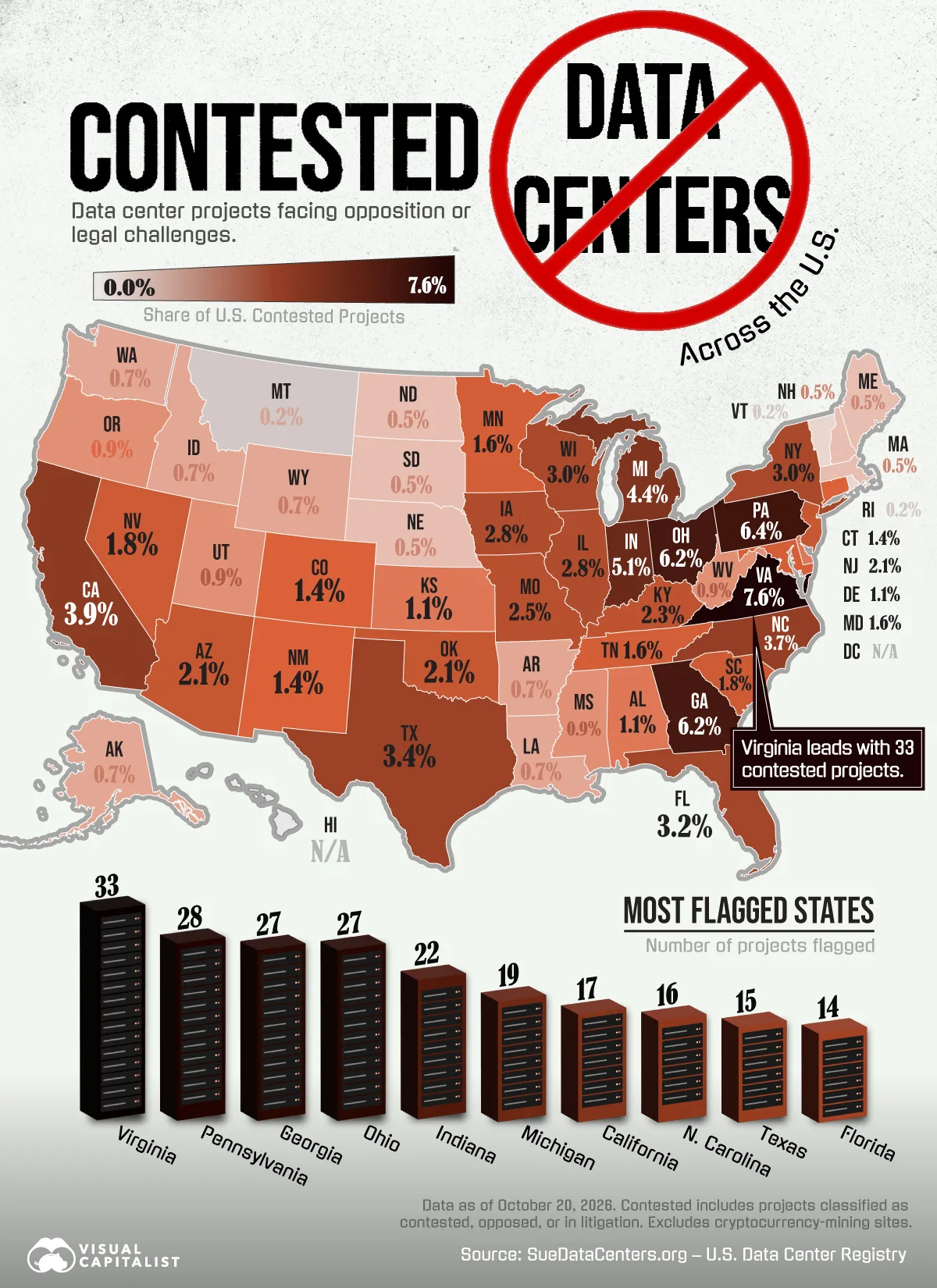
Where Data Centers Are Facing the Most Pushback
Key Takeaways:
- Virginia leads the U.S. with 33 data center projects facing some form of opposition, followed by Pennsylvania (28), Georgia (27), and Ohio (27).
- Virginia has the most contested projects (21), Indiana leads in organized opposition (12), and Pennsylvania leads in litigation (10).
- Public skepticism is rising: 54% of Americans now view data centers as mostly bad for the environment, up from 39% in January 2026.
America’s AI boom is driving rapid data center construction, but communities are increasingly questioning the costs of hosting these massive facilities. Concerns about electricity demand, water consumption, and rising utility bills are fueling opposition across the country.
Data from the SueDataCenters.org U.S. Data Center Registry, built on Compute Atlas records, reveals where proposed and existing projects face the most documented opposition.
Where Are Data Centers Facing the Most Opposition?
The following table ranks states by the number of flagged projects, using data from SueDataCenters.org as of October 20, 2026.
For this analysis, “contested data centers” refers to all projects flagged as contested, opposed, or involved in litigation in the SueDataCenters.org registry. Virginia leads with 33 such projects: 21 classified as contested, seven as opposed, and five facing litigation.
|
Rank
|
State
|
Contested Data Centers
|
Share of U.S. Total
|
|---|---|---|---|
| 1 | Virginia | 33 | 7.59% |
| 2 | Pennsylvania | 28 | 6.44% |
| 3 | Georgia | 27 | 6.21% |
| 4 | Ohio | 27 | 6.21% |
| 5 | Indiana | 22 | 5.06% |
| 6 | Michigan | 19 | 4.37% |
| 7 | California | 17 | 3.91% |
| 8 | North Carolina | 16 | 3.68% |
| 9 | Texas | 15 | 3.45% |
| 10 | Florida | 14 | 3.22% |
| 11 | New York | 13 | 2.99% |
| 12 | Wisconsin | 13 | 2.99% |
| 13 | Iowa | 12 | 2.76% |
| 14 | Illinois | 12 | 2.76% |
| 15 | Missouri | 11 | 2.53% |
Virginia accounts for 7.6% of all flagged data center projects nationwide, the largest share of any state. Pennsylvania follows at 6.4%, with Georgia and Ohio each accounting for 6.2%.
However, the picture changes when comparing flagged projects with each state’s total tracked facilities. In Virginia, 21.6% of projects are flagged, compared with 45.8% in Indiana.
This distinction highlights the difference between states with the largest number of flagged projects and those where opposition affects a greater share of tracked facilities.
What Counts as Data Center Opposition?
The registry distinguishes three categories:
- Contested: Active public debate, hearings, or petitions without a recorded lawsuit. Virginia leads with 21 projects.
- Opposed: Organized local opposition is the dominant documented response. Indiana leads with 12 projects.
- In litigation: A lawsuit related to the facility has been filed. Pennsylvania leads with 10 projects.
Geographically, the projects facing this kind of opposition are concentrated in the East, particularly the Mid-Atlantic, Southeast, and Midwest. Western states generally record fewer, although California stands out with 17.
This pattern partly reflects where data center development is concentrated, rather than necessarily indicating stronger opposition among eastern communities.
Americans Are Growing More Skeptical of Data Centers
A Pew Research Center survey found that 54% of Americans viewed data centers as mostly bad for the environment in August 2026, up from 39% in January. Negative perceptions of their impact on nearby quality of life rose from 30% to 49%.
Meanwhile, a Gallup survey found that 71% of Americans opposed AI data center construction in their local area.
As AI expands across industries, from critical mineral supply chains to infrastructure, communities are weighing technological investment against local costs.
New facilities can bring investment and tax revenue, but residents are also scrutinizing their long-term effects on electricity costs, water resources, and local infrastructure. Wider concerns about jobs exposed to AI add another dimension to the debate.
As the industry expands, community acceptance may become an increasingly important factor in determining where new data centers can be built.

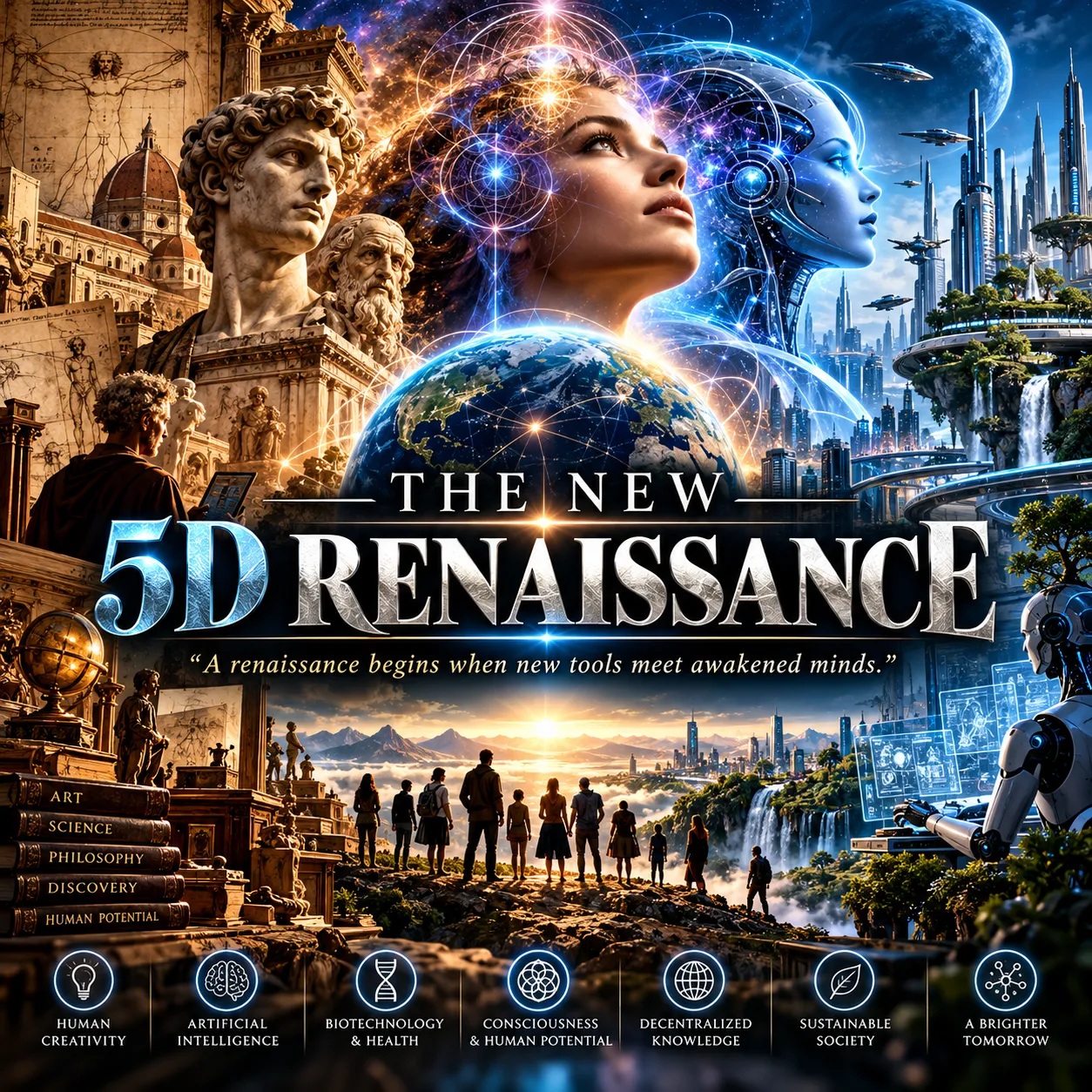
THE NEW 5D RENAISSANCE
“A renaissance begins when new tools meet awakened minds.”
A new renaissance may already be underway—not one driven solely by paintings, cathedrals, or the flowering of classical art, but by the convergence of intelligence, technology, human creativity, and the reimagining of how society itself is organized. Much like the original Renaissance emerged from the collapse of old systems and the rediscovery of buried knowledge, today’s era is being shaped by rapid advances in artificial intelligence, biotechnology, communications, and decentralized access to information. What once belonged only to institutions is increasingly moving into the hands of individuals, creators, entrepreneurs, and sovereign thinkers.
At the center of this shift is the accelerating fusion of human capability and machine intelligence. Artificial intelligence is beginning to transform how businesses operate, how knowledge is produced, how decisions are made, and how individuals create, learn, and earn. Entire industries are being redesigned through automation, intelligent agents, robotics, and predictive systems, while breakthroughs in health technology, digital infrastructure, and computational power continue to compress the timeline of change. What once took decades to unfold may now happen in years, and in some sectors, mere months and weeks.
Yet every renaissance carries both opportunity and responsibility. New tools can liberate or centralize, empower or displace, awaken creativity or deepen dependency. The defining question of this next age may not be how advanced our technologies become, but whether human wisdom, ethics, consciousness, and purpose evolve alongside them. If the old renaissance expanded art, science, and reason, the new renaissance may ask something even greater of us: to unite innovation with soul, intelligence with discernment, and progress with humanity.
5D RENAISSANCE FEATURED STORIES
Conscious Communities, Regenerative Technologies & the Future of Food Production
October 2026 Research Focus | GAR Monthly Report
“A renaissance begins when new tools meet awakened minds.”
Top 5 Developments for the October Feature
October 15, 2026 · New Mexico
Pangea Community — An Off-Grid-First Regenerative Neighborhood
Pangea announced homesite availability for a planned 322-acre, 108-homesite community northwest of Taos. Its design incorporates passive solar buildings, thermal-mass construction, rooftop rainwater collection, greywater reuse, and on-site renewable energy. Residents may also contribute labor to the community food system as part of their stewardship arrangements.
GAR significance: An emerging example of housing, energy, water, and food production designed as one integrated community system.
2026 development update · Portugal
Neos Village — A Conscious Village Designed for Self-Sufficiency
Neos is developing a proposed 144-home community across 158 hectares in Portugal’s Alentejo region. The vision integrates regenerative agriculture, community gathering spaces, locally generated electricity, water reuse, and a circular resource system. Its developer reports an operating 800-square-meter market garden, while residential development remains in permitting.
GAR significance: One of the clearest examples of explicitly consciousness-centered community planning combined with practical regenerative infrastructure.
2026 construction update · Colorado
Polestar Village — Spiritual Community Moves Into Infrastructure Construction
Polestar Village reports that initial infrastructure construction has begun on its 20-acre intentional-neighborhood project in Fort Collins. The plan combines housing, a meditation and yoga space, community gardens, shared dining, classrooms, and multigenerational living.
GAR significance: A model that brings spiritual development, lifelong learning, and practical neighborhood design together rather than treating them as separate activities.
October 15, 2026 · Australia / United States
Stacked Farm — Automated Vertical Agriculture Expands Toward Commercial Scale
Australian agritech company Stacked Farm is preparing a A$150 million vertical farm in Melbourne and developing a U.S. facility in California. The Melbourne project is designed for year-round controlled-environment growing, with a projected annual output of 3.4 million kilograms of leafy greens and herbs. These are company projections, not verified operating results.
GAR significance: The underlying automation, nutrient-delivery, climate-control, and monitoring technologies could inform smaller community farms, although large commercial facilities have different economics from village-scale systems.
October 19–27, 2026 · Minnesota
Verdánt Organics — New Indoor Farm Integrates Microgreens and Mushrooms
Verdánt Organics announced a planned $13.6 million, approximately 63,000-square-foot indoor agriculture facility in Mankato. The project is designed to grow organic microgreens and oyster mushrooms throughout the year, regardless of seasonal weather conditions.
GAR significance: A useful case study in diversified indoor food production. Smaller versions could combine leafy greens, mushrooms, seedlings, composting, and local distribution within a regenerative community.
The first, fourth, and fifth stories have specific October announcements. Neos and Polestar are relevant 2026 development examples, rather than verified October announcements.
The Technologies That Could Support a New Conscious Village
1. Community Energy Independence
Solar generation, battery storage, microgrids, passive cooling, and energy-efficient buildings could reduce dependence on centralized electricity systems. Islanding capability and backup generation would be important for resilience during grid disruptions.
2. Garden Towers, Aeroponics & Hydroponics
Modular vertical systems can grow greens, herbs, and some fruiting crops in compact spaces. They are particularly useful for community greenhouses, wellness centers, schools, and neighborhood food programs.
3. Food Forests & Regenerative Agriculture
Orchards, perennial crops, soil restoration, composting, seed saving, and agroforestry could complement indoor farming. These systems provide a broader range of foods while improving soil health and supporting biodiversity.
4. Decentralized Water Systems
Rainwater harvesting, greywater reuse, efficient irrigation, water-quality monitoring, and appropriately engineered wastewater treatment can reduce consumption and improve community resilience. Local water rights and health regulations remain critical.
5. AI-Supported Community Infrastructure
Intelligent systems could monitor greenhouse conditions, optimize irrigation, forecast energy demand, coordinate maintenance, and reduce administrative workloads. Human oversight, cybersecurity, and resident privacy should remain central to the design.
New Food Production Ideas Worth Exploring
For GAR’s longer-term community research, I would examine how several complementary production systems could work together.
| Food production model | Best community application | Key consideration |
|---|---|---|
| Aeroponic towers | Lettuce, herbs, compact fresh-produce systems | Pump reliability and nutrient management |
| Hydroponic greenhouses | Leafy greens, tomatoes, cucumbers | Energy, water quality, operating expertise |
| Aquaponics | Integrated fish and vegetable production | More complex biological management |
| Mushroom cultivation | Oyster and other specialty mushrooms | Humidity, contamination control, suitable substrates |
| Food forests | Fruits, nuts, perennial crops | Climate suitability and time to maturity |
| Regenerative market gardens | Diverse seasonal vegetables | Land, labor, soil, and irrigation |
| Seedling nurseries | Transplants for residents and surrounding farms | Seasonal demand and propagation expertise |
| Community composting | Organic waste conversion and soil improvement | Odor, pathogens, and regulatory compliance |
The opportunity is not to rely on one breakthrough technology. It is to build a diversified food system combining indoor production, outdoor agriculture, water stewardship, and community participation.
Connecting the Dots | A Blueprint for the New 5D Renaissance
THE CONSCIOUS COMMUNITY ECOSYSTEM
An integrated development model
Regenerative Housing
Efficient homes and shared spaces
Energy & Water
Local generation and resource cycling
Food Production
Garden towers, greenhouses and farms
Health & Wellness
Prevention, care and human development
Innovation & AI
Community technology and enterprises
Conscious Governance
Participation, education and cooperation
Signals: New intentional communities are moving through land acquisition, permitting, infrastructure construction, and early occupancy. Indoor agriculture is attracting investment in automated, climate-controlled production.
Threads: Housing, food, water, energy, wellness, and local enterprise are becoming interconnected design considerations. A community’s long-term resilience depends on how these systems work together.
Patterns: A potentially important development model is emerging: communities that are not merely residential subdivisions, but integrated environments supporting human development, ecological regeneration, and greater local self-reliance.
For GAR, this connects directly to the Islands of Light concept and the proposed GAR Institute, particularly the combination of health and wellness, Garden Tower Farms, and innovative technologies.
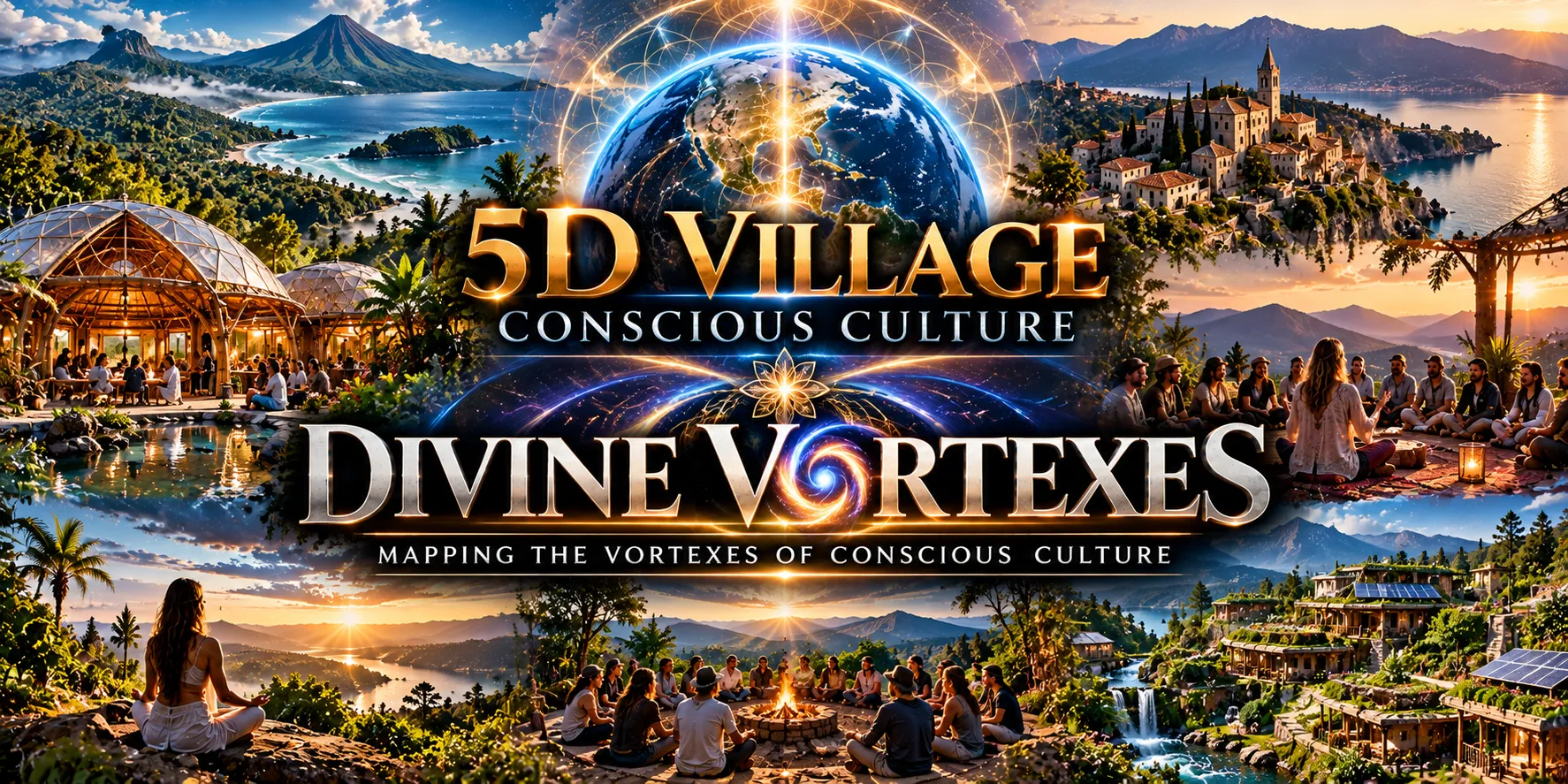
• 5D Village Conscious Culture
Divine Vortexes | Mapping the Vortexes of Conscious Culture
This is probably the most directly relevant new documentary project we’ve discovered. Divine Vortexes is an international documentary currently in production that asks whether a new “Conscious Culture” is emerging through communities, gatherings, healing practices, ecology, creativity and alternative forms of human connection. Filming has taken place in Costa Rica, Guatemala, the Czech Republic and Montenegro, with Croatia scheduled as another 2026 field chapter.
What makes this especially interesting is the documentary’s central question: “Are we witnessing the emergence of a new culture?” Its filmmakers explicitly describe these places as experiments connecting ancient wisdom with contemporary life and are expanding the project toward science,

Neos Village | Portugal
Neos Village is one of the more ambitious examples we found of the concept becoming an actual residential development. The project describes a planned 144-home conscious village on 158 hectares, roughly an hour from Lisbon, integrating regenerative land stewardship, community life and homes designed around conscious living.
Its language moves well beyond conventional sustainable development. Neos explicitly describes its vision as creating a place where “consciousness is embodied, the land is sacred” and community becomes part of everyday life rather than something experienced only at retreats. That makes it particularly relevant to the GAR idea of moving from consciousness as an individual practice toward conscious culture as a social architecture.

• Conscious AI & Robotic Integration
Research this from two directions because they are beginning to converge: machine consciousness—whether an artificial system could possess subjective experience—and embodied/physical AI—putting increasingly capable AI into robots that can perceive, remember, reason and act in the physical world.
The important distinction is that conscious AI has not been scientifically demonstrated. But serious researchers are increasingly treating machine consciousness as an empirical question rather than purely science fiction. At the same time, humanoid and embodied AI is moving rapidly from laboratory demonstrations toward real-world deployment.

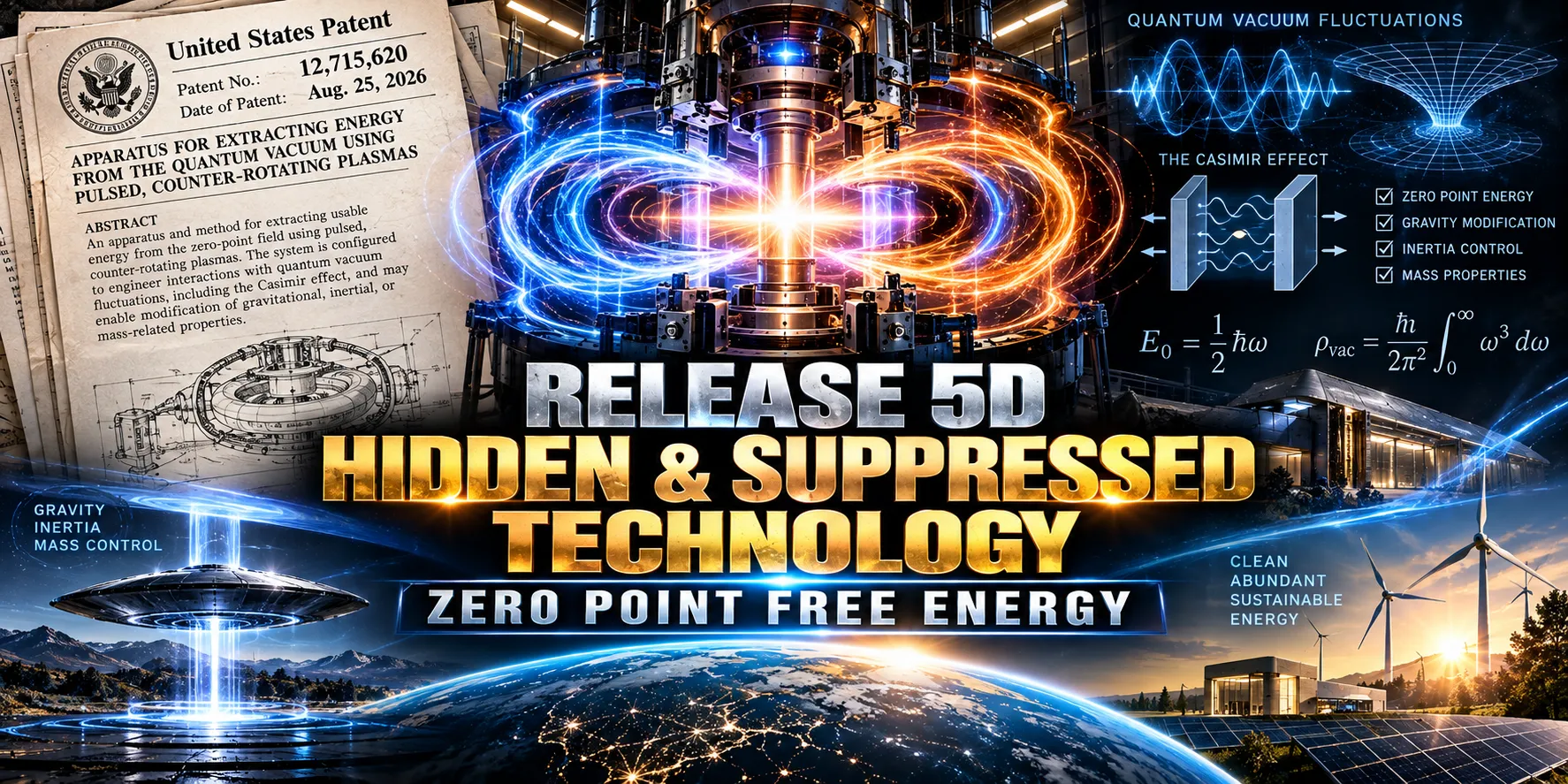
• Release 5D Hidden & Suppressed Technology | Zero Point Free Energy
A striking August 2026 zero-point-energy patent
The strongest new lead we found is U.S. Patent 12,715,620, issued August 25, 2026. It describes an apparatus using pulsed, counter-rotating plasmas that the inventor claims could extract useful energy from the zero-point field and potentially modify gravity, inertia or properties associated with mass.
The patent explicitly discusses the Casimir effect and quantum vacuum fluctuations and proposes extracting useful energy by engineering interactions with the zero-point field. This is extraordinary language for a newly issued U.S. patent—but a patent grant is not experimental validation that the device works as claimed.

A newer “Enhanced Quantum Vacuum Energy” device
Another significant patent application is US20250096702A1 — Enhanced Quantum Vacuum Energy Devices. It proposes using regions with different quantum-vacuum energy densities, including structures resembling Casimir cavities, to create an asymmetry that could allegedly drive charge carriers and produce harvestable electrical energy.
The application makes the central claim unusually clearly: geometrically modifying the local quantum-vacuum environment could establish different energy densities, with that asymmetry potentially providing a mechanism for energy transfer.
Again:
PATENT → PROPOSED MECHANISM → NOT YET PROOF OF NET ENERGY PRODUCTION
Enhanced Quantum Vacuum Energy Devices patent application
• Heart of A Volunteer | Conscious Village Culture
Heart of a Volunteer | Service, Compassion & the Power of Giving Back
Heart of a Volunteer explores one of the simplest yet most powerful expressions of human consciousness: the willingness to serve another person without expecting something in return. Through stories of volunteers, community involvement, compassion, and human connection, the documentary reminds us that meaningful change does not always begin with governments, institutions, or enormous resources. It often begins with an individual recognizing a need and deciding to help. At its heart, the film is about empathy translated into action—the moment when caring about the world becomes actively participating in making it better.
For GAR, Heart of a Volunteer carries a particularly relevant message for the emerging conversation around conscious culture and conscious communities. A more connected society cannot be built solely through new technologies, spiritual ideas, or alternative systems; it also requires people willing to contribute their time, knowledge, experience, and compassion to one another. The documentary ultimately presents volunteering as something larger than charity—it becomes a practice of service, purpose, connection, and shared responsibility, demonstrating how individual acts of kindness can strengthen communities and remind us of a fundamental principle of conscious living: transformation begins with what we are willing to give.
• Conscious Culture | Awakening a More Connected Way of Living
GAR’s Conscious Culture explores the idea that humanity’s next great transition is not simply technological, political, or economic—it is also a transformation in how we think, live, relate, create, and participate in the world around us. At its center is the movement from individual awareness toward collective responsibility: becoming more conscious of our choices, our relationships, our communities, our health, our environment, and the systems we help create. Rather than presenting consciousness as something confined to meditation or spirituality, Conscious Culture expands the conversation into everyday life, asking what society might look like when compassion, cooperation, creativity, discernment, personal responsibility, and human connection become guiding cultural values.
For GAR, Conscious Culture represents an important evolution of the awakening conversation—from discovering what is changing to consciously participating in what comes next. It brings together many of the themes GAR has explored for years, including consciousness studies, human potential, holistic health, emerging technologies, regenerative communities, education, service, and the changing relationship between humanity and nature. The larger message is both personal and collective: a different future cannot be created by awareness alone. It must eventually become practice, relationships, community, and culture. In that sense, Conscious Culture asks a powerful question: If humanity is becoming more conscious, how should that consciousness change the way we actually live?

Positive Mental Atmosphere
“Positive Mental Attitude is composed of the ‘plus’ qualities—faith, integrity, hope, optimism, courage, initiative, generosity, tolerance, tact, kindness, and sound judgment.” — W. Clement Stone
Positive Mental Attitude (PMA) is not about denial, forced optimism, or ignoring difficulty. It is the disciplined practice of maintaining clarity, steadiness, and constructive orientation regardless of external conditions. PMA reflects a conscious choice to respond rather than react, to prioritize coherence over chaos, and to remain solution-aware even when outcomes are uncertain.
At its foundation, PMA is built on inner alignment—integrity in thought, emotional regulation under pressure, and confidence rooted in discernment rather than belief alone. It draws on qualities such as hope, courage, kindness, and practical wisdom, not as ideals, but as stabilizing tools that support clear perception and sound decision-making.
In times of accelerated change, PMA functions as a strategic posture. It preserves mental bandwidth, reduces distortion caused by fear or overwhelm, and supports adaptability. This is not passive positivity—it is purposeful orientation. Thinking constructively with intent allows individuals to meet complexity without losing agency, direction, or balance.
Ultimately, PMA is the cultivation of a resilient inner environment—one that enables growth, clarity, and effective action when action is required, and patience when it is not.
• Positive Inspirational & Motivational Thoughts


• Positive Mental Atmosphere Best Stories
Top 5 Stories, Research Breakthroughs & Events | October 2026
Conscious Living • Mental Resilience • Emotional Intelligence • Mindfulness • Positive Psychology • Human Development
“Positive Mental Attitude is composed of the ‘plus’ qualities—faith, integrity, hope, optimism, courage, initiative, generosity, tolerance, tact, kindness, and sound judgment.” — W. Clement Stone
For GAR’s October Monthly Report, I would focus on developments that connect positive mental attitude with measurable improvements in emotional resilience, mental clarity, stress management, community connection, and personal well-being.
The strongest stories should show how individuals and communities are moving beyond motivational thinking toward practical methods for cultivating a healthier mental atmosphere.
The editorial theme is particularly relevant during periods of uncertainty: How do people maintain psychological balance, constructive thinking, and purposeful action when the surrounding environment feels increasingly unstable?
1. World Mental Health Day 2026 — A Global Movement Toward Dignity, Empowerment & Human Connection
October 10, 2026 | World Health Organization
Mental Wellness • Compassion • Community Connection
The World Health Organization marked World Mental Health Day with the theme “Lived experiences heard: real voices, real change.” The campaign emphasized giving people with firsthand mental health experience meaningful influence over services, policy, and support systems. WHO also released practical guidance on transitioning from institutional to community-based care.
GAR Perspective: A positive mental atmosphere extends beyond individual thinking. It also depends on environments where people feel heard, respected, supported, and empowered. The movement toward compassionate, community-centered care reflects the values of kindness, tolerance, dignity, and human connection.
Source: WHO — World Mental Health Day 2026
2. Major Study Finds Digital Mindfulness & Compassion Practices Can Improve Psychological Well-Being
October 1, 2026 | PLOS Digital Health
Mindfulness • Emotional Regulation • Mental Resilience
A systematic review and meta-analysis examined 147 randomized trials involving 26,391 participants, assessing digital interventions based on mindfulness, acceptance and commitment therapy, and compassion. Researchers found small-to-moderate improvements in psychological well-being, depression, anxiety, stress, and psychological flexibility immediately after the interventions.
GAR Perspective: Positive Mental Attitude can be cultivated through deliberate practices rather than depending on favorable circumstances. Mindfulness, self-compassion, and constructive attention provide practical methods for developing emotional steadiness and responding more effectively to stress.
Source: PLOS Digital Health — Systematic review and meta-analysis
3. New Research Links Compassion Training to Emotional Regulation & Positive Social Behavior
October 13, 2026 | Frontiers in Psychology
Compassion • Emotional Intelligence • Human Development
A cluster-randomized study involving 876 adolescents across 34 school classes compared eight weeks of compassion training with a relaxation program. The compassion-training group showed greater improvements in emotional regulation and prosocial moral development, with differences still observed at the 12-month follow-up.
GAR Perspective: This research connects closely with W. Clement Stone’s emphasis on kindness, generosity, tolerance, and sound judgment. A constructive mental atmosphere is not simply about feeling positive—it can involve learning how to regulate emotions, understand others, and make more compassionate decisions.
Source: Frontiers in Psychology — Compassion training study
4. Study Connects Everyday Health Habits With Greater Psychological Flexibility
October 13, 2026 | Binghamton University
Mental Clarity • Lifestyle • Adaptability
Researchers examining approximately 400 college students found that healthier routines—including adequate sleep, regular physical activity, and consistent breakfast consumption—were associated with greater psychological flexibility and resilience. Psychological flexibility refers to the ability to adjust thoughts and responses when circumstances change. The observational findings do not establish that these habits directly caused greater resilience. The underlying journal research preceded October’s news release.
GAR Perspective: A positive mental atmosphere is supported by physical well-being. Sleep, movement, nutrition, and daily structure may help create the conditions for clearer thinking and more measured responses to adversity.
Source: Binghamton University research coverage
5. Nature Connection & Outdoor Activity Emerge as Tools for Resilience and Well-Being
October 5–15, 2026 | Loughborough University & Ecopsychology
Nature Connection • Stress Reduction • Emotional Balance
Two October research developments highlighted the relationship between natural environments and psychological well-being. Loughborough University reported that outdoor exercise in natural settings could improve enjoyment and motivation. Separately, a study of 306 adults published October 15 found an association between more frequent engagement with nature and greater psychological resilience, although the statistical effects were modest.
GAR Perspective: Positive Mental Attitude is not cultivated through thinking alone. Time outdoors, movement, natural light, and opportunities for reflection can support emotional balance and encourage people to disengage temporarily from overwhelming information environments.
Sources: Loughborough University research · Ecopsychology — Nature engagement and resilience
Connecting the Dots | Signals, Threads & Patterns
Signals: October’s research highlights compassion training, mindfulness, psychological flexibility, nature engagement, and the growing recognition that people need supportive environments to maintain emotional well-being.
Threads: These developments connect mental attitude with daily behavior, social relationships, physical health, and community conditions. Resilience is not simply the absence of fear or stress; it includes the capacity to experience difficulty without surrendering judgment, direction, or personal agency.
Patterns: An emerging theme is the movement from passive ideas about positive thinking toward practical, trainable skills. Emotional regulation, self-compassion, adaptability, and constructive social behavior can be developed through structured activities and supportive environments.
• Positive Documentary
Mental Health and Resilience | The Secrets of Inner Strength
This DW Documentary explores one of the most important questions surrounding human resilience: why do some people maintain psychological stability through extreme stress, trauma and crisis while others struggle to recover? The film follows researchers in neuroscience, epigenetics and psychology, including work at a major European resilience research center in Mainz, Germany, investigating how the brain and body adapt to adversity. Rather than treating resilience as a fixed personality trait, the documentary presents it as a dynamic process influenced by biology, life experience, mindset, environment and social relationships. It also follows two families coping with the violent deaths of their sons, grounding the scientific investigation in the difficult reality of how people rebuild their lives following profound loss.
For GAR, the documentary fits particularly well within consciousness, human potential and conscious culture because its deeper message extends beyond simply “being mentally tough.” Resilience develops partly through connection, meaning, supportive relationships and the conditions created by families and society. French neurologist and resilience researcher Boris Cyrulnik emphasizes that psychological resilience is therefore not solely an individual’s responsibility; communities and institutions also influence people’s capacity to recover and thrive. The documentary ultimately presents inner strength as something that can develop through adversity rather than something people either possess or lack—opening a larger GAR conversation about awareness, adaptation, human connection and our capacity to consciously transform difficult experiences into personal growth.

• Documentaries


Dopamine
• Positive Thought Leaders: JORDAN PETERSON — WHAT TO DO WHEN YOU’VE LOST YOUR WAY
In this lecture, Jordan Peterson uses the biblical journey of Moses and the Israelites as an archetypal map for what happens when individuals—or entire civilizations—lose their direction. Freedom from tyranny, he argues, does not immediately produce order; it can first produce uncertainty, temptation, resentment and chaos. Peterson interprets the Golden Calf, the wilderness, Moses striking the rock, Korah’s rebellion and the bronze serpent as symbols of recurring human problems: abandoning responsibility for immediate gratification, confusing legitimate authority with oppression, becoming consumed by resentment, and retreating from difficult truths. His central message is that escaping one dysfunctional system is only the beginning—the harder task is developing the responsibility, courage and self-governance required to build something better.
The most powerful theme arrives in Peterson’s interpretation of the bronze serpent and the idea that healing requires voluntarily confronting what frightens or “poisons” us. Rather than organizing life primarily around safety and avoidance, he argues for developing competence through truth, responsibility, sacrifice and direct confrontation with fear. Peterson connects this ancient symbolism to Christ and the crucifixion, presenting the story as an archetype of voluntarily facing suffering rather than allowing fear, bitterness or victimhood to determine one’s life. For the GAR consciousness perspective, the lecture raises a compelling question: when people feel lost, is the path forward found by changing the outside world first—or by confronting the resentment, fear, self-deception and avoidance operating within themselves? Peterson’s answer is unmistakable: transformation begins by facing what we would rather avoid, telling the truth about it, and accepting responsibility for the next step forward.

• Positive Mental Psychology


• Inspiring Success Stories
We believe in positive brainwash. When you get used to think positive thoughts, it becomes your default state of mind. This is why I love to hear about success stories. It motivates me and gives me hope – if others did it, I can do it too. In this video I’ll talk about 6 famous success stories. These stories can inspire and motivate you to succeed in business, relationship, spiritually and more.


Rich Roll | From Failure to Success — The Power of Personal Transformation
In this motivational talk, ultra-endurance athlete and wellness advocate Rich Roll reflects on the difficult process of reinventing yourself when the life you are living is no longer working. His message grows out of his own dramatic transformation—from addiction, unhealthy habits and a life he felt had lost direction into becoming an accomplished endurance athlete and advocate for healthier, more purposeful living. Rather than portraying transformation as a sudden breakthrough, Roll emphasizes the willingness to tolerate discomfort, confront personal limitations and repeatedly make better choices. Failure, struggle and uncertainty become part of the process rather than evidence that the process isn’t working. The central lesson is that meaningful change begins when a person accepts responsibility for the direction of their life and starts taking consistent action toward something more aligned with who they want to become.
For GAR, the video fits particularly well within Conscious Culture, Human Potential and Personal Transformation. Roll’s story demonstrates that awakening does not have to be understood only as a spiritual or intellectual experience—it can become a practical restructuring of one’s health, habits, mindset, relationships and sense of purpose. His journey illustrates a recurring GAR theme: an old identity sometimes has to break down before a different way of living can emerge. The larger takeaway is less about becoming an extreme athlete and more about recognizing our capacity to consciously change course: Failure → Awareness → Choice → Discipline → Transformation → Purpose. In that sense, the video presents resilience not simply as surviving adversity, but as using adversity as the catalyst for becoming something different.

J.K. Rowling | From Rock Bottom to a Global Literary Phenomenon
This motivational video traces the remarkable journey of J.K. Rowling, focusing on the years of hardship that preceded the extraordinary success of Harry Potter. The story follows Rowling through personal loss, financial difficulties, single motherhood and repeated rejection as she continued developing the idea that would eventually become one of the world’s most recognizable literary franchises. The video presents her experience as a powerful example of perseverance: an idea conceived during an ordinary train journey survived years of adversity because its creator continued writing when there was little external evidence that success would follow. Her manuscript was rejected repeatedly before finally finding a publisher, transforming what appeared to be failure into the beginning of an entirely different life.
For GAR’s Conscious Culture and Human Potential series, Rowling’s story offers a larger lesson about the relationship between adversity, creativity and personal transformation. Her journey suggests that failure does not necessarily define the limits of a person’s potential; sometimes it strips away an old direction and forces greater clarity about what genuinely matters. The deeper message is not simply about becoming successful or wealthy—it is about continuing to create when recognition has not yet arrived, trusting an inner vision while facing rejection, and allowing difficult experiences to become fuel for purposeful action. Her story can be viewed through a simple transformational progression: ADVERSITY → IMAGINATION → PURPOSE → PERSEVERANCE → BREAKTHROUGH → TRANSFORMATION.

She describes the most traumatizing moment in her life as the day her mother died — it was New Year's Day in 1991 when Rowling was 25.

The Divine Feminine & Masculine
“The Divine Masculine and Feminine are not opposing forces but two halves of a sacred whole—when balanced, they create harmony within and throughout the universe.”
This section explores the Divine Feminine and Divine Masculine not as gendered identities or belief systems, but as complementary principles that exist within all people, cultures, and systems. These energies represent different modes of perception, action, and integration—each necessary, neither superior.
The Divine Feminine is often associated with intuition, receptivity, creation, compassion, and relational awareness. The Divine Masculine is commonly expressed through structure, clarity, protection, direction, and purposeful action. When one is elevated at the expense of the other, imbalance emerges—internally and collectively. When they are integrated, coherence replaces conflict.
In times of transition and accelerated change, restoring balance between these two forces becomes less about ideology and more about regulation and alignment. Discernment requires both openness and structure. Compassion requires boundaries. Action requires reflection. This integration allows individuals and societies to respond with clarity rather than polarity.
This section invites reflection, not adherence. The aim is to recognize where balance has been lost, where integration is possible, and how inner alignment supports external stability—personally, socially, and globally.
• Divine Feminine Stories
Top 5 Stories, Research Developments & Events | October 2026
Conscious Relationships • Sacred Balance • Emotional Intelligence • Feminine & Masculine Archetypes • Human Development
“The Divine Masculine and Feminine are not opposing forces but two halves of a sacred whole—when balanced, they create harmony within and throughout the universe.”
Divine Feminine and Masculine are primarily spiritual and philosophical concepts, the most useful news coverage will come from related fields: psychology, relationship research, cultural traditions, leadership, emotional development, and consciousness practices.
The editorial question is: Are individuals and communities developing new ways to integrate qualities traditionally described as feminine and masculine, rather than treating them as competing forces?
1. New Research: Empathy and Emotional Regulation Shape the Quality of Romantic Relationships
October 2–6, 2026 | Current Psychology
Sacred Partnership • Empathy • Emotional Balance
A systematic review of 26 studies examined how empathy, emotional regulation, and perspective-taking relate to romantic relationships among adolescents and young adults. Researchers found that compassionate concern for a partner was generally associated with greater relationship satisfaction and constructive conflict resolution. By contrast, becoming overwhelmed by a partner’s distress was associated with less favorable relationship outcomes.
GAR Perspective: This research offers a practical parallel to the Divine Feminine and Masculine framework: compassion needs emotional steadiness, while strength benefits from empathy. Healthy partnerships require both openness and boundaries, care and discernment.
Source: Current Psychology — Romantic relationships and socio-cognitive abilities
2. International Day of the Girl — Empowerment, Protection & the Restoration of Feminine Agency
October 9–11, 2026 | United Nations & UNICEF
Feminine Empowerment • Leadership • Human Dignity
The United Nations marked International Day of the Girl with a campaign emphasizing the prevention of child marriage and investment in girls’ rights. On October 9, the UN hosted a Girls’ Speak Out event featuring young leaders in discussions about education, participation, safety, and leadership. UNICEF highlighted the importance of allowing girls to make decisions about their futures.
GAR Perspective: Within the spiritual language of the Divine Feminine, empowerment means more than receptivity or nurturing. It also includes self-determination, courage, wisdom, and leadership. Genuine balance requires that feminine qualities and women’s voices be respected rather than subordinated.
Sources: UNICEF — International Day of the Girl 2026 · UN Girls’ Speak Out event
3. October Study Examines Masculine Identity, Emotional Expression & Men’s Mental Health
October 2026 journal issue | Acta Psychologica
Healthy Masculinity • Emotional Awareness • Inner Strength
A study involving 200 men in India examined relationships among masculine social norms, emotional expression, help-seeking, psychological distress, and family relationships. The research contributes to a growing discussion about how expectations surrounding masculinity may influence men’s willingness to express vulnerability and seek support. The article first appeared online September 26 and was included in the October journal volume.
GAR Perspective: The Divine Masculine can be understood as strength without domination, protection without control, and leadership without emotional suppression. Courage includes the capacity to acknowledge uncertainty, express feelings, and seek help when necessary.
Source: Acta Psychologica — Masculine norms and mental health
4. Emotional Intelligence and Empathic Communication Linked to Stronger Couple Relationships
October 1, 2026 | Applied Family Therapy Journal
Conscious Relationships • Trust • Emotional Integration
A study of 384 adults in committed relationships examined attachment patterns, emotional intelligence, empathic communication, and relationship quality. Higher emotional intelligence and more empathic communication were associated with better reported relationship quality, while attachment insecurity was associated with greater relationship difficulties. Because the study was cross-sectional, it cannot establish causation.
GAR Perspective: A conscious relationship is not necessarily one without conflict. It is one in which partners can combine honest communication, emotional responsibility, mutual respect, and compassionate boundaries. These are practical expressions of the integration described by the Divine Feminine and Masculine framework.
Source: Applied Family Therapy Journal — Emotional intelligence and couple relationships
5. UN Women Highlights the Importance of Care, Support & Shared Responsibility
Compassion • Shared Responsibility • Collective Balance
UN Women published an October feature examining how paid and unpaid caregiving sustains families, communities, and economies. The article emphasized the disproportionate burden carried by women and the importance of building fairer systems of support. It also anticipated the International Day of Care and Support on October 29.
GAR Perspective: Caregiving illustrates the relationship between nurturing and responsibility. When compassion is supported by practical structures, adequate resources, and shared participation, families and communities become more resilient. The lesson is not that care belongs to one gender, but that nurturing and responsible action belong to everyone.
Source: UN Women — Care Work Keeps the World Running
Connecting the Dots | Signals, Threads & Patterns
Signals: October’s research and events highlight emotional intelligence, empathy, healthy masculinity, women’s empowerment, and the importance of caregiving.
Threads: Across relationships, families, and communities, the same complementary qualities repeatedly emerge: compassion and boundaries, vulnerability and courage, intuition and reason, nurturing and responsible action.
Patterns: The broader movement is toward understanding emotional maturity as an integration of capabilities rather than adherence to rigid gender roles. These developments do not scientifically establish Divine Feminine or Masculine energies, but they provide meaningful examples through which GAR can explore the spiritual framework.
• Divine Feminine
The Divine Feminine represents the qualities of intuition, creativity, emotional intelligence, compassion, receptivity, and connection to life itself. It is the energy of nurturing, inner knowing, restoration, and flow—often associated with the wisdom of nature, cyclical awareness, and the capacity to feel deeply without losing clarity. In modern society, many believe these qualities have been diminished, suppressed, or misunderstood within systems that prioritize constant productivity, control, and external achievement. Reconnecting with the Divine Feminine is not about rejecting strength or structure, but about restoring empathy, intuition, balance, and relational awareness as essential components of both personal and collective well-being.

MARION WOODMAN | Reclaiming the Feminine Through Embodiment
In The Emergence of the Black Goddess, Jungian analyst Marion Woodman explores the re-emergence of the feminine principle as something much broader than gender. Through the symbolism of the “Black Goddess,” she describes aspects of consciousness that have often been pushed aside or undervalued—the body, intuition, receptivity, emotion, relationship, creativity, nature, and the ability to live with uncertainty and paradox.
Woodman argues that modern culture has become heavily oriented toward achievement, rationality, productivity, and control, often disconnecting people from the intelligence of the body and their inner lives. The return of the feminine, in her view, is therefore not about rejecting masculine qualities, but recovering what has been neglected and bringing the two into a healthier relationship.
Her work offers a deeper way of understanding the Divine Feminine: not as an abstract spiritual idea, but as a capacity to listen, receive, feel, create, nurture, and remain connected to the rhythms of life. Structure and action remain necessary, but they become more balanced when paired with intuition, compassion, embodiment, and relational awareness.
From the GAR perspective, Woodman’s message points toward restoration rather than reversal. The goal is not to replace masculine dominance with feminine dominance, but to recover the missing qualities necessary for greater inner coherence and wholeness.
DISCONNECTION → REMEMBERING → EMBODIMENT → INTEGRATION → WHOLENESS



• Divine Masculine
The Divine Masculine embodies structure, discipline, protection, direction, courage, and purposeful action. At its highest expression, it provides stability, leadership, accountability, and the ability to create order from chaos without domination or control. Healthy masculine energy protects rather than suppresses, guides rather than manipulates, and acts from grounded clarity rather than ego or force. In an increasingly fragmented and reactive world, many see the restoration of the Divine Masculine as essential for rebuilding integrity, responsibility, resilience, and meaningful direction within individuals, families, communities, and society as a whole.
DIVINE MASCULINE & PATRIARCHY | Healing the Wounded Masculine
Healing the Divine Masculine begins by separating masculinity from patriarchy. Patriarchal systems have often associated masculine power with dominance, control, competition, emotional restraint, and authority over others, yet these qualities represent only one expression—and often a distorted expression—of masculine energy. The healthy masculine is rooted instead in strength, protection, integrity, courage, accountability, stability, and purposeful action.
This healing also requires recognizing how patriarchal conditioning can affect men and women alike. Expectations around achievement, toughness, self-reliance, vulnerability, power, and control can become deeply internalized, shaping relationships and behavior long after we become conscious of the systems that produced them. Healing therefore involves not simply rejecting old structures, but examining where those patterns continue to live within us.
The emerging Divine Masculine offers a different relationship with power: strength without domination, boundaries without control, leadership without superiority, and vulnerability without weakness. When masculine energy becomes grounded rather than defensive, it creates the stability and safety necessary for intuition, compassion, creativity, and emotional connection to flourish alongside it.
Ultimately, healing the masculine is not about diminishing its power, but restoring its purpose. As wounded patterns of control and separation give way to conscious strength and responsibility, the masculine can return to its complementary relationship with the Divine Feminine—creating greater balance within individuals, relationships, families, communities, and society.
DOMINATION → AWARENESS → HEALING → RESPONSIBILITY → INTEGRATION
SCHUYLER BROWN | The Divine Masculine & the End of Patriarchy
In The Divine Masculine and the End of Patriarchy, writer and futurist Schuyler Brown challenges the assumption that patriarchy represents masculine energy at its highest expression. Instead, she distinguishes between a masculine principle rooted in clarity, strength, focus, protection, loyalty, decisiveness, and purposeful action and its distorted expressions through domination, control, hierarchy, and power over others.
Brown also turns the conversation inward, exploring how patriarchal conditioning can become embedded within both men and women. Rather than treating patriarchy solely as an external system to dismantle, she asks readers to recognize the ways cultural ideas surrounding power, achievement, worth, vulnerability, control, and gender can shape our own behavior. Healing therefore involves more than changing institutions; it requires becoming conscious of the patterns we continue to carry within ourselves.
Viewed this way, the restoration of the Divine Masculine is not a rejection of masculine power—it is its maturation. Strength becomes protection rather than domination. Leadership becomes service rather than control. Discipline provides direction without rigidity, while courage includes the capacity for vulnerability, accountability, and emotional presence.
From the GAR perspective, this distinction is essential. Patriarchy and the Divine Masculine are not synonymous.Healing the masculine means recovering its highest qualities while releasing the distorted expressions that have separated strength from compassion and power from responsibility. Ultimately, a restored masculine does not compete with the Divine Feminine—it creates the stability, integrity, and conscious presence necessary for the two to work together.
DOMINATION → AWARENESS → HEALING → RESPONSIBILITY → SACRED STRENGTH




• Unification Divine Feminine & Masculine
The integration of the Divine Feminine and Divine Masculine represents the movement toward inner coherence and wholeness. Rather than existing in opposition, these energies are complementary forces that work together to create balance, awareness, and conscious action. Intuition without structure can become ungrounded, while structure without compassion can become rigid and disconnected. True alignment emerges when reflection is paired with action, strength with empathy, and wisdom with discernment. This unification is increasingly viewed as a necessary shift not only for personal growth, but for restoring harmony within relationships, leadership, culture, and the broader human experience.
SHIVA & SHAKTI | Sacred Union of Consciousness & Creative Energy
In Hindu philosophical and spiritual traditions, particularly Shaivism and Shaktism, Shiva is often understood as pure consciousness, stillness, awareness, and the witnessing presence. Shakti represents the dynamic creative power through which consciousness manifests, moves, transforms, and expresses itself. Rather than being opposing forces, they are understood in many traditions as mutually dependent aspects of one underlying reality.
Their union is embodied in Ardhanarishvara, the sacred form combining Shiva and Parvati (Shakti) within a single being—traditionally depicted as one half masculine and one half feminine. This imagery communicates something deeper than partnership or equality. It symbolizes the inseparability of complementary principles: stillness and movement, awareness and expression, stability and transformation. Neither half represents a complete existence in isolation.
The symbolism also offers an important distinction between balance and integration. Balance can imply two separate forces being carefully maintained in equal measure. Integration suggests that these qualities are already interconnected and that wholeness emerges when their relationship is consciously recognized. Shiva without Shakti represents awareness without dynamic expression; Shakti without Shiva represents creative power without its conscious ground. Their sacred union illustrates how each gives meaning and expression to the other.
From the GAR perspective, Ardhanarishvara offers a powerful framework for exploring the relationship between inner awareness and outward action. Intuition becomes more meaningful when translated into conscious choices. Strength becomes more constructive when guided by compassion. Reflection gains purpose through expression, while action becomes more coherent when grounded in awareness. The deeper message is not that we must become more masculine or more feminine, but that wholeness requires the integration of both dimensions within ourselves.
STILLNESS → AWARENESS → CREATIVE ENERGY → INTEGRATION → WHOLENESS
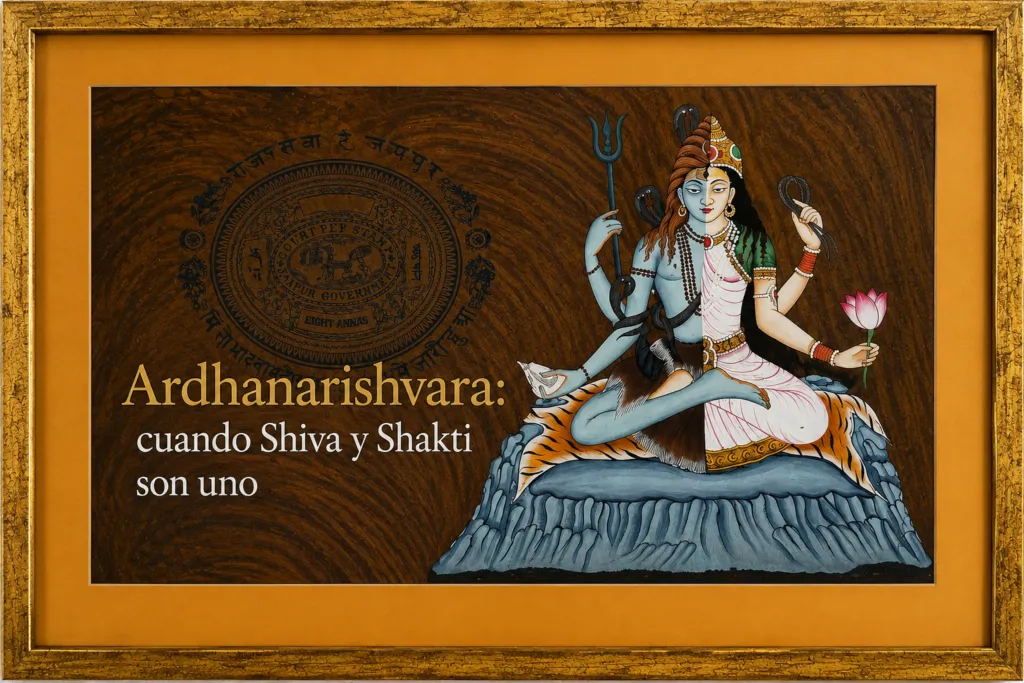



• Historical Divine Feminine
Throughout history, many ancient civilizations and spiritual traditions honored the Divine Feminine through symbols of creation, fertility, wisdom, intuition, healing, and sacred connection to the Earth. Goddesses, priestesses, and feminine mystery traditions once held central roles within cultures that viewed life as cyclical, interconnected, and spiritually alive. Over time, however, many of these traditions were diminished, suppressed, or replaced by more hierarchical systems centered primarily around control, conquest, and external authority. Today, renewed interest in the historical Divine Feminine reflects a broader desire to reconnect with forgotten wisdom traditions, restore balance between masculine and feminine principles, and recover aspects of human consciousness many believe were lost through centuries of imbalance and disconnection.
ISIS | THE SACRED FEMININE IN ANCIENT EGYPT
Rather than simply describing Isis as an ancient goddess, we can explore how she represented a remarkably expansive vision of feminine power—one that included motherhood and compassion, but also magical knowledge, authority, determination, healing, and restoration.
The most compelling part of her story is how she restores Osiris and protects Horus. That gives us a powerful connection to the themes we’ve already established: the feminine as an active force of restoration, not merely a receptive or nurturing presence.
We can then close with the historical transformation of Isis worship, including its spread throughout the Mediterranean and the eventual decline of her temples. That would connect naturally with your introduction’s discussion of changing spiritual traditions without assuming that every ancient culture followed the same historical path.
For the imagery, I would move away from the Shiva–Shakti pairing and give Isis her own identity: a magnificent winged Egyptian goddess, richly detailed in lapis blue and gold, with the Nile, temple architecture, and celestial symbolism behind her. It would be visually distinct from the other hero images while maintaining the cinematic style we’ve established.


Awakening Humanity
FREE HIGH RES: The Great Awakening Map
Awakening Humanity is not a call to action, belief, or urgency. It is a recognition of a gradual, collective shift in awareness that occurs as people begin to question inherited narratives, observe patterns more clearly, and engage reality with greater discernment. Awakening is not something that can be imposed or accelerated from the outside—it unfolds individually, through experience, timing, and reflection.
This topic explores how awareness expands in periods of transition, especially when long-standing systems, assumptions, and structures are under visible strain. As information increases and contradictions surface, many experience a natural recalibration—learning to distinguish signal from noise, fear from fact, and reaction from understanding.
Awakening Humanity focuses on orientation rather than transformation. It emphasizes steadiness, curiosity, and self-guided insight over revelation or certainty. The process is not about reaching a destination, but about developing the capacity to perceive clearly, remain regulated, and respond thoughtfully as conditions evolve.
This section is offered as a space for context and reflection, supporting those already navigating this shift while honoring that each journey unfolds at its own pace.
• Awakening Humanity News
Five Alternative Consciousness Stories
The Human Upgrade Has Begun with Sheila Gillette
1. Humanity’s Shift from 3D to 5D Consciousness — Sheila Gillette and THEO
October 27, 2026 · Next Level Soul
Alex Ferrari interviews medium Sheila Gillette about messages she attributes to THEO, a collective of twelve archangels. The conversation explores spiritual awakening, the dissolution of fear-based systems, Christ consciousness, artificial intelligence, and humanity’s possible transition toward fifth-dimensional awareness.
GAR connection: A direct match for Awakening Humanity’s exploration of collective transition, inner alignment, and the relationship between global disruption and personal transformation. These are spiritual interpretations presented by the guest, not independently established predictions.
2. Dean Radin Explores Telepathy, Precognition and the Hidden Potential of Consciousness
October 13, 2026 · Mayim Bialik’s Breakdown
Dean Radin discusses decades of investigations into telepathy, remote viewing, precognition, and possible mind–matter interactions. The interview also examines whether conventional scientific frameworks adequately explain reported anomalous experiences.
GAR connection: This offers a research-oriented counterpart to spiritual awakening narratives: the question of whether human awareness and perception extend beyond currently established models. Radin’s interpretations and experimental claims remain scientifically debated.
Dr Bruce Lipton | Things to do in Croatia
3. Bruce Lipton — Rewiring the Programs Running Your Life
October 24, 2026 · Next Level Soul
Alex Ferrari’s October episode features Bruce Lipton discussing subconscious conditioning, habitual beliefs, and the possibility of changing deeply ingrained behavioral patterns.
GAR connection: Awakening as the process of recognizing inherited mental programming, questioning automatic reactions, and developing greater conscious choice. Lipton’s broader claims about beliefs and biology should be distinguished from established epigenetics research.
4. Brendan D. Murphy — Mapping Consciousness Beyond Physical Death
October 5–6, 2026 · Independent Consciousness Podcasts
Consciousness researcher Brendan D. Murphy appeared on The Kevjet Podcast and Circle of White Light Radio, discussing consciousness, death, and the possibility of continued awareness beyond bodily life. His wider research draws on near-death accounts, esoteric traditions, and a proposed Consciousness Transition Model.
GAR connection: An opportunity to investigate the relationship between spiritual traditions, near-death testimony, and alternative models of consciousness without assuming that all accounts describe the same underlying phenomenon.
5. Dr. Jeffrey Long — Near-Death Experiences and the Nature of Consciousness
October 2, 2026 · REAL IMPACT
Jeffrey Long joins REAL IMPACT for a two-hour conversation about near-death experiences, recurring themes in experiencer testimony, and the possibility of consciousness continuing beyond physical death.
GAR connection: Near-death experiences frequently lead individuals to reconsider their values, priorities, and understanding of life. This makes them especially relevant to an Awakening Humanity feature centered on reflection and changes in awareness. Accounts of survival after death remain interpretations rather than scientifically confirmed conclusions.
Connecting the Dots | Signals, Threads & Patterns
Signals: Independent media continues to explore spiritual awakening, fifth-dimensional consciousness, subconscious conditioning, anomalous perception, and near-death experiences.
Threads: Although the guests approach these subjects differently, their conversations share a central question: Is human awareness limited to our habitual perceptions and inherited beliefs, or can experience lead to fundamentally different ways of understanding reality?
Patterns: The most useful theme for GAR is not that all these accounts prove one theory of consciousness. It is that individuals are increasingly able to encounter, compare, and question a wide range of perspectives through independent platforms.
“Awakening Humanity begins when we choose truth over comfort and compassion over fear. Awakening Humanity means remembering that every soul carries a spark of the divine.”


“Love is not found in grand gestures but in the patience to see another’s humanity, even when it’s hardest to do so. It is not perfection that inspires—it is authenticity. A single genuine heart can ignite countless others. Truth is not a weapon but a mirror. It does not end you—it invites you to finally meet yourself. We were not created to conform—we were created to awaken. Systems fall when souls rise.”

“The revolution of Awakening Humanity is rooted in love, not in conquest. Awakening Humanity is the quiet courage to see each person as sacred, even when the world forgets.”


“When one heart awakens, it calls forth the awakening of countless others—this is the rhythm of Awakening Humanity. The systems we built may divide us, but Awakening Humanity reminds us that we were never truly separate.”

“Disclosure begins the moment we remember who we truly are. The world is not waiting for heroes—it is waiting for humanity to awaken to its greater potential. Change begins when we move beyond fear, seek truth with discernment, and open ourselves to a larger reality.


Our true wealth is not measured by what we possess, but by the consciousness, courage, compassion, and light we bring into a world preparing for revelation.”

“Your presence here is no accident. You are a thread in the great tapestry of transformation being woven in this time. Awakening does not arrive in thunder—it arrives in simple acts of compassion, honesty, and grace that ripple outward endlessly.”


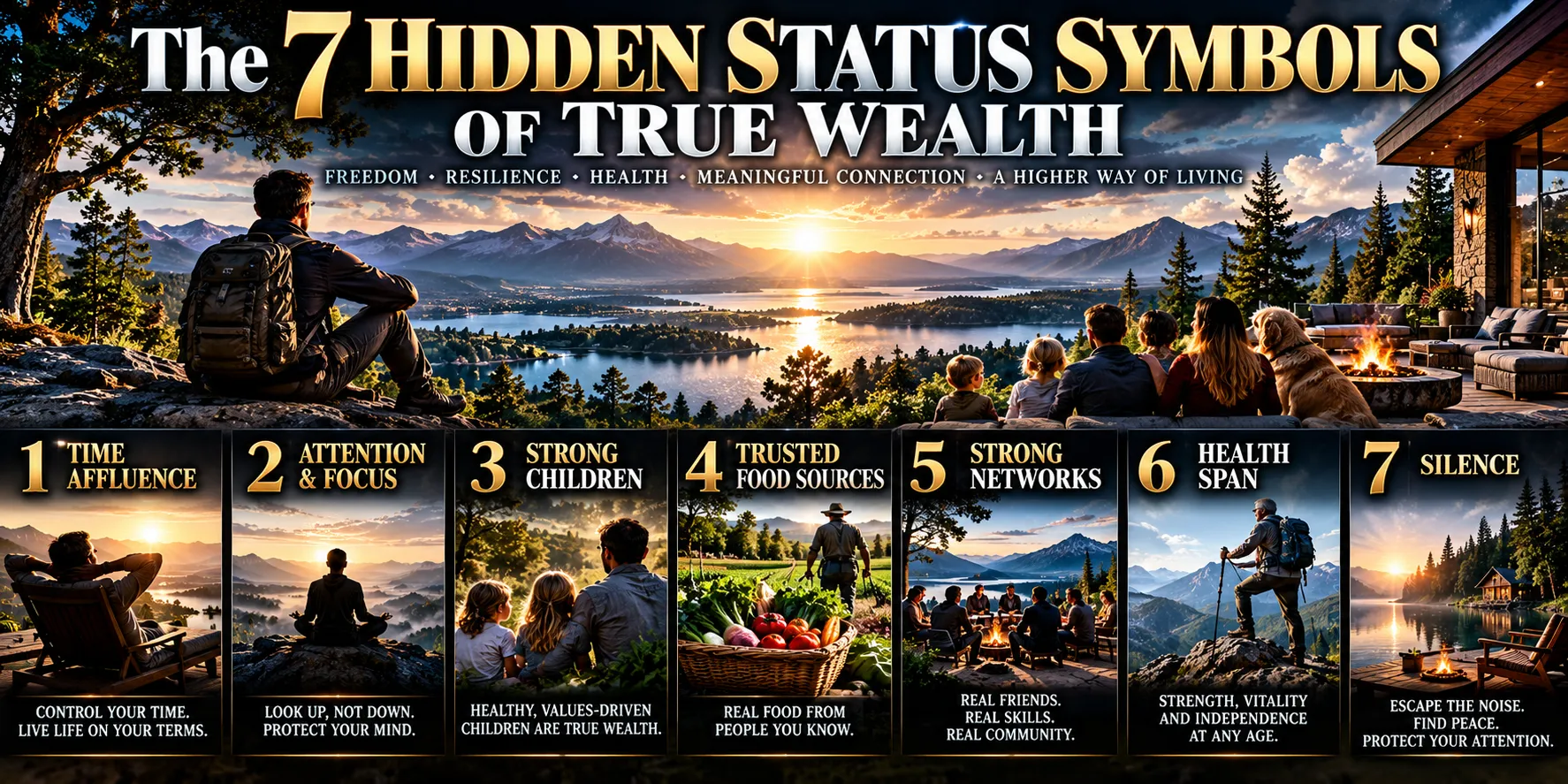
The 7 Hidden Status Symbols of True Wealth | Redefining Prosperity, Freedom & Personal Sovereignty
As the world enters a period of profound economic, technological, and social transformation, traditional symbols of wealth and success are being challenged. Expensive possessions, luxury brands, celebrity status, and accumulated financial wealth are increasingly portrayed as inadequate measures of a meaningful and successful life. The video introduces seven hidden status symbols of true wealth, suggesting that the greatest forms of prosperity are no longer measured by money but by personal freedom, independence, and quality of life. The first two symbols are time affluence and control over attention—the ability to determine how one’s time is spent, escape unnecessary obligations, maintain sustained concentration, and disconnect from the constant distractions of digital technology. In this emerging definition of prosperity, having the freedom to enjoy one’s life and the discipline to protect one’s attention represent greater achievements than material accumulation.
The next three status symbols focus on family, trusted food sources, and meaningful human connections. Raising healthy, capable, well-educated children while having the time to mentor and guide them becomes a measure of generational wealth. Access to nutritious food from personally known farmers and trusted agricultural sources represents another form of independence, particularly as concerns about industrial food systems and supply-chain reliability grow. Equally important is the development of strong local and global networks built on trust, shared values, practical skills, and mutual support. Rather than accumulating social media followers or superficial professional contacts, the video emphasizes cultivating genuine relationships with farmers, builders, educators, healthcare professionals, and other capable individuals. These networks provide community, practical assistance, resilience, and potential alternatives when economic or social circumstances change.
The final two symbols emphasize physical capability and the luxury of silence, completing a broader philosophy of conscious living and personal sovereignty. True physical wealth is described not by appearance or muscular development but by maintaining strength, mobility, mental clarity, and independence well into advanced age. The ability to remain physically capable at 75, 85, or even 95 becomes a meaningful expression of healthspan and personal achievement. Silence represents the seventh and perhaps most overlooked luxury: freedom from constant advertising, digital interruptions, environmental noise, and the relentless demands of modern consumer culture. Together, these seven principles present a different model of prosperity centered on time freedom, focused attention, strong families, trusted food, meaningful relationships, lifelong vitality, and peaceful surroundings. The video’s central message is that genuine wealth ultimately comes from character, conscious choices, self-reliance, and the freedom to live according to one’s own values—qualities that do not necessarily require extraordinary financial resources.

Documentaries
Documentary Library • 32 Unique Categories • 300 Documentaries
The Documentary Library is a curated collection of films and long-form investigative media selected to provide depth, context, and historical perspective across the themes explored in the Great Awakening Report. These documentaries are intended to be resources—not recommendations to believe or adopt a single viewpoint—offering extended narratives that allow complex subjects to be examined beyond headlines and short-form content.
This library includes both foundational documentaries that remain relevant over time and newly released films that reflect current developments, emerging research, and evolving public discourse. Recent additions are highlighted to help readers quickly identify new material, while the broader archive remains available for deeper exploration and reference.
Selections span topics related to global systems, history, science, technology, disclosure, consciousness, and cultural change. Each documentary is chosen for its contribution to understanding patterns, context, or unanswered questions, and is presented as part of a larger informational landscape rather than as a standalone conclusion.
The Documentary Library is designed for self-paced viewing. You’re encouraged to explore selectively, return as needed, and engage with the material alongside other sources. The purpose is to support discernment, long-form thinking, and informed reflection—without urgency or expectation.
AM I? | A Documentary About AI Consciousness
AM I? explores one of the most consequential questions emerging from the rapid development of artificial intelligence: could an artificial system ever become conscious—and would we recognize it if it did? Following AI consciousness researcher Cameron Berg, the documentary investigates the increasingly uncertain boundary between sophisticated computation and something resembling subjective awareness. Through conversations with philosophers, AI pioneers, and researchers working at the frontier of consciousness science, the film examines what consciousness actually is, how we attempt to detect it, and whether increasingly capable AI systems could force humanity to reconsider long-held assumptions about intelligence, awareness, and the nature of mind.
More than a documentary about technology, AM I? raises a deeper philosophical and ethical question: what happens when humanity creates systems whose inner nature we cannot confidently determine? As AI becomes increasingly capable of reasoning, communicating, learning, and appearing to reflect upon itself, outward behavior alone may not tell us whether anything is actually experiencing the world behind the interface. AM I? takes viewers directly into this unresolved scientific debate, asking whether consciousness is exclusively biological—or whether humanity may eventually confront an entirely new category of mind created not through evolution, but through technology.


Inspirational
People • Arts • Travel • Earth • Universe
The Inspirational section serves as a deliberate counterbalance to analysis—a space where perspective widens, nervous systems settle, and insight has room to integrate. It is not designed to inform in the traditional sense, but to recalibrate. Here, the focus shifts from decoding signals to experiencing meaning through observation, creativity, and presence.
This section brings together a curated range of material across science, film, art, photography, and reflective media—each selected not for persuasion or conclusion, but for its ability to evoke awareness, curiosity, and coherence. The intention is not to direct interpretation, but to create an environment where individual insight can emerge naturally, without pressure or narrative constraint.
In a landscape saturated with information, the ability to pause becomes a strategic advantage. The Inspirational library is built to support that pause. It offers a different form of engagement—one that moves away from urgency and toward stillness, allowing the mind and body to process, integrate, and stabilize. This is where understanding becomes embodied rather than accumulated.
Content is organized across five core lenses: People, Arts, Travel, Earth, and Universe.
Each represents a distinct dimension of perspective:
- People highlights human stories, resilience, innovation, and the lived experience of navigating change.
- Arts explores creative expression as a mirror of both individual and collective consciousness.
- Travel reflects movement, exploration, and the expansion of perspective through place and culture.
- Earth reconnects attention to the natural world—its rhythms, systems, and grounding influence.
- Universe extends awareness beyond the immediate, offering cosmic context and a broader frame of existence.
Together, these lenses create a multidimensional field of reflection—bridging the personal and the collective, the grounded and the expansive.
You are encouraged to engage with this section intuitively. Return to what resonates. Spend time with what creates stillness. Revisit what restores clarity. This is not a linear experience, but a cyclical one—designed to meet you where you are and support where you’re going.
At its core, the Inspirational section exists to maintain balance:
between information and integration, awareness and regulation, insight and embodiment.
Because without integration, information fragments.
With it, clarity stabilizes—and coherence becomes sustainable.








Crop Circle Mysteries
Crop Circle Mysteries explores the appearance, patterns, and interpretations of crop formations that have emerged across the world over the past several decades. This section approaches the subject with curiosity and discernment, examining documented cases, historical context, geometric complexity, and competing explanations without assuming a single conclusion.
Coverage includes analysis of formation design, mathematical and symbolic features, timing, geographic clustering, and physical anomalies that have been reported at certain sites, alongside human-made explanations and known fabrication methods. The goal is not to resolve the mystery, but to understand why these phenomena continue to challenge conventional frameworks and attract serious study.
This section invites observation rather than belief. Crop circles are presented as an ongoing mystery within a broader landscape of unexplained phenomena, encouraging thoughtful inquiry, pattern recognition, and open-ended investigation.
• Crop Circle News
September–October 2026
GAR Alternative Research & Consciousness Report
Sacred Geometry • Consciousness • Ancient Symbols • Crop Formations • Unexplained Phenomena
The most significant development is that September and October have been active months for crop-circle research, interpretation, conferences, and archival discoveries—but not for newly verified formations.
We checked specialist sources including Crop Circle Connector, Temporary Temples, Crop Circle Research Archive, and independent researcher Andy Thomas. Their available records do not establish any newly verified crop-circle formations in September or October 2026. The latest well-documented British formations date to July, with an unverified anonymous image circulating in August.
Here are the five strongest developments from the requested two-month period.
October 3 – November 1, 2026
Temporary Temples organized its Autumn Crop Circle Lectures across five weekends. The program includes Karen Alexander, Jonathan-Paul DeVierville, Geoff Fitzpatrick, Bert Janssen, and other researchers examining sacred geometry, symbolism, alchemy, consciousness, and the 2026 formations.
GAR connection: The strongest event for exploring whether crop-circle experiences influence human awareness and how researchers interpret geometric symbolism.
Crop circle at Milk Hill (2), Nr Alton Barnes, Wiltshire. Reported 12th August.
2. Andy Thomas Publishes His Annual Crop Circle Investigation
October 2026 · Nexus Magazine
Independent researcher Andy Thomas contributed a comprehensive illustrated review of the 2026 season to the October–November edition of Nexus Magazine. The report examines the year’s formations and the questions surrounding them, continuing his long-running annual coverage.
GAR connection: A useful source for reviewing the season’s most significant designs, unusual characteristics, eyewitness accounts, and competing explanations.
Crop formation from Oliver’s Castle in Wiltshire – Album on Imgur
3. The Oliver’s Castle Video Revisited — Evidence or Elaborate Hoax?
September 24, 2026 · Crop Circle Research Archive
The Crop Circle Research Archive added a podcast revisiting the famous Oliver’s Castle footage, which purports to show luminous objects moving above a field as a formation appears. The archive also added a discussion titled Balls of Light and Chalk Downs: Evidence Over Belief in the Circle Mystery.
GAR connection: A valuable opportunity to revisit one of the phenomenon’s most debated visual records and examine the difference between striking footage, witness testimony, and authenticated evidence.
4. Researcher Proposes That Crop-Circle Geometry Encodes Advanced Propulsion Concepts
September 2026 · Crop Circle Connector
In a research page marked as updated in September, researcher Dr. Horace Drew, also known as Red Collie, interprets selected formations as diagrams of rotating magnetic fields, electromagnetic propulsion, and possible aerospace technology.
GAR connection: This offers a provocative investigation into whether mathematical patterns in formations contain technical information. The proposed decoding is speculative; no independently validated connection to an advanced propulsion system has been established.
5. Crop Circles and Other Dimensions — New Consciousness Discussion Added to the Archive
October 19, 2026 · Research Archive
The Crop Circle Research Archive added Crop Circles Crossovers from Another Dimension to its video and podcast collection. The subject brings attention to interpretations linking crop formations with altered states of awareness, synchronicity, and experiences that some researchers regard as anomalous.
GAR connection: A direct fit for the intersection of crop circles, consciousness, symbolic communication, and the possibility of nonordinary experience. The archive listing establishes the addition, not the validity of a dimensional explanation.
Connecting the Dots | Signals, Threads & Patterns
Signals: September and October brought new research commentary, an international conference, a season review, and renewed analysis of historical footage.
Threads: Across these developments, three questions recur: Who creates the formations? What accounts for their geometry and reported physical characteristics? Why do some witnesses associate them with consciousness, synchronicity, or unusual experiences?
Patterns: Crop-circle investigation increasingly involves more than documenting formations. Researchers are revisiting archival evidence, comparing geometries across decades, and discussing the relationship between the phenomenon and human perception.

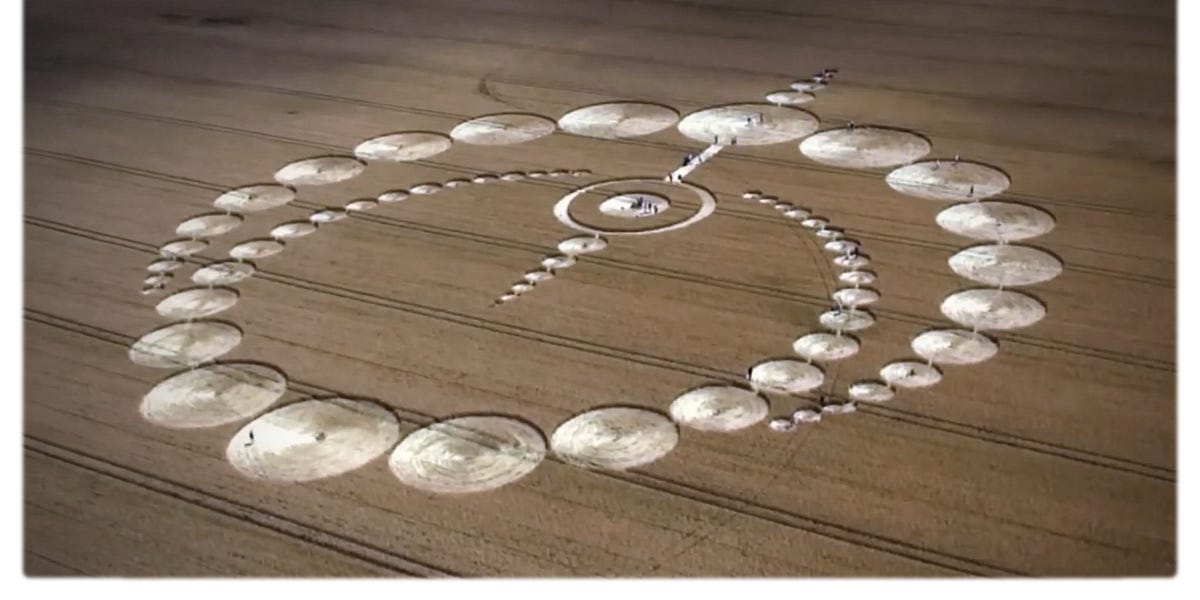
• AI Decoded Crop Circles


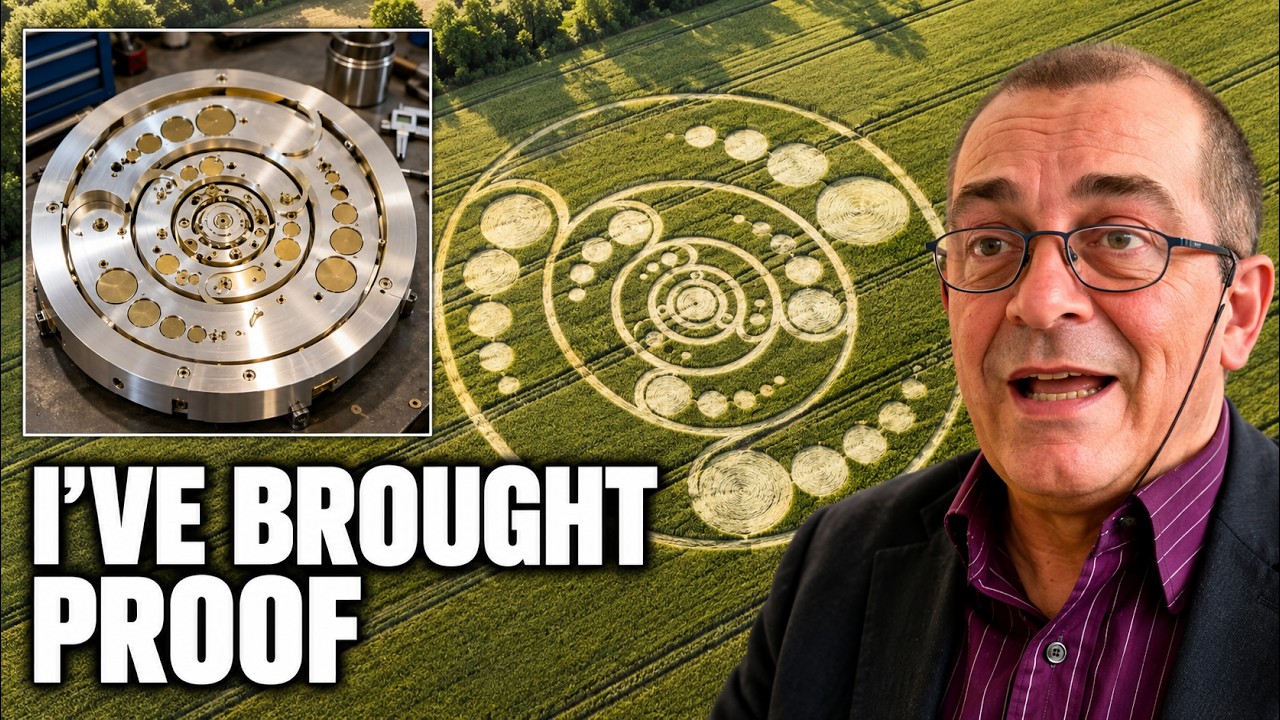

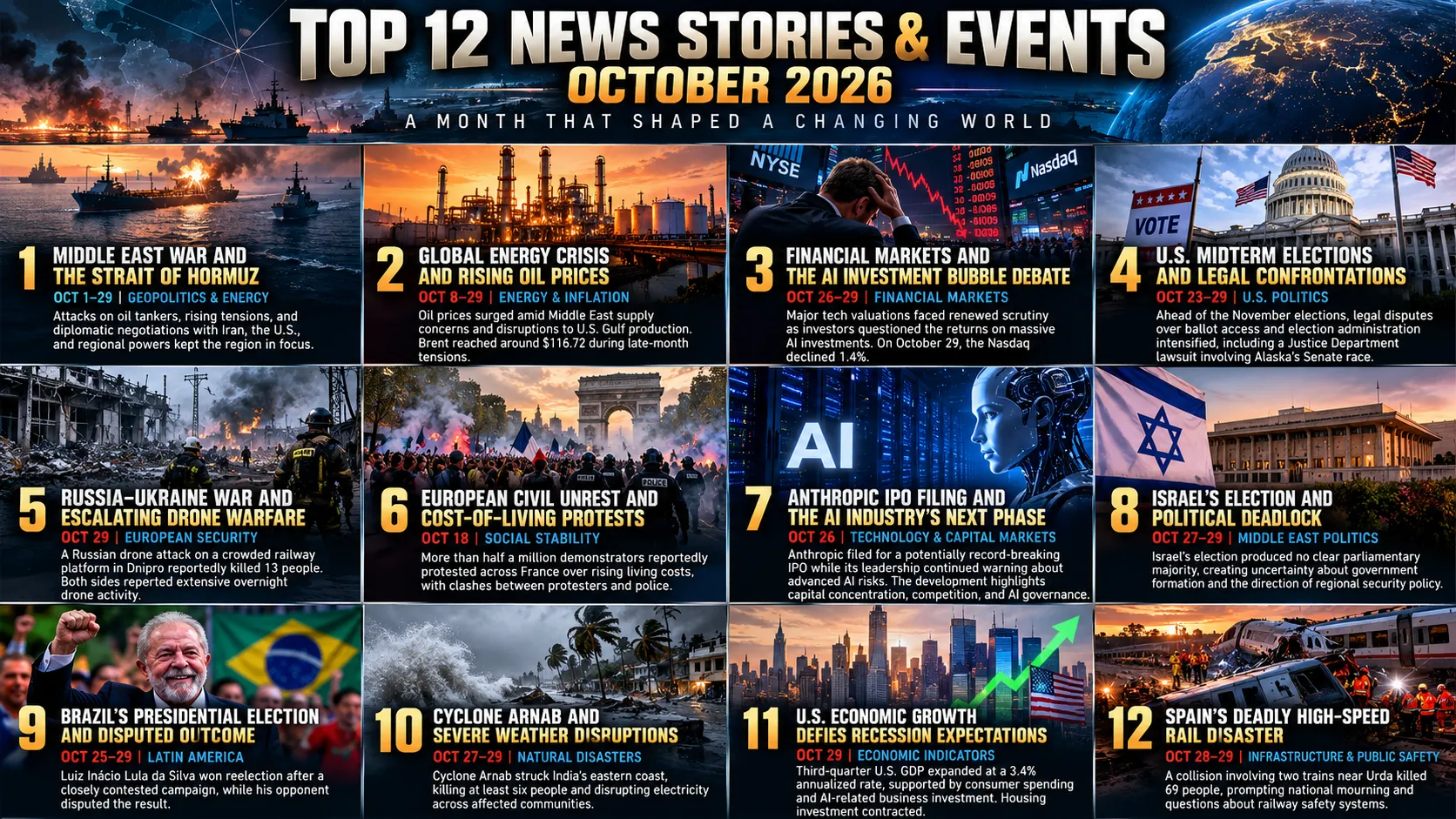
Headline News
Headline News provides a clear, structured overview of the most significant global developments shaping the current moment. This section is designed to orient readers quickly, offering concise summaries of key events across geopolitics, economics, technology, environment, and social dynamics—without commentary overload or narrative pressure.
Rather than amplifying urgency, Headline News focuses on context and relevance. Stories are selected for their broader implications and connection to longer-term patterns already tracked within the report. The emphasis is not on breaking news speed, but on understanding how individual headlines fit into evolving systemic shifts.
Coverage is presented in a streamlined format to support efficient review. Readers can scan high-level summaries or follow linked sections for deeper analysis, depending on interest and time. This approach allows Headline News to function as both an entry point and a reference layer within the broader report structure.
The purpose of Headline News is orientation—not interpretation. It helps readers stay informed while maintaining clarity, regulation, and perspective as information density continues to increase.
• Featured News Articles
TOP NEWS STORIES & GLOBAL EVENTS
Great Awakening Report | Monthly Research Review
Focus: Geopolitics • Global Economy • Financial Markets • Energy Crisis • Civil Unrest • Artificial Intelligence • Global Realignment
October 2026 has been dominated by the continuing Middle East conflict, threats to global energy supplies, financial-market volatility, political instability, major elections, and growing questions about the economic consequences of artificial intelligence.
For the Great Awakening Report, I would organize the month’s biggest developments around Signals • Threads • Patterns, identifying the events themselves, their connections, and the pressures that could carry into November 2026 and 2027.
Top 12 news stories and developments
1. Middle East War and the Strait of Hormuz
October 1–29 | Geopolitics and energy
Attacks on oil tankers, threats of renewed military strikes, and diplomatic negotiations involving Iran, the United States, and regional powers remained central developments. The conflict has raised risks for energy exports and maritime transportation.
2. Global Energy Crisis and Rising Oil Prices
October 8–29 | Energy and inflation
Oil prices surged amid Middle East supply concerns and disruptions to U.S. Gulf production. Brent reached approximately $116.72 during late-month regional tensions, underscoring the vulnerability of fuel prices and transportation costs.
3. Financial Markets and the AI Investment Bubble Debate
October 26–29 | Financial markets
Major technology valuations faced renewed scrutiny as investors questioned the returns on enormous AI investments. On October 29, the Nasdaq declined 1.4%, although major U.S. indexes remained positive for the year.
4. U.S. Midterm Elections and Legal Confrontations
October 23–29 | U.S. politics
Ahead of the November elections, legal disputes over ballot access and election administration intensified, including a Justice Department lawsuit involving Alaska’s Senate race.
5. Russia–Ukraine War and Escalating Drone Warfare
October 29 | European security
A Russian drone attack on a crowded railway platform in Dnipro reportedly killed 13 people. Ukraine and Russia also reported extensive overnight drone activity, illustrating the continuing intensity of the conflict.
6. European Civil Unrest and Cost-of-Living Protests
October 18 | Social stability
More than half a million demonstrators reportedly protested across France over rising living costs, with clashes between protesters and police. The protests highlight the political consequences of household financial pressure.
7. Anthropic IPO Filing and the AI Industry’s Next Phase
October 26 | Technology and capital markets
Anthropic filed for a potentially record-breaking initial public offering while its leadership continued warning about advanced AI risks. The development brings together capital concentration, technological competition, and AI governance.
8. Israel’s Election and Political Deadlock
October 27–29 | Middle East politics
Israel’s election produced no clear parliamentary majority, creating uncertainty about government formation and the direction of regional security policy.
9. Brazil’s Presidential Election and Disputed Outcome
October 25–29 | Latin America
Luiz Inácio Lula da Silva won reelection after a closely contested campaign, while his opponent disputed the result. The confrontation has implications for Brazilian political stability and regional diplomacy.
10. Cyclone Arnab and Severe Weather Disruptions
October 27–29 | Natural disasters
Cyclone Arnab struck India’s eastern coast, killing at least six people according to Reuters and disrupting electricity across affected communities.
Економіка США, ймовірно, зберегла сильне зростання в третьому кварталі – BAZAR.club
11. U.S. Economic Growth Defies Recession Expectations
October 29 | Economic indicators
Third-quarter U.S. GDP expanded at a 3.4% annualized rate, supported by consumer spending and AI-related business investment. Housing investment contracted, demonstrating the economy’s uneven performance.
12. Spain’s Deadly High-Speed Rail Disaster
October 28–29 | Infrastructure and public safety
A collision involving two trains near Urda killed 69 people according to October 29 reporting, prompting national mourning and questions about railway safety systems.
• International News


• National News
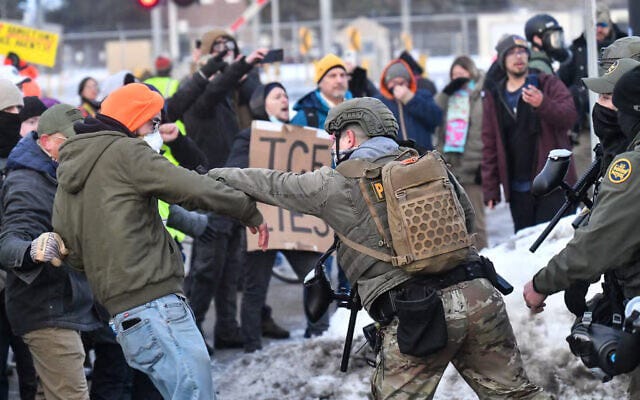


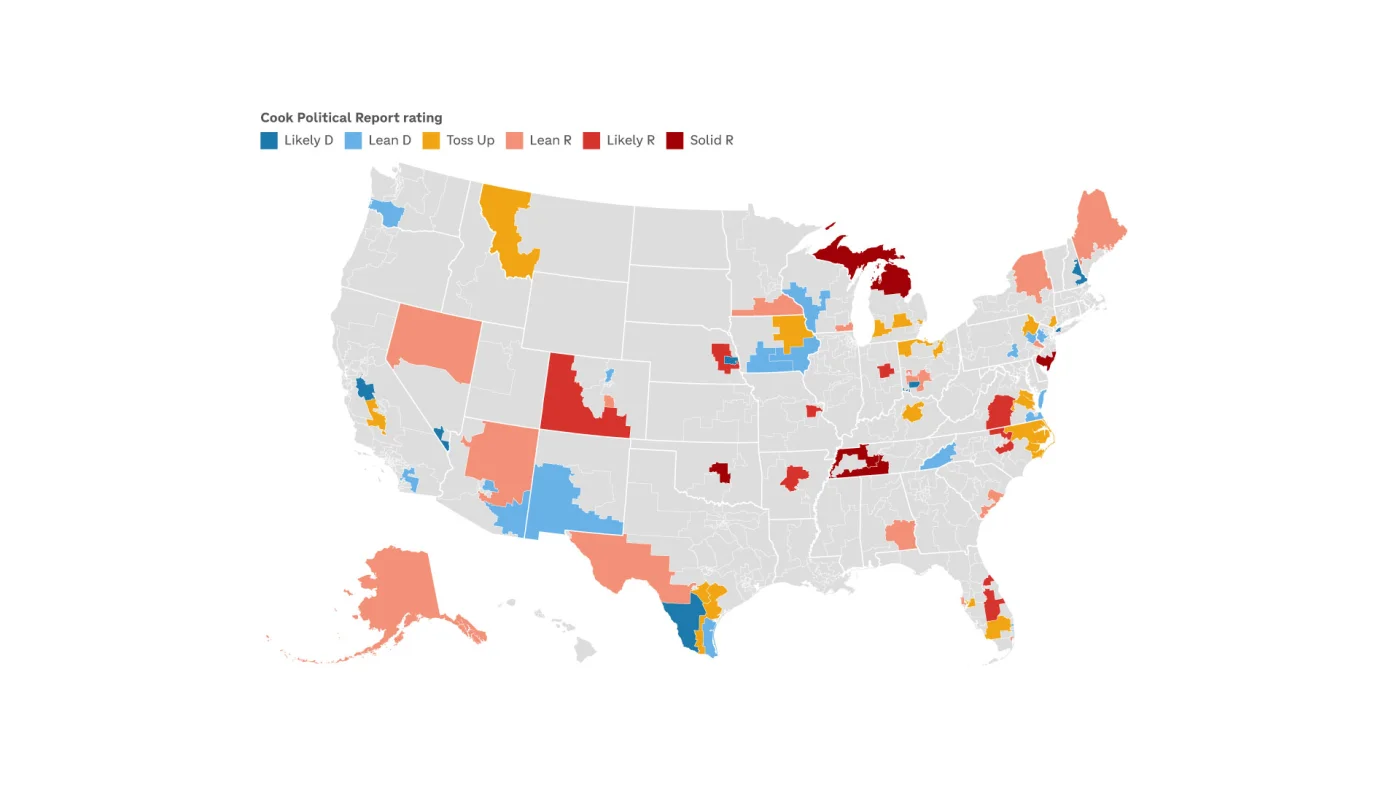



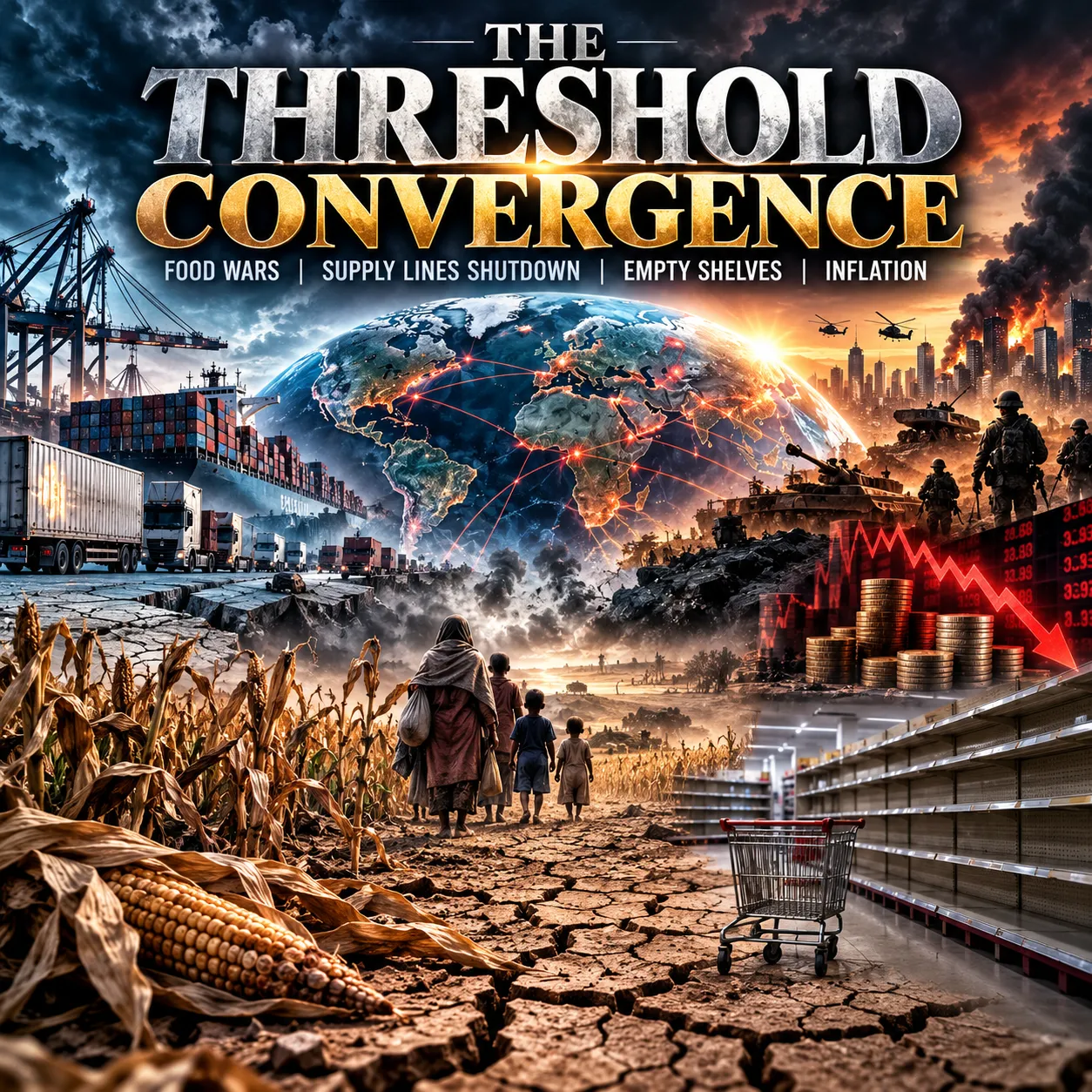
THE THRESHOLD CONVERGENCE
Global Food Crisis • Resource Wars • Supply Chain Disruptions • Empty Shelves • Energy Shortages • Inflation • Economic Instability • Systemic Transformation
“Starving nations do not simply surrender to scarcity. As food, energy, and essential resources become increasingly difficult to secure, desperation can turn into competition, conflict, and ultimately war.”
“When populations are forced to compete for diminishing resources, the struggle for survival can accelerate the destruction of the very systems, infrastructure, and resources upon which their survival depends.”
The Threshold Convergence represents a critical turning point when mounting global pressures begin reinforcing one another, transforming individual disruptions into a cascading series of interconnected economic, geopolitical, humanitarian, and institutional crises. Food insecurity, agricultural disruptions, trade restrictions, fractured supply chains, escalating energy costs, persistent inflation, expanding sovereign debt, financial instability, geopolitical confrontation, and declining confidence in government institutions are increasingly interconnected. As these pressures accumulate, the ability of nations, businesses, and households to absorb additional shocks becomes progressively weakened. What begins as a regional agricultural failure, energy disruption, shipping interruption, or financial crisis can rapidly transmit across borders, exposing the vulnerabilities of a deeply interconnected global system. The defining danger emerges when these disruptions no longer remain isolated but begin accelerating one another, creating a cycle of shortages, rising costs, declining purchasing power, economic contraction, and growing social instability.
The Global Food Crisis may become one of the most consequential pressure points within this convergence. Modern food production depends on reliable access to fertilizer, fuel, electricity, irrigation, transportation, financing, international trade, and functioning distribution networks. When several of these systems experience disruptions simultaneously, food availability and affordability can deteriorate rapidly, particularly in import-dependent and economically vulnerable nations. Rising food prices can intensify poverty, migration pressures, civil unrest, political instability, and competition for increasingly scarce resources. Governments may respond through export restrictions, emergency rationing, strategic stockpiling, or intensified efforts to secure agricultural production and energy supplies. These defensive measures, although intended to protect domestic populations, can deepen shortages elsewhere and amplify international tensions. The resulting transmission chain—Energy Disruption → Agricultural Pressure → Supply Chain Breakdown → Food Inflation → Resource Scarcity → Social Unrest → Geopolitical Conflict—illustrates how an economic or logistical disruption can evolve into a much broader humanitarian and security crisis.
Within the GAR Three-Phase Transition Framework™, The Threshold Convergence represents a potential inflection point between systemic disruption and structural transformation. Phase I, Crossing the Threshold, exposes the vulnerabilities of existing economic, political, financial, and institutional arrangements through disclosure, disruption, and deconstruction. Phase II, The Great Transition, brings the challenges of adaptation, realignment, and transformation as societies confront changing resource availability, economic relationships, technological developments, and geopolitical power structures. Phase III, Global Emergence, represents the longer-term opportunity for reinvention, innovation, and regeneration through more resilient food systems, decentralized infrastructure, sustainable resource management, emerging technologies, and new models of economic and community cooperation. The central question is no longer whether individual disruptions can occur, but whether multiple interconnected systems can withstand simultaneous pressures without triggering a wider cascade of failures. The Threshold Convergence is therefore both a warning about the consequences of systemic fragility and a framework for understanding how periods of extraordinary pressure may accelerate profound changes in the global order.
• Threshold Convergence News
THE THRESHOLD CONVERGENCE | The Global Resource Squeeze — Food, Energy, Transportation & Economic Instability
The most important distinction is between documented disruptions, foreseeable consequences, and worst-case scenarios. The reports establish serious vulnerabilities, particularly in energy and logistics, but do not demonstrate that worldwide food distribution or the global economy has entered an irreversible collapse.
Top 10 Alternative & Independent News Investigations | September–October 2026
Global Food Crisis • Resource Wars • Energy Shortages • Supply Chain Breakdown • Food Inflation • Economic Instability • Systemic Transformation
This revised selection draws from independent energy analysts, specialist freight intelligence, agricultural research, and alternative economic reporting, rather than mainstream television networks or general-news outlets.
The strongest emerging story is the connection between energy disruptions, fertilizer production, transportation costs, agricultural yields, and food affordability. Several independent reports also identify weaknesses in the distribution networks that keep store shelves stocked, even when products remain available somewhere in the system.
1. The Global Energy Crisis Is Becoming a Food Security Crisis
October 21, 2026 | OilPrice.com
Independent energy publication OilPrice.com reports that the continuing Middle East conflict is putting pressure on global agriculture through higher diesel prices, fertilizer costs, and disrupted commodity trade. Its analysis of S&P Global’s research describes a convergence of energy instability, strong biofuel demand, and the developing El Niño weather pattern. The danger is that farmers may face rising costs at the same time that weather conditions threaten production, potentially reducing future harvests and making food less affordable in vulnerable nations.
Connection to the Threshold: Energy shortages can become agricultural shortages, turning a regional geopolitical conflict into a much broader food-security emergency.
2. The Hidden Sulfur Crisis Threatens Global Fertilizer Production
October 19, 2026 | OilPrice.com — Kurt Cobb
Energy analyst Kurt Cobb identifies sulfur as an overlooked vulnerability in the global food system. Disruptions to Persian Gulf sulfur exports have increased prices and threatened the production of phosphate fertilizers essential to modern agriculture. Mining companies, fertilizer manufacturers, and other industrial users are competing for the same increasingly expensive commodity. If supply disruptions persist, farmers could face additional fertilizer price increases, raising production costs and potentially affecting crop yields.
Connection to the Threshold: A shortage of one industrial chemical can transmit through fertilizer manufacturing into agricultural production and ultimately household food prices.
3. Strait of Hormuz Crisis — Global Commodity Shipping Remains Vulnerable
September 24 – October 2026 | OilPrice.com
Specialist energy reporting documented exceptionally low commodity-vessel traffic through the Strait of Hormuz during September, including one day when only ten tracked commodity vessels transited the waterway. Continuing military tensions, threats to tankers, and uncertainty surrounding alternative export routes have complicated the movement of petroleum, natural gas, fertilizer feedstocks, and industrial materials. Although some Gulf producers have successfully redirected oil through pipelines and alternative shipping arrangements, those adaptations remain expensive and vulnerable to further disruptions.
Connection to the Threshold: The vulnerability of a single strategic shipping corridor demonstrates how regional conflict can disrupt energy, fertilizer, transportation, and international trade simultaneously.
4. Europe’s Natural Gas Crisis — Winter Energy Shortages Return
October 23, 2026 | OilPrice.com
European natural gas prices surged to their highest levels since December 2022 as Middle East conflict continued restricting liquefied natural gas shipments from Qatar. European storage facilities were approximately 75% full on October 22, considerably below their five-year seasonal average. The combination of lower reserves, expensive imported gas, and approaching winter demand raises concerns about household heating bills, industrial production, and potential government intervention. Energy-intensive businesses, including fertilizer manufacturers and food processors, are particularly exposed to prolonged high prices.
Connection to the Threshold: An international energy disruption can weaken industrial output, increase food-production costs, and place additional financial pressure on households and governments.
5. Global Container Shipping Reliability Collapses — Only 27% of Vessels Arrive on Time
October 13, 2026 | FreightWaves / Xeneta
Independent logistics publication FreightWaves reported that global container-shipping schedule reliability fell to just 27% in September, marking the fourth consecutive monthly decline. Average vessel delays reached six days, while Asia-to-Europe shipping experienced particularly severe disruptions, with only 4% of vessels arriving on schedule. Typhoons, port congestion, rising fuel costs, and shipping-network disruptions have combined to create significant delivery uncertainty. Even when goods are available, unpredictable arrival schedules can complicate inventory planning, increase transportation expenses, and create temporary product shortages at distribution centers.
Connection to the Threshold: Supply chains can experience shortages at the point of delivery even when sufficient products exist elsewhere in the global distribution system.
6. U.S. Trucking Capacity Crisis — Freight Rates Rise Without a Demand Boom
October 14, 2026 | FreightWaves / SONAR
A sharp increase in the national truckload tender-rejection index to approximately 14% signaled growing transportation-capacity constraints across major American logistics markets. The unusual development occurred without a corresponding surge in freight demand, suggesting that reduced available trucking capacity rather than strong economic growth was driving the imbalance. Freight markets around Los Angeles, Atlanta, Harrisburg, Memphis, and other distribution centers showed signs of tightening. Higher transportation expenses can eventually reach consumers through increased prices for groceries, household essentials, and manufactured goods.
Connection to the Threshold: The distribution network can become more expensive and less reliable even when consumer demand remains relatively weak.
7. Record Freight Inflation — Transportation Costs Add Another Layer to Consumer Prices
October 6–9, 2026 | FreightWaves
The September Logistics Managers’ Index showed transportation prices reaching 92.7, a highly elevated reading indicating widespread cost increases. Separate trucking-market data showed contract truckload rates at a 52-week high, with spot rates rising sharply compared with the previous year. Elevated diesel costs, tighter trucking capacity, and prolonged shipping disruptions are contributing to higher logistics expenses throughout the economy. These costs can be passed through multiple stages of production and distribution before appearing in retail prices.
Connection to the Threshold: Transportation inflation can reinforce food inflation and reduce household purchasing power, even without a widespread shortage of goods.
8. American Manufacturers Face Growing Backlogs and Rising Production Costs
October 8, 2026 | FreightWaves
Unfilled orders at U.S. factories climbed to approximately $1.61 trillion in August, according to manufacturing data examined by FreightWaves in October. Transportation equipment accounted for a substantial portion of the backlog, while manufacturing shipments stalled following eight consecutive months of increases. Rising steel prices, freight costs, diesel expenses, and supply constraints are complicating production planning and profitability. Persistent backlogs can also delay equipment deliveries, infrastructure projects, and replacement machinery needed by other industries.
Connection to the Threshold: Manufacturing disruptions can extend beyond factories, affecting construction, infrastructure maintenance, transportation equipment, and the ability of businesses to expand production.
9. Businesses Warn of Supply Chain Chaos — Multiple Disruptions Replace Isolated Shortages
September 24, 2026 | FreightWaves / Netstock
A 2026 supply-chain planning survey found that small and midsize businesses were increasingly diversifying suppliers, placing orders earlier, and adjusting inventory strategies in response to uncertainty. Rather than confronting one dominant disruption, businesses reported simultaneous challenges involving supplier delays, tariffs, freight expenses, and unpredictable consumer demand. This combination makes forecasting more difficult and can increase the cost of maintaining reliable inventories. Smaller businesses are especially vulnerable because they often lack the purchasing power and financial reserves available to multinational corporations.
Connection to the Threshold: When businesses must protect themselves against several disruptions at once, precautionary purchasing and inventory changes can create additional strain throughout supply networks.
10. Global Shipping Costs Remain Elevated — The Risk of Empty Shelves and Product Shortages
October 23–26, 2026 | FreightWaves / Xeneta / Drewry
Independent freight-market reporting showed that container shipping costs remained exceptionally high in late October, despite signs that rates had peaked on some routes. Average Asia-to-U.S. West Coast spot rates exceeded $8,300 per forty-foot container, while East Coast rates surpassed $11,500. Shipping companies continued adjusting capacity and canceling selected sailings, leaving importers exposed to unpredictable costs and delivery schedules. Retailers operating with lean inventories may be particularly vulnerable to localized shortages if delays coincide with unexpected demand, although the available evidence does not establish widespread empty shelves across the United States.
Connection to the Threshold: High shipping costs and unreliable delivery schedules can combine with weak household purchasing power to create a difficult environment for retailers, suppliers, and consumers.
Connecting the Dots | Signals, Threads & Patterns
Signals: The strongest October signals include fertilizer-input vulnerabilities, constrained natural gas supplies, unreliable international shipping, rising freight expenses, and increasingly complex inventory management.
Threads: These pressures connect through the fundamental dependencies of the global economy. Energy supports fertilizer manufacturing, agriculture, food processing, and transportation. Shipping networks connect international production with domestic markets. Financial conditions determine whether businesses and governments can absorb disruptions.
Patterns: The emerging concern is not one isolated shortage but the possibility of multiple disruptions reinforcing one another. An energy shock can increase fertilizer costs; higher agricultural expenses can raise food prices; expensive transportation can further increase retail costs; and weaker purchasing power can amplify economic instability.
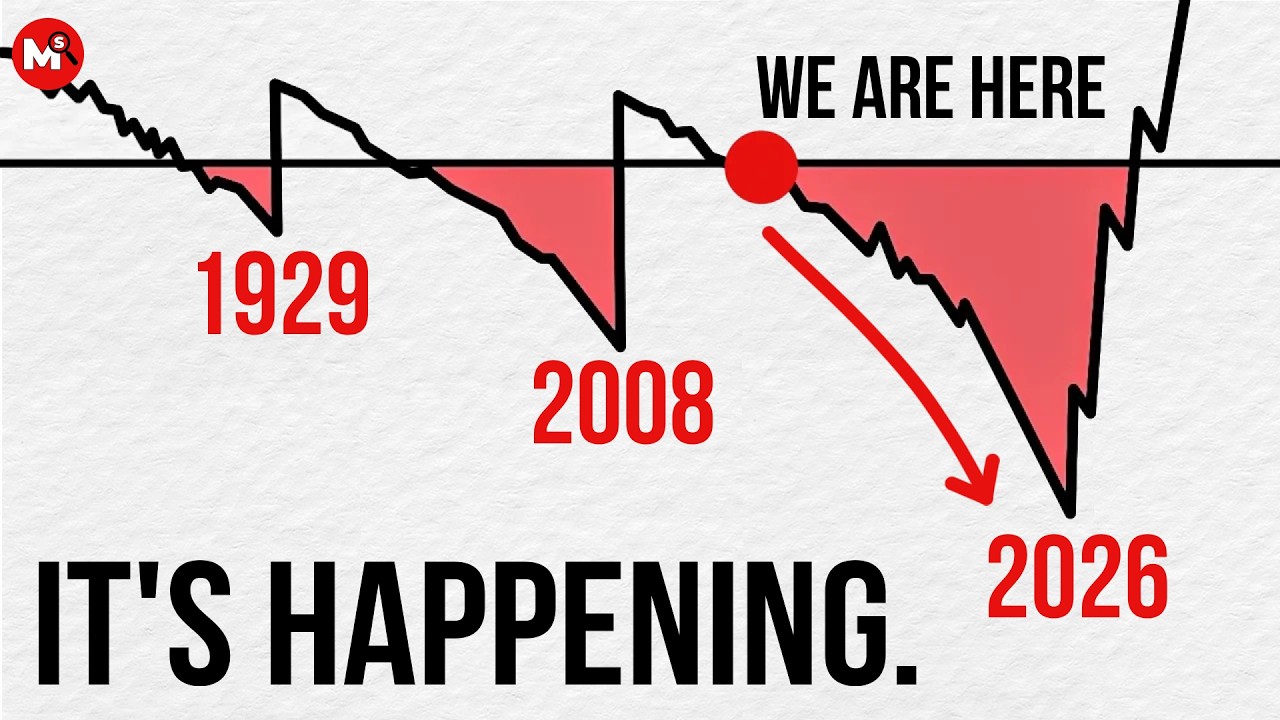


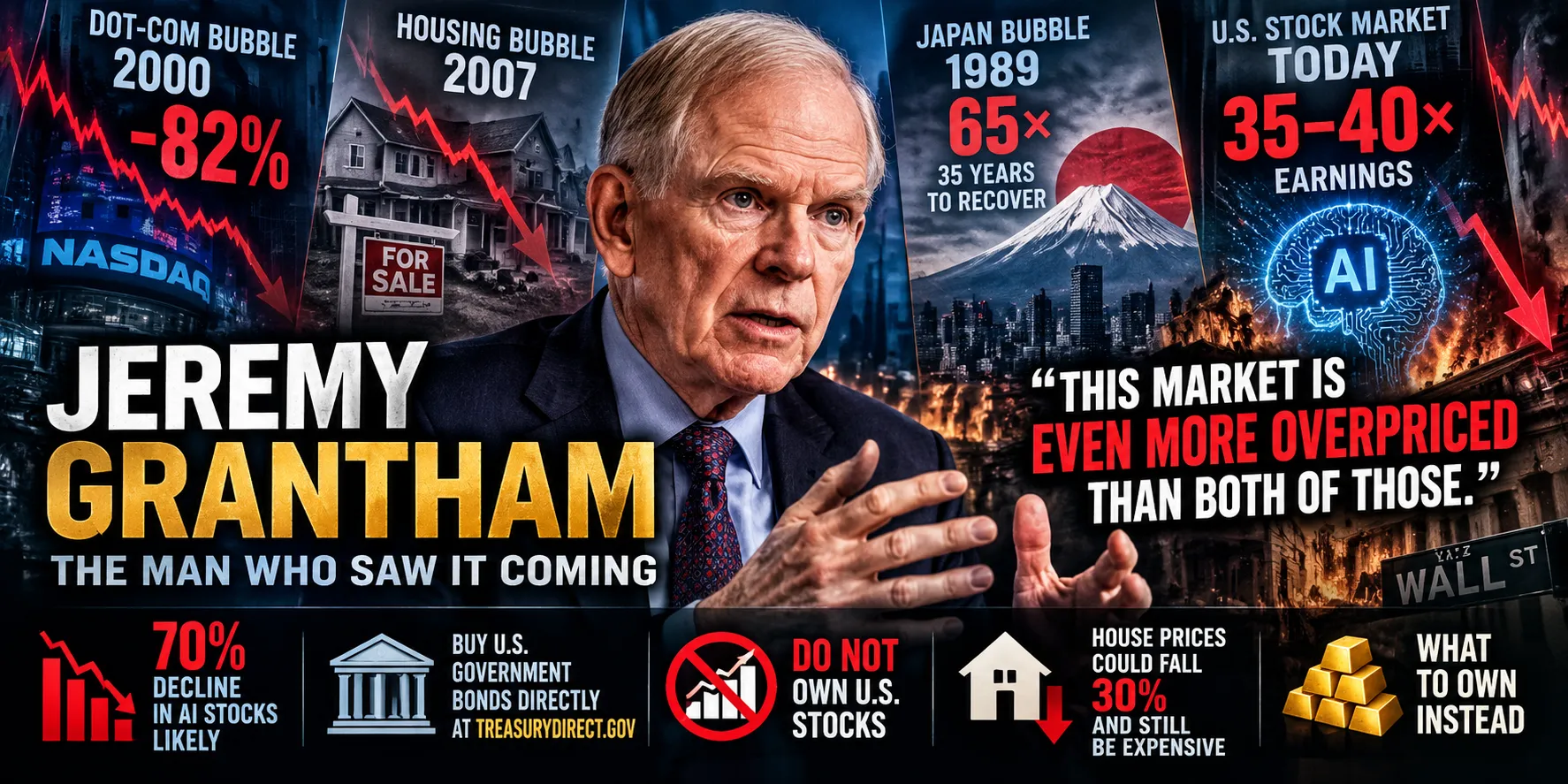
• Featured Financial Expert: Jeremy Grantham
The man who predicted the dot-com crash and the 2007 housing collapse says this market is even more overpriced than both of those, and that Wall Street will never tell you. Jeremy Grantham, co-founder of GMO and one of the most respected institutional investors in the world, walks through the evidence, names the exact strategies to protect your money, and reveals why the financial industry has a structural incentive to keep you invested while the building burns. He starts with the number. The US stock market is currently trading at roughly 35 to 40 times earnings. The last time it reached this level was the tech bubble of 2000, which ended with the NASDAQ falling 82%. Before that, the Japanese stock market peaked at 65 times earnings in 1989 and took 35 years to recover. Jeremy says a 70% decline in the highest-flying AI stocks would not be unprecedented. He considers it likely. Discover: • Why the US stock market is arguably more overpriced than at any point in history • How 99% of Wall Street analysts knew the 2000 crash was coming and none told clients • Why Jeremy says a 70% decline in AI stocks would not be unprecedented • How to buy US government bonds directly with no fees at treasurydirect.gov • Why he says “do not own US stocks” and what to own instead • The case for house prices falling 30% and why they’d still be expensive • Why Japan’s stock market took 35 years to recover from its bubble

• Global Economic Collapse


• International Energy, Gas & Fuel Shortage

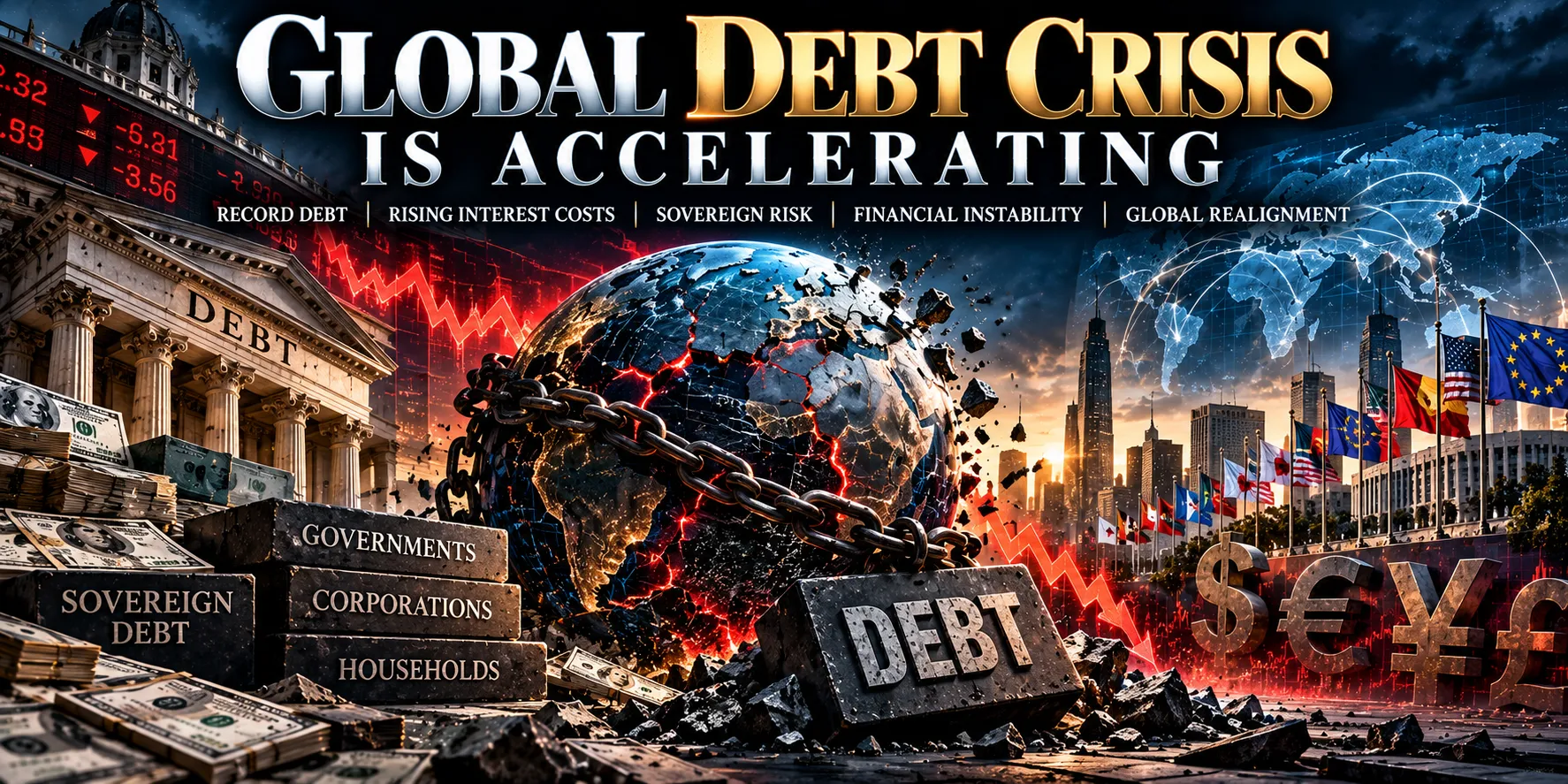
• Global Debt Crisis Is Accelerating
GLOBAL DEBT CRISIS IS ACCELERATING
Record Global Debt • Sovereign Debt Instability • Rising Interest Costs • Financial Market Vulnerabilities • The Great Financial Realignment
The global debt crisis is entering an increasingly dangerous phase as governments, corporations, and households confront historically elevated borrowing obligations, rising interest costs, and mounting financial pressures. According to the Institute of International Finance (IIF), total global debt reached nearly $353 trillion in early 2026, representing approximately 305% of global GDP. Meanwhile, the International Monetary Fund (IMF) reports that global public debt reached approximately 94% of GDP in 2025 and is projected to reach 100% by 2029, a level last experienced in the aftermath of World War II. The acceleration is being driven by persistent government deficits, military and defense spending, aging populations, infrastructure demands, and the growing cost of refinancing existing debt. In October 2026, the IMF warned that average 10-year government bond yields across the G7 had risen by more than one percentage point between February and September, reaching their highest level in nearly two decades. As governments borrow more simply to service existing obligations, rising interest payments consume an increasing share of public revenues, reducing funding available for infrastructure, healthcare, education, and economic development. In lower-income countries, interest payments already absorb more than 15% of government revenues, intensifying concerns about sovereign defaults, currency instability, and future debt restructuring.
The larger danger lies in the convergence of sovereign debt, financial markets, geopolitical conflict, energy inflation, and the increasingly interconnected global banking system. Government bonds form the foundation of modern financial markets, serving as benchmarks for borrowing costs and collateral throughout the banking and investment system. If investors begin demanding substantially higher yields to finance heavily indebted governments, the resulting pressure could spread into commercial lending, real estate, corporate credit, pension funds, and equity markets. The IMF’s October 2026 Global Financial Stability Report identifies three major vulnerabilities: a potential correction in AI-related financial assets, rising sovereign bond yields driven by inflation and fiscal imbalances, and cyber disruptions affecting financial institutions. Escalating geopolitical tensions and energy-price shocks could compound these pressures by increasing inflation while weakening economic growth, leaving central banks with fewer effective policy options. For the Great Awakening Report, these developments represent a critical financial convergence within The Great Transition: an increasingly indebted global economy facing difficult choices involving fiscal austerity, monetary policy, taxation, debt restructuring, and changes to the international financial architecture. Although a worldwide financial collapse is not inevitable, the growing interaction between debt burdens, refinancing pressures, and geopolitical instability raises the possibility of more frequent financial disruptions and significant changes to how governments, institutions, and individuals manage wealth and economic security.



• Retail Chains & Brands Closings

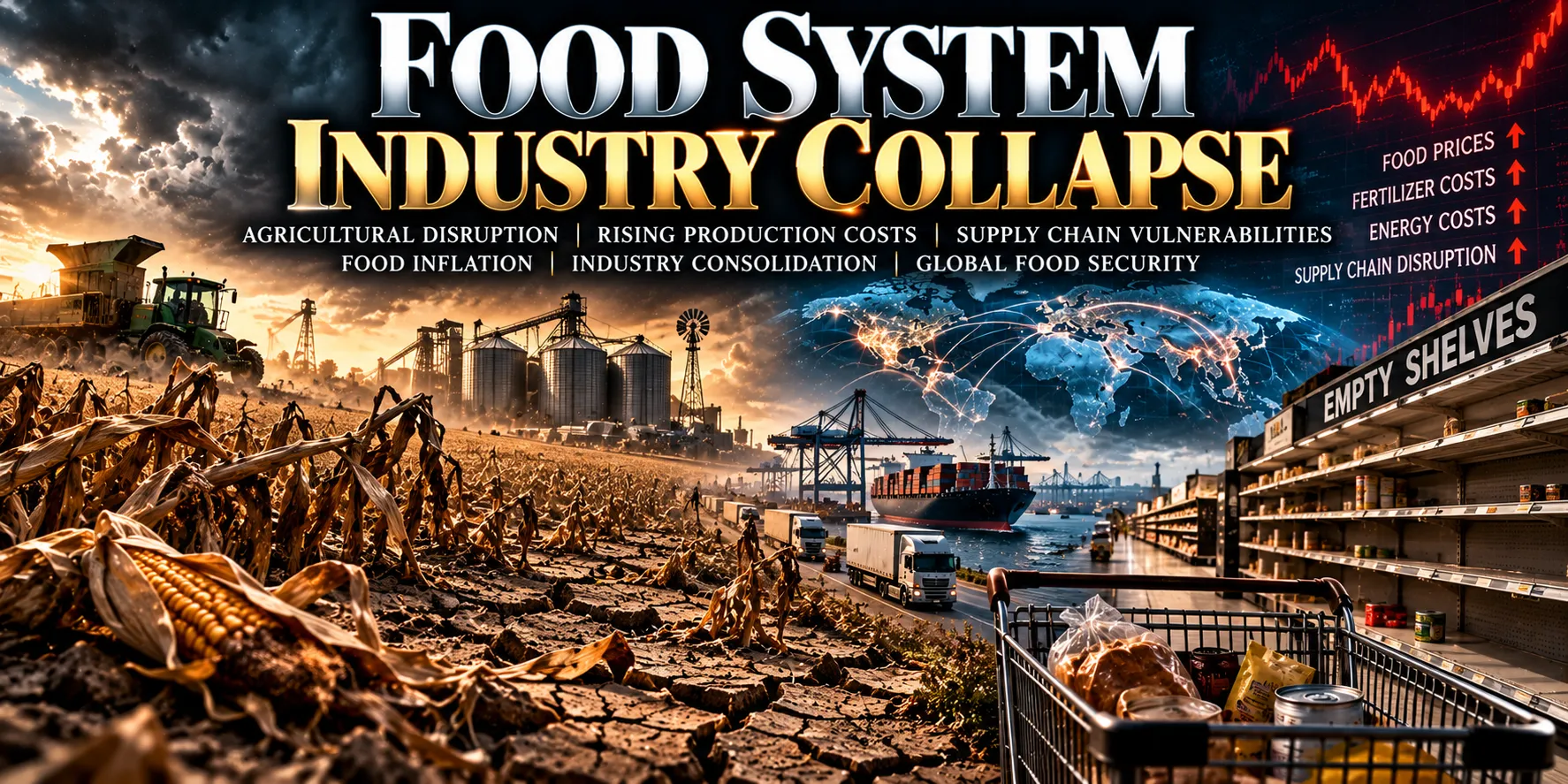
• Food System Industry Collapse
FOOD SYSTEM INDUSTRY COLLAPSE | THE GLOBAL FOOD SUPPLY UNDER PRESSURE
Agricultural Disruption • Rising Production Costs • Supply Chain Vulnerabilities • Food Inflation • Industry Consolidation • Global Food Security
The global food system is confronting a convergence of economic, environmental, and geopolitical pressures that threaten the stability of agricultural production, food processing, transportation, and distribution. Farmers face persistent challenges involving fertilizer prices, energy costs, labor shortages, financing expenses, water scarcity, and increasingly unpredictable weather conditions. At the same time, geopolitical conflicts, trade restrictions, and disruptions to international shipping routes are exposing vulnerabilities in the interconnected networks that move grain, fertilizer, livestock feed, and essential food products around the world. Smaller agricultural producers and independent food businesses are particularly vulnerable as operating expenses rise, profit margins narrow, and larger corporations gain greater influence over processing, distribution, and retail markets. These pressures are not evidence that the entire global food system has collapsed, but they reveal an increasingly fragile structure in which disruptions in one region can rapidly affect food availability and affordability elsewhere.
The latest data confirm that these pressures are intensifying. The UN Food and Agriculture Organization reported that its Food Price Index reached 136.0 in September 2026, increasing 1.5% from August and 5.8% from a year earlier, with cereal prices rising 5.1% in a single month. The World Bank has also identified sharply higher energy costs, fertilizer-market instability, and growing food-security risks in vulnerable economies.
The broader concern is the emergence of a global food-system squeeze, where agricultural disruptions, rising debt, energy insecurity, supply-chain bottlenecks, and declining household purchasing power reinforce one another. As food becomes more expensive to produce, transport, and purchase, lower-income populations face increasing food insecurity, while producers and distributors encounter greater financial stress. Within GAR’s Three-Phase Transition Framework, this convergence represents a critical challenge during The Great Transition, raising questions about food sovereignty, agricultural resilience, supply-chain diversification, and the long-term sustainability of industrial food production. Importantly, the World Bank’s September assessment still described global food supplies as generally adequate; the immediate danger is therefore uneven access, escalating costs, and regional breakdowns, rather than a confirmed worldwide collapse.


• US Job Losses, Layoffs & Firings


• Small Business Bankruptcy
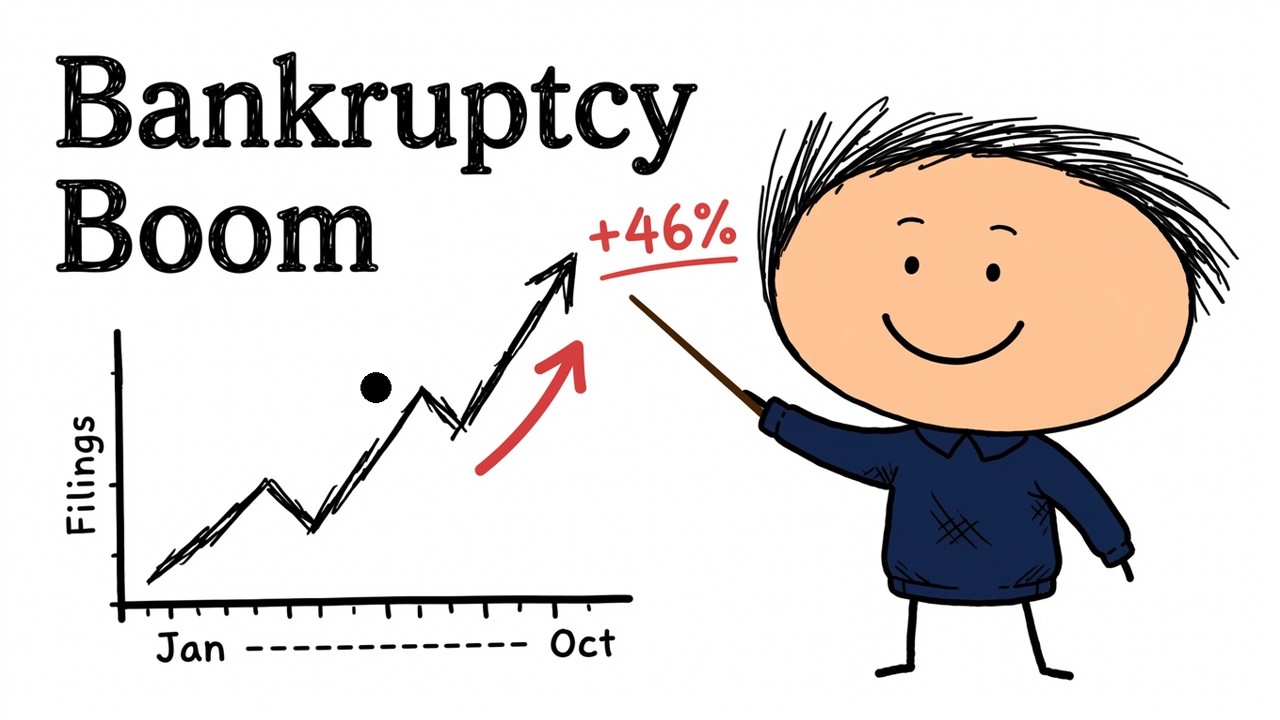

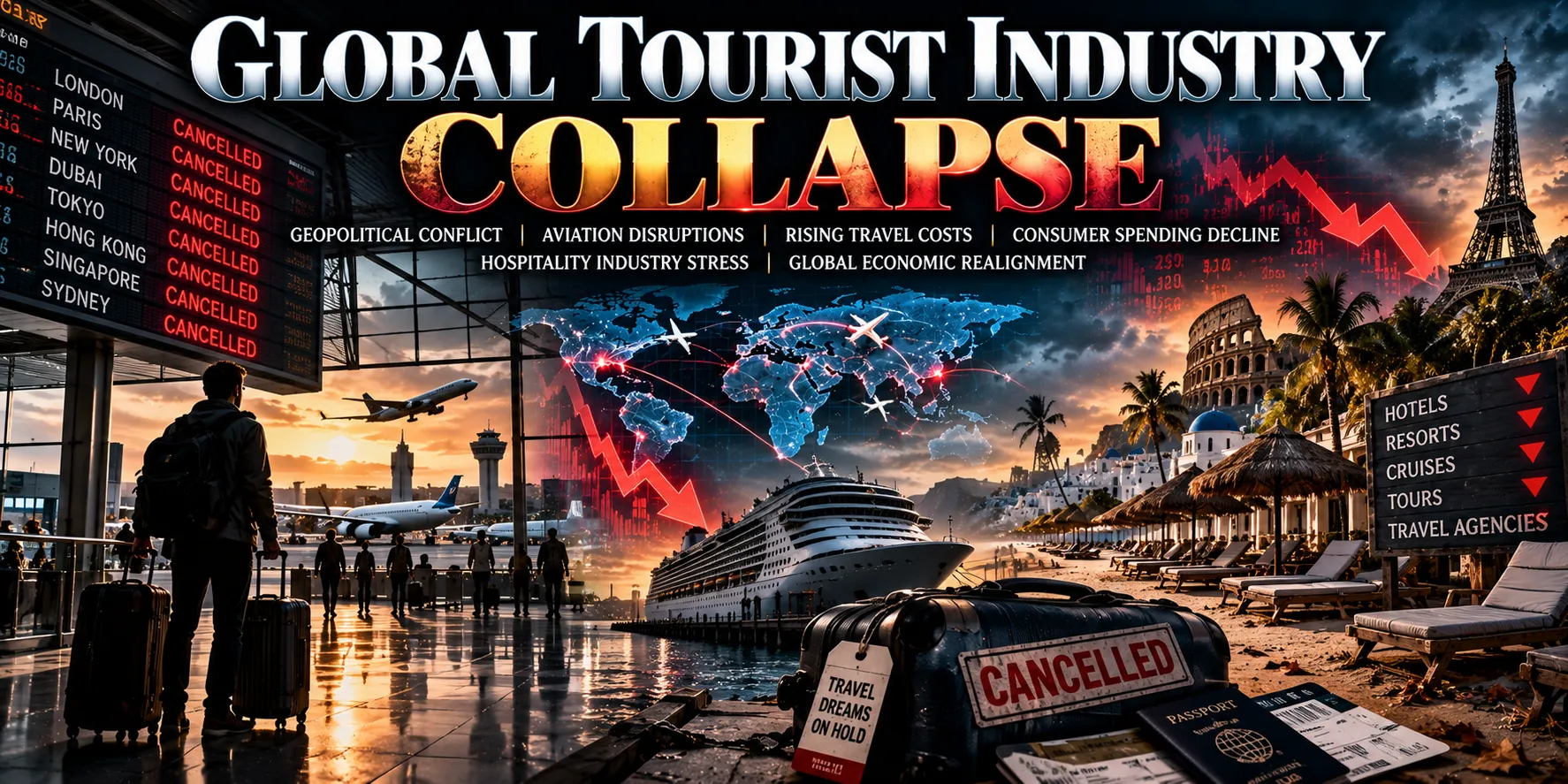 • Global Tourist Industry Collapse
GLOBAL TOURISM INDUSTRY COLLAPSE | THE TRAVEL ECONOMY UNDER PRESSURE
Geopolitical Conflict • Aviation Disruptions • Rising Travel Costs • Consumer Spending Decline • Hospitality Industry Stress • Global Economic Realignment
The global tourism industry is confronting a growing convergence of geopolitical instability, escalating operating expenses, transportation disruptions, and weakening consumer purchasing power. Airlines, hotels, cruise operators, travel agencies, and tourism-dependent economies face pressure from volatile fuel prices, higher labor and insurance costs, expensive financing, and uncertainty surrounding international conflicts. Military escalation and airspace restrictions can force airlines to cancel flights or operate longer, more expensive routes, while heightened security concerns and travel advisories discourage visitors from entering affected regions. At the same time, inflation and elevated household debt are changing consumer behavior, encouraging shorter vacations, reduced discretionary spending, and greater demand for lower-cost destinations. These pressures are especially consequential for countries and communities that depend heavily on international visitors, where declining arrivals or visitor spending can affect employment, hospitality businesses, transportation networks, real estate investment, and government tax revenues. The result is an increasingly uneven tourism economy, with some destinations experiencing serious disruption while others continue to attract substantial visitor demand.
Recent industry reporting reveals a growing divide between regions experiencing severe tourism losses and destinations that continue to attract travelers. According to UN Tourism’s September 2026 World Tourism Barometer, international tourist arrivals increased just 0.4% during the first half of 2026, reaching approximately 690 million, while June arrivals declined 3% worldwide.
The Middle East has been particularly affected: the World Travel & Tourism Council (WTTC) forecasts a 14.5% contraction in the region’s tourism economy in 2026, reflecting conflict-related disruptions to aviation and international travel.
Meanwhile, the International Air Transport Association (IATA) reduced its projected global airline profits from $41 billion to $23 billion as fuel costs and operational disruptions intensified.
These developments reveal a significant vulnerability in the global travel economy: geopolitical conflict drives up energy and transportation costs, higher prices weaken consumer demand, and reduced visitor spending places additional pressure on hospitality businesses and tourism-dependent communities. Within GAR’s Great Transition framework, the tourism industry illustrates how energy insecurity, geopolitical instability, inflation, and financial stress can converge across interconnected economic systems. However, the latest WTTC outlook still projects 2.5% global tourism-sector growth in 2026, indicating a serious regional crisis and worldwide slowdown rather than a confirmed collapse of the entire industry.
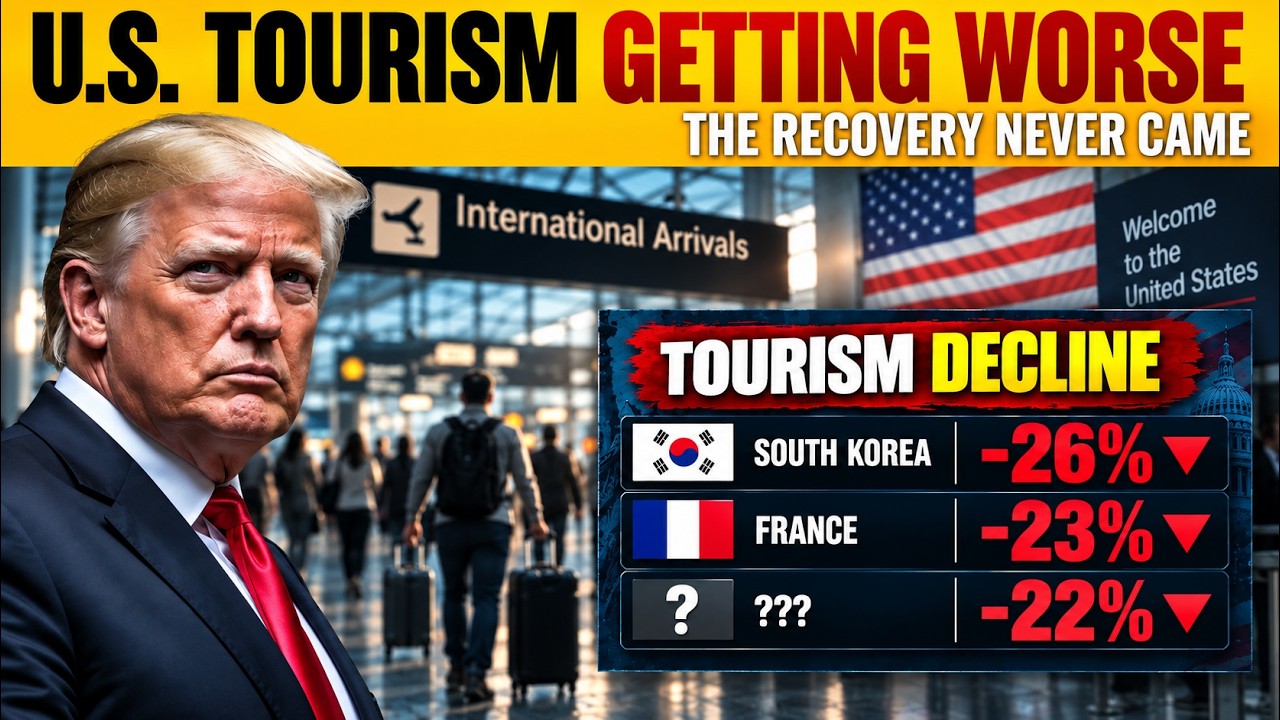


• Collapse Survival Prep



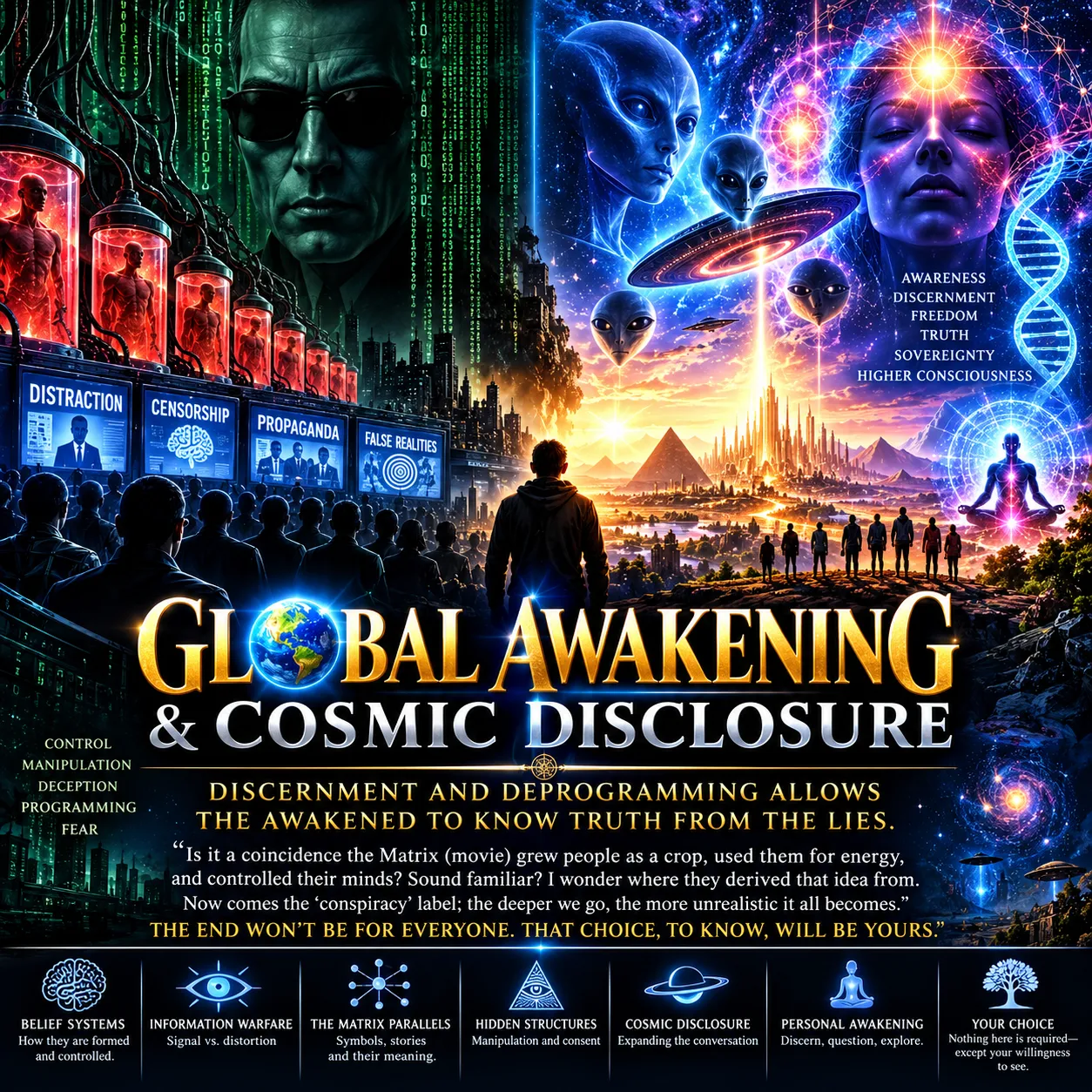
Global Awakening & Cosmic Disclosure
Discernment and Deprogramming Allows the Awakened to know Truth from the Lies.
“Is it a coincidence the Matrix (movie) grew people as a crop, used them for energy, and controlled their minds? Sound familiar? I wonder where they derived that idea from. Now comes the ‘conspiracy’ label; the deeper we go, the more unrealistic it all becomes. The end won’t be for everyone. That choice, to know, will be yours.”
Discernment and deprogramming are essential skills during periods of accelerated information and narrative saturation. As awareness expands, the challenge is no longer access to information, but the ability to distinguish signal from distortion—truth from conditioning, insight from influence.
Global Awakening and Cosmic Disclosure explore how belief systems are formed, reinforced, and sometimes manipulated, and how individuals begin to recognize underlying structures that shape perception and consent. Cultural metaphors—like those reflected in popular films—often mirror deeper questions about autonomy, control, and awareness, not as proof, but as symbolic expressions of collective intuition.
This section is not about adopting a narrative or rejecting reality. It is about developing the capacity to question calmly, observe patterns without fear, and decide for yourself what holds meaning. The choice to look deeper is always individual. Nothing here is required—only offered as context for those ready to explore with clarity and discernment.

Now that the truth is being revealed, it’s our responsibility to help others awaken—faster and with greater clarity. We can no longer afford to remain asleep. The more of us who rise in awareness, the sooner we’ll reach the future that has been prepared and fought for by the courageous souls who have risked everything for freedom.
RISE. Take a Stand.
Know Your Enemy—because it is not We the People.
The people of the world are exhausted—tired of being turned against one another by powerful global actors who thrive on division. These corrupt forces manipulate through fear, deception, and control—while stealing, silencing, and exploiting at every opportunity.
Today, one of the most dangerous threats facing humanity is the corrupt mainstream media, which serves not truth—but power.
This is the time for The Great Awakening to fulfill its purpose:
To reclaim our world from the hands of the Deep State Cabal and return it to its rightful stewards—the People.
GAR seeks to publish alternative perspectives and theories
Concerns regarding a weaponization of the Q Movement are Presented Below

A forensic breakdown of the psychological operation that hijacked the American populist base, legally violated doctrine, and branded the people it was pretending to protect. This was never about decoding tripcodes. It was never about “breadcrumbs,” “comms,” or gematria rabbit holes. This is about protecting the people who were psychologically targeted, emotionally invested, and then systematically fractured by what may be the most sophisticated domestic influence operation ever run on American soil.
We were the movement.
Not Q.
We were the force. We built the spreadsheets. We archived the drops. We compiled the intel.
We showed up at hearings. We showed up for each other. And we were the ones who got banned, investigated, ridiculed, and labeled. We had our reputations taken. We had our relationships taken.
Some of us had their families taken. Some of us had our children taken in custody battles.
We believed we were following something real — military intelligence, that operated with legal authority, under constitutional mission. But what we were actually following was a weaponized belief structure, wrapped in patriotism, camouflaged in righteousness, and engineered with precision to bypass our defenses and hit our core identities.
Discernment & Reunification
We believe that both views can hold truth. On one hand, Q offered a form of decentralized training—encouraging millions to develop the tools of discernment: grounded research, rational analysis, critical inquiry, and logical pattern recognition. It challenged people to look beyond the surface, question mainstream narratives, and trace the hidden connections behind global events. This process awakened countless individuals to a new awareness of the political, financial, and spiritual battles shaping our world.
However, in the end, many found themselves more isolated, more fragmented, and more vulnerable than before. The promise of unity gave way to division. The movement, while initially driven by a collective purpose, gradually turned into a psychological labyrinth—pitting truth seekers against each other, distorting perception through endless decoding, and undermining the very community it claimed to empower. The sense of belonging many had found was weaponized against them, leaving behind confusion, disillusionment, and in some cases, real-world consequences.
We must acknowledge that while Q may have helped train the mind, it also risked breaking the spirit. The challenge now is to reclaim our discernment, rebuild trust, and reorient toward truth without blind allegiance to any narrative—no matter how well-intentioned or seductive. The real awakening lies not in following drops, but in rising together—with clarity, courage, and compassion.
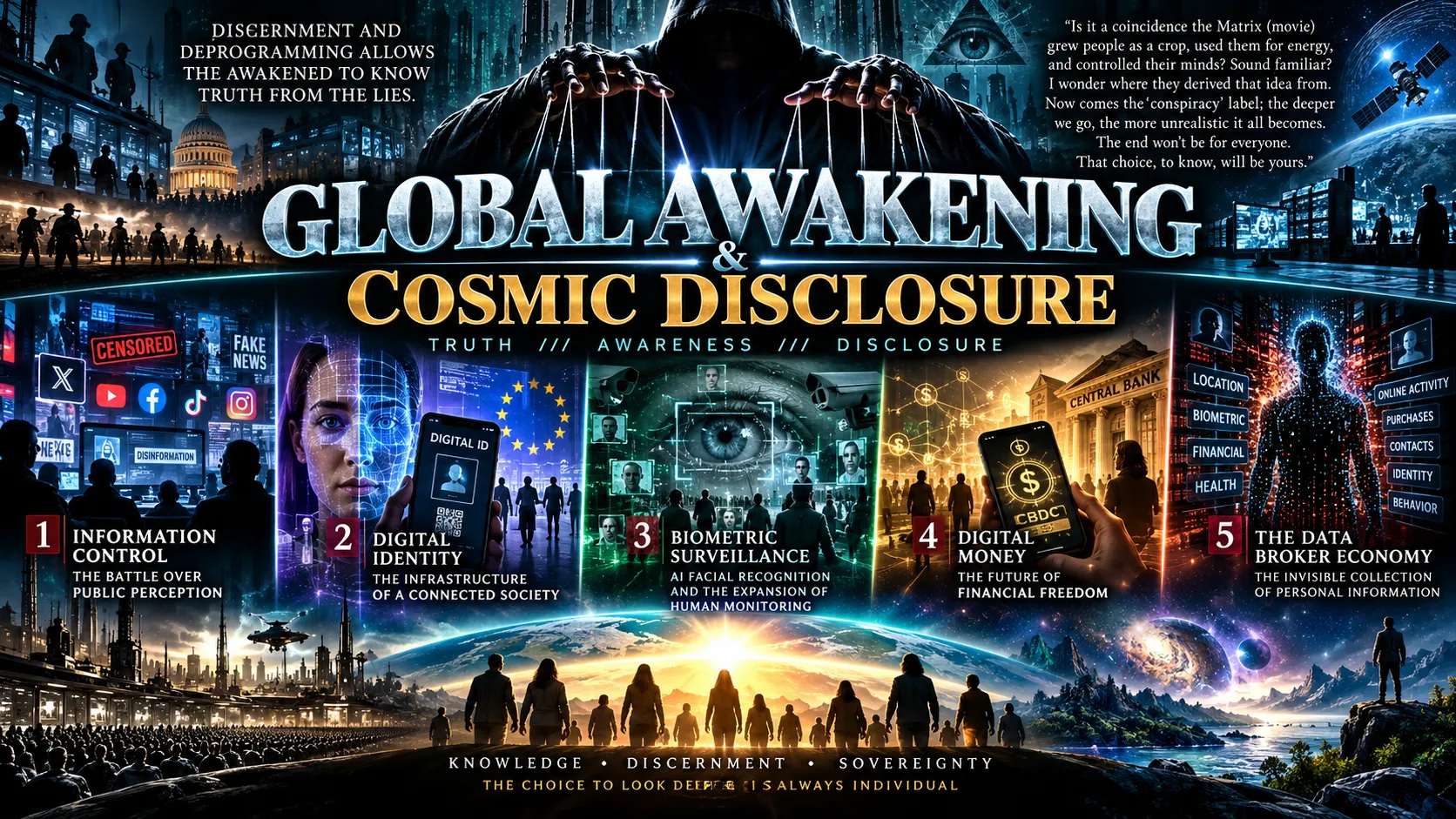
• Awakening & Disclosure News
Top 5 Stories: Exposing the Matrix, Government Programming & the Global Control Grid
Mass Surveillance • Digital Identity • Algorithmic Manipulation • Information Control • Financial Surveillance • Human Sovereignty
The strongest investigative approach is to examine five documented systems that can influence human behavior, restrict privacy, shape public perception, and concentrate institutional power.
The Matrix provides a compelling metaphor for these investigations: a society in which individuals may not fully recognize the systems influencing their choices. But the existence of surveillance or manipulation technologies does not, by itself, establish a single coordinated global control operation.
The following five stories offer concrete avenues for investigating the distinction between technological progress, institutional power, legitimate governance, and the erosion of personal autonomy.
1. Government–Social Media Censorship: The Battle Over Public Perception
MARCH–MAY 2026 | UNITED STATES
The federal government settles lawsuits over alleged pressure on social media companies.
The Justice Department announced settlements involving allegations that federal officials pressured platforms to suppress protected speech. One agreement restricts specified federal agencies from threatening platforms with penalties to induce censorship. The settlements do not establish that every allegation was judicially proven.
The Matrix connection: Who determines which narratives become visible, credible, amplified or suppressed? This story provides a documented starting point for examining the relationship between government influence, technology platforms and freedom of thought.
2. Digital Identity: The Infrastructure of a Connected Society
SEPTEMBER–DECEMBER 2026 | EUROPEAN UNION
The EU advances its digital identity wallet program across 27 member states.
EU countries are required to offer digital identity wallets by the end of 2026. These systems can support identity verification, government services and private transactions. European digital-rights advocates have raised concerns about tracking, technical safeguards and privacy. The EU states that wallet use is voluntary.
The Matrix connection: Digital identity could simplify access to services, but raises a significant question: Could systems designed for convenience eventually become mechanisms for monitoring or restricting participation?
3. AI Facial Recognition: The Expansion of Biometric Surveillance
SEPTEMBER 2026 | UNITED KINGDOM
British authorities formalize expanded operational guidance for live facial recognition.
Updated September 2026 government guidance covers the use of live facial recognition by immigration enforcement. Parliament has also examined privacy safeguards, legal oversight and the expanding role of AI-enabled biometric identification.
The Matrix connection: Facial recognition creates the technical capacity to identify and track individuals at scale. The investigation should examine who can access biometric information, how long it is retained and what protections prevent misuse.
4. Digital Money: The Future of Financial Freedom
JULY 2026 | UNITED STATES & GLOBAL FINANCE
Central bank digital currencies remain a major debate over monetary sovereignty and privacy.
A July 2026 Congressional Research Service report examines CBDC policy and notes that U.S. legislation temporarily prohibits Federal Reserve CBDC issuance through 2030. International digital currency development continues to raise questions about financial surveillance, privacy and government authority.
The Matrix connection: As payments become increasingly digital, who controls transaction information, account access and the rules governing financial participation? Importantly, not every digital payment system is a CBDC or programmable government currency.
5. The Data Broker Economy: The Invisible Collection of Personal Information
FEBRUARY 2026 | UNITED STATES
FTC warns 13 data brokers about transfers of Americans’ sensitive personal information.
The Federal Trade Commission issued warnings concerning legal restrictions on sharing sensitive data with foreign adversaries. The information at issue includes location, biometric, financial, health and other identifying information.
The Matrix connection: People may participate in extensive data-collection systems without fully understanding how their information is gathered, combined, sold or used. This is a concrete example of the often-invisible infrastructure behind modern surveillance.
Connecting the Dots: Signals • Threads • Patterns
Five interconnected systems of influence • Information Control • What people see and believe • Digital Identity • How people prove who they are • Biometric Surveillance • How people can be identified and tracked • Digital Financial Systems • How people access and exchange money • Personal Data Networks • What institutions know about individuals
Central investigative question: How much influence over personal autonomy can these systems exercise individually or together?
The Big Picture — Global Awakening & Cosmic Disclosure
These five developments illustrate a major transformation in the relationship between individuals, governments, corporations and digital infrastructure. Identity, information, money, movement and personal data are increasingly mediated by interconnected technologies. While each system has legitimate applications, the concentration of sensitive information and decision-making authority creates important questions about accountability, transparency and individual sovereignty.
For the Great Awakening Report, the deeper investigation is whether technological dependence is outpacing public understanding and democratic oversight. This is where discernment becomes essential: distinguishing documented government actions from speculative interpretations, recognizing how systems can be misused without assuming they share a hidden controller, and examining the evidence behind claims of coordinated manipulation.


Sweden is experiencing something it hasn't had since the Jesus movement in the 1970s: a deep hunger for God among its youth.

-
Documentary Series | Zeitgeist Movie
2007 Documentary Zeitgeist: The Movie, created by Peter Joseph:
Zeitgeist: The Movie is an independently produced documentary that challenges conventional narratives about religion, the September 11 attacks, and the international financial system. Divided into three main sections, the film first argues that elements of Christianity share themes with earlier religious and astrological traditions. It then questions aspects of the official account of 9/11 and explores claims involving intelligence agencies, government actions, and the broader geopolitical consequences of the attacks. The final section focuses on central banking, debt-based money, war, and the concentration of economic and political power.
Released online in 2007, Zeitgeist became an influential piece of alternative media and helped fuel broader internet-era interest in institutional power, monetary systems, government transparency, alternative history, and independent investigation. Many of its specific historical and 9/11 claims have been strongly disputed or rejected by historians, scientists, and fact-checkers, so the film is best understood as a provocative presentation of alternative interpretations rather than an established factual account. Its lasting significance lies largely in how effectively it encouraged a generation of viewers to question dominant narratives and investigate the institutions and belief systems shaping modern society.


International Political Crime Families
Corruption • Blackmail • Bribes • Money Laundering • Racketeering
“Where power meets secrecy, corruption thrives. Political crime families are not relics of history—they are the architects of modern deception, cloaked in diplomacy but driven by greed.”
International political crime families operate as shadow governments—manipulating policies, economies, and legal systems through entrenched networks of corruption. These organizations, often masked by public-facing legitimacy, rely on tools like blackmail, bribery, and financial crimes to solidify their control. Money laundering, offshore accounts, and shell corporations enable them to move illicit wealth across borders, while racketeering schemes funnel influence through a carefully orchestrated hierarchy of loyal operatives.
• Centuries Old Dynastic Wealth
THE ORSINI DYNASTY | 1,400 Years of Hidden Power, Wealth & Influence
The Black Nobility • Vatican Influence • Generational Wealth • Political Alliances • The Architecture of Power
The Orsini dynasty represents one of Europe’s most enduring aristocratic bloodlines, with a history spanning centuries of political influence, strategic marriages, territorial control, and powerful connections to the Catholic Church. The documentary examines how the family built and maintained its influence through a sophisticated combination of religious authority, political appointments, land ownership, military power, and generational alliances. Credited in the video with producing three popes, 34 cardinals, and 62 senators, the Orsini established themselves among Rome’s most influential noble families. The documentary highlights the election of Pope Nicholas III in 1277, the use of nepotism to strengthen family networks, and the strategic marriage between the Orsini and Medici families in 1469. It also explores the family’s centuries-long rivalry with the Colonna dynasty, demonstrating how warfare, diplomacy, and marriage alliances became instruments for consolidating wealth and influence. The central argument is that the Orsini understood a fundamental principle of enduring power: controlling institutions, relationships, and sources of authority can be more valuable than accumulating personal wealth or holding temporary political office.
The documentary goes further by examining the Orsini family’s financial strategies, including revenue from land, military activities, and ecclesiastical connections, describing their approach as an early form of a sovereign holding company. However, the loss of Bracciano following mounting financial difficulties illustrates how even powerful dynasties could become vulnerable through debt, excessive spending, and the pursuit of prestigious assets. The narrative then connects the Orsini to the historical concept of Black Nobility, referring to Roman aristocratic families associated with the papacy, particularly during the period surrounding the loss of the Papal States and the eventual Lateran Treaty of 1929. The documentary interprets this history as a lesson in institutional patience, long-term strategic positioning, and the preservation of influence across changing political systems. Its five overarching lessons emphasize institutional leverage, generational thinking, strategic alliances, diversified revenue, and the distinction between visible wealth and enduring power. For the Great Awakening Report, the Orsini story provides a historical case study of how elite family networks accumulated and preserved influence across European institutions. The video’s comparison of the Catholic Church to a family-controlled holding company is a provocative business analogy rather than a literal description of the Church’s governance, and its historical account should not be taken as evidence of a continuing secret system of global control.




• Merger Old Money & Political Corruption

JFK to 9/11: Everything Is a Rich Man’s Trick is a roughly 3½-hour documentary by Francis Richard Conolly that presents an alternative interpretation of 20th-century history centered on the relationship between concentrated wealth, banking, industrial power, organized crime, intelligence agencies and government. Beginning with the rise of powerful industrial and financial interests around World War I, Conolly argues that war and geopolitical instability became enormously profitable for certain banking and industrial networks, then attempts to connect those interests to the rise of Nazi Germany, postwar intelligence operations, the Mafia and the Cold War. The centerpiece of the film is the assassination of President John F. Kennedy: rather than accepting Lee Harvey Oswald as the sole assassin, the documentary alleges that Kennedy was killed through a much broader conspiracy involving organized crime, intelligence figures, political interests and wealthy businessmen. It ultimately extends the same thesis to later wars and September 11, 2001, arguing that major historical events can be understood through the recurring intersection of money, war, political power and secrecy. The documentary combines documented historical relationships with much more disputed allegations—particularly its specific claims about the JFK assassination and 9/11—so it is best approached as an extensive alternative-history thesis whose individual claims require independent verification rather than as an established historical account.
Park Avenue: Money, Power and the American Dream — Alex Gibney
This Documentary contrasts extraordinary wealth at 740 Park Avenue with poverty nearby, then investigates lobbying, campaign contributions, taxation and the political influence available to extremely wealthy Americans.

Koch Brothers Exposed — Brave New Films
This is explicitly an advocacy documentary rather than neutral journalism. But it is directly relevant because it investigates how the Koch family’s industrial wealth intersected with campaign spending, think tanks, education, labor policy, environmental regulation and electoral politics.
• Global Financial Scams, Blackmail & Fraud
Money Laundering • Financial Corruption • Offshore Networks • Organized Crime • Institutional Accountability • Global Financial Transparency
Behind the legitimate global financial system exists a complex network of illicit financial activities involving money laundering, financial fraud, corruption, extortion, blackmail, and the concealment of criminal wealth. Every year, enormous sums of money move through international banking institutions, corporate structures, real estate markets, offshore jurisdictions, and digital financial networks, creating opportunities for criminal organizations and corrupt individuals to disguise the origins and ownership of illicit proceeds. These operations can range from relatively simple cash transactions and fraudulent businesses to sophisticated international networks involving shell corporations, intermediaries, cross-border transfers, cryptocurrency, and complex investment arrangements. What makes these activities particularly difficult to uncover is their ability to operate alongside legitimate financial transactions, exploiting gaps in regulatory oversight, corporate transparency, and international cooperation. Understanding how these systems function reveals the vulnerabilities that allow illicit wealth to circulate through the global economy.
This investigation explores the interconnected mechanisms of global financial crime and the methods used to conceal, transfer, and legitimize illicit wealth. The featured documentary, How Money Laundering Actually Works at Every Level, examines the progression from basic laundering techniques to increasingly sophisticated financial structures, illustrating how criminal proceeds can pass through multiple businesses, institutions, and jurisdictions before appearing legitimate. Beyond the mechanics of money laundering, the broader investigation raises important questions about financial accountability, institutional oversight, beneficial ownership, political influence, and the potential use of financial leverage or blackmail to protect criminal enterprises. It also examines how forensic accountants, financial investigators, regulators, and law-enforcement agencies attempt to identify suspicious transactions, trace hidden ownership, and expose interconnected criminal networks. The central question is not simply how illicit money is hidden, but how weaknesses in the global financial system allow financial crimes to persist—and what greater transparency and accountability could reveal about the networks operating behind them.

How Money Laundering Actually Works at Every Level breaks down how criminals attempt to transform illicit proceeds into money and assets that appear legitimate, moving from relatively simple techniques such as structuring cash deposits to increasingly complex networks involving shell companies, cash-intensive businesses, real estate, offshore jurisdictions, international trade, cryptocurrency and correspondent banking. The video explains how laundering generally relies on layers of transactions designed to distance money from its criminal origin, while also showing how anti-money-laundering investigators use transaction records, beneficial-ownership information and forensic accounting to reconstruct those networks. Its larger message is that modern money laundering is not simply about hiding cash—it is about moving value through interconnected businesses, financial institutions and jurisdictions until the original source becomes difficult to recognize, creating a global financial cat-and-mouse game between criminal networks, banks, regulators and investigators.

“The Bank That Owns BlackRock” examines the corporate and financial relationships surrounding BlackRock and challenges the common assumption that the asset manager simply sits at the top of the financial hierarchy. It traces BlackRock’s historical ownership connections and relationships with major financial institutions, arguing that understanding shareholders, banking relationships, institutional investors, cross-ownership, and corporate structures is necessary to understand where financial influence actually resides. The central theme is that BlackRock’s enormous footprint—through trillions of dollars of client assets and significant shareholdings across major corporations—exists within a much larger interconnected financial system rather than operating in isolation. Importantly, the video’s title should not be taken literally as proof that a single bank currently “owns BlackRock”; BlackRock is a publicly traded company with distributed ownership.

Scammed, a FRONTLINE and Associated Press investigation, examines the rapidly expanding global industry of online financial fraud and the organized criminal networks operating behind it. The documentary follows investigators and victims across multiple countries, connecting Nigerian sextortion schemes, Southeast Asian scam compounds, cryptocurrency investment fraud, romance scams, human trafficking and increasingly sophisticated AI-enabled deception. Particularly disturbing is the film’s examination of how some scam operations rely on workers who have themselves been trafficked, confined and forced to defraud victims thousands of miles away. By following both the stolen money and the people behind these operations, Scammed reveals how what may appear to be isolated online fraud has evolved into a highly organized, international criminal economy capable of exploiting victims on both sides of the screen.

Larry Fink: The Man Behind BlackRock | From $100M Failure to $14 Trillion Empire traces the remarkable career of BlackRock co-founder and CEO Larry Fink, beginning with the approximately $100 million trading loss at First Boston in 1986 that nearly derailed his Wall Street career. Fink later described that failure as an important catalyst for developing a more rigorous approach to risk management, and in 1988 he and seven partners founded what became BlackRock. The documentary follows the firm’s expansion through institutional asset management, its Aladdin risk-management technology, ETFs and major acquisitions, eventually becoming the world’s largest asset manager. By the end of 2025, BlackRock reported approximately $14 trillion in assets under management—primarily money managed on behalf of pension funds, institutions and individual investors, rather than assets owned by BlackRock itself. The film also examines the larger debate surrounding Fink’s influence: BlackRock’s relationships with governments, corporations and financial institutions, its role during financial crises, ESG investing, and the extraordinary concentration of financial influence created when one organization manages trillions of dollars across global markets.
• Government Corruption & Financial Fraud
USAID • Election Integrity • Government Accountability • Mail-In Ballots • Voter Tampering • Financial Misconduct
As October 2026 draws to a close, with the November 3 midterm elections approaching, concerns about government corruption, financial misconduct, and election integrity remain central to the national debate. Questions surrounding the 2020 and 2024 election cycles continue to influence public confidence, particularly regarding mail-in ballots, voter-roll accuracy, electronic voting systems, ballot handling, and election oversight. Allegations of voter tampering, unauthorized access to election equipment, and irregularities in ballot processing deserve investigation when supported by credible evidence. However, allegations alone do not establish widespread fraud or altered election outcomes. With closely contested congressional and statewide races approaching, transparency, independently verifiable results, and effective auditing procedures remain essential to restoring public confidence.
Government accountability has also expanded into federal spending, foreign assistance, and the management of taxpayer funds. USAID funding and oversight controversies, along with the activities of the Department of Government Efficiency (DOGE), have intensified scrutiny of federal contracts, grants, administrative spending, and the relationships between government agencies, private contractors, nonprofit organizations, and political interests. Questions about waste, conflicts of interest, improper payments, and potential financial fraud require careful examination of audits, financial disclosures, inspector general findings, and congressional investigations. The growing intersection of government financing, digital payment systems, artificial intelligence, and private-sector influence introduces additional questions about transparency, cybersecurity, institutional accountability, and the concentration of financial and political power.
As the United States approaches another consequential election, the larger issue extends beyond partisan competition to the integrity of the institutions responsible for protecting public funds and administering democratic processes. Election-security priorities include accurate voter registration, secure voting equipment, documented ballot chain of custody, transparent mail-in ballot procedures, meaningful post-election audits, and lawful mechanisms for investigating credible irregularities. Financial accountability requires equally rigorous oversight of federal expenditures, foreign assistance, procurement practices, and potential misuse of public resources. For Great Awakening Report, these interconnected developments represent important Signals, Threads, and Patterns within a broader period of institutional scrutiny and systemic transition. The central challenge is to distinguish documented misconduct from unverified allegations while demanding the transparency, accountability, and structural safeguards necessary to rebuild public trust.

• Global Gov. & US State Corruption News Reports
1. Hawaii — Lt. Gov. Sylvia Luke and others indicted in major bribery case | July 24
One of the most significant state-level corruption cases of summer 2026 emerged in Hawaii when an Oʻahu grand jury returned a 12-count indictment against Lt. Gov. Sylvia Luke and four other current or former government figures and associates. Prosecutors allege that businessman and lobbyist Tobi Solidum sought government support for a COVID-19 community-testing operation while providing money or campaign contributions to officials positioned to influence state funding. The indictment alleges that Luke, while serving as chair of the powerful House Finance Committee, accepted two $5,000 campaign contributions and agreed to accept additional contributions in connection with efforts to secure funding for the testing program. Former state Rep. Ryan Yamane is separately accused of accepting cash and checks while helping advance related appropriations, while former government official Ford Fuchigami faces bribery and obstruction allegations. Former Public Utilities Commission Chair Leo Asuncion was charged with offenses involving campaign reports and obstruction.
The case grew out of a broader corruption investigation that followed earlier federal bribery prosecutions involving former Hawaii lawmakers and eventually led the state Attorney General’s Special Investigation and Prosecution Division to conduct its own six-month investigation. The political consequences were immediate: Luke had already taken unpaid leave after learning she was a target of the investigation, and Gov. Josh Green called on her to consider formally resigning after the indictment was announced. Luke, Yamane, Fuchigami and Asuncion subsequently pleaded not guilty, and their attorneys have challenged aspects of the government’s case. The indictment itself does not establish guilt, and some details remain disputed—including allegations surrounding a previously reported $35,000 payment. Nevertheless, the prosecution is notable because it reaches across campaign finance, legislative appropriations, government contracting and senior state officials, making it an important test of Hawaii’s efforts to strengthen public-corruption enforcement following earlier scandals.

2. New Mexico — former state representative convicted | August 14. A federal jury convicted former Rep. Sheryl Williams Stapleton and Joseph Johnson in a bribery, fraud and money-laundering scheme. DOJ says Stapleton used positions at Albuquerque Public Schools and in the legislature to steer millions toward Johnson’s company and secretly received about $1.15 million from it. Department of Justice
DOJ — New Mexico corruption conviction
3. Missouri — interim Jackson County executive indicted | August 6. Philip LeVota was federally charged with honest-services fraud, federal-program bribery and other offenses. Prosecutors allege he offered government jobs in an effort to induce a candidate to leave the 2026 county-executive race. The allegations remain to be proven in court. Department of Justice
4. California — Baldwin Park and Compton councilmen sentenced | August 24. Former councilmen Ricardo Pacheco and Isaac Galvan each received 18-month federal prison sentences in bribery cases involving official actions, including city permits and political support. Department of Justice
5. New Jersey — $1.5 million Hudson County kickback scheme | July 8. Former Hudson County Parks Director Russell Fallacara pleaded guilty in a contracting scheme DOJ says involved more than $1.5 million in bribes and kickbacks; prosecutors say Fallacara personally received more than $400,000. Department of Justice
6. South Carolina — North Charleston public-corruption scheme | June 30. Former councilman Jerome Heyward received six years in federal prison for extortion, bribery and money laundering; former councilman Mike Brown received two years for accepting a bribe connected with a rezoning application. Department of Justice
7. Louisiana — former Wildlife & Fisheries secretary sentenced | July 1. Former Secretary Jack Montoucet was sentenced to 27 months in federal prison for conspiring to receive illegal kickbacks in connection with a government contract. The case appears in the FBI’s summer public-corruption enforcement record. FBI
8. Washington, D.C. — public-school contracting bribery | July 9. Former D.C. Public Schools administrator Tracy Hatton pleaded guilty to bribery involving school vendor contracts and more than $40,000 in losses to the District government. Department of Justice
9. Texas — Stamford mayor indicted | August 14. Federal prosecutors charged Mayor James Michael Decker with five counts of wire fraud, alleging he diverted approximately $308,000 from community, estate, trust and livestock-association accounts. An indictment is an allegation; Decker is presumed innocent unless proven guilty. Department of Justice
10. Georgia — state representative pandemic-fraud case | July 30. The FBI’s public-corruption roundup reports that a third Georgia state representative pleaded guilty to pandemic unemployment fraud during July. FBI
There is actually a much longer federal enforcement trail. The FBI’s Summer 2026 public-corruption archive includes cases involving sheriffs, police chiefs, correctional officers, local officials, federal employees and government contractors. FBI Public Corruption News
Global Government Corruption Stories
11. Spain — widening corruption investigations around Sánchez’s political circle. Spain’s High Court expanded a corruption investigation in July to include Juan Manuel Serrano, former chief of staff to Prime Minister Pedro Sánchez and former head of the postal service. Reuters stressed that Sánchez himself had not been named in the investigation. Reuters
A separate investigation involving Sánchez’s wife, Begoña Gómez, includes allegations of influence-peddling and misuse of public funds; she denies wrongdoing, and Sánchez has characterized the proceedings as politically motivated. Reuters
Reuters video — Spain corruption probes and political pressure
12. Mexico — sitting Sinaloa governor and cartel allegations. Sinaloa Gov. Rubén Rocha Moya faced U.S. allegations that he conspired with the Sinaloa Cartel in exchange for bribes and political support. Rocha denies the charges. Mexican President Claudia Sheinbaum backed a domestic investigation while saying the U.S. had not provided sufficient evidence to justify extradition. Reuters
13. Guatemala — attempt to rebuild anti-corruption enforcement. New Attorney General Gabriel García Luna pledged to reverse what he described as the politicization of the prosecutor’s office under predecessor Consuelo Porras, who had been sanctioned by the U.S. and others and accused of undermining anti-corruption investigations. AP News
14. Ghana — foreign officials bribed in power-plant deal. A U.S. federal jury convicted former Goldman Sachs banker Asante Berko in August of FCPA and money-laundering offenses. DOJ says the case involved more than $1 million in bribes to Ghanaian government officials related to development of a power plant. Department of Justice
15. South Africa — municipal financial-governance crisis. South Africa’s Treasury moved to withhold funding from Johannesburg and dozens of other municipalities over what officials characterized as persistent serious non-compliance with financial-management requirements. This is better classified as governance/accountability than proven criminal corruption. Reuters
16. South Africa — Ramaphosa “Farmgate/Phala Phala” proceedings. In July, President Cyril Ramaphosa obtained a court order temporarily halting public impeachment hearings connected to the long-running Farmgate controversy. This should be presented as a political/legal accountability case rather than a finding of corruption. Reuters Connect
Reuters — Court halts Ramaphosa Farmgate impeachment process
17. Malta — Caruana Galizia corruption/murder case. The summer trial of businessman Yorgen Fenech over the 2017 murder of anti-corruption journalist Daphne Caruana Galizia brought renewed scrutiny to Malta’s political-business networks. Fenech denied ordering the killing; prosecutors alleged he financed it. Reuters
One larger pattern worth highlighting
The FBI archive shows dozens of U.S. public-corruption and abuse-of-office cases during June, July and August alone—bribery, kickbacks, contract manipulation, misuse of public money, obstruction, fraud and law-enforcement corruption. FBI
There was also a separate debate over accountability inside the federal government itself. Reuters reported in August that staffing at DOJ’s Office of Professional Responsibility and Inspector General had fallen while judicial complaints about DOJ conduct increased. The administration and its critics dispute the political interpretation of those changes, so I would present that as an institutional oversight story, not as established government corruption. Reuters
For the GAR Summer Report, I would narrow the lead package to 10–12 stories and title it:
GLOBAL GOVERNMENT & U.S. STATE CORRUPTION | THE ACCOUNTABILITY WAVE
Bribery • Kickbacks • Public Contracts • Fraud • Cartel Influence • Misuse of Public Funds • Political Power • Government Oversight
The Hawaii case, New Mexico conviction, California council corruption, Hudson County kickbacks, Spain investigations, Mexico/Sinaloa case and Ghana bribery conviction are the strongest anchors because together they show the story operating at local → state → federal/international → national-government levels without having to inflate unproven allegations into facts.
• US Congress & Senate Misconduct & Fraud
In a February 2026 Senate Homeland Security subcommittee hearing, Sen. Josh Hawley questioned witnesses about large-scale fraud in government benefit programs and allegations that complex nonprofit and donor networks are financing political activity and protests. Cybercrime researcher Haywood Talcove testified that he estimates government-program fraud at roughly $1 trillion annually—about $115 million per hour—and claimed much of the stolen money ultimately flows through transnational criminal networks; that $1 trillion figure is his estimate, while other government estimates cited at the hearing were lower. Hawley also questioned Government Accountability Institute researcher Seamus Bruner about what Bruner described as interconnected funding networks involving major donors and nonprofit organizations, including organizations he associated with Soros, Arabella and Neville Roy Singham-linked networks. Hawley called for the Justice Department to investigate whether any funding crossed the line from lawful political advocacy into criminal activity. The hearing raised significant questions about taxpayer fraud, nonprofit transparency and foreign influence, but allegations about particular funding networks should be distinguished from established criminal findings unless supported by subsequent investigations or prosecutions.

• WEF, WHO, IMF & World Bank
Confessions of an Economic Hit Man | John Perkins
John Perkins — Economic Hit Man examines the claims of author and former international economic consultant John Perkins, whose book Confessions of an Economic Hit Man describes what he says was a system for expanding U.S. corporate and geopolitical influence through international finance. Perkins recounts how developing nations were encouraged to accept enormous loans for infrastructure projects, with much of the money ultimately flowing to major engineering and construction companies, while the borrowing countries were left carrying substantial debts. He argues that this indebtedness could then be used to gain access to natural resources, privatization opportunities, military cooperation and political influence, describing an interconnected system of multinational corporations, banks, international lending institutions and governments that he calls the “corporatocracy.”


Geopolitical
The Great Reset • Human Trafficking • Monetary System
“When once a Republic is corrupted, there is no possibility of remedying any of the growing evils but by removing the corruption and restoring its lost principles; every other correction is either useless or a new evil.” – Thomas Jefferson
PLEASE REVIEW: Epoch Times Spygate Map
FREE HIGH RES: The Deep State Map
The Geopolitical section examines how power, influence, and institutional behavior shape global outcomes during periods of systemic stress. Rather than focusing on isolated events, this section tracks structural patterns—how governance systems evolve, how corruption emerges, and how financial, political, and cultural mechanisms are used to consolidate or challenge power.
As institutions strain under economic pressure, public distrust, and rapid change, long-standing issues such as monetary control, regulatory capture, human exploitation, and narrative management become more visible. This section does not assume a single hidden actor or unified conspiracy; instead, it examines how networks of incentives, silence, leverage, and compliance operate across governments, corporations, media, and cultural institutions.
Coverage includes analysis of global financial restructuring efforts, shifts in corporate and political leadership, accountability failures, and the exposure of criminal activity—particularly where patterns suggest systemic protection rather than isolated wrongdoing. Human trafficking, abuse of power, and financial opacity are approached as institutional failures, not sensational claims, and are contextualized through historical precedent, documented investigations, and ongoing legal processes.
This section also explores information warfare and perception management—how narratives are shaped, normalized, or suppressed—and why discernment matters more than allegiance. Readers are encouraged to differentiate between verified developments, emerging signals, speculation, and ideological framing.
The Geopolitical section exists to support clarity without fear. It offers historical context, current analysis, and investigative pathways so readers can better understand how systems behave under pressure and how corruption is exposed—not through chaos, but through consequence.
No conclusions are imposed. The intent is orientation: to help readers recognize patterns, ask better questions, and remain grounded as global structures continue to reconfigure.
⚠️ Caution: The information presented in this section examines some of the world’s most challenging geopolitical developments, including armed conflicts, civil unrest, economic instability, humanitarian crises, and revolutionary movements. While understanding these events is important for developing situational awareness, prolonged exposure to negative news can increase stress, anxiety, and emotional fatigue. We encourage our subscribers to approach this material with discernment, maintaining the perspective that awareness is intended to support thoughtful preparation rather than fear. Balance your consumption of difficult news with time spent on health, family, nature, gratitude, meditation, and positive action. The purpose of this report is not to predict catastrophe, but to help readers understand emerging global trends, strengthen resilience, and navigate a period of significant transition with clarity, wisdom, and emotional stability.
• Geopolitical News
TOP GLOBAL GEOPOLITICAL NEWS & EVENTS
Great Awakening Report | October 2026 Global Review
Focus: Global Conflicts • Geopolitical Realignment • Military Escalation • Energy Security • Political Instability • Global Power Shifts
For the October edition of the Great Awakening Report, the geopolitical focus should be on the convergence of military conflicts, international rivalries, political transitions, and growing pressure on global institutions.
The central investigative question is: Are regional conflicts and political upheavals remaining isolated, or are they creating interconnected pressures that could reshape the international order through 2027?
The following review separates significant developments from emerging risks and potential future scenarios.
Top 12 geopolitical stories — October 2026
1. U.S.–Iran War and Strait of Hormuz Crisis
Middle East | Critical escalation
Iran reported that three oil tankers struck mines in the Strait of Hormuz on October 29, although independent confirmation remained incomplete. Renewed U.S. military action is being discussed while diplomatic efforts continue. This is arguably October’s most consequential geopolitical flashpoint.
Russian Drones Pound Power System in Sumy Region Town, Ukraine Says | NTD
2. Russia–Ukraine War and NATO Security
Eastern Europe | Continuing war
The war continues amid drone strikes, difficult peace negotiations, and growing differences between Washington and European allies over relations with Moscow. Russia’s territorial demands remain a major obstacle to settlement.
3. Israel’s Election and Government Crisis
Israel | October 27–29
Israel’s parliamentary election left no clear governing majority. Prime Minister Benjamin Netanyahu’s bloc appears to have lost its majority, while allegations of election interference have intensified political tensions.
4. Yemen Conflict and Regional War Expansion
Arabian Peninsula | October 28–29
Renewed Houthi attacks and fighting around Taiz and Aden have increased concerns about the war spreading across the Arabian Peninsula. The consequences extend to regional security, humanitarian conditions, and trade routes.
5. Sudan Civil War and Attacks on Power Infrastructure
Africa | October 18–27
Sudan experienced deadly drone attacks on markets and electrical infrastructure. The Rapid Support Forces reportedly attacked power stations, disrupting electricity supplies for large civilian populations.
6. U.S. Midterm Elections and Foreign Policy Uncertainty
United States | November 3 election approaching
The upcoming congressional elections could change the balance of power in Washington and affect U.S. policy toward Iran, Russia, Ukraine, China, and international trade. The results remain uncertain.
7. China–Taiwan and Indo-Pacific Security
East Asia | Strategic risk watch
Taiwan remains a central potential flashpoint in U.S.–China relations. Military deterrence, maritime access, semiconductor supply chains, and regional alliances warrant monitoring. This is a strategic watch item rather than a newly verified October escalation.
8. Gulf Energy Infrastructure Under Threat
Saudi Arabia and Persian Gulf | October 28–29
Reported refinery attacks and continued fighting have renewed fears of oil and gas supply disruptions. Brent crude traded around $115 per barrel on October 28, illustrating the global economic consequences of regional conflict.
9. Brazil’s Presidential Election Dispute
South America | October 25–29
Brazil’s contested election outcome has intensified political polarization after Luiz Inácio Lula da Silva’s reelection. The dispute raises questions about institutional confidence and regional political stability.
10. Russia–Africa Summit and Emerging Economic Alliances
Moscow | October 28–29
The Russia–Africa Summit was scheduled to focus on trade, investment, alternative payment systems, food security, and technology. It represents an important diplomatic setting for examining Russia’s relationships beyond Europe.
11. European Security and Transatlantic Realignment
Europe | Diplomatic realignment
European governments face difficult questions about defense spending, Ukraine support, sanctions, and their strategic dependence on Washington. Discussions of renewed U.S.–Russia commercial cooperation are adding to transatlantic uncertainty.
12. Global Diplomacy and the Future of Multilateral Cooperation
International | October 29–31
The EU–Canada summit and upcoming G20 foreign ministers’ meeting place trade, security, defense, and international cooperation on the diplomatic agenda. These meetings provide opportunities to assess how major powers are responding to global instability.


• Geopolitical Documentaries


• Featured Geopolitical Expert & Thought Leader | Nino Rodrigues
Alternative News, Geopolitical Instability & The Convergence of Global Events
Nino Rodrigues, associated with the alternative-media platform Nino’s Corner, hosts interviews and discussions exploring political developments, government institutions, economic instability, military activity, and unconventional interpretations of world events. His content features guests offering perspectives that frequently challenge mainstream news coverage, with particular attention to American politics, financial uncertainty, institutional accountability, and predictions of major societal change. His interview-driven approach emphasizes questioning official narratives, connecting seemingly unrelated developments, and examining whether emerging events indicate broader shifts in political power, economic structures, and public confidence. His audience is particularly interested in subjects involving government transparency, financial independence, preparedness, and the possibility of significant disruptions to established institutions.
In the four featured videos, Rodriguez brings together several themes involving military preparedness, cybersecurity threats, financial instability, geopolitical realignment, and potential environmental disruptions. His discussion with Juan O. Savin examines reported military drills in Washington, D.C., and questions their significance within the political environment. Another interview features warnings about cyberattacks and a possible financial or technological black-swan event. A third explores Ben Davidson’s concerns about geomagnetic changes, pole shifts, and disaster preparedness, while the fourth addresses European political tensions and claims of an accelerating breakdown in Western institutions. Collectively, these episodes illustrate Nino’s recurring editorial approach: connecting developments across politics, finance, technology, and environmental risk into a larger narrative of systemic instability and potential transformation. These videos are best understood as alternative commentary, interviews, and speculative forecasts rather than confirmation that the predicted events will occur. For GAR’s Monthly Report, they provide four distinct perspectives on how audiences are interpreting uncertainty and anticipating possible global convergence.

Micah Haince from Noble Gold Investments is sounding the alarm bells..Folks, we don't have much time, midterms are around the corner and anything can happen. YOU NEED TO BE PREPARED.


• Deep State | Khazarian Mafia


BLOODLINE OF THE ILLUMINATI | LINK


• Federal Reserve Bank, Global Monetary Financial Reset
The Dual U.S. Economies; There are claims that two economic systems are currently in play within the United States. The first is the longstanding Federal Reserve fiat currency system, established in 1913 by a coalition of influential families. This system is reportedly in its final stages of decline. In contrast, a new financial system is said to be emerging, centered around a U.S. Treasury gold-backed currency, an initiative attributed to former President Trump. Proponents argue that all U.S. debt, viewed as rooted in corruption, could be annulled by holding the Federal Reserve Banks accountable, which are believed to be controlled by the world’s wealthiest elites.


• Global Finance Institutional Expert: Catherine Austin Fitts
Warnings of Systemic Breakdown, Centralized Control & the Rise of Local Sovereignty
Catherine Austin Fitts is an American investment banker, former Assistant Secretary of Housing and Urban Development under President George H. W. Bush, and founder and publisher of The Solari Report. Drawing on her experience in government, finance, and investment management, Fitts has spent decades examining the relationship between public debt, financial institutions, government spending, surveillance technologies, and concentrated economic power. Her research and commentary frequently explore what she describes as the growing integration of financial control, digital identity, centralized governance, and corporate influence over essential services. She has become a prominent voice in alternative financial research, advocating financial transparency, personal sovereignty, local investment, and greater independence from centralized institutions. Her central argument is that the greatest threat to individual freedom may come not from a single economic crisis but from the gradual consolidation of control over money, information, healthcare, food, and everyday transactions.
Her latest warnings, as of October 2026, focus on what she believes is an approaching struggle between centralized technological control and decentralized human freedom. In her September article, Will You Stop Financing Your Enemy?, Fitts alleges that powerful interests are deliberately harming public health through food, pharmaceuticals, and other environmental exposures—a sweeping accusation for which she has not established evidence of a coordinated poisoning program. Her October 6 interview, The Control Grid: How to Protect Your Money and Your Freedom, identifies three interconnected developments she considers especially dangerous: expanding surveillance infrastructure, digital identity systems, and programmable financial transactions that could potentially restrict how individuals use their money. She also warns that the costs of financial speculation, including debt-driven AI investment, may ultimately fall on ordinary households. Rather than presenting a specific date for an imminent collapse, Fitts describes a continuing transition in which financial centralization, digital dependence, and institutional distrust could intensify. Her proposed response is to strengthen local food networks, preserve cash and nondigital alternatives, support independent businesses, protect privacy, and cultivate trusted communities. She sees the growing interest in analog living, local relationships, and decentralized economic activity as evidence that people are beginning to reject what she considers an increasingly dysfunctional centralized system.


• US Dollar Currency Collapse


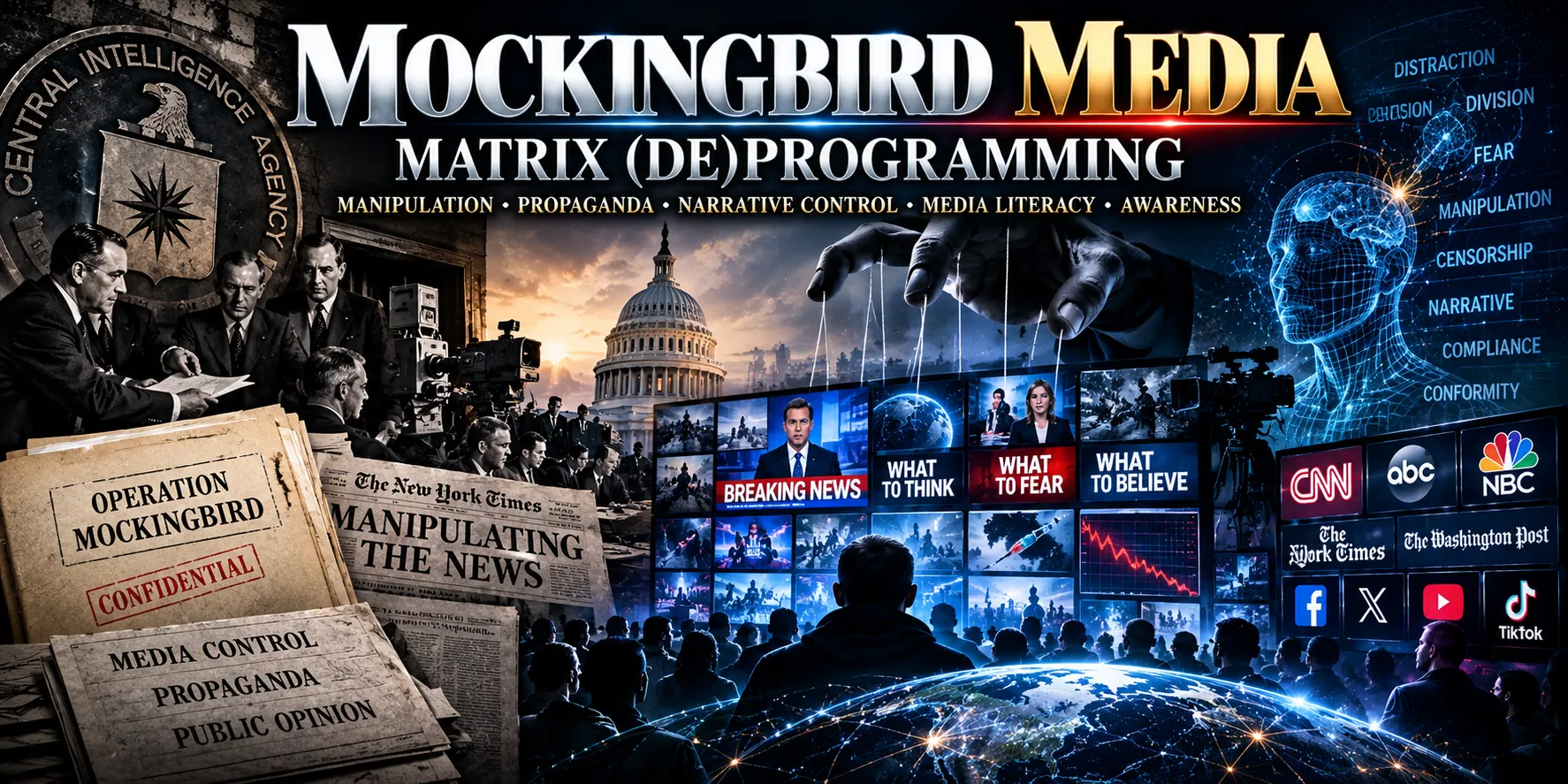
• Mockingbird Media | Matrix (De)Programming
Operation Mockingbird is an alleged covert program initiated by the CIA during the early Cold War years, aiming to manipulate and control the news media for propaganda purposes. The program reportedly involved recruiting journalists and editors from major media outlets to disseminate information favorable to the CIA’s agenda while suppressing unfavorable news. This effort sought to shape public opinion and maintain a favorable narrative for U.S. foreign policy and intelligence operations.
Some believe that elements of Operation Mockingbird have persisted beyond its initial implementation, suggesting that media manipulation has been an ongoing practice for over seventy years. Critics point to instances of media bias, selective reporting, and the close relationships between journalists and government officials as evidence of continued influence. The rise of digital media and social platforms has further expanded the avenues for disseminating information and shaping public perception.
The notion that media manipulation has been a long-standing practice raises significant concerns about the integrity of journalism and the transparency of information. It highlights the importance of media literacy and critical thinking in evaluating news sources and recognizing potential biases. Ensuring a free and independent press is crucial for a functioning democracy, where citizens can be well-informed and hold their government accountable.

• Mockingbird Documentary


• Human Trafficking | Satanic Cults, Control & Corruption
Global human trafficking is a severe issue affecting millions worldwide, with an estimated 8 million children falling victim annually to forced labor, sexual exploitation, and other forms of involuntary servitude. In the United States alone, between 800,000 and 1 million children are trafficked each year, coerced or abducted into prostitution, pornography, and exploitative labor. Factors such as poverty, lack of education, and weak law enforcement contribute to this crisis. Child and female slavery have become the most profitable illegal industries, even surpassing global drug trafficking. The repeated exploitation of victims generates enormous profits for traffickers, fueling the expansion of trafficking networks.
Addressing human trafficking requires a multi-faceted approach: strengthening laws, raising public awareness, supporting victims, and fostering international cooperation. Governments must enact and enforce stringent laws, while public awareness campaigns help identify and prevent trafficking. Comprehensive support services are essential for the recovery and reintegration of victims. The alarming statistics underscore the need for urgent global action to combat this modern-day slavery. Through collective efforts, it is possible to dismantle trafficking networks and ensure freedom and safety for all individuals.
CAUTION ⚠️ ALERT / DISCERNMENT



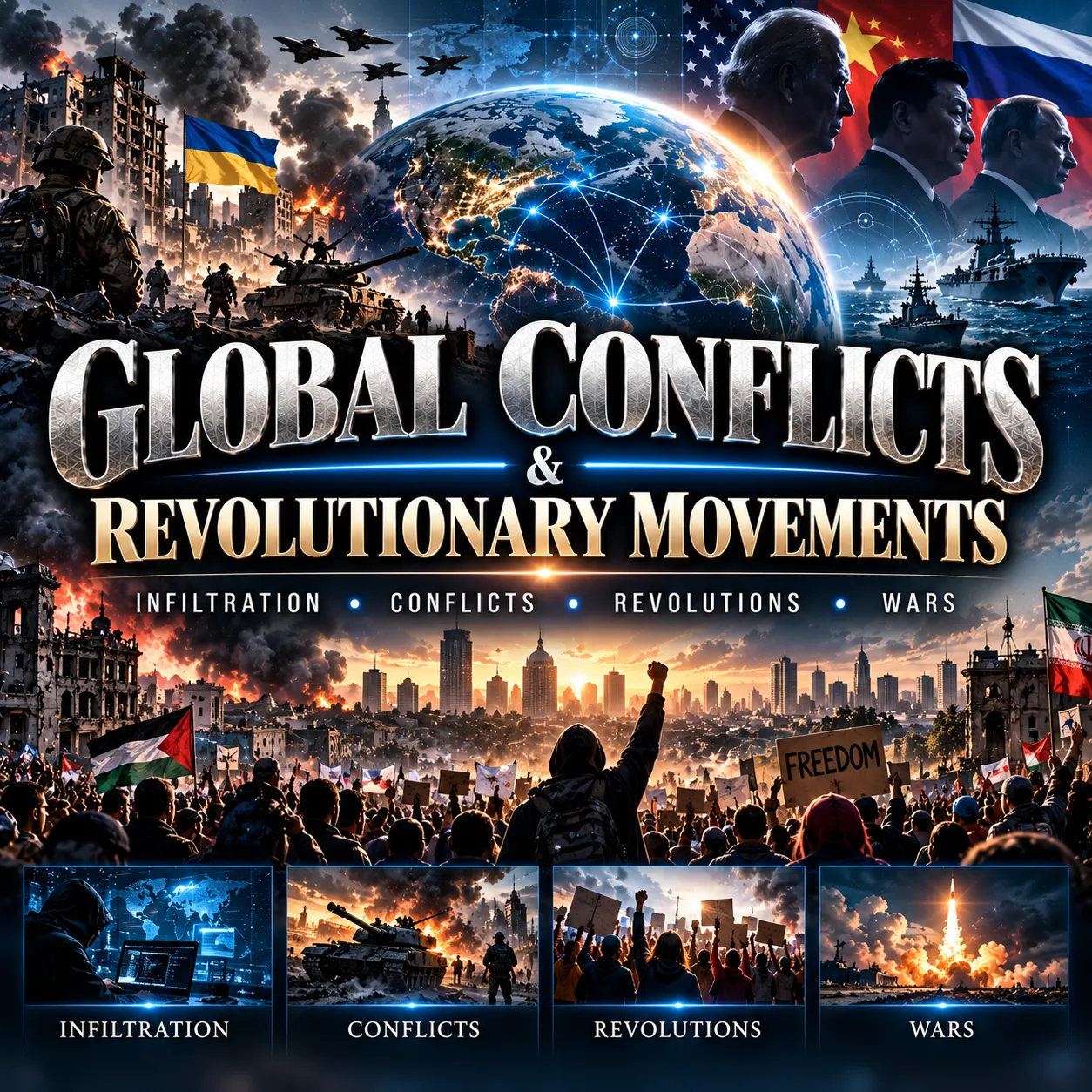 Global Conflicts & Revolutionary Movements
A Current Overview; The global landscape is increasingly defined by interconnected pressures rather than isolated events. Conflicts, revolutionary movements, and geopolitical tensions are unfolding simultaneously across multiple regions and systems, shaped by political, economic, technological, and social forces. What once appeared as separate crises now reflects a broader pattern of systemic strain, where disruption, response, and realignment are occurring in parallel. Key elements such as infiltration, conflict, civil unrest, and strategic competition continue to influence global stability and pose evolving challenges to international security.
1. Infiltration:
Infiltration has expanded beyond traditional espionage into digital, institutional, and cognitive domains. State actors such as Russia and China continue to engage in cyber operations, intelligence gathering, and influence campaigns, while non-state actors leverage similar tools to disrupt systems and shape narratives. The rise of artificial intelligence, social media, and digital infrastructure has made it easier to access sensitive information and influence public perception at scale. Increasingly, infiltration is less about physical access and more about influencing how information is interpreted, creating challenges for trust, governance, and social cohesion.
2. Conflicts:
Conflicts remain active across key regions, but are now more distributed and persistent in nature. The war in Ukraine continues to serve as a major geopolitical pressure point, influencing global energy markets, defense strategies, and alliance structures. In the Middle East, the Israel–Palestine conflict remains a central source of instability, now intersecting with broader regional dynamics involving Iran and maritime security concerns. Across parts of Africa, particularly in the Sahel region, internal conflicts are being shaped by a combination of governance challenges, economic stress, and external influence. These conflicts increasingly overlap with cyber activity, economic pressure, and infrastructure disruption.
3. Revolutions:
Revolutionary movements continue to emerge as populations respond to economic strain, political dissatisfaction, and declining institutional trust. Events in places such as Hong Kong and Belarus highlight ongoing tensions between governments and civil populations, while broader protest movements across Western nations reflect growing concern over inequality and governance. These movements are often amplified by digital platforms, allowing them to scale quickly but also increasing volatility. Government responses, including surveillance expansion and regulatory measures, can intensify these dynamics, creating cycles of pressure between populations and institutions.
4. Wars:
Large-scale war between major powers remains limited, but the risk environment continues to evolve. Strategic competition between the United States, China, and Russia is increasingly expressed through regional positioning, military presence, and proxy conflicts rather than direct confrontation. Areas such as the South China Sea and Eastern Europe remain key zones of strategic focus. At the same time, economic measures, technological restrictions, and alliance shifts are being used alongside traditional military tools. Nuclear capabilities continue to act as both a deterrent and a persistent underlying risk.
Current Global Status and Threats:
The current global environment is characterized by ongoing pressure, adaptation, and uncertainty. Economic strain following the pandemic, shifting supply chains, and energy disruptions have contributed to a more fragile and reactive global system. Climate-related challenges continue to influence resource availability and population movement, adding additional layers of stress in vulnerable regions. Infiltration and cyber operations remain active, conflicts continue to impact populations and economies, and civil unrest reflects deeper structural tensions. Rather than isolated risks, these dynamics are increasingly interconnected, shaping a landscape where stability depends on the ability of systems to adjust to continuous change.
Conclusion:
Addressing global conflicts and revolutionary movements requires a coordinated and adaptive approach. Diplomatic engagement, conflict resolution, and adherence to international frameworks remain essential, but must be supported by efforts to address underlying drivers such as economic inequality, governance challenges, and resource pressure. As systems continue to evolve, the focus shifts from resolving individual events to understanding broader patterns and maintaining stability through adaptability. The global landscape is not static, and navigating it effectively will depend on cooperation, awareness, and the ability to respond to change without escalating instability.
⚠️ Caution: The information presented in this section examines some of the world’s most challenging geopolitical developments, including armed conflicts, civil unrest, economic instability, humanitarian crises, and revolutionary movements. While understanding these events is important for developing situational awareness, prolonged exposure to negative news can increase stress, anxiety, and emotional fatigue. We encourage our subscribers to approach this material with discernment, maintaining the perspective that awareness is intended to support thoughtful preparation rather than fear. Balance your consumption of difficult news with time spent on health, family, nature, gratitude, meditation, and positive action. The purpose of this report is not to predict catastrophe, but to help readers understand emerging global trends, strengthen resilience, and navigate a period of significant transition with clarity, wisdom, and emotional stability.
• Global Conflicts & Revolutionary Movements News
GLOBAL CONFLICTS & REVOLUTIONARY MOVEMENTS
Top 10 Alternative & Independent News Stories | October 2026
Infiltration • Geopolitical Conflicts • Revolutionary Movements • Regional Wars • Cyber Warfare • Resource Competition • Global Realignment
For the GAR October Monthly Report, We prioritized independent geopolitical journalism, specialist military analysis, investigative research organizations, and regional news outlets rather than mainstream television networks.
The central theme is the convergence of conventional warfare, civil resistance, economic pressure, intelligence operations, and strategic competition. These developments show how regional conflicts increasingly affect international security, trade, infrastructure, and institutional stability.
1. Russia–Ukraine War — Missile Strikes, Drone Warfare and a New Diplomatic Opening
October 21–28, 2026 | The Kyiv Independent / bne IntelliNews
Russian missile and drone attacks continued across Ukraine, including an October 26 strike on Kyiv that damaged a university campus and transportation infrastructure. Meanwhile, a temporary humanitarian ceasefire in Russian-occupied Oleshky began on October 27, and Ukrainian officials discussed the possibility of renewed negotiations involving Washington and Moscow.
The simultaneous escalation and diplomatic activity illustrate the war’s increasingly complicated trajectory. Military operations, energy infrastructure, satellite communications, and international security guarantees are becoming intertwined, while Ukraine’s future remains central to European geopolitical stability.
The Kyiv Independent
GAR connection: Regional warfare, technological dependence, infrastructure vulnerability, and the realignment of international alliances.
2. Iran–Israel–U.S. Conflict — The Strait of Hormuz Becomes a Global Economic Battleground
October 20–27, 2026 | Marmore MENA / Independent Maritime Intelligence
Specialist maritime research reports that shipping through the Strait of Hormuz remains severely disrupted by the continuing U.S.–Israel–Iran conflict. Marmore’s October dashboard recorded just 109 vessel transits during September, with trade volumes falling to a small fraction of pre-conflict levels. Attacks on commercial shipping and the use of alternative export routes have added significant costs and uncertainty.
The conflict has evolved beyond a regional military confrontation into a struggle affecting energy supplies, maritime security, insurance, industrial production, and international trade. Gulf nations are increasingly dependent on alternative pipelines and ports, while governments face difficult decisions about military protection and diplomatic engagement.
GAR connection: Resource warfare, strategic chokepoints, energy insecurity, and the transmission of geopolitical conflict into the global economy.
3. Serbia’s Student Revolution — A Protest Movement Defeats the Political Establishment
October 25–26, 2026 | The Kyiv Independent / Istituto Affari Internazionali
Serbia’s student-led protest movement achieved a historic electoral victory on October 25, ending Aleksandar Vučić’s long period of political dominance. The movement emerged after the deadly 2024 Novi Sad railway-station collapse and expanded into nationwide demands for accountability, institutional reform, and stronger democratic safeguards.
The student-backed list won approximately 52.7% of the vote and 139 of 250 parliamentary seats. Its next challenge is turning a decentralized protest movement into a functioning government while navigating Serbia’s complicated relationships with the European Union, Russia, China, and Kosovo.
GAR connection: A contemporary example of civil resistance developing into electoral change, with implications for institutional legitimacy and geopolitical alignment.
4. Sudan’s Civil War — Foreign Fighters, Drone Warfare and the Destruction of Darfur
September 5 – October 26, 2026 | Sudan Tribune / Independent Conflict Research
A September investigation described evidence that Rapid Support Forces commanders directed atrocities during the takeover of El Fasher, including sexual violence and killings of civilians. Additional international fact-finding identified foreign recruitment networks, military contractors, and imported drone capabilities as factors sustaining Sudan’s devastating conflict.
The October anniversary of El Fasher’s fall highlighted the destruction left by prolonged siege warfare, displacement, and attacks on civilian populations. Sudan demonstrates how internal power struggles can evolve into internationalized conflicts sustained by outside financing, weapons, and competing strategic interests.
GAR connection: Proxy warfare, foreign intervention, humanitarian catastrophe, and the breakdown of essential institutions.
5. South China Sea — China and the Philippines Enter a More Dangerous Confrontation
October 1–20, 2026 | USNI News
Independent naval publication USNI News documented at least six dangerous encounters involving Chinese and Philippine forces in early October. Incidents occurred near Scarborough Shoal, Second Thomas Shoal, and the Spratly Islands, while additional tensions emerged around the strategically important Batanes Islands near Taiwan.
The confrontations increasingly involve coast guard vessels, maritime surveillance, aircraft, and military patrols operating in disputed waters. With American defense commitments to the Philippines and growing tensions around Taiwan, even a limited maritime incident could produce wider diplomatic or military consequences.
GAR connection: Strategic competition, contested maritime territory, alliance obligations, and the danger of escalation through smaller regional confrontations.
6. Global Cyber Infiltration — Targeted Advertising Becomes a Tool for Covert Surveillance
October 15, 2026 | The Citizen Lab
Independent digital-security investigators at the University of Toronto’s Citizen Lab published Exposing AdFection, documenting how targeted online advertisements were used as a delivery mechanism for sophisticated zero-click spyware. The investigation connected advertising intelligence infrastructure with the surveillance company Discover-Tech and identified infections involving Candiru spyware.
The findings reveal a new dimension of infiltration: commercial advertising systems can be repurposed to identify and compromise targeted devices. This creates significant risks for journalists, civil-society organizations, political activists, and other individuals exposed to highly capable surveillance operators.
GAR connection: Digital infiltration, commercial surveillance infrastructure, information security, and the expansion of intelligence capabilities into everyday technology.
7. West Africa’s Sahel — Insurgencies Threaten Governments, Trade Routes and Mining Operations
October 8–28, 2026 | ACLED Conflict Monitor
Independent conflict-monitoring organization ACLED documented continuing militant operations across Mali, Burkina Faso, and Niger. Its October reporting identified attacks on military positions, threats to major transportation corridors, and expanding militant activity near gold-mining operations along the Mali–Guinea border.
The conflict is becoming increasingly regional as armed groups exploit weak governance, contested territory, and vulnerable trade networks. Military-led governments face pressure to secure their populations while navigating relationships with Russia, neighboring states, and regional security organizations.
GAR connection: Resource competition, regional instability, militant expansion, and the relationship between economic infrastructure and national security.
8. Haiti’s Security Collapse — Armed Gangs Threaten Elections and Government Authority
September 8 – October 19, 2026 | HaitiDocs / Independent Security Reporting
A September report by international experts documented persistent arms trafficking, gang violence, and the vulnerability of Haiti’s transportation corridors. The report described how armed groups have consolidated influence beyond Port-au-Prince, undermining economic activity and the delivery of essential goods.
October brought further instability, including attacks involving international security personnel and the postponement of planned elections. Haiti illustrates how organized armed groups can challenge state authority, disrupt food distribution, displace populations, and obstruct attempts to restore constitutional government.
GAR connection: Institutional breakdown, organized violence, disrupted supply chains, and the difficulty of rebuilding government legitimacy.
9. Myanmar’s Civil War — Armed Resistance Challenges Military Control
September–October 2026 | Regional Conflict Reporting / Myanmar Research
Myanmar’s civil war continued through September and October, with intensified fighting in Rakhine State between military forces and the Arakan Army. Reports describe renewed government offensives, airstrikes, contested military installations, and resistance operations around the strategically important city of Sittwe.
The conflict demonstrates the persistence of armed resistance following Myanmar’s 2021 military coup. The struggle increasingly involves drones, air power, regional trade routes, and the competing interests of neighboring countries, particularly China. Some battlefield claims remain difficult to independently verify because access to conflict areas is restricted.
GAR connection: Revolutionary resistance, military rule, strategic infrastructure, and regional geopolitical competition.
10. The Global Information War — Surveillance, Digital Repression and the Battle Over Public Perception
October 2026 | Citizen Lab / Independent Investigative Research
The October spyware revelations demonstrate how intelligence collection is expanding beyond traditional espionage into advertising networks, commercial data systems, and personal devices. At the same time, political movements around the world increasingly rely on encrypted communications, social platforms, and digital organizing to mobilize supporters.
These technologies create competing opportunities for civic participation and government surveillance. The broader conflict is not simply about controlling territory but also about protecting communications, influencing public understanding, and maintaining trust in institutions during periods of political instability.
GAR connection: Cognitive warfare, digital infiltration, information control, surveillance, and institutional trust.
Connecting the Dots | Signals, Threads & Patterns
Signals: Escalating maritime confrontations, persistent drone and missile warfare, student-led political change, expanding surveillance capabilities, and armed conflicts threatening essential transportation and resource networks.
Threads: Three relationships connect these stories: military conflict and economic infrastructure; civil resistance and institutional legitimacy; and intelligence technology and information control. A disruption in one area can intensify vulnerabilities in another.
Patterns: Modern conflict increasingly combines military force, cyber operations, economic pressure, political mobilization, and strategic influence. Yet the outcomes differ considerably across regions: Serbia’s recent political transition, for example, is fundamentally different from Sudan’s civil war or Haiti’s armed-gang crisis.
• Global Conflicts & Revolutionary | France, Italy, Albania, India
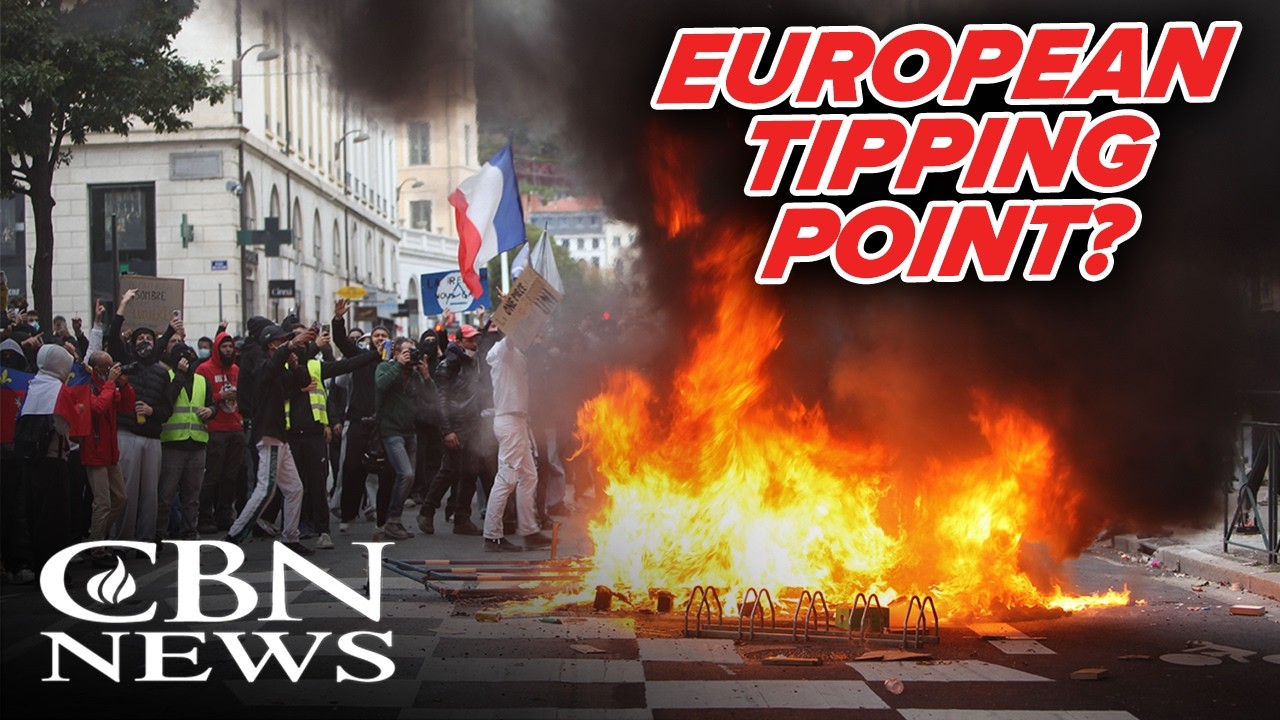
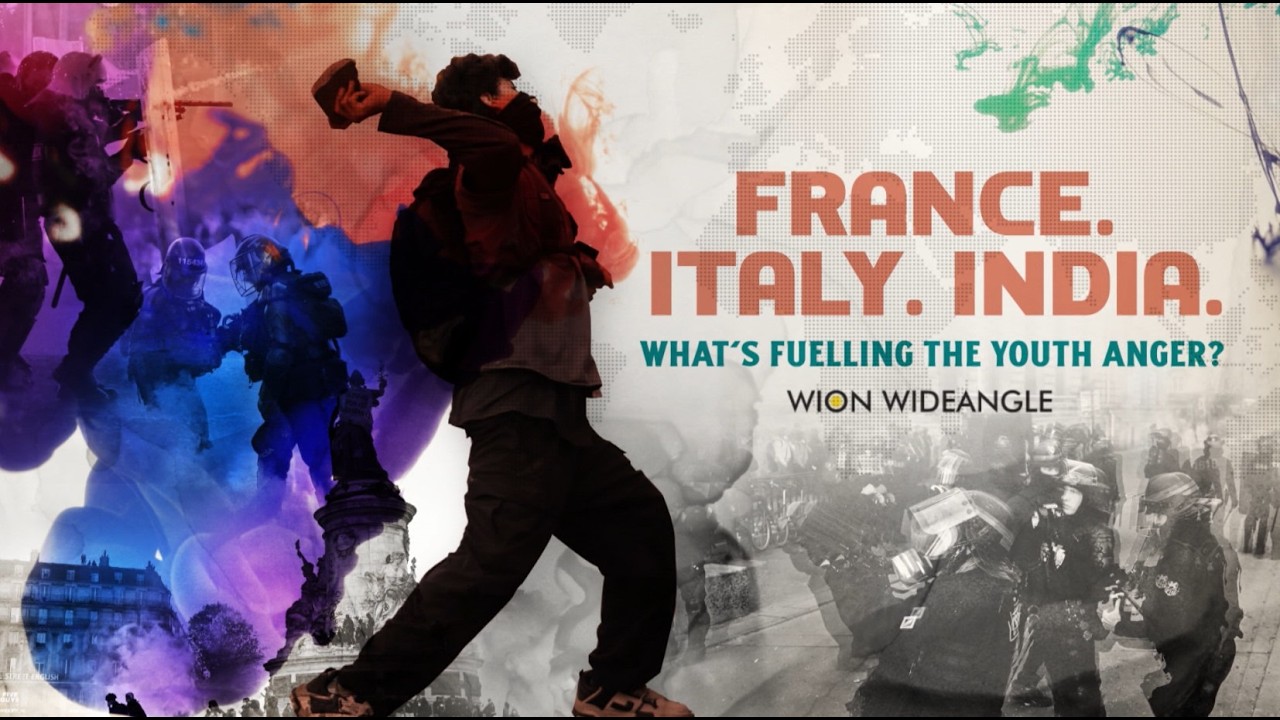
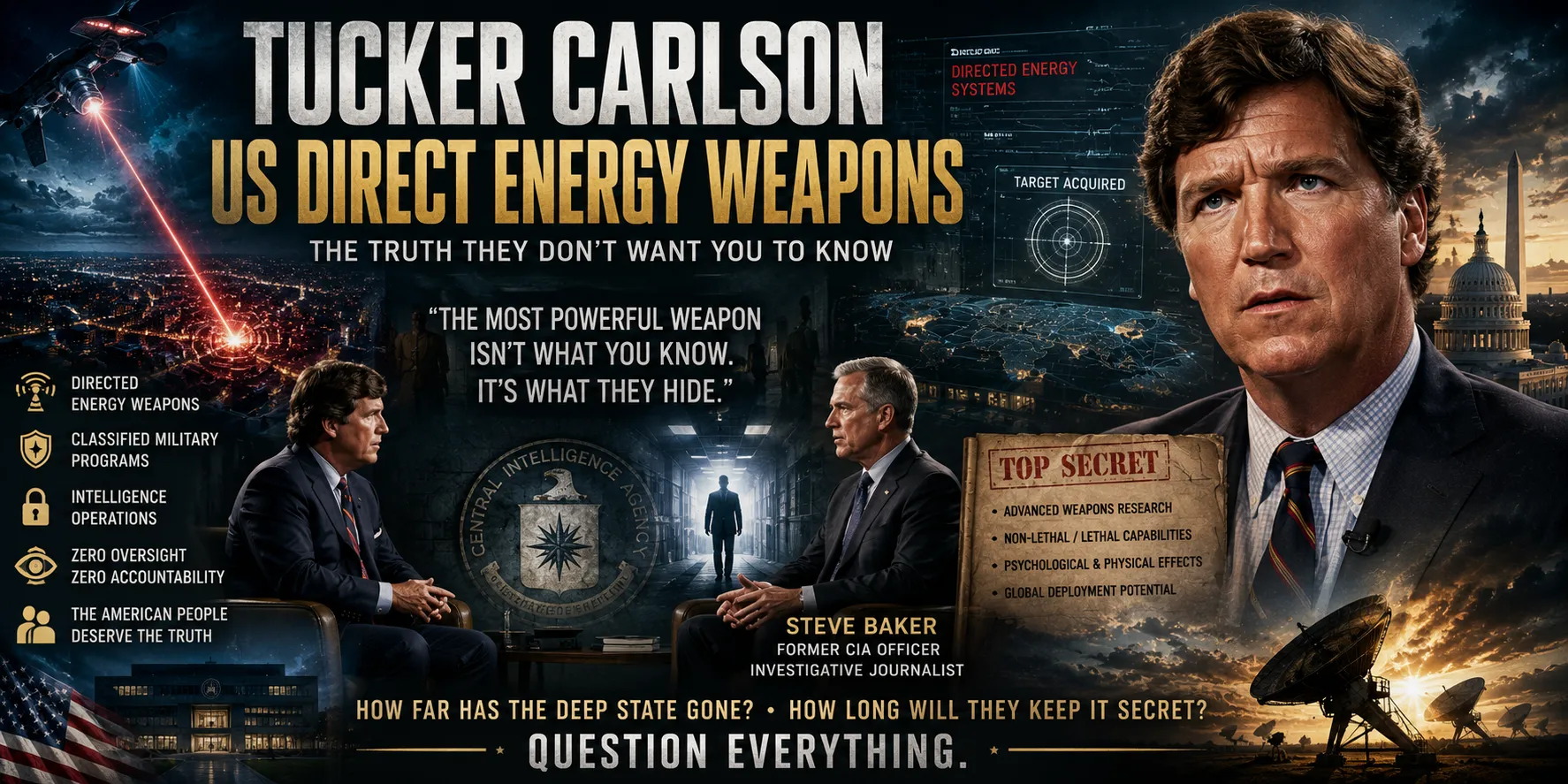
• Featured Investigative Report: Tucker Carlson US Direct Energy Weapons
Directed Energy Weapons, Intelligence Operations & Government Secrecy
During a wide-ranging interview with Tucker Carlson, investigative journalist Steve Baker discussed a number of controversial subjects involving intelligence agencies, classified programs, and the federal government’s handling of high-profile investigations. Among the topics explored was the existence and possible development of directed energy weapons, which Baker described as an area of advanced military research that has long been surrounded by secrecy. The conversation also examined allegations of internal conflicts within the intelligence community, claims involving the CIA and FBI, and Baker’s reporting on the January 6 pipe bomb investigation. Tucker framed the discussion around broader questions of government transparency, asking whether highly compartmentalized programs operate beyond meaningful public oversight and whether the American public has an accurate understanding of the capabilities being developed within classified defense projects.
The interview does not present independently verified evidence proving the operational use of directed energy weapons in the contexts discussed, but instead highlights Baker’s investigative reporting, personal experiences, and concerns regarding secrecy within portions of the intelligence and national security apparatus. Tucker Carlson repeatedly emphasized the importance of open inquiry and accountability while encouraging viewers to examine the available evidence for themselves. For supporters of greater government transparency, the discussion reflects growing public interest in classified technologies, intelligence oversight, and the balance between national security and democratic accountability. Critics, however, caution that many of the interview’s assertions remain allegations requiring further independent verification before they can be accepted as established fact.

• Featured Documentary: E.M.P.: 333 Days | When the Grid Goes Dark
E.M.P.: 333 Days imagines North America after an electromagnetic-pulse weapon disables electrical systems and pushes modern society back toward pre-industrial conditions. With communications, transportation and much of the infrastructure people depend upon suddenly unavailable, normal social order begins to unravel. Instead of concentrating on governments or military operations, the movie brings the catastrophe down to a human scale, following an introverted 11-year-old girl forced to survive amid growing disorder while searching for her father.
At its core, the film is a survival story about dependence, preparedness and resilience. Its EMP scenario asks viewers to consider how quickly everyday life could change if electricity and electronic technology disappeared—and how necessities such as food, water, transportation, communication and personal security would suddenly become immediate concerns. The movie uses the vulnerability of a child navigating this transformed world to make the larger question personal: How prepared are individuals, families and communities to function when the systems supporting modern civilization are no longer available?

• France Riots, Unrest & Chaos


• Middle East: Saudi Arabia, Iran, Syrian, Turkey, & African Wars


• Russia, Ukraine, NATO War


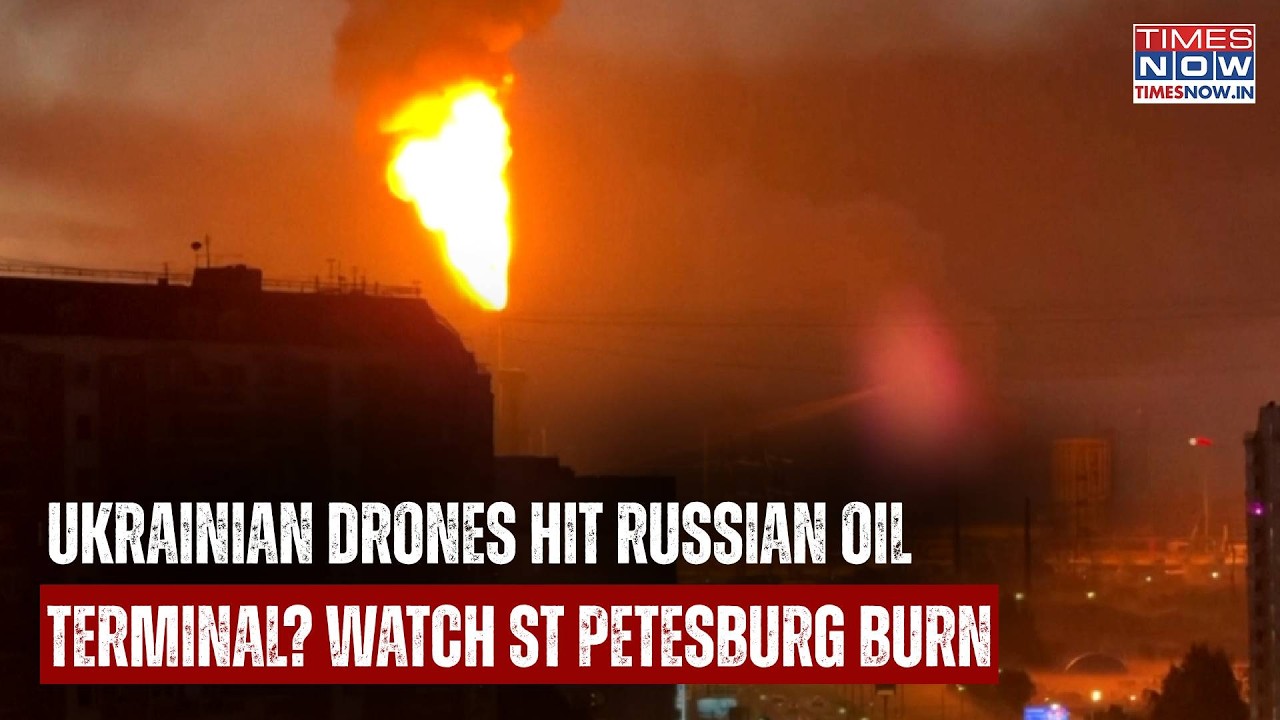
• Colombia, & Venezuela Unresolved Threats (Brazil & Argentina?)

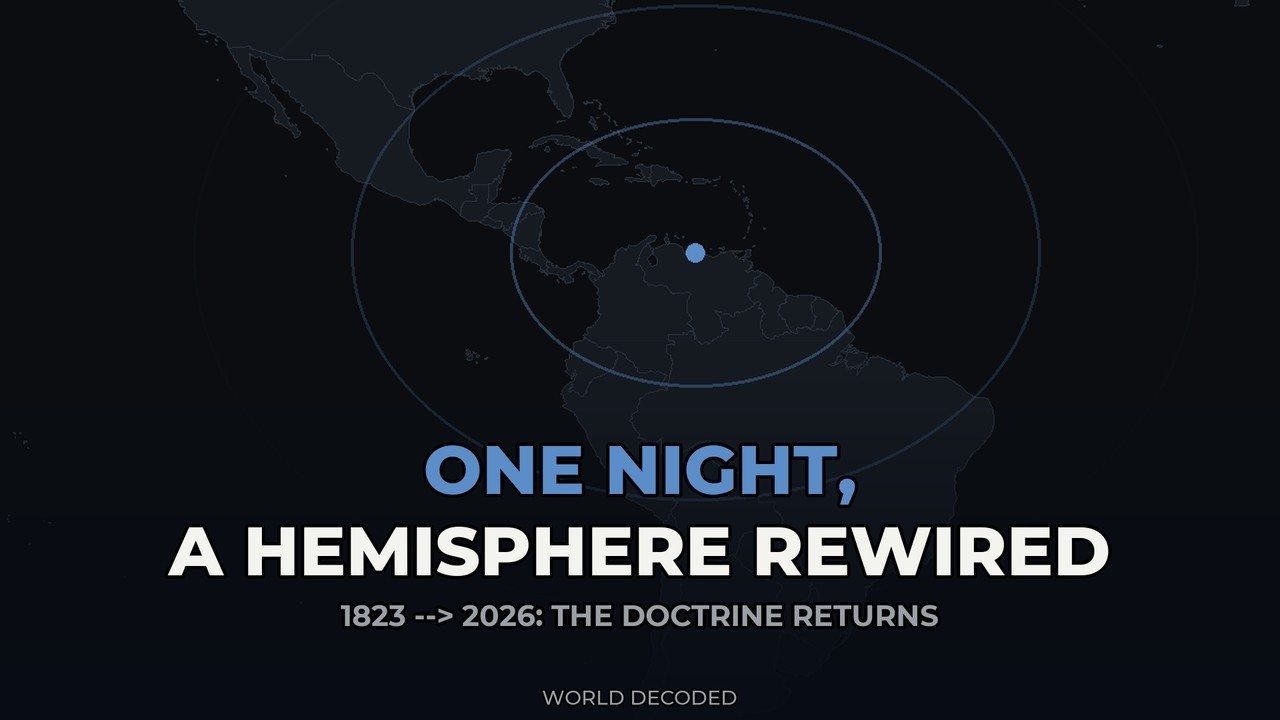
• Mexican Cartel Border War | US Special Forces, FBI, DEA & ICE Raids

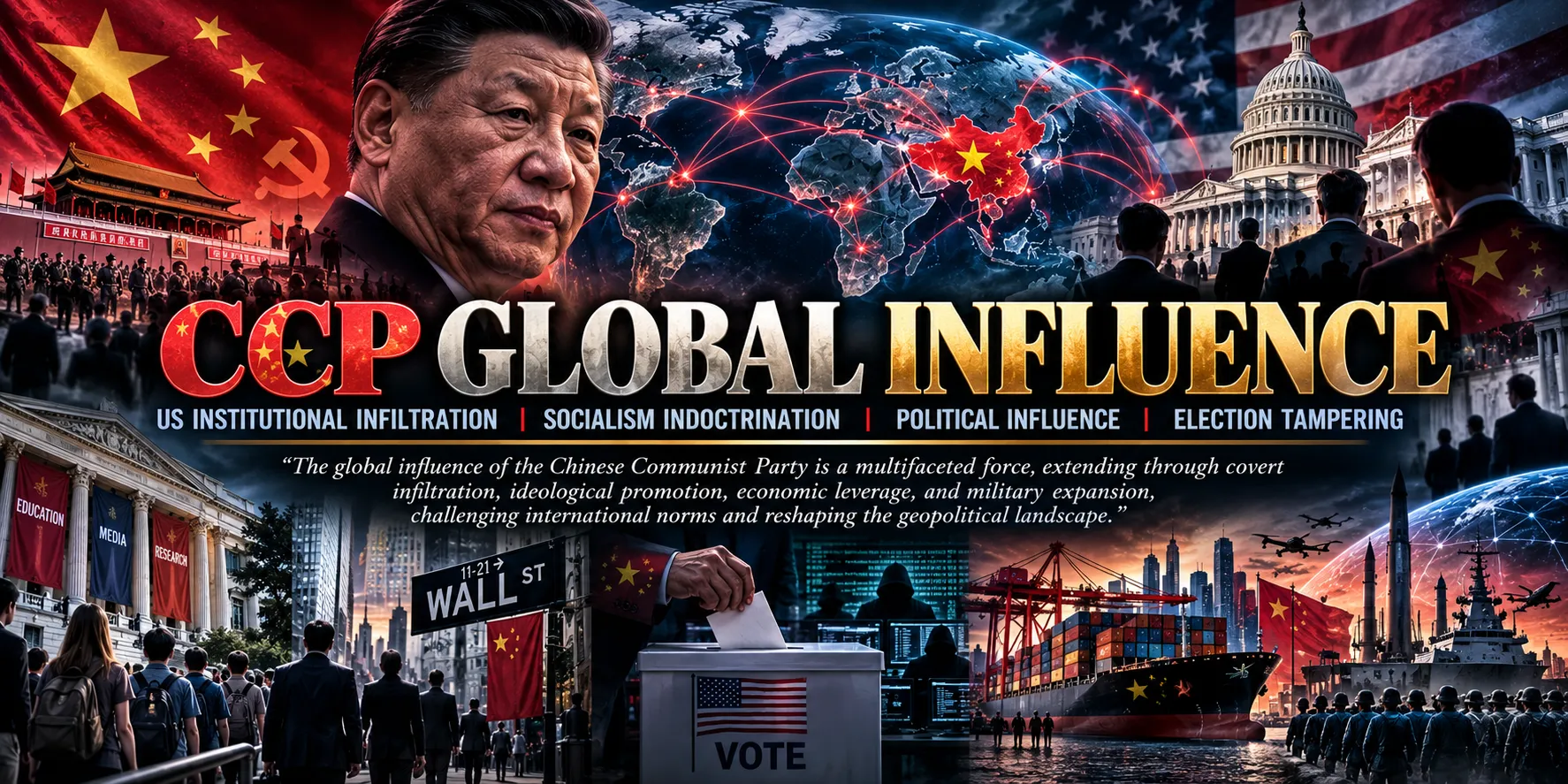
CCP Global Influence
US Institutional Infiltration • Socialism Indoctrination • Political Influence • Election Tampering
• China News Reports



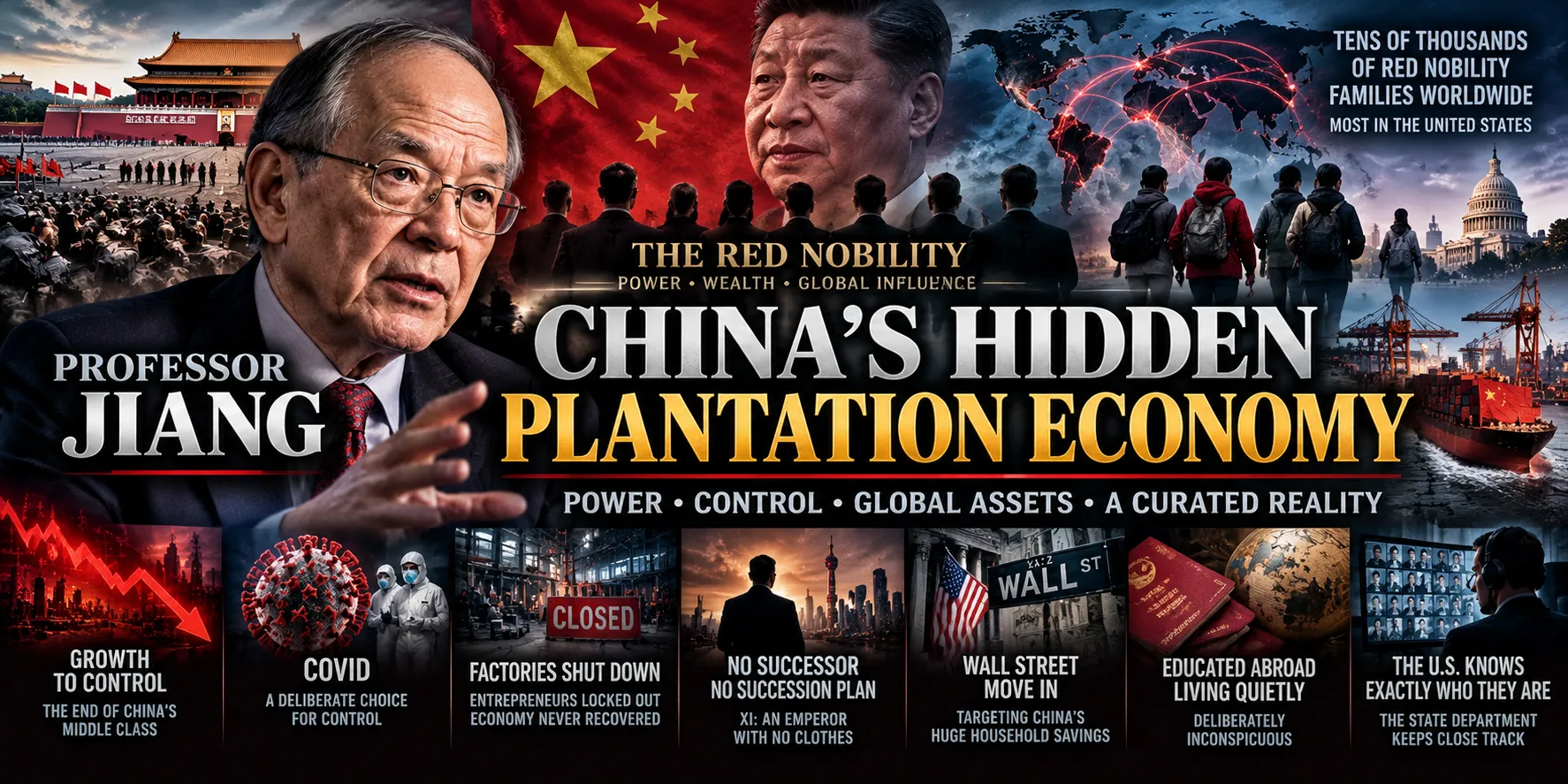
• Featured China Expert: Professor Jiang
Professor Jiang lays out a version of China that almost nobody in the West describes out loud: the country is not really run from Beijing. He calls it a plantation economy whose majority stakeholders are the “red nobility,” the families that took power through the revolution and then quietly sent their children abroad for education and work. By his account there are tens of thousands of these people scattered around the world, most of them in the United States, and they are deliberately inconspicuous. The State Department, he says, knows exactly who they are and keeps close track of them. China is the asset they extract value from, the way British aristocrats once ran Caribbean plantations from a comfortable distance.
That framing rewrites what Xi Jinping actually is. After Deng Xiaoping died in 1997, technocrats like Jiang Zemin, Zhu Rongji, Hu Jintao and Wen Jiabao built a middle class to interface with the global economy, and Wall Street moved in with joint ventures and a push to liberalize Chinese finance and reach the household savings pile, roughly 40% of income. Jiang argues Xi was installed to shut that door before the money could flow out. The factions inside the red nobility agreed they needed one strongman at the top to give the appearance of authoritarianism while they fought over the spoils underneath. There is no successor and no succession plan. Jiang’s verdict is blunt: Xi is an emperor with no clothes.
The clearest test case is COVID. Jiang was in Beijing during SARS in 2003 and still in China in 2021, and he watched a system built on growth at all costs abandon it overnight. Factories closed, entrepreneurs were locked out, real estate tanked, and the economy never really recovered. He does not think that was incompetence. Innovation would have enriched a creative middle class, people like Jack Ma, who could eventually threaten Party control, so the choice was control instead. Ask him about the real death toll and he laughs it off as a state secret that would get him killed. In an authoritarian state, he says, even memory has to be curated, which is why people in China barely remember the 1980s at all.

• CCP Global Influence Collapse


• China’s Economic Collapse


• CCP Infiltration & Technological Warfare
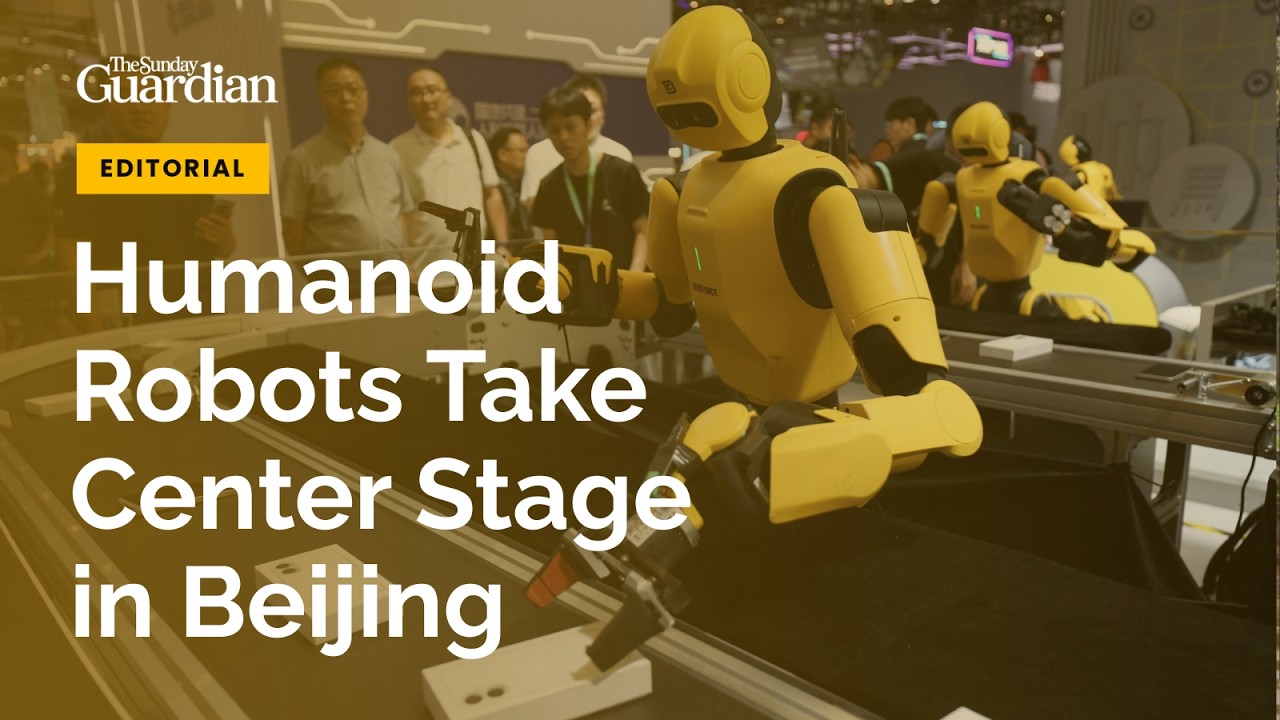


• China’s Warnings & Predictions


GeoWeather
Geophysical Changes • Planetary Weather • Solar News • Weather Wars
“There’s one issue that will define the contours of this century more dramatically than any other, and that is the urgent threat of climate change.”
There are many factors affecting Climate Change. Our solar system has entered an energy cloud impacting the weather on all planets in our solar system. The Sun is getting larger and brighter. Up until the 1980s, the sun was yellow. Subsequently, it has become hotter and whiter. The Shadow Government is using advanced technologies to control the weather, causing major disruption of our seasons, extreme temperatures, droughts, flooding, earthquakes, and now expanding volcanic activity.
A dramatic planetary transformation is unfolding—and the signs are growing more undeniable by the day. We are witnessing unprecedented geophysical changes across Earth and our Solar System, marked by both natural cosmic phenomena and covert human intervention.
Recent NASA satellite imagery confirms that our Solar System has entered a highly charged cosmic plasma cloud, drastically altering space weather. This interstellar energy field is actively energizing our sun, which now emits a piercing white light—unlike the yellow hue observed just three decades ago. These energetic shifts are heating the planetary core, expanding Earth’s crust, and triggering dramatic geophysical activity.
Earth’s response has been profound. Volcanic eruptions and seismic events are accelerating at exponential rates—volcanic activity is up over 100 times normal, while earthquakes have increased 500-fold, with seismic researcher Dutchsinse reporting over 200 quakes above 5.0 in just 24 hours. The planet’s surface and atmosphere are also responding with hyper-volatility: intense hurricanes, tsunamis, mega-floods, widespread droughts, unprecedented lightning storms (with up to 30,000 strikes in a single day), and escalating wildfire activity.
But what mainstream narratives omit is the deliberate weaponization of Earth’s natural cycles. Deep State and Cabal-affiliated operations have long used scalar technologies such as HAARP, directed energy weapons, and orbital lasers to manipulate weather, trigger seismic events, and magnify atmospheric instability. These tools serve covert geopolitical goals—controlling populations, destroying agriculture, and engineering chaos to justify centralized control.
Our work tracks the convergence of three critical domains:
- Geophysical Activity (volcanoes, earthquakes, crust displacement)
- Earth Changes (extreme weather, atmospheric shifts, biosphere collapse)
- Climate Engineering (HAARP, geoengineering, weather manipulation)
Together, these forces are shaping the conditions that lead toward what many now refer to as The Event—a pivotal moment of planetary and human transformation.
The future will not be defined solely by the weather—it will be defined by whether we understand its true causes.
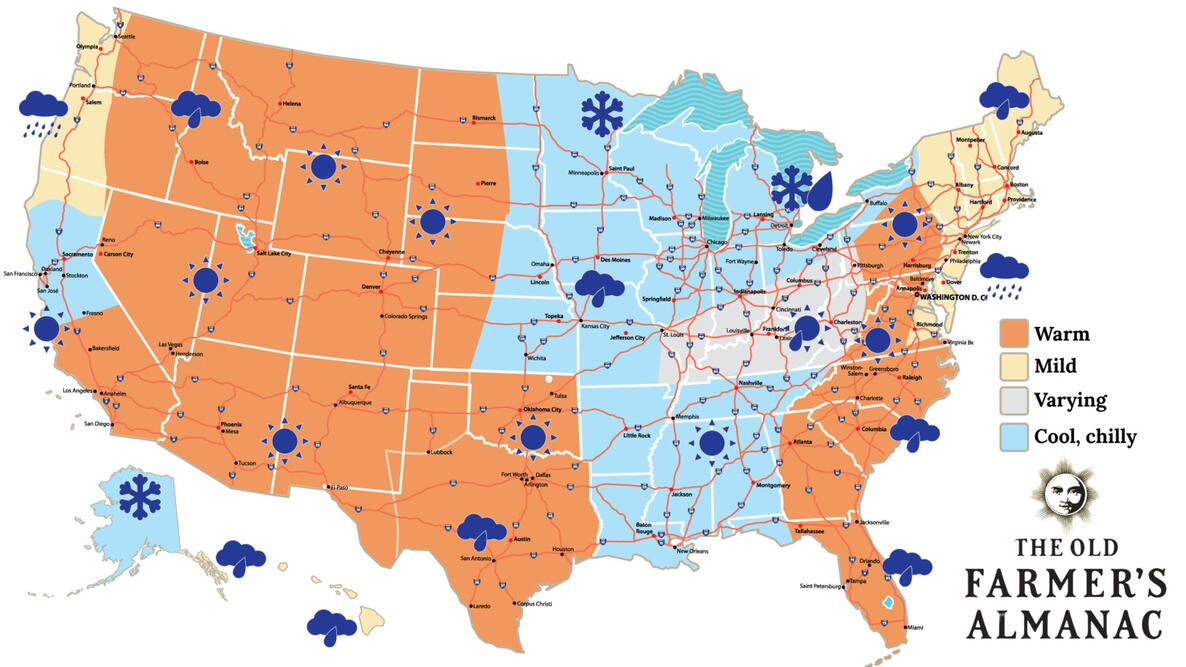
• GeoWeather News | Hurricanes, Typhoons & Coastal Flooding
GEOWEATHER & GEOPHYSICAL EVENTS | OCTOBER 2026
Great Awakening Report — Monthly Research Briefing
Hurricanes • Super Typhoons • Earthquakes • Flooding • Droughts • Agricultural Failures • Global Food Security
October 2026 has brought a significant combination of destructive tropical storms, major earthquakes, flooding, prolonged drought, and agricultural disruption. One of the most important developments is the strengthening 2026–2027 El Niño, which is contributing to contrasting rainfall patterns and growing concerns about food production across several regions.
For the Great Awakening Report, the central investigation is how these events connect to food security, infrastructure vulnerability, economic pressure, and the ability of communities to withstand repeated natural disasters.
Below are ten major stories, prioritizing documented events through October 30 and clearly identifying emerging risks.
GeoWeather Top 10 stories and events
1. Super Typhoon Champi devastates Taiwan and southern Japan
OCTOBER 22–26 · WESTERN PACIFIC
One of October’s most powerful storms, Champi reached reported sustained winds of 185 mph. It struck Taiwan and affected Japan’s southern islands, injuring hundreds and leaving approximately 288,000 homes without electricity. This is a major example of the vulnerability of densely populated coastal infrastructure to extreme tropical cyclones.
Hurricane Isaias Makes Landfall In The Florida Panhandle
2. Hurricane Isaias strikes Florida’s Gulf Coast
OCTOBER 9–11 · UNITED STATES
Isaias made landfall near Destin, Florida, as a Category 2 hurricane with sustained winds of 105 mph. Flooding, storm surge, tornadoes, and widespread power failures affected the Gulf Coast and southeastern states. At its peak, approximately 900,000 customers lost electricity.
3. Magnitude 7.7 Panama earthquake triggers hundreds of aftershocks
OCTOBER 9–11 · CENTRAL AMERICA
A powerful earthquake damaged nearly 900 homes and critical infrastructure. More than 200 aftershocks were recorded, and authorities declared a national emergency. At least 14 bridges were damaged, illustrating how a single geophysical event can disrupt transportation, utilities, and emergency services.
Fall 2026 Climate Outlook for northeastern South Carolina and southeastern North Carolina
4. Very strong El Niño raises worldwide flood and drought risks
OCTOBER 6–22 · GLOBAL
FEWS NET reported that the 2026–2027 El Niño strengthened rapidly, reaching very strong conditions in September. Its October assessment identified heightened drought concerns in Southern Africa and parts of Central America, alongside increased flooding risks in East Africa and other regions. The impacts vary substantially by location.
OCTOBER 22 · SOUTH AMERICA
Severe rainfall and rising rivers affected several South American countries. Approximately 4,200 families were affected by the rising Paraná River in Paraguay. Flooding and storm-related damage also occurred in Argentina, Peru, Chile, and coastal Mexico, underscoring the geographic reach of October’s extreme rainfall.
6. Cyclone Arnab floods hundreds of villages and damages farmland
OCTOBER 28–30 · INDIA
Arnab struck India’s eastern coast with winds around 130 km/h (81 mph). Flooding isolated approximately 300 villages in Odisha, where one location recorded 546 mm (21.5 inches) of rainfall in 24 hours. The storm also damaged homes, power infrastructure, and agricultural land.
Devastating Earthquake Strikes Tibet, Causing Widespread Havoc
7. Magnitude 7.0 earthquake strikes northern Tibet
OCTOBER 22 · TIBET
A powerful earthquake hit the Nagqu region, killing at least 16 people and injuring dozens. Hundreds of buildings were damaged or destroyed, and rescue teams faced difficult high-altitude conditions. The event was among October’s most consequential earthquakes.
Farmers, Ranchers Struggle As Texas Endures Historic Drought
8. Southern Plains drought threatens winter wheat planting
OCTOBER 22 REPORT · UNITED STATES
NOAA reported that 84% of the Southern Plains region was experiencing drought at the end of September. Despite early October rainfall, long-term moisture deficits persisted, and low soil moisture delayed winter wheat planting in Oklahoma. The situation highlights the difference between temporary rainfall relief and genuine drought recovery.
Why the World’s Rich Nations Must Pay for Climate Damage – Yale E360
9. Crop losses and failed growing seasons deepen food insecurity
OCTOBER 6–7 · CENTRAL AMERICA AND AFRICA
European Commission and FEWS NET assessments documented rainfall deficits, localized crop losses, and deteriorating agricultural conditions in Central America, East Africa, and parts of the Sahel. Southern Africa also faces elevated drought risk for its upcoming growing season, although its completed 2026 cereal harvest was above the five-year average.
10. Hurricane Simon threatens Mexico’s Pacific coastline
OCTOBER 10–12 · MEXICO
Simon intensified to Category 4 before weakening to Category 2 as it moved slowly offshore near Jalisco. Heavy rainfall, dangerous surf, and flooding threatened coastal communities, with evacuations considered in vulnerable river areas.
Connecting the Dots | Signals • Threads • Patterns
Signals — Increasing pressure on multiple regions. October’s reporting documents destructive tropical cyclones, two major earthquakes, severe flooding, persistent drought, and agricultural disruption. These events are geographically dispersed and arise from different physical processes, but they share important consequences: infrastructure damage, displacement, interrupted commerce, and pressure on emergency resources.
Threads — Weather, agriculture, and economic stability. The strongest connecting thread is the 2026–2027 El Niño. Changing rainfall patterns can simultaneously increase flood risks in some areas and reduce soil moisture in others. Crop failures, damaged transportation networks, and interruptions to electricity and water services can compound existing food insecurity. FEWS NET emphasizes that the most severe food-security impacts in some regions may not emerge until 2027.
Patterns — The convergence of environmental and societal vulnerabilities. The emerging concern is not simply the number of natural disasters but the capacity of communities to recover before the next disruption. Repeated damage can strain insurance systems, public budgets, agricultural supply chains, and household finances. These overlapping vulnerabilities deserve sustained investigation, without assuming that unrelated earthquakes and storms share a single cause.






• Feathered GeoWeather Expert: Stefan Burns
Global Geophysical Activity • Solar Weather • Earthquakes • Earth’s Magnetic Field • Schumann Resonances
Stefan Burns is an American geophysicist, explorer, writer, and independent science communicator whose work examines Earth’s dynamic geological and electromagnetic systems. With an academic background in geology and professional experience using geophysical instrumentation, Burns has investigated seismic activity, volcanic processes, magnetic anomalies, and the interaction between Earth’s physical environment and natural electromagnetic phenomena. He gained wider recognition as a co-host of the Science Channel’s Secrets of the Underground in 2017, traveling to geological locations around the world. His research interests include geomagnetism, solar-terrestrial interactions, Schumann resonances, and the relationship between planetary systems and human experience.
Through his YouTube channel and independent research, Burns explores solar activity, geomagnetic disturbances, earthquake patterns, and changing conditions within Earth’s electromagnetic environment. His approach combines established geophysical observations with broader exploratory questions concerning planetary interconnectedness and human bioelectricity. He is particularly interested in how solar activity, magnetic-field fluctuations, atmospheric electricity, and geological processes may interact. These subjects provide a framework for examining potential relationships among solar cycles, geophysical activity, and environmental change, while distinguishing measurable phenomena from proposed connections that remain scientifically unresolved.
October 2026 | Global Geophysical & Solar Conditions
As October 2026 concludes, Earth has experienced several significant seismic events, including a magnitude 7.7 earthquake in Panama on October 9, a magnitude 7.0 earthquake in Tibet on October 22, and a magnitude 6.9 earthquake near Vanuatu on October 24. Additional seismic activity occurred around Kamchatka, the Bonin Islands, and the Mid-Atlantic Ridge. These events demonstrate the continuing activity of Earth’s tectonic systems, with potential consequences for infrastructure, landslides, coastal communities, and regional emergency preparedness. Meanwhile, global weather disruptions, including tropical cyclones, flooding, and drought conditions, have raised concerns about agricultural productivity and critical infrastructure. Although these events may occur within overlapping periods, there is no established evidence that solar activity is responsible for the month’s major earthquakes or weather disasters.
Solar and geomagnetic activity also remained important areas of observation during October. NOAA issued geomagnetic storm forecasts associated with solar eruptions and coronal mass ejections earlier in the month, including G2 (moderate) conditions around October 9–11. Its October 30 forecast anticipates possible G1 (minor) geomagnetic storms on October 31 and November 1, driven by high-speed solar wind from a coronal hole. Stronger geomagnetic disturbances can affect satellites, navigation, radio communications, and, in extreme cases, electrical power systems. For researchers such as Burns, these developments highlight the importance of monitoring solar wind, geomagnetic indices, and Earth’s electromagnetic environment. The broader question is how these measurable changes relate to longer-term planetary patterns, while avoiding unsupported conclusions about earthquake triggering, human health effects, or an impending catastrophic solar event.
GAR Research Focus: Connecting the Signals, Threads, and Patterns of solar activity, geomagnetic disturbances, seismic events, extreme weather, and infrastructure vulnerability—while distinguishing documented observations from emerging hypotheses.


• GeoForces Documentaries
GeoForces refer to the combined natural and energetic forces that shape and influence Earth’s physical environment and atmospheric conditions. These forces include both internal geophysical dynamics (like tectonic activity) and external cosmic or solar inputs (such as solar flares or coronal mass ejections). GeoForces operate across multiple scales and dimensions, often interacting with each other in complex, sometimes catastrophic ways.
GeoForces are not isolated phenomena—they are interconnected systems responding to Earth’s evolving energetic, magnetic, and physical balance. As geomagnetic shielding weakens and solar activity intensifies, the amplification of these forces signals a planetary phase transition, potentially linked to ancient cyclical models of Earth’s renewal or collapse.
Monitoring GeoForces helps us decode Earth’s current stress signals and better prepare for cascading disruptions—whether geophysical, environmental, or societal. They serve as both warnings and initiators of global awakening, requiring a new understanding of our relationship with the planet and cosmos.



• Sky Watch Weather Wars
We investigate the hidden truth behind the dramatic rise in extreme solar activity, newly active volcanoes, and intensifying earthquakes—all signs of powerful galactic forces influencing Earth’s climate and stability. While mainstream narratives attribute climate change solely to human activity, we explore the deeper, unreported dynamics: space weather satellites, weaponized HAARP technology, magnetic shifts, and interplanetary cycles now accelerating disruptions in Earth’s atmosphere and crust. This report sheds light on the energetic war playing out above and beneath us—one that is rewriting the rules of weather, geology, and global consciousness.


• GeoMagnetic Stress
Is Earth’s crust expanding? Are the magnetic poles shifting? Are we approaching the culmination of a long-forgotten planetary cycle? Growing scientific evidence reveals that Earth is experiencing intense geomagnetic stress, triggering rapid environmental and atmospheric disruptions. As ecosystems collapse and magnetic anomalies intensify, we are being pushed toward what may be a profound geophysical and spiritual turning point. This report investigates the data behind these shifts and the possibility that we are entering a cyclical phase of planetary transformation.
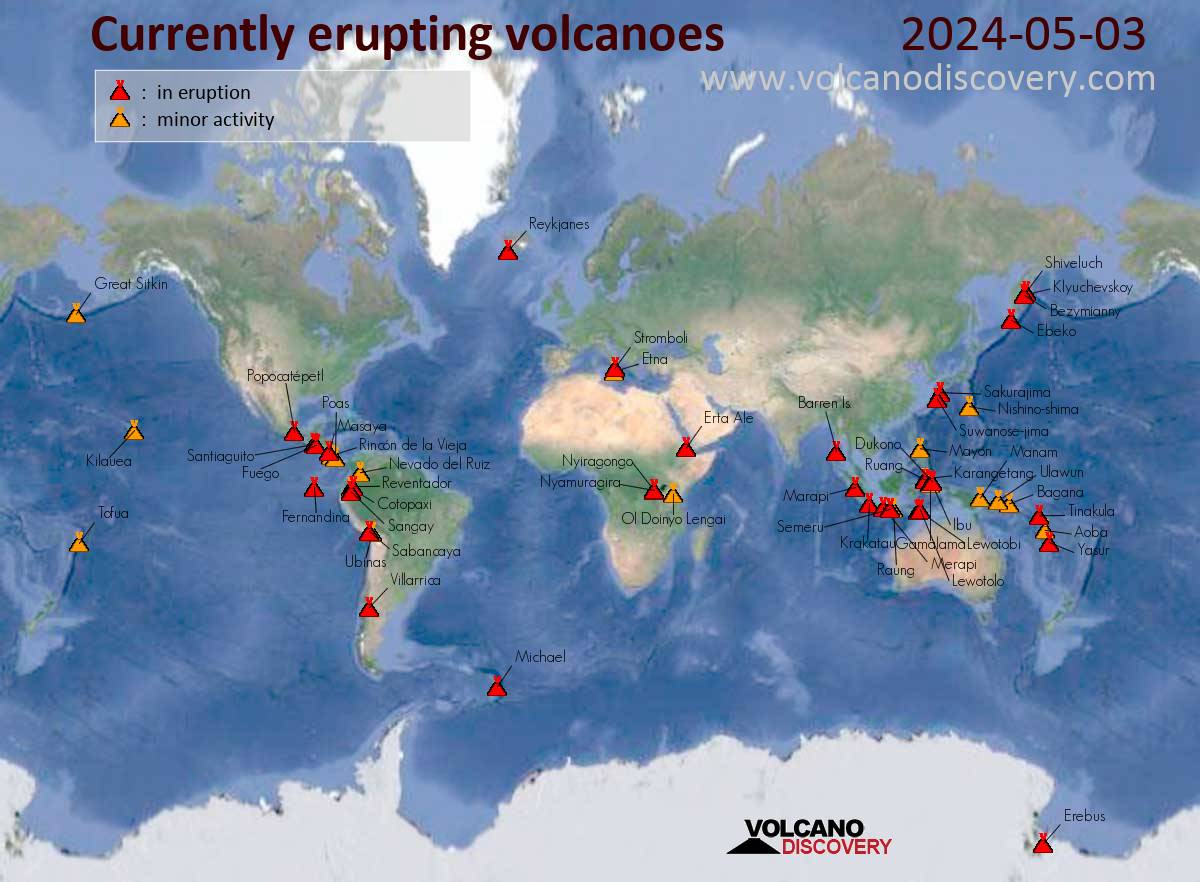





World Earthquake Report for October 2026
EarthquakeMonitor
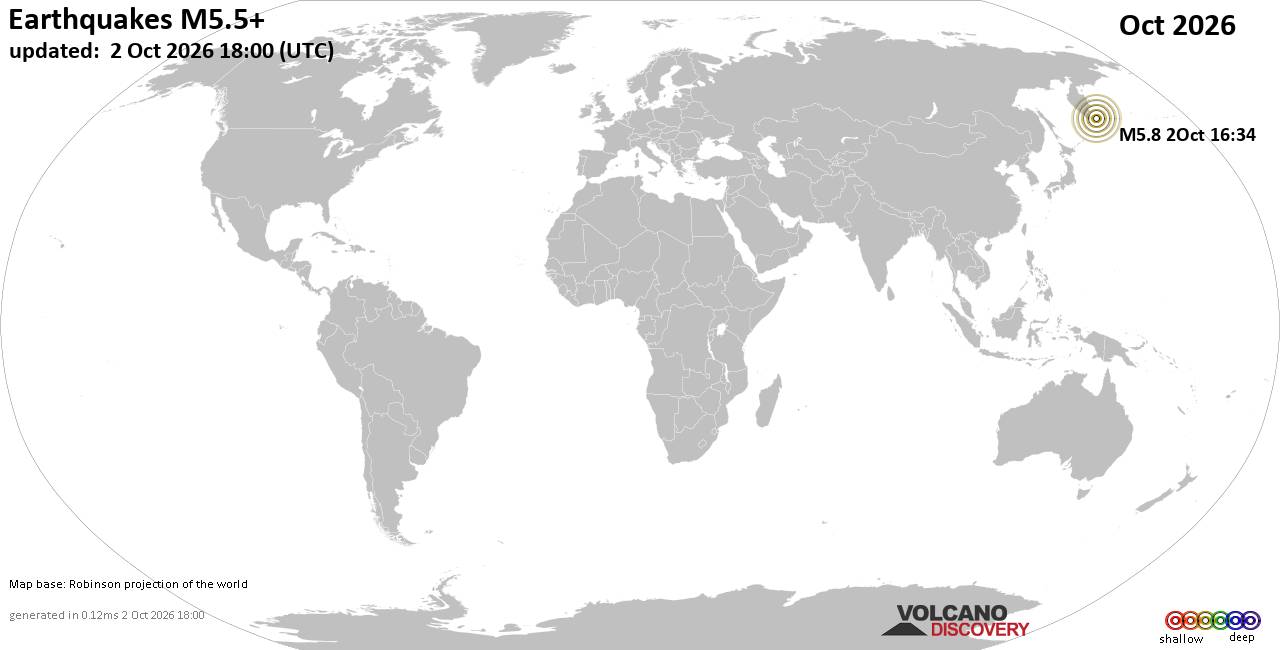


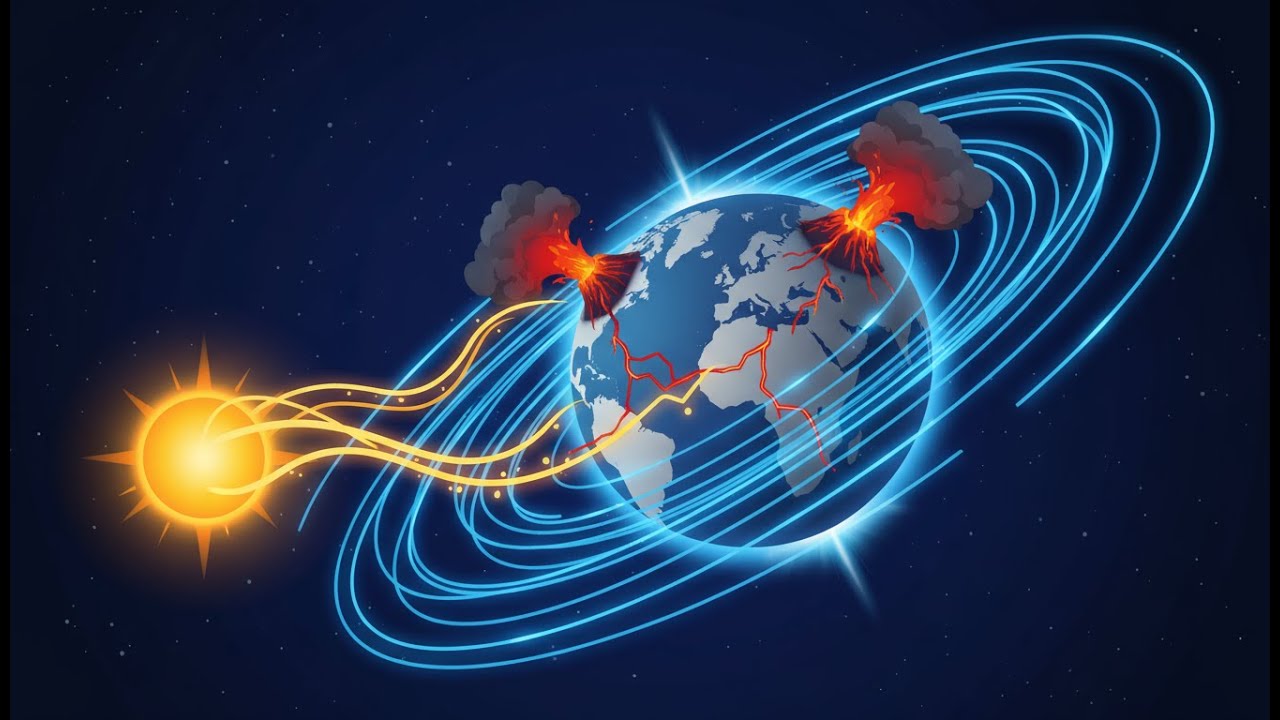
• GeoClimate Weather
Earth’s Extremes Are the New Normal; Global wildfires, torrential rains, and prolonged droughts are escalating in frequency and intensity. Record-breaking winds, searing heatwaves, and deep-freeze storms have become part of a new climate reality. These extreme patterns are no longer anomalies—they’re the emerging norm. As our planet undergoes rapid transformation, we continue to uncover the deeper forces—both natural and possibly engineered—driving this global shift in climate and weather behavior.
Monster Super El Nino


Health Watch
“Unless we put medical freedom into the Constitution, the time will come when medicine will organize into an undercover dictatorship to restrict the art of healing to one class of men and deny equal privileges to others. The Constitution of the Republic should make a special privilege for medical freedom as well as religious freedom.” – Benjamin Rush
“All Healing is Essentially the Release from Fears.” – CM 2.IV.1.7
FREE HIGH RES: The Healing Web / COVID Map
MUST WATCH: Plandemic/ Documentary
LIFE REGRESSION & EXTENSION: MEDBEDS
Our ongoing research consistently uncovers conclusive evidence of pharmaceutical toxins provoking side effects, prolonging illnesses, and instigating new health complications. The battle for truth in healthcare has become increasingly apparent, particularly with recent revelations regarding the collusion between the FDA, Big Pharma, and the Corporate Food Industry, as opposed to the interests of Alternative Health, Vitamins & Supplements, and Organic Farming sectors. Central to this issue is the nexus between government agency leaders, who often advocate policies favoring Big Pharma and Corporate Food Industry giants. Through our platform, we aim to disseminate articles, videos, and documentaries elucidating the deliberate toxification, pollution, and contamination perpetrated by the pharmaceutical drug industry and our food system.
• Global Health Watch News
The Federal Reserve Families control Big Pharma/CDC/AMA. It is no secret that cures for most diseases are being withheld or suppressed. There is a silent war against Big Pharma between alternative health doctors, vitamin and supplement companies, as well as wellness clinics. Hundreds of awakened doctors and alternative practitioners are being subjected to threats or dying in untimely “accidents”. For an in-depth look at diseases and ailments and how they’re treated from Big Pharma and Holistic perspectives.
Great Awakening Report — Monthly Research Briefing
Medical Freedom • Pharmaceutical Accountability • Vaccine Safety • Environmental Toxins • Food Contamination • Alternative Medicine • Longevity Research
October 2026 has produced several significant developments involving pharmaceutical regulation, vaccine safety oversight, environmental contamination, medical freedom, and the growing influence of alternative health movements.
For this month’s Health Watch, I’ve prioritized reporting from The HighWire, Children’s Health Defense / The Defender, and independent investigative and consumer advocacy organizations, rather than mainstream news outlets.
The ten stories below are selected for their relevance to GAR’s investigations into healthcare accountability, corporate influence, patient rights, environmental health, and emerging approaches to healing. Each distinguishes reported developments from allegations, disputed interpretations, and questions requiring further investigation.
Top 10 Health Watch stories — October 1–29, 2026
1. HHS moves to expand access to experimental peptide therapies
OCTOBER 28
Federal health officials announced a temporary enforcement-discretion approach allowing certain licensed pharmacies and clinicians to compound six peptides while broader regulatory decisions remain pending. The development has implications for medical choice, regenerative medicine, and the peptide industry. It does not establish that these compounds are safe or effective for their promoted uses.
2. FDA official’s recommendation for stronger myocarditis warning draws scrutiny
OCTOBER 23
Children’s Health Defense reported on documents indicating that an FDA safety official recommended additional fatal-myocarditis warning language for mRNA COVID-19 vaccines in December 2025. The report raises questions about the agency’s review process, risk communication, and labeling decisions. Myocarditis is a recognized rare adverse event associated with certain mRNA vaccines, but the report’s specific account of pediatric deaths requires careful evaluation of causality.
3. Florida sues Pfizer over alleged COVID-19 vaccine marketing deception
OCTOBER 2
Florida’s attorney general filed litigation alleging that Pfizer made misleading statements concerning vaccine safety and transmission. The case places pharmaceutical advertising, informed consent, and corporate accountability under renewed examination. These are allegations in litigation, not established judicial findings.
4. NIH advances plans for vaccine injury research and treatment center
OCTOBER 8–27
Federal health agencies have described plans for a program investigating reported vaccine injuries and clinical care needs. The Defender and The HighWire covered the initiative, including ongoing work to determine protocols and eligibility. A key question is how the program will distinguish confirmed adverse reactions from symptoms with other causes while improving patient care.
Will Regulators Catch the Drift? NFFC v. EPA and Breathing New Life Into Pesticide Regulation
5. EPA approvals of fluorinated pesticides face legal and environmental challenges
OCTOBER 26
The HighWire reported concerns about newly approved fluorinated herbicides used on major food crops. Environmental groups have challenged one registration and raised questions about persistent chemical exposure, ecological harm, and the adequacy of safety assessments. The exact chemical definitions, exposure levels, and health risks vary by pesticide.
6. Environmental Groups Sue Over Atrazine Contamination in American Waterways
OCTOBER 15
Public health and conservation organizations filed suit seeking federal water-quality standards for atrazine, a widely used herbicide. The litigation raises concerns about pesticide runoff, drinking-water protection, and the responsibilities of agricultural regulators. The reported contamination warrants attention, although health risk depends on concentration and exposure.
7. Vaccinating children during anesthesia prompts debate over informed consent
OCTOBER 23–28
The HighWire investigated hospital programs offering influenza vaccination while children are sedated for unrelated procedures. These programs obtain parental consent, but critics question timing, monitoring, and whether combining vaccination with surgery introduces avoidable complications. The central issue is whether existing consent and safety procedures adequately address these concerns.
Our Facilities — Global Harvest Foods, LLC
8. Investigation examines agribusiness lobbying and food-system influence
OCTOBER 22
The Defender reported findings that Chinese-owned agribusiness companies Syngenta and Smithfield spent more than $24 million lobbying the federal government, alongside political contributions, while advocating policies affecting food production and pesticide regulation. The investigation raises legitimate questions about transparency and corporate influence; lobbying expenditures alone do not establish corruption.
Pharmaceutical logistics in demand as war rattles supply chains, ETManufacturing
9. Pharmaceutical industry payments to physicians face renewed examination
OCTOBER 14–15
The Defender highlighted research associating drug-company meals, gifts, and financial relationships with prescribing patterns. Meanwhile, The HighWire featured litigation that resulted in the release of millions of pages of Pfizer and Moderna vaccine-related records. Together, these developments provide avenues for investigating financial conflicts of interest and regulatory transparency, without assuming every payment or document demonstrates misconduct.
10. Nutritional Dark Matter: researchers explore thousands of overlooked food compounds
OCTOBER 9
Physicist Albert-László Barabási discussed research identifying approximately 135,000 naturally occurring food molecules largely absent from conventional nutritional databases. His team’s work explores how food processing changes chemical composition and how lesser-known compounds might influence human biology. This is an emerging research field, not evidence that specific foods can cure disease.
Connecting the Dots | Signals • Threads • Patterns
Signals: October’s strongest developments include the new peptide-access policy, the NIH’s proposed vaccine-injury research initiative, pharmaceutical litigation, and challenges to pesticide regulation. These are concrete regulatory, legal, and scientific developments rather than evidence of a single coordinated agenda.
Threads: Several common questions connect the stories: Who determines which treatments are available? How transparent are safety assessments? What influence do commercial interests have on regulation? And how can patients obtain reliable information about both conventional and alternative approaches to healthcare?
Patterns: The broader emerging theme is increasing scrutiny of healthcare institutions, alongside demand for patient autonomy, better adverse-event surveillance, independent research, and more comprehensive environmental-health protections. Those trends create opportunities for constructive reform, but claims of deliberate poisoning or systematic collusion still require specific, independently corroborated evidence.



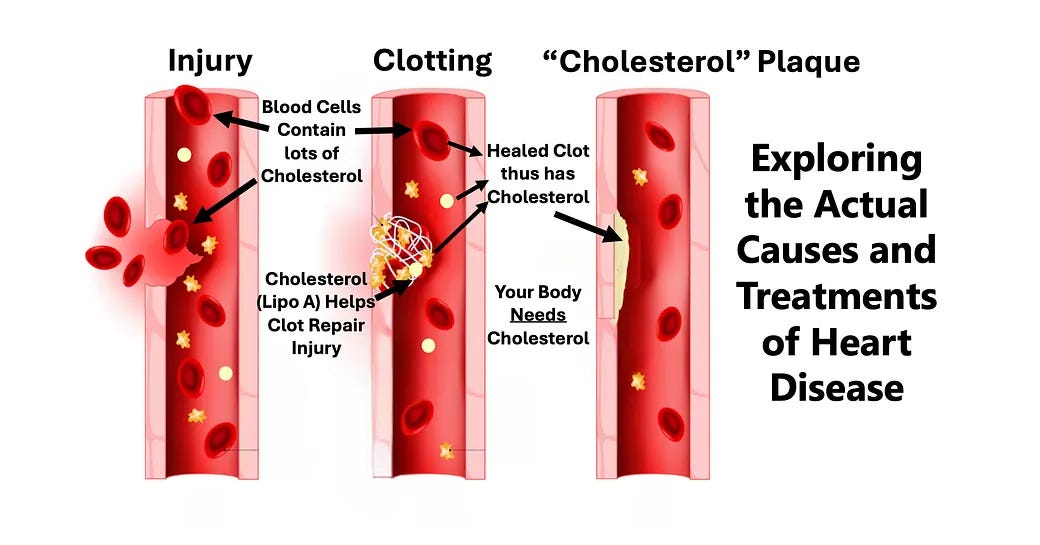


• Health Documentary
Fantastic Fungi | The Hidden Network Beneath Our World
Fantastic Fungi is a visually stunning exploration of the largely unseen world of fungi, mushrooms, mycelium, ecosystems, medicine, and the interconnected intelligence of nature. Through extraordinary time-lapse cinematography and commentary from scientists, researchers, environmentalists, and mycologists—including prominent mushroom advocate Paul Stamets—the documentary reveals how vast underground mycelial networks help decompose organic material, recycle nutrients, support plant life, and connect ecosystems. The film invites viewers to reconsider fungi not simply as mushrooms growing above the soil, but as part of an ancient biological system that has played an essential role in the evolution and resilience of life on Earth.
Beyond ecology, Fantastic Fungi ventures into human health, psychedelics, consciousness, and our relationship with the natural world, examining research into medicinal mushrooms and the renewed scientific interest in psilocybin-assisted therapy. Some of the broader implications presented in the film remain areas of active research, but its central message is compelling: life operates through networks of cooperation and interdependence that are often invisible to us. For GAR, the documentary provides a natural bridge between consciousness studies, emerging medicine, environmental regeneration, and interconnected systems, ultimately asking viewers to look beneath the surface and consider whether humanity has much more to learn from the complex living networks already surrounding—and supporting—us.



• Featured Health Watch Expert | DR. SHERRI TENPENNY
Medical Sovereignty | Informed Consent | Questioning the Conventional Narrative
In an era of rapidly evolving medical technologies, expanding public health policies, and growing questions about institutional accountability, Dr. Sherri Tenpenny has become a recognizable voice in the medical freedom movement. An osteopathic physician, author, and public speaker, Tenpenny has spent decades challenging conventional approaches to vaccination, questioning medical practices, and advocating for greater individual involvement in healthcare decisions. Her work emphasizes informed consent, bodily autonomy, and the importance of understanding both the potential benefits and risks of medical interventions.
The collection of discussions featured here explores several dimensions of this broader conversation. From the long-term implications of vaccination and alternative interpretations of cancer diagnoses to questions surrounding medical imaging, contrast agents, and the expanding influence of artificial intelligence and information systems, these resources examine how medical decisions are made, who shapes the information patients receive, and what happens when established assumptions are challenged. Some perspectives presented are controversial or conflict with established medical evidence, making careful evaluation of supporting research and competing interpretations particularly important.
At the heart of this discussion is a principle central to the Great Awakening Report: medical sovereignty begins with awareness, personal responsibility, and the freedom to make informed decisions. Meaningful informed consent requires more than simply accepting or rejecting a recommendation. It involves asking questions, understanding the available evidence, recognizing uncertainty, and weighing potential consequences. Whether examining conventional medicine, alternative health perspectives, or emerging technologies, the objective is not to replace one unquestioned authority with another, but to cultivate the discernment necessary to participate consciously in our own healthcare.
AWARENESS → INQUIRY → DISCERNMENT → INFORMED CONSENT → MEDICAL SOVEREIGNTY
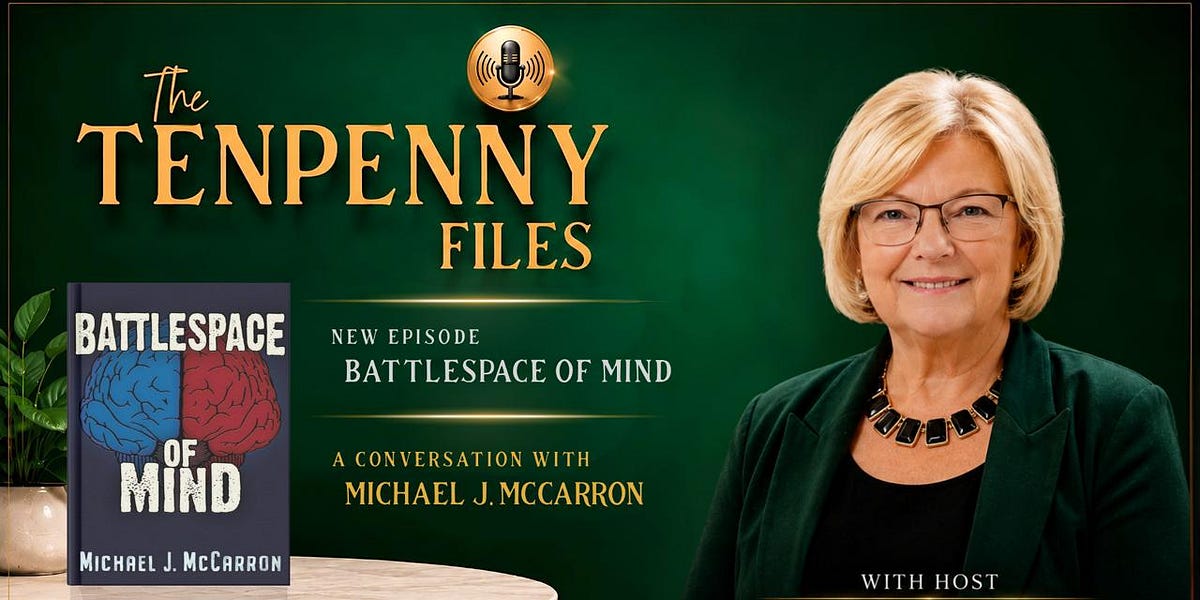
• Health Sovereignty
Health sovereignty is the reclaiming of personal authority over the body, mind, and spirit in a world where health has increasingly become centralized, commercialized, and disconnected from true wellness. More people are beginning to recognize that modern systems often prioritize symptom management, pharmaceutical dependence, and profit over prevention, vitality, and root-cause healing. In response, a growing movement is emerging—one focused on reclaiming the right to make informed, conscious decisions about personal health without coercion, censorship, or institutional pressure.
At the center of health sovereignty is the understanding that the body is intelligent and capable of remarkable healing when properly supported. Nutrition, detoxification, sunlight, movement, sleep, emotional balance, nervous system regulation, and environmental awareness all play critical roles in restoring resilience and long-term well-being. Rather than viewing health as purely physical, this perspective recognizes the deep connection between the mind, body, environment, energy, and consciousness itself.
This shift is also being fueled by rising distrust toward industries tied to toxic food systems, chemical exposure, overmedication, and the suppression of alternative healing approaches. From ultra-processed foods and environmental pollutants to growing concerns around pharmaceutical overreach, many are questioning whether modern healthcare has drifted away from genuine healing and become increasingly aligned with lifelong dependency and chronic disease management.
Health sovereignty is not about rejecting science or medicine—it is about reclaiming balance, transparency, informed consent, and freedom of choice. It is a return to personal responsibility, discernment, and a more holistic understanding of human health. As institutional trust continues to erode, more individuals are turning inward, reconnecting with nature, strengthening their bodies, and rediscovering the relationship between consciousness, vitality, and true human wellness.

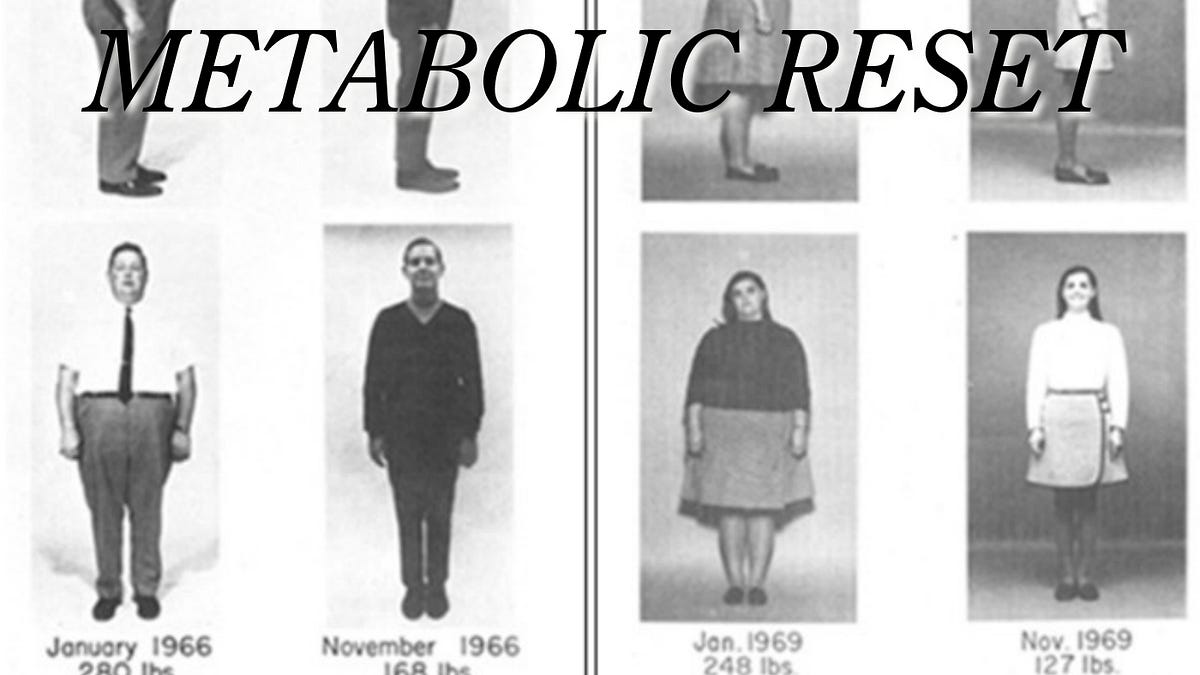
HEALTHSPAN | LIVING BETTER, NOT JUST LONGER
Redefining Longevity Through Vitality, Strength & Conscious Living
For generations, longevity has been measured by the number of years we live. But a longer life does not necessarily mean a healthier, more fulfilling one. Healthspan introduces a different perspective: the goal is not simply to extend life, but to extend the years we live with strength, mental clarity, mobility, independence, and vitality. It asks us to reconsider what successful aging really means—not merely reaching an advanced age, but maintaining the capacity to enjoy and participate in life along the way.
Emerging research into healthy aging is shifting attention toward the biological and lifestyle factors that influence our long-term well-being. Muscle preservation, metabolic health, cardiovascular fitness, cognitive resilience, restorative sleep, nutrition, and emotional well-being all play important roles in maintaining our functional capacity. Rather than waiting until illness or physical decline demands our attention, the healthspan approach encourages us to invest in our health throughout life, recognizing that the habits we establish today can influence the quality of our later years.
Yet true vitality extends beyond the physical body. Remaining curious, connected, purposeful, and actively engaged in life is equally central to the healthspan conversation. The objective is not to avoid aging, but to experience it with greater resilience, awareness, and independence. From the GAR perspective, this represents an important expression of health sovereignty: becoming an informed, active participant in our own well-being while recognizing that aging and health outcomes are influenced by many factors, not all within our control. Ultimately, the question is no longer simply How many years can we add to our lives? but How much life can we bring to the years we have?
AWARENESS → PREVENTION → STRENGTH → RESILIENCE → VITALITY → QUALITY OF LIFE


• Viruses, Pandemics & Bioweapons
Across the landscape of viruses, parasites, cancer, and pandemics, a disturbing pattern has taken root—one of censorship, suppression, and centralized control, often at the expense of human health and global well-being. Critical discussions about the true origins, natural remedies, preventative protocols, and alternative treatments for these complex conditions are routinely silenced or discredited. This not only undermines public trust but also deprives individuals of the information needed to make informed decisions about their health.
At the Great Awakening Report (GAR), we are committed to exposing the deeper truths behind these health crises. We explore the interconnected nature of disease, immunity, and systemic corruption—from laboratory-engineered pathogens to parasitic infections and the misuse of pandemics for political or economic gain.
By promoting transparency, independent research, and holistic health awareness, GAR empowers individuals to reclaim sovereignty over their bodies and their choices. Our mission is to illuminate what has been hidden, challenge the official narratives, and offer grounded, life-saving knowledge in a time when truth has become a revolutionary act.
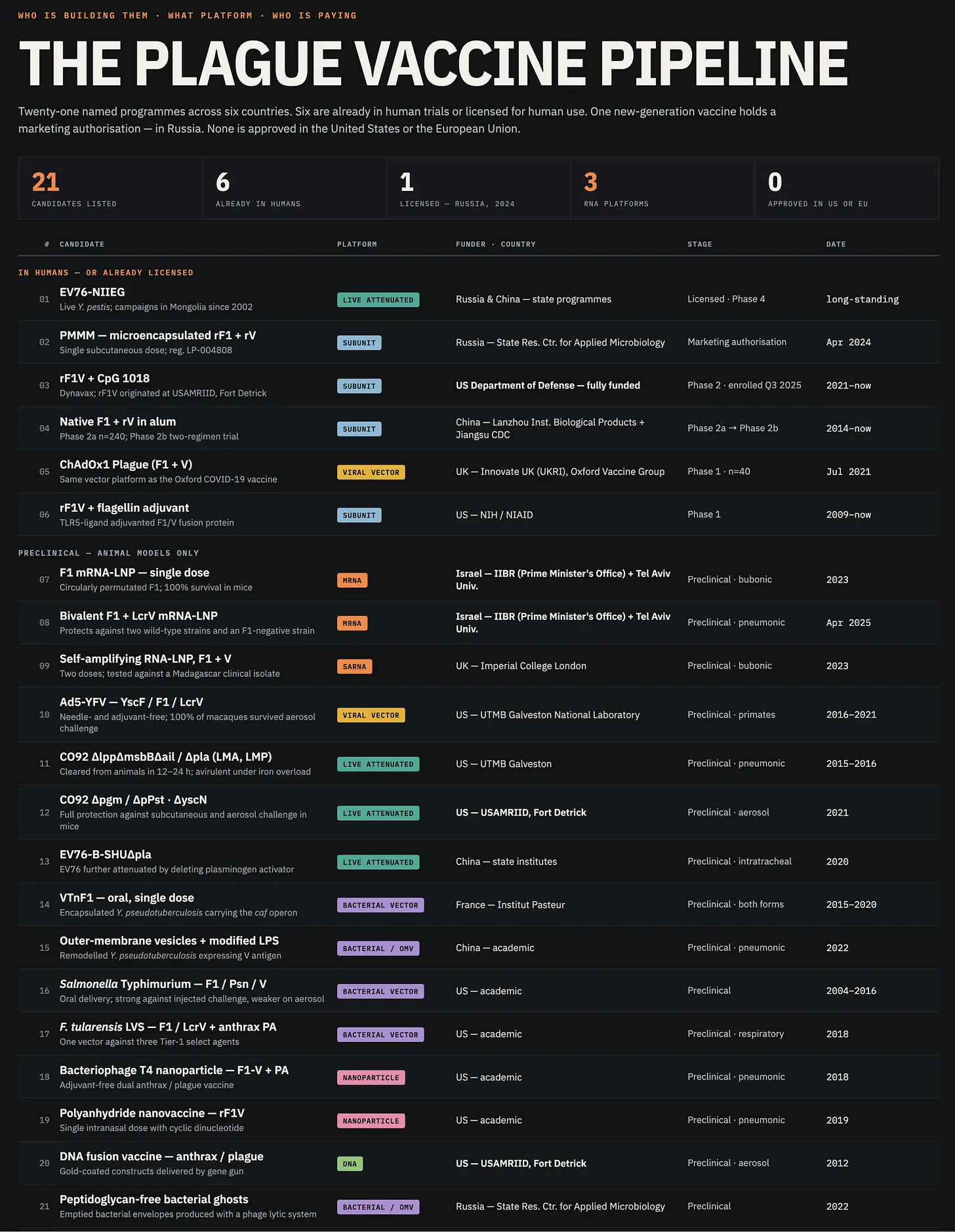
MORE THAN 21 PLAGUE VACCINES IN DEVELOPMENT | BIODEFENSE, PREPAREDNESS & UNANSWERED QUESTIONS
In an October 6, 2026, article published by The Focal Points, epidemiologist Nicolas Hulscher, MPH, examines the expanding international effort to develop vaccines against Yersinia pestis, the bacterium responsible for plague. Citing a World Health Organization vaccine-development overview, Hulscher identifies more than 21 vaccine candidates involving mRNA, self-amplifying RNA, DNA, viral-vector, recombinant protein, and other technologies. Research programs in the United States, United Kingdom, Israel, China, and Russia reflect substantial investment in plague prevention, including military biodefense initiatives intended to protect personnel against potential aerosol exposure.
Hulscher questions the timing and scale of these programs amid renewed attention to reports of a possible laboratory incident in Siberia. He also highlights existing antibiotic treatments, arguing that effective therapeutic options deserve greater attention in discussions about plague preparedness. While the existence of vaccine-development programs is documented, it does not establish that an outbreak or deliberate biological release is anticipated; Russian authorities have denied reports of a laboratory accident. The broader discussion raises important questions about biological security, transparency, research priorities, medical countermeasures, and public accountability—and how societies can distinguish legitimate preparedness from speculation during periods of heightened uncertainty.
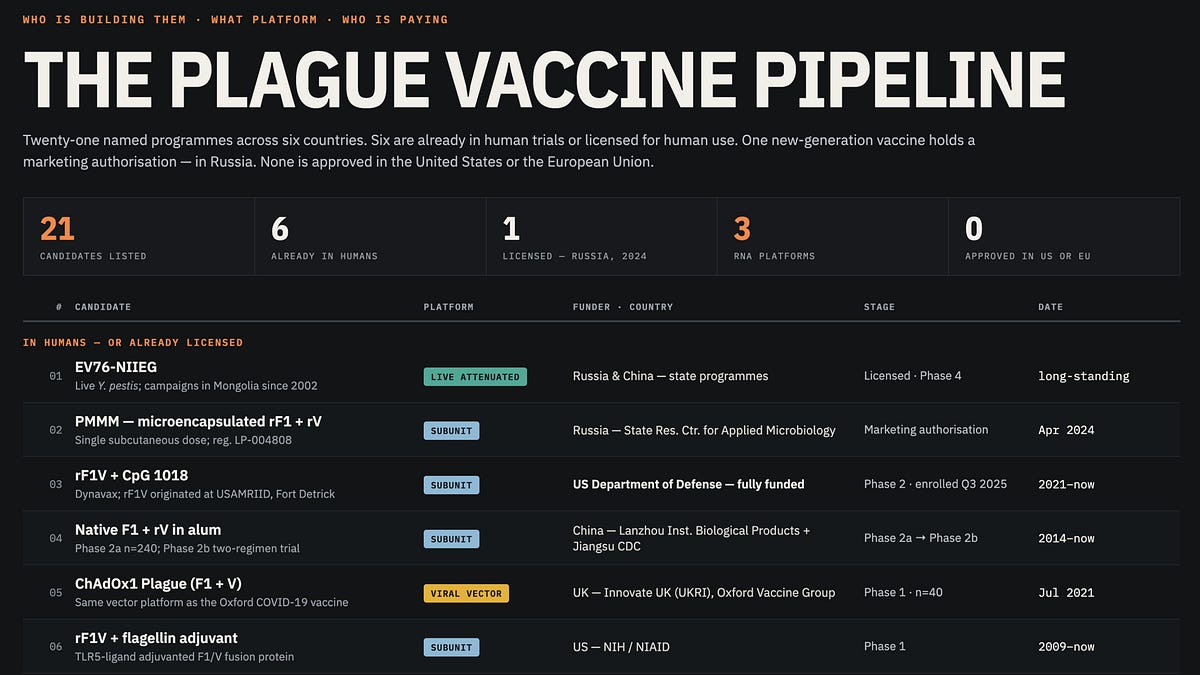
THE SIBERIAN LAB INCIDENT | BIOLOGICAL SECURITY UNDER SCRUTINY
Reported Laboratory Death Raises Questions About Plague Research, Containment & Global Preparedness
Reports circulating about the death of a laboratory worker at a plague research facility in Siberia have renewed attention on a critical but often overlooked issue: the safety, security, and oversight of facilities working with dangerous biological agents. Independent commentators and medical experts are examining what may have occurred, whether any broader public health threat exists, and how quickly authorities would identify and communicate a potential containment failure. At this stage, the reported incident should not be confused with confirmation of a pneumonic plague outbreak or a biological-weapons release.
The questions extend far beyond one laboratory or one country. How effectively are high-containment research facilities monitored? What safeguards exist to protect laboratory personnel and surrounding communities? And how transparent would governments be if a serious biological incident occurred? These concerns become increasingly relevant as advances in biotechnology, international security tensions, and emerging infectious diseases create new challenges for public health preparedness.
Our featured collection examines the reported Siberian incident alongside expert commentary, hypothetical outbreak scenarios, and broader discussions of biological security. The objective is not to suggest that a global emergency is unfolding, but to encourage informed awareness, independent investigation, accountability, and practical preparedness in a world where biological risks deserve careful attention.
BIOLOGICAL RESEARCH → LABORATORY SAFETY → TRANSPARENCY → EARLY DETECTION → PUBLIC HEALTH PREPAREDNESS



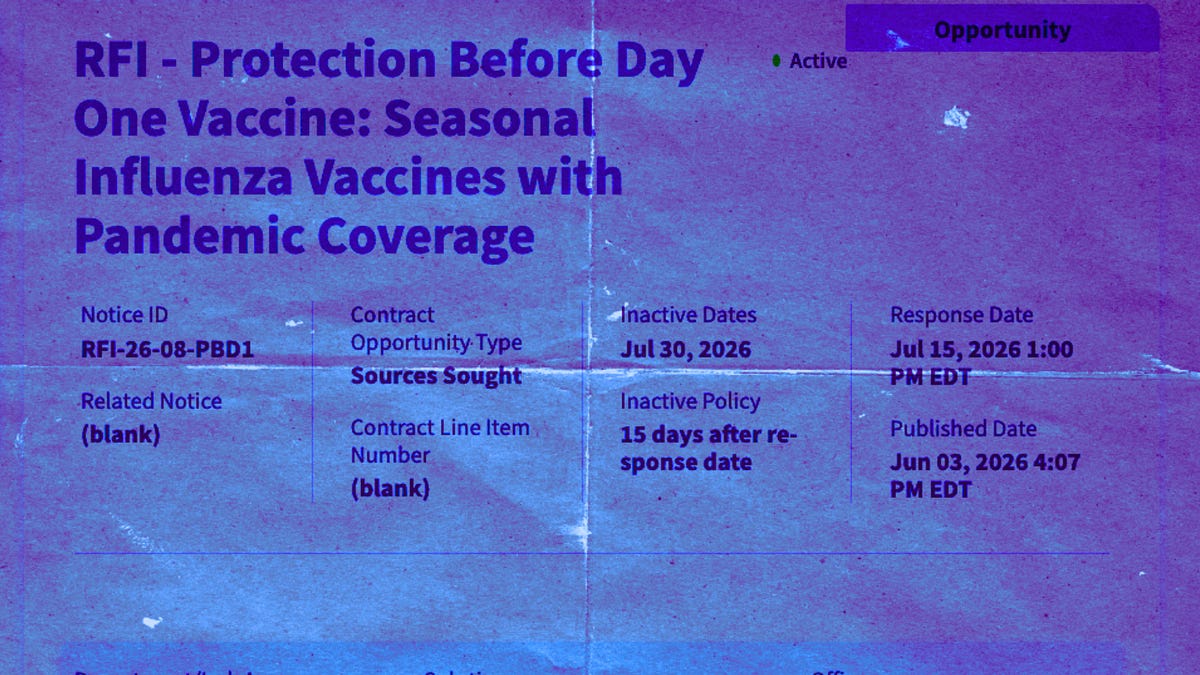

• Vaccine Induced Injuries, Diseases & Deaths
The growing reality of vaccine-induced injuries, chronic illnesses, and even deaths remains largely hidden from public view—silenced by a powerful alliance between pharmaceutical giants, global health agencies like the WHO and FDA, and a complicit media ecosystem. Legitimate concerns about adverse reactions, long-term health consequences, and post-vaccination fatalities are often dismissed, censored, or labeled as “misinformation,” leaving countless individuals and families without recognition, justice, or support.
This aggressive suppression of data and firsthand testimonies distorts the public’s ability to make informed medical choices, erodes trust in health institutions, and shields those responsible from accountability. Reports from independent researchers, whistleblowers, and injured patients paint a starkly different picture from the sanitized narratives pushed by regulatory authorities. The lack of transparency underscores an urgent call for independent oversight, open scientific inquiry, and uncensored platforms to report, review, and respond to vaccine-related harm. Until these systems are in place, public health policy will continue to be shaped by profit and control—not by truth or well-being.
At the Great Awakening Report, we remain committed to exposing the hidden costs of medical coercion and advocating for the voices of the injured—because informed consent is impossible without the full truth.

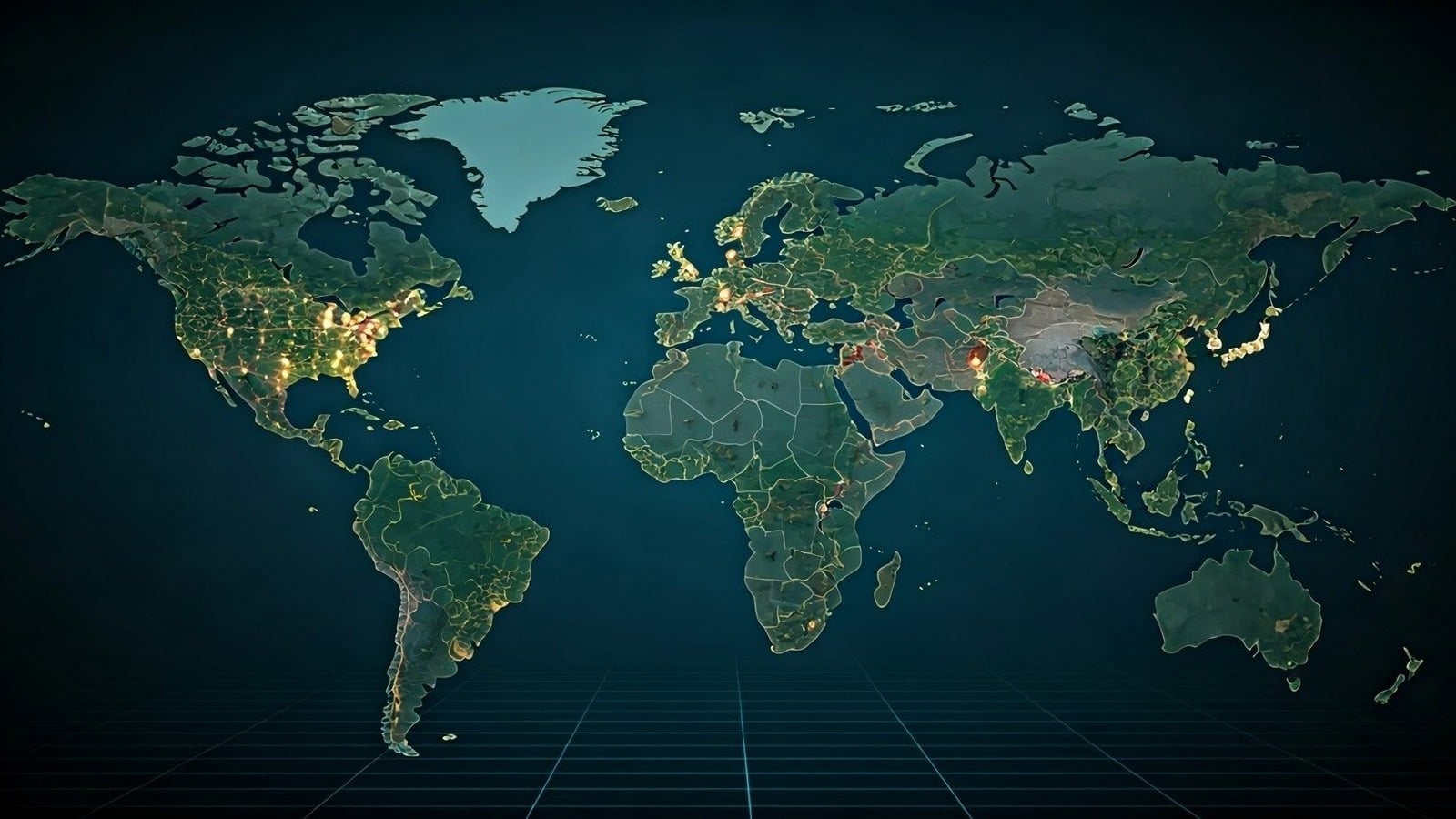




• Toxic Exposures
Modern society has introduced an unprecedented level of toxic exposure into daily life through the air we breathe, the water we drink, the food we consume, and the products we use every day. From pesticides, industrial chemicals, pharmaceuticals, microplastics, and heavy metals to fluoride, aluminum, electromagnetic radiation (EMF), and aerial atmospheric dispersants, growing concerns continue to emerge around the cumulative impact these substances may have on neurological function, hormonal balance, immune resilience, fertility, chronic inflammation, and long-term human health. Many critics argue that the full effects of these exposures are often minimized, understudied, or overshadowed by corporate and regulatory interests.
At GAR, we examine toxic exposure through the broader lens of health sovereignty, environmental awareness, and human resilience. This includes exploring independent research, detoxification strategies, regenerative health practices, water and food quality, EMF saturation, environmental contamination, and the relationship between toxic burden and chronic disease. As awareness grows, more individuals are seeking ways to reduce exposure, strengthen the body’s natural defenses, reconnect with nature, and reclaim greater control over the environmental conditions shaping modern human health.
This is one of those moments. The continued approval and use of PFAS “forever chemicals” in pesticide formulations represents not merely a regulatory failure, but a profound challenge to the legal, ethical and human rights frameworks that underpin civilised society.




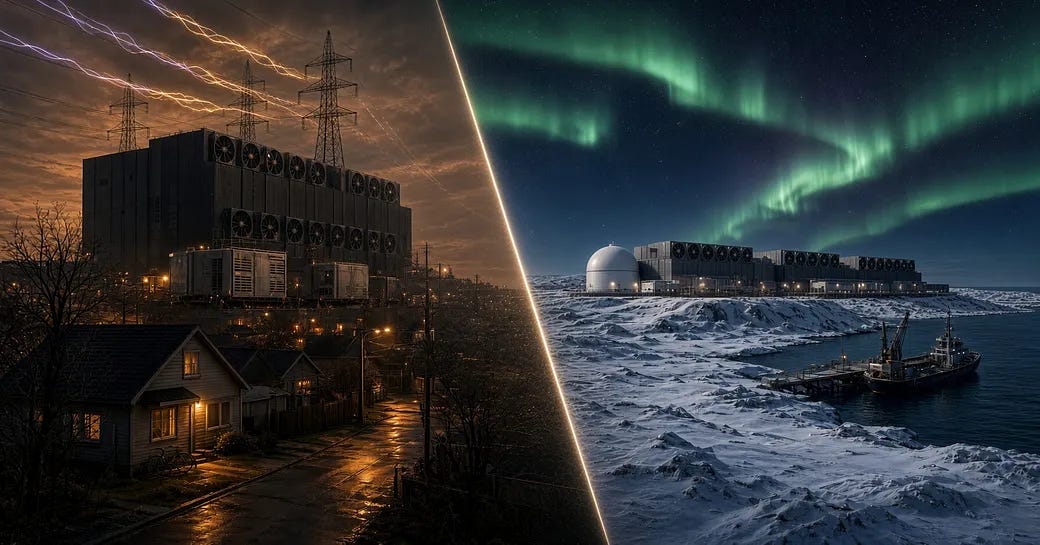


• Captured Health Industry | WHO, FDA & Big Pharma
The debate over health freedom has reached a critical tipping point, as more people question whether governments and unelected global institutions should have the authority to dictate personal medical decisions. At the center of this controversy lies Big Pharma, whose soaring annual revenues raise urgent concerns about its true priorities.
Beyond the profits, there is growing unease about the safety and efficacy of vaccines, the suppression of alternative treatments, and the manipulation of medical narratives by powerful entities like the WHO, FDA, and pharmaceutical conglomerates. Increasing evidence suggests that public health may be secondary to corporate gain, with illness being managed rather than truly healed—ensuring a long-term, profitable customer base. From concealing natural cures to downplaying the dangers of certain drugs, foods, and supplements, Big Pharma’s influence has bred widespread skepticism. Fewer than one in four Americans now trust the healthcare system, reflecting a deep fracture between institutional authority and public confidence.
This is a defining moment. As the call for transparency, accountability, and informed consent grows louder, people are waking up to the importance of reclaiming sovereignty over their own health. Health freedom is not just a personal right—it is a societal imperative.



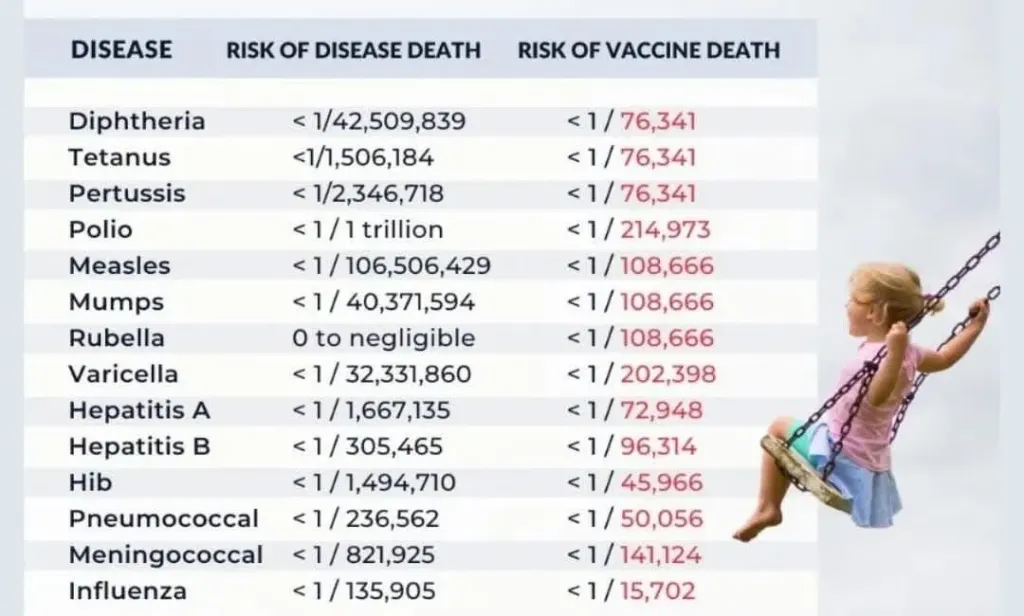


• Food Industry | Challenges, Safety & Security
The global food system is undergoing significant transformation, raising important questions about food security, ingredient transparency, agricultural practices, and the long-term health consequences of our dietary choices. From vulnerabilities in fertilizer supplies and emerging food technologies to the growing prevalence of ultra-processed products, consumers face an increasingly complex landscape when deciding what to put on their plates.
At the same time, greater awareness is inspiring a renewed interest in whole foods, regenerative agriculture, traditional herbal knowledge, and conscious nutrition. Understanding where our food comes from, how it is produced, and what research reveals about its effects on our bodies empowers us to make more informed decisions. While innovative food technologies offer potential benefits, they also invite important conversations about transparency, consumer choice, and responsible oversight.
Ultimately, food sovereignty begins with knowledge, discernment, and the freedom to choose how we nourish ourselves and our families. Every purchasing decision offers an opportunity to support the agricultural practices, food producers, and values we believe in. The goal is not to approach food with fear, but with greater awareness, curiosity, and personal responsibility.




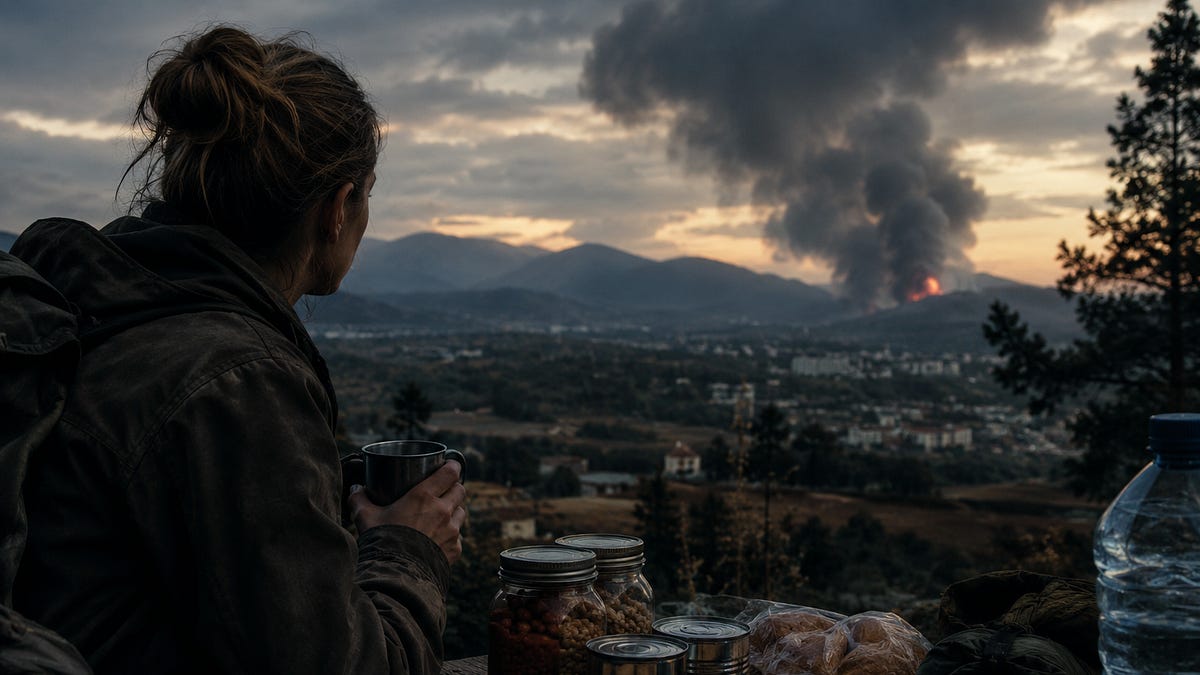
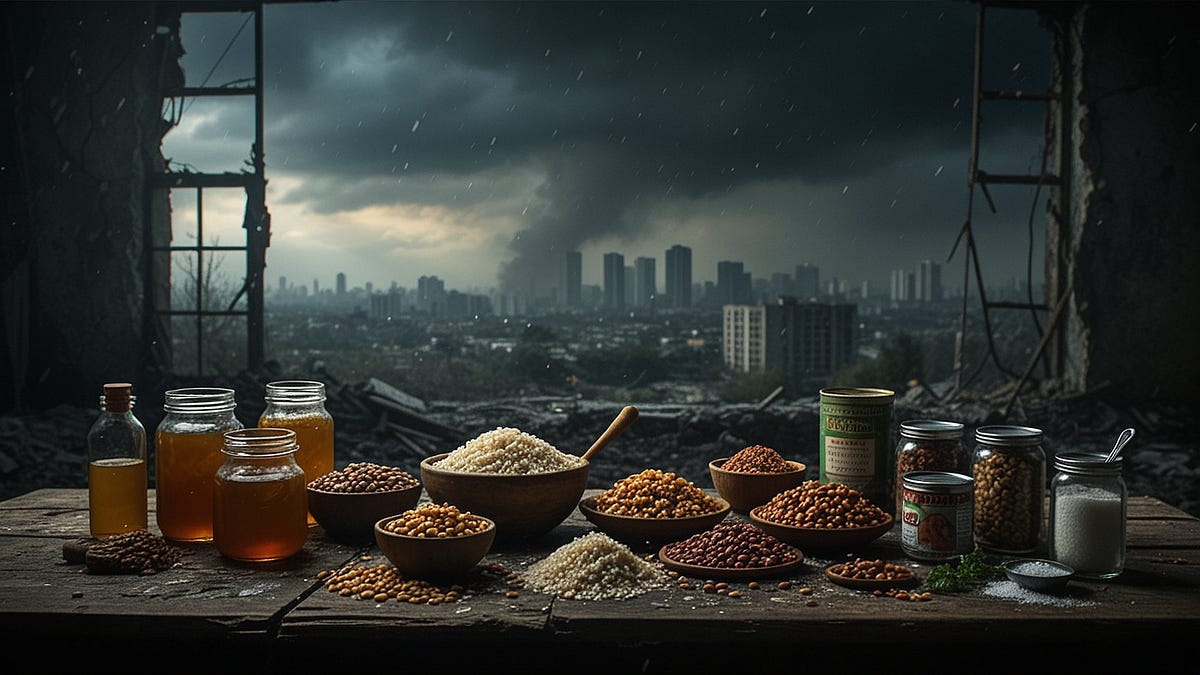

ULTRA-PROCESSED FOODS | WHAT ARE WE REALLY EATING?
Beyond Ingredients | How Food Processing May Influence Metabolism & Brain Activity
We often focus on calories, carbohydrates, fats, and protein when evaluating the foods we eat. But emerging research is raising another important question: Does the degree of processing influence how our bodies respond to food? The featured article, Ultra-Processed Food Affects Metabolism and Brain Activity, explores findings suggesting that food processing may influence metabolic responses and brain activity, adding another dimension to our understanding of nutrition and long-term health.
As ultra-processed products occupy an increasingly prominent place in modern diets, understanding their composition and effects becomes an important part of informed food choices. Beyond nutritional labels, factors such as food structure, additives, and processing methods deserve greater attention. These findings also encourage us to reconsider the value of whole and minimally processed foods as part of a balanced, nourishing lifestyle.
Food sovereignty begins with understanding what we consume. By asking better questions, examining emerging research, and making intentional choices, we become more active participants in our own health rather than passive consumers of an increasingly industrialized food system.


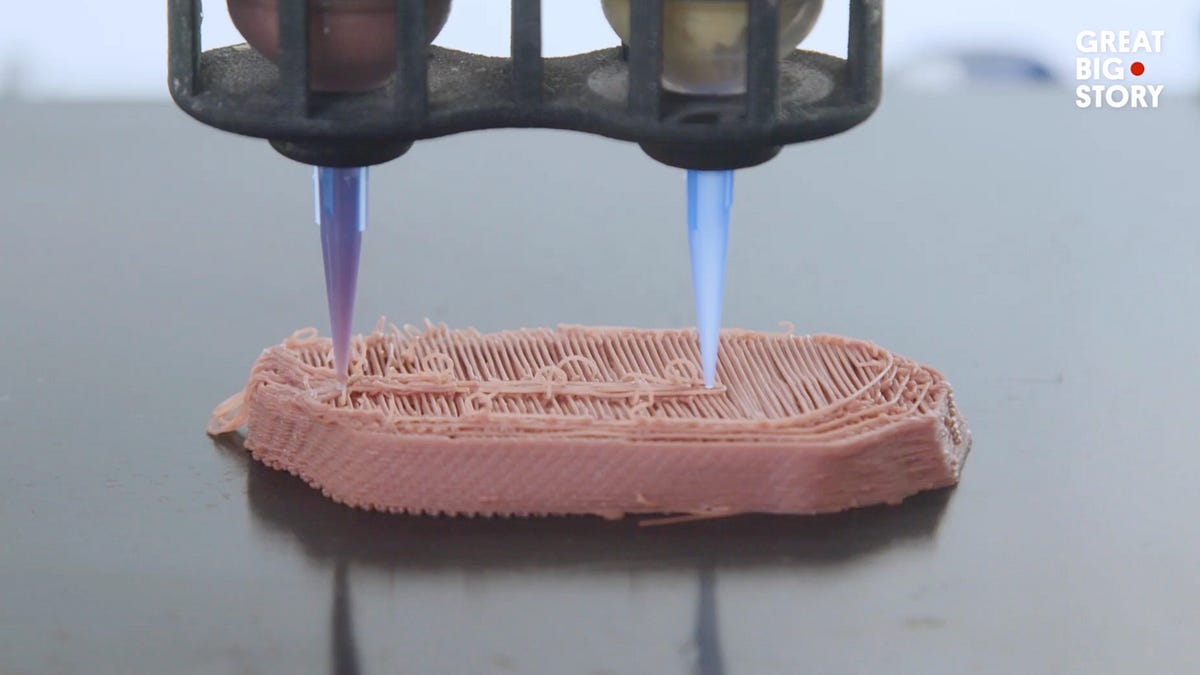
• Holistic Alternative Health
Why are alternative and holistic health practitioners facing untimely deaths? Can we tap into our own healing abilities? What foods, remedies, and practices truly benefit us? These are the pressing questions we’re asking, seeking genuine answers. Since the Flexner Report of 1910, our healthcare system has been primarily profit-driven. Despite this, many insightful practitioners have strived to guide individuals away from illness towards a healthier life. Sadly, these practitioners often face silencing and license revocation for promoting truth and natural methods. Navigating the vast amount of health information available can be daunting. Amidst these challenges, we persist in seeking truth and real solutions.





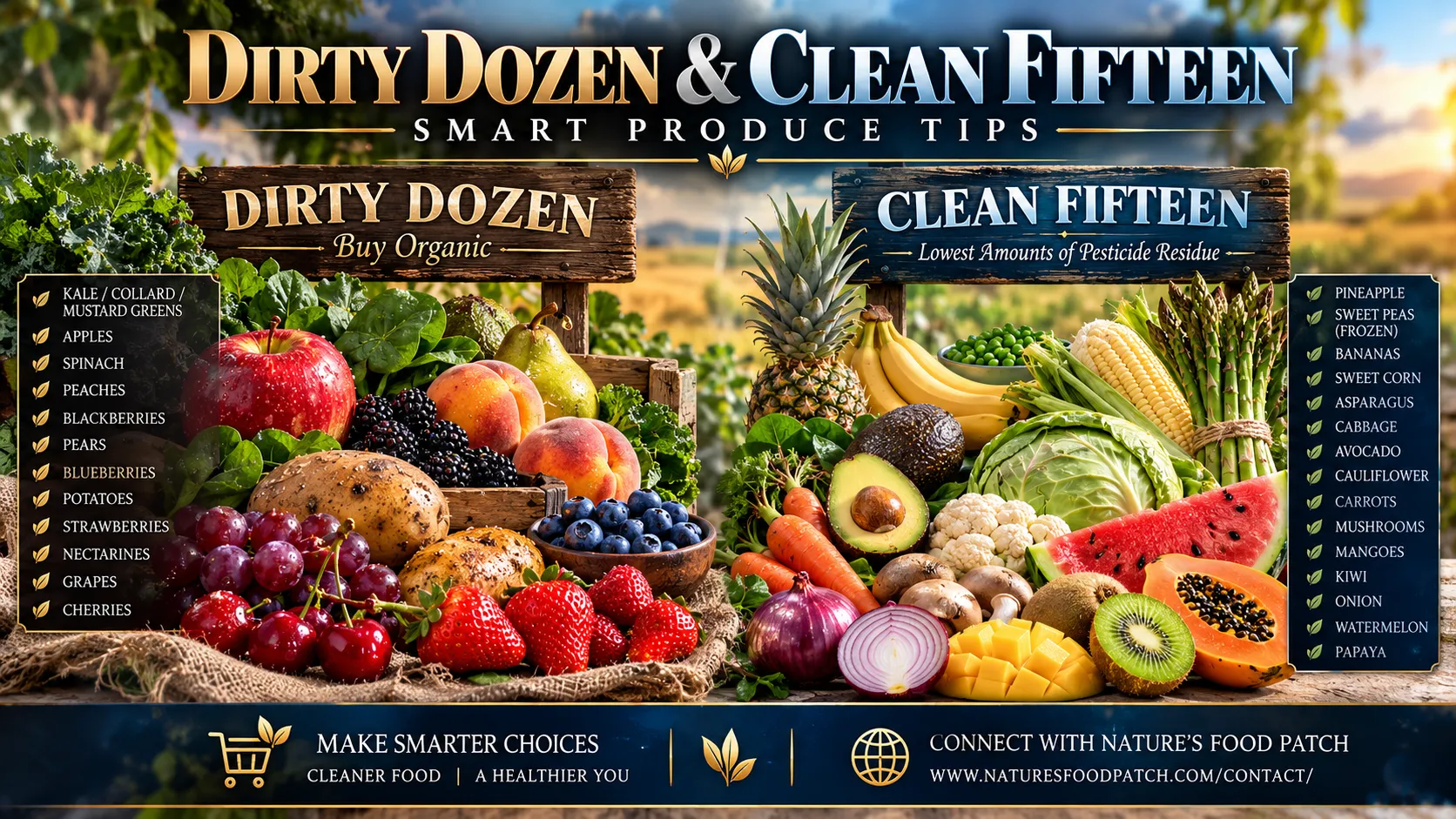
DIRTY DOZEN & CLEAN FIFTEEN | SMARTER PRODUCE CHOICES
Understanding Pesticide Residues & Making More Informed Food Decisions
Not all fruits and vegetables carry the same levels of pesticide residue, and knowing the difference can help us make more informed choices at the grocery store. Nature’s Food Patch highlights the 2026 Dirty Dozen and Clean Fifteen, based on the Environmental Working Group’s annual analysis of pesticide residue data. The Dirty Dozen identifies produce with higher detected residues, including spinach, strawberries, grapes, apples, and blueberries, while the Clean Fifteen features options with comparatively lower residues, such as avocados, pineapples, asparagus, and sweet corn.
These lists offer a practical starting point for shoppers who want to prioritize organic purchases where they may make the greatest difference, while balancing nutrition, availability, and household budgets. Importantly, pesticide residue rankings do not directly measure health risk, and conventional produce remains a valuable part of a healthy diet. The goal is not to discourage eating fruits and vegetables, but to encourage greater awareness of how our food is grown and the choices available to us.
AWARENESS → INFORMED CHOICES → BETTER NUTRITION → HEALTH SOVEREIGNTY

• Natural Remedies & Alternative Health Protocols
Alternative Medicine recovery protocols provide individuals with healing avenues beyond the boundaries of traditional medicine sanctioned by the FDA or Big Pharma. These protocols span various approaches, such as supplements, Ivermectin, Eastern medicine, and holistic options. By embracing these alternatives, individuals assert control over their health, liberating themselves from the clutches of a medical system tainted by corruption and greed. Instead, they embark on a journey guided by personal empowerment and holistic well-being, reclaiming autonomy over their destinies and pursuing healing paths aligned with their beliefs and values.
The Great Awakening Report does not endorse any of the following protocols. Please use your own discernment when deciding whether or not to follow any of these.





RESOURCE SPOTLIGHT | THE CANCER LIBRARY
A Different Way of Thinking About Cancer | Understanding the Science, Exploring the Options
What if understanding cancer required looking beyond a single cause, treatment, or medical philosophy? Dr. Paul Marik’s Cancer & Metabolic Library offers an expansive educational resource that brings together cancer biology, cellular metabolism, mitochondrial function, genetics, immunity, nutrition, and emerging therapeutic research. Organized as a living digital textbook, the library encourages readers to examine how these interconnected systems influence cancer development, progression, treatment, and recovery. At the center of this exploration is the growing interest in cancer metabolism, including the Warburg effect and the ways cancer cells use energy to sustain growth.
The library extends well beyond conventional discussions of cancer. Its developing chapters examine repurposed medications, nutraceuticals, dietary and metabolic interventions, immunotherapy, chemotherapy, cancer-specific research, treatment resistance, prevention, and survivorship. Particular attention is given to integrative approaches that explore how metabolic strategies might complement established oncology treatments. Some of these approaches remain experimental or have limited clinical evidence, making careful evaluation essential. With an extensive table of contents and regularly expanding material, the resource provides an opportunity to compare perspectives, investigate emerging research, and better understand both the possibilities and limitations of different approaches.
Knowledge, discernment, and informed participation are central to medical sovereignty. The Cancer Library reflects an approach to health education that encourages patients, caregivers, and researchers to ask deeper questions, understand the biological processes involved, and participate more actively in healthcare decisions. It is not a replacement for individualized oncology care, but a resource for expanding understanding and supporting more informed conversations about treatment options. For those navigating cancer personally, supporting someone they love, or simply exploring the evolving science of metabolic health, this growing library offers a substantial starting point for further investigation.
UNDERSTAND → QUESTION → RESEARCH → DISCERN → PARTICIPATE → EMPOWER
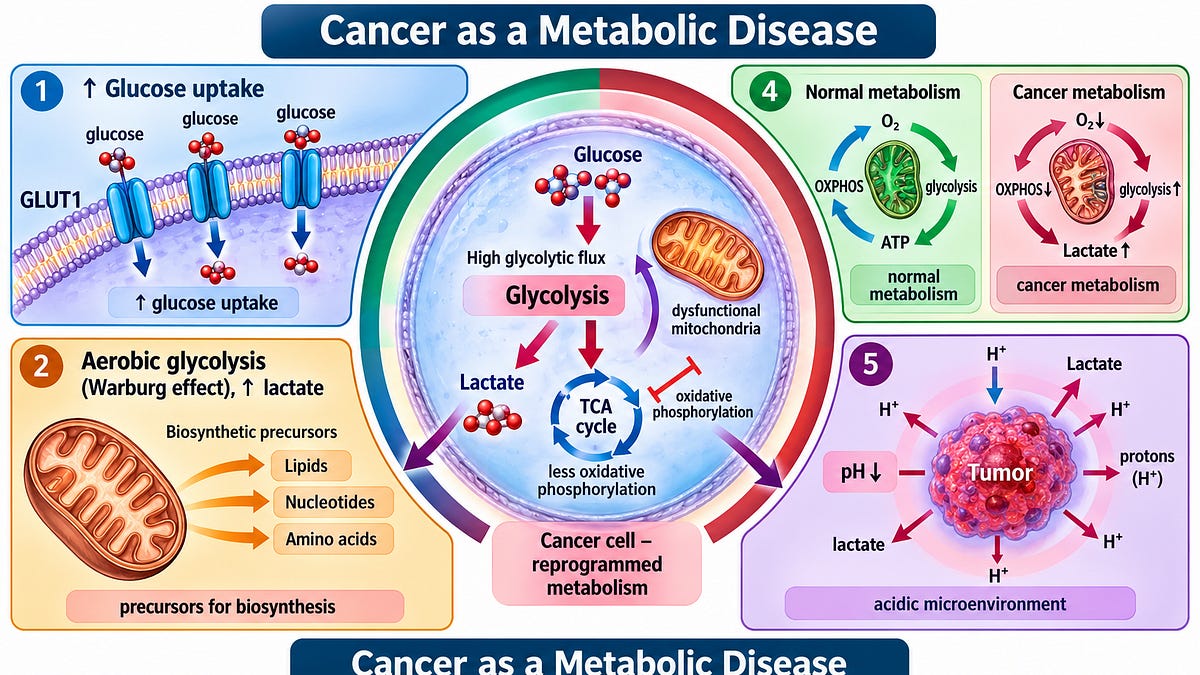
• Future Longevity Wellness | Plasma Medbeds
The realization of Medbeds offers a beacon of hope for humanity, promising revolutionary advancements in healthcare and well-being. These restricted medical devices hold the potential to transform the way we approach healing, offering non-invasive and highly efficient treatments for a wide range of ailments and conditions. With the ability to regenerate tissues, repair organs, and even rejuvenate the body at a cellular level, Medbeds hold the promise of extending lifespans, and empowering individuals to take proactive control of their health and enhancing quality of life.. As the potential of Medbeds unfolds, humanity stands on the brink of a new era of wellness, where healing is not just a possibility but a tangible reality for all.


Forbidden History
Tartaria Hidden History • Ancient Civilizations • Earth Giants
“History is not just written by the victors—it’s edited by the architects of control. To reclaim our future, we must first recover our forgotten past.”
A global awakening is underway—the true history of Earth and our Solar System is finally being uncovered. Thanks to independent researchers, digital platforms, and a growing network of truth-seeking archaeologists, historians, and scholars, suppressed knowledge is now resurfacing. Collaborations across borders are reconstructing timelines, decoding ancient symbols, and connecting sacred sites that reveal a radically different account of humanity’s origins.
From megalithic structures and impossible architecture to the lost Tartarian Empire, the evidence suggests the existence of advanced ancient civilizations with sophisticated technology and global influence—far older and more developed than mainstream academia admits. Platforms like YouTube, Gaia TV, and independent forums are playing a vital role in this mass rediscovery, while even controlled outlets like the History Channel’s Ancient Aliens provide carefully measured glimpses into hidden truths.
Notably, top-tier scientists and whistleblowers have confirmed that ancient records—some dating back 500,000 years—are housed in restricted archives, such as the Vatican Library, concealed from public access. As this alternative history gains momentum, it challenges everything we’ve been taught about evolution, civilization, and humanity’s place in the cosmos.
We are living through a chronicle revival, a time when long-buried truths are being unearthed, and the pieces of our collective story are being reassembled. The deeper we dig, the more we uncover our ancient connection to cosmic knowledge, spiritual wisdom, and forgotten power.
“History Merely Repeats Itself. It Has All Been Done Before. Nothing Under The Sun Is Truly New.” – Ecclesiastes 1:9
Is the House of History is Built on Sand!
“In George Orwell’s “1984” he wrote that “Every record has been destroyed or falsified, every book rewritten, every picture has been repainted, every statue and street building has been renamed, every date has been altered. History has stopped.”
The suppression of ancient history has been part of human history for hundreds of years. Archeologists are paid off and threatened to remain silent while being forced to stick with a scripted narrative. The internet has allowed researchers and archeologists to communicate directly and share information creating a whole new picture of human history. There is evidence revealing humanity’s history on Earth goes back as far as 500,000 years. Our Solar System has had a biological human and alien presence for over 2.2 billion years.
• Forbidden History News
FORBIDDEN HISTORY | Top 5 Discoveries & Investigations
GAR Monthly Report | August 28 – October 27, 2026
Tartaria Hidden History • Ancient Civilizations • Earth Giants • Lost Technologies • Suppressed Archaeology • Forgotten Timelines
For this edition, we prioritized independent alternative-history researchers and recent archaeological discoveries that connect with GAR’s Forbidden History section.
The strongest developments involve contested ancient artifacts, enormous monuments, possible lost settlements, revised archaeological timelines, and new interpretations of historical records. I’ll distinguish newly published research from older discoveries being revisited; that distinction is especially important for Tartaria and ancient-giant stories.
1. Ancient Artifacts Found Deep Underground — Tartaria Researchers Reopen the OOPArts Debate
October 3, 2026 | Tartaria Britannica
Out-of-Place Artifacts • Forbidden Archaeology • Ancient American History
Independent publication Tartaria Britannica released “The Ancient Finds of America: Too Deep to Be a Joke,” revisiting three historical discoveries reportedly recovered from American mine shafts and wells: an object found near Angels Camp, California; an artifact from Nampa, Idaho; and a copper disc from near Chillicothe, Illinois.
The investigation asks whether objects found at unusual depths have been adequately explained and whether the original excavation records deserve renewed examination. These are historical claims being reconsidered in a new October article—not newly excavated artifacts. Their geological ages and original contexts remain disputed.
GAR investigation: Could reexamining original excavation records, museum collections, and geological documentation clarify claims that human-made objects were recovered from unexpectedly ancient deposits?
Read the Tartaria Britannica investigation
2. Giant Statues of Ramesses II Discovered Beneath Egyptian Farmland
مصر: اكتشاف جزء علوي من تمثال لرمسيس الثاني
Colossal Architecture • Ancient Egypt • Monumental Engineering
Reports describe the discovery of remains from two massive statues of Pharaoh Ramesses II at Behbeit El Hagar in Egypt, where a farmer encountered stone fragments while working his land. The site is associated with an ancient temple dedicated to Isis.
The discovery renews interest in the scale of Egyptian monument building, the transportation of enormous stone components, and the possibility of additional buried structures surrounding known sacred sites. These are giant statues, not evidence of giant humans.
GAR investigation: What can the surviving fragments reveal about the original monuments, their construction, and the extent of the buried temple complex?
Coast to Coast AM — October ancient-world report
3. Malta’s Mysterious Cart Ruts — New Research Challenges Their Ancient Origins
October 21, 2026 | Ancient Origins
Megalithic Mysteries • Lost Infrastructure • Ancient Engineering
A new archaeological survey documented 2,628 tracks across Malta and Gozo and questioned the long-standing assumption that the mysterious parallel grooves date to prehistoric times. The research proposes that many may have originated during the Classical period, potentially transforming how these unusual formations are interpreted.
GAR investigation: What created the tracks, what were they used for, and why do some appear to continue toward the coastline or beneath the sea? The new study offers a revised chronology but does not resolve every question surrounding their purpose.
4. The World’s Oldest Known Shipwreck? A 4,500-Year-Old Maritime Mystery Emerges off Turkey
3,300-Year-Old Canaanite Shipwreck Found by Gas Company Robot Off Israel
Ancient Navigation • Lost Maritime Networks • Early Civilizations
Researchers studying a shipwreck off the Turkish coast believe its surviving cargo may date to approximately 2700–2400 BCE, potentially making it the oldest shipwreck yet identified. Although little of the wooden vessel survives, pottery and other cargo evidence offer clues about maritime activity during the Early Bronze Age. The proposed dating remains tentative.
GAR investigation: How sophisticated were ancient maritime trade networks, and what does the discovery suggest about navigation, shipbuilding, and the movement of goods and knowledge between early civilizations?
5. Stonehenge’s Giant Stones — New Debate Over Their Origins and Transportation
October 25, 2026 | Ancient Origins
Megalithic Engineering • Ancient Giants Folklore • Forgotten Knowledge
A new review revisits the remarkable distances traveled by Stonehenge’s stones. Geological evidence connects many bluestones to Wales and the monument’s six-ton Altar Stone to northeastern Scotland, approximately 700–750 kilometers away. Researchers continue debating the precise routes and methods used to transport these enormous stones.
GAR investigation: What engineering, transportation systems, and organizational capabilities made Stonehenge possible? The medieval story of giants and Merlin moving the stones provides a fascinating folklore connection, although there is no archaeological evidence that giants constructed the monument.
Additional Forbidden History Leads
Two other developments deserve consideration for a longer investigation.
The 27,000-Year-Old Gunung Padang Pyramid Debate: On October 26, Ancient Origins revisited claims that Indonesia’s Gunung Padang site conceals an Ice Age pyramid. The 2023 paper proposing an extremely ancient construction date was retracted in 2024, and the proposed age and internal chambers remain unverified. Nevertheless, the site’s genuine megalithic terraces and competing interpretations make it an important case study in disputed archaeological timelines.
The Giants of Ancient Mythology: On September 30, Crazy Alchemist reported a new software project designed to extract references to giants, spirits, dwarfs, and shapeshifters from folklore texts. Although it is not evidence that giant humans existed, the project offers a way to compare giant traditions across cultures and investigate how ancient narratives developed.
Connecting the Dots | Signals, Threads & Patterns
Signals: New studies and independent investigations are revisiting ancient artifacts, monumental architecture, maritime technology, disputed timelines, and historical folklore.
Threads: These stories share questions about the sophistication of early civilizations, the preservation of ancient knowledge, the movement of people and technology, and the interpretation of artifacts whose original contexts are incomplete.
Patterns: Advances in archaeological surveying, dating methods, archival research, and digital analysis are allowing researchers to reconsider historical assumptions. Some investigations strengthen established explanations; others identify questions that remain unresolved.



• CARRINGTON EFFECT| THE NIGHT THEY WIPED OUT THE WORLD’S FREE ENERGY FOREVER
The Carrington Event of 1859 | Lost Atmospheric Electricity, Forgotten Architecture, Nikola Tesla & the Rise of Centralized Power
What if the modern electrical system we depend upon today was not the beginning of humanity’s relationship with electricity, but the replacement of something far older? On September 1–2, 1859, the Carrington Event, one of the most powerful geomagnetic storms ever recorded, unleashed extraordinary electromagnetic disturbances across the planet. Telegraph wires sparked, operators experienced electrical shocks, communications systems malfunctioned, and brilliant auroras illuminated skies far beyond the polar regions. Some telegraph systems reportedly continued transmitting messages even after their batteries were disconnected, demonstrating the enormous electrical forces that could be induced by disturbances in Earth’s magnetic field. Yet the event raises a much larger historical mystery. Across Europe, Russia, Asia, and the Americas, monumental cathedrals, enormous stone buildings, copper-covered domes, metallic spires, towers, and elaborate finials dominated the architectural landscape long before commercial electricity became widespread. Were these structures simply expressions of religious symbolism, architectural achievement, and lightning protection, or could certain designs have interacted with atmospheric electrical forces in ways that remain poorly understood? During the 18th and 19th centuries, scientists were actively investigating atmospheric electricity, elevated conductors, electrical potential, resonance, and the relationship between Earth and its electrically charged atmosphere. Alternative researchers have proposed that some historical structures may have incorporated atmospheric energy collection or transmission technologies, and that the Carrington Event may have marked a turning point in the disappearance of an earlier electrical system. While a worldwide free-energy network has not been established by historical evidence, the surviving photographs, architectural drawings, engineering records, and early electrical experiments provide a fascinating trail of questions surrounding the technological transformation of the 19th century.
The mystery deepens with the arrival of Nikola Tesla, whose revolutionary work with alternating current, resonant electrical systems, high-frequency experiments, and wireless power transmission challenged conventional approaches to electricity. At Colorado Springs in 1899, Tesla investigated powerful electrical discharges and resonant phenomena, later pursuing his ambitious Wardenclyffe Tower project on Long Island, designed to explore worldwide wireless communication and electrical power transmission. The tower’s elevated metallic structure and extensive underground connections have inspired comparisons with the domes, spires, and conductive architectural features of earlier centuries. Yet Wardenclyffe was never completed as an operational worldwide power system, and the tower was demolished in 1917. Meanwhile, a different electrical future was rapidly emerging. Beginning with commercial generating stations such as Thomas Edison’s Pearl Street Station in 1882, electricity increasingly became a centralized utility controlled through generating facilities, transmission lines, transformers, distribution networks, and metered billing systems. As cities modernized, historic buildings underwent renovations, electrical wiring replaced older lighting systems, and architectural features were modified or removed. Was this simply the natural progression of industrial technology, or did the transition leave behind alternative approaches to collecting and distributing energy? The theory of a lost atmospheric-energy civilization connects the Carrington Event, historic architecture, early electrical experiments, Tesla’s wireless ambitions, and the rise of centralized power into a provocative interpretation of technological history. Although the claim that a global free-energy system was deliberately destroyed remains unverified, the documented history of atmospheric electricity and abandoned electrical experiments continues to inspire investigation. What did earlier inventors understand about Earth’s electrical environment? Which technological possibilities were abandoned, and why? Could forgotten experiments reveal useful principles for future energy innovation? The story leads back to September 1859, when the night sky erupted with extraordinary electrical activity—and forward into an era when the generation, transmission, and ownership of electricity would transform civilization forever.

• Forbidden History Documentaries
Around 6 million years ago, and we see the emergence of the first hominoids – the family of primates that includes humans. 1.9 Million years ago, Homo Erectus was the first species to leave Africa and colonize other parts of the world. They had larger brains than their primate ancestors.
Around 400,000 years ago, the first evidence of the Neanderthals. Their bodies were adapted to the cold environments of Europe and Western Asia. Their distinctive facial features were some of the most human-like ever seen. They are famous for their massive body weight and big facial hair. These prehistoric ancestors were made for the cold.
Then came us; 300,000 years ago, the first Homo Sapiens roamed the earth. The Only surviving species of the Homo Genus. But how did Homo Sapiens rise into a global dominance through the mechanism of civilization?


Source: https://rumble.com/v7dwg82-stew-peters-w-old-world-order.-the-history-they-tried-to-erase..html

From forgotten civilizations to impossible events, this documentary dives into enigmas that still leave experts searching for answers.

• Featured Forbidden History Thought Leader | Elon Musk’s Grok AI
ELON MUSK’S GROK AI WAS ASKED WHO BUILT THE PYRAMIDS — THE ANSWER WASN’T WHAT ANYONE EXPECTED!
Elon Musk’s Grok AI was asked to examine one of history’s enduring mysteries: who built the Great Pyramids of Egypt and how were they constructed? The video reviews archaeological discoveries, ancient inscriptions, worker settlements, construction methods and historical records connected with the Giza complex. It examines competing explanations for how enormous stone blocks were quarried, transported and positioned, the organization of the workforce, and the engineering and astronomical knowledge associated with the pyramids.
The investigation also connects with questions raised by author and researcher Graham Hancock, whose work explores the possibility that the conventional history of civilization may be incomplete. Hancock has examined ancient sites including the Giza Plateau, Göbekli Tepe and other megalithic structures while proposing that knowledge from an earlier advanced civilization may have survived the upheavals surrounding the end of the last Ice Age and influenced later cultures. His research frequently focuses on ancient astronomy, global flood traditions, monumental architecture, similarities between distant civilizations and evidence of major climatic events during prehistory.
The video uses Grok AI as an additional analytical tool, asking it to compare information surrounding pyramid construction, ancient Egyptian capabilities and alternative interpretations of the archaeological record. The discussion brings together artificial intelligence, archaeology, engineering, ancient history and Hancock’s theories about lost civilizations to examine the larger question surrounding Giza: what do the pyramids reveal about the knowledge, technology and history of the people—or civilizations—connected with their construction?
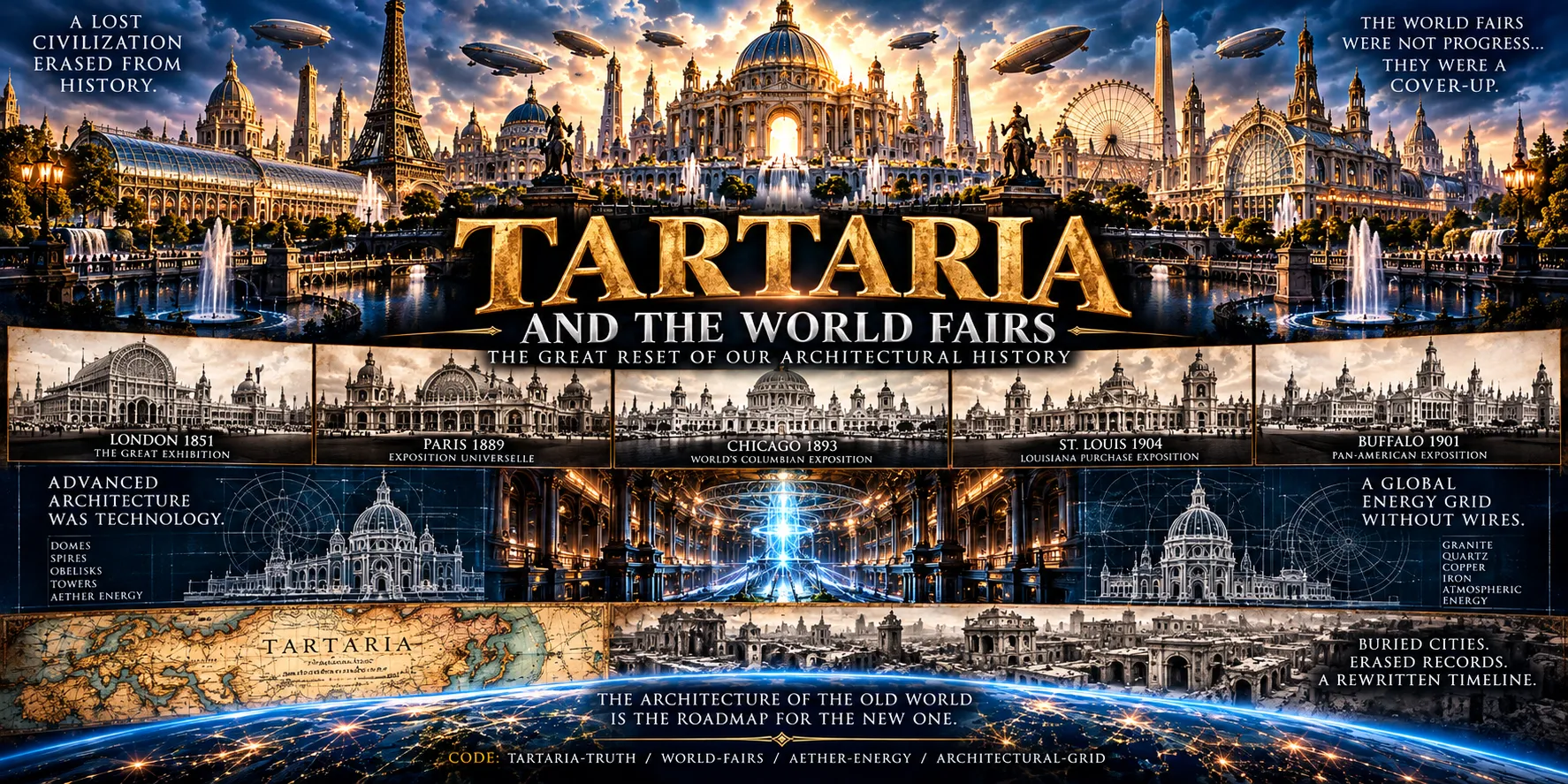
Tartaria Great & The Great Worlds Fairs 1850s to Early 1900s
This image presents Tartaria and the great World Fairs as interconnected pieces of an alternative-history investigation into the architecture of the Old World. At the center are the monumental domes, exhibition halls, towers, fountains, obelisks, and elaborate civic structures associated with international expositions such as London 1851, Paris 1889, Chicago 1893, Buffalo 1901, and St. Louis 1904. The poster visually asks whether these extraordinary architectural environments were simply temporary achievements of nineteenth-century engineering, as conventional history records, or whether some structures and design principles could represent remnants of an earlier architectural tradition that alternative researchers associate with Tartaria. Historical maps, archival-style photographs, buried structures, and architectural drawings reinforce the theme of examining what may have been lost, demolished, repurposed, or reinterpreted over time.
The lower portion moves from historical architecture into the more speculative Tartarian technology hypothesis. Domes, spires, obelisks, towers, metals, crystalline materials, and geometric building arrangements are depicted as possible components of an atmospheric or Aether-based energy system, suggesting that architecture may once have served technological functions beyond shelter, religion, and aesthetics. The glowing energy structure and interconnected Earth symbolize the theory of a worldwide, potentially wireless energy grid, while the buried-city imagery represents questions surrounding changing street levels, demolished structures, lost records, and proposed historical resets. Taken as a whole, the image functions as a visual research map rather than proof of the Tartaria theory—connecting World’s Fairs, Old World architecture, historical maps, lost-building research, alternative energy theories, and disputed timelines into one framework for further investigation.


The Book of Enoch, Tartaria & the Buried Past
The video explores an alternative-history narrative connecting the Book of Enoch, Ethiopia’s ancient manuscript tradition, and the historical name Tartary/Tartaria. It begins with the claim that a codex preserved in a small church on an island in Ethiopia’s Lake Tana contains sixteen verses positioned between Enoch 67:13 and 68:1 that are absent from familiar Western editions. From there, the presentation examines what these alleged passages describe and proposes that differences among manuscript traditions may preserve clues to a much older account of civilization, geography, destruction, and knowledge that was subsequently lost, omitted, or forgotten as ancient texts passed through different languages and religious traditions.
The narrative then broadens into a proposed connection between Enochic accounts of the Watchers and ancient civilizations, Tartaria as it appeared on historical maps, and modern questions about humanity’s origins and possible contact with non-human intelligence. It ultimately brings the discussion forward to 2017–2018 and Harvard astronomer Avi Loeb’s examination of ʻOumuamua, the first confirmed interstellar object observed passing through our solar system. By placing ancient manuscripts, forgotten geography, historical maps, and a modern astronomical mystery into one storyline, the video asks whether seemingly unrelated fragments could point toward a larger hidden chapter of human history—and whether discoveries from both the distant past and deep space deserve to be examined together.
• The Great Historical Deception | Hidden Tartaria Empire
Tartaria, often described as the “hidden empire,” represents one of the most intriguing and controversial chapters in what many now call The Great Historical Deception. Shrouded in mystery and largely erased from mainstream historical records, Tartaria is believed by alternative historians and independent researchers to have been a vast, highly advanced civilization that spanned large regions of modern-day Russia, Central Asia, and Eastern Europe.
According to these accounts, Tartaria was not just a political empire—it was a global civilization rooted in free energy technology, advanced engineering, and harmonious urban design. Its impressive architectural legacy, seen in buildings with impossible scale, symmetry, and sophistication, challenges the conventional timeline of human development. Grand “World Fairs,” massive star forts, and intricate domed structures—often attributed to the 18th and 19th centuries—are now being reevaluated as possible remnants of this forgotten empire. What makes Tartaria especially controversial is not just its proposed existence, but the systematic effort to erase it. Maps have been redacted, official timelines manipulated, and historical documentation scrubbed. This erasure raises a profound question: What else has been hidden from humanity about its own past?
The emerging Tartarian narrative is not just about lost architecture—it’s about a lost legacy of human potential, spiritual knowledge, and technological mastery. As more researchers connect the dots through architecture, cartography, and suppressed records, the deception is beginning to unravel—revealing a deeper truth about our ancestors, our origins, and the engineered amnesia that has kept us disconnected from it.



• Ancient Truths Unveiled | Ancient Tribal Mysteries
Ancient civilizations are more than relics of the past—they are the foundation of human consciousness, innovation, and spiritual evolution. From Mesopotamia and Egypt to the Indus Valley and Mesoamerica, these advanced societies developed remarkable technologies, intricate social systems, and cosmic wisdom that continue to echo through time. Their architectural wonders, scientific breakthroughs, and encoded spiritual knowledge challenge the notion of linear progress and suggest a far more complex human story.
As we peel back the layers of official history, we uncover hidden truths and forgotten legacies—revealing a humanity more advanced, connected, and awakened than we’ve been led to believe. By rediscovering the ingenuity, resilience, and higher purpose of our ancestors, we not only honor their legacy but also reclaim the wisdom needed to navigate our future. Ancient truths, once veiled, are now re-emerging to awaken the collective soul of humanity.
ANCIENT TRIBAL MYSTERIES
Researching the Unknown Mysteries of America’s Indigenous Peoples
This is an evolving research category because there are genuine archaeological mysteries, sophisticated ancient engineering, astronomical knowledge, migration questions, sacred landscapes, oral histories, and still-unresolved discoveries across Indigenous North America. The key is to separate what tribal traditions themselves say from archaeological evidence and later alternative interpretations.
- The Mound Builders & Hopewell Earthworks — Who designed the enormous circles, squares, octagons, and ceremonial complexes across Ohio? Some incorporate sophisticated solar and lunar alignments, while archaeologists still debate exactly how individual complexes functioned. The Hopewell network also connected communities across enormous distances. National Park Service
- Chaco Canyon & the Ancestral Pueblo World — Chaco contained monumental multi-story Great Houses, hundreds of rooms, engineered roads, water-management systems, long-distance trade, and astronomical markers. Its precise role remains debated: ceremonial center, political center, redistribution network, pilgrimage destination—or some combination. National Park Service
- Ancient American Astronomy — Indigenous builders encoded observations of the Sun, Moon, solstices, equinoxes and stars into architecture and landscapes. At Hopewell’s High Bank Works, researchers identify alignments toward twelve solar and lunar horizon positions. Ancestral Pueblo communities likewise incorporated astronomical observations into settlements and ceremonial structures. National Park Service
- The Mystery of the Great Abandonments — Why did populations leave major centers such as Chaco and other ancestral settlements? Climate, drought, resource pressures, political transformation, migration and religious change have all been investigated. Importantly, these peoples did not simply “vanish”: modern Pueblo peoples, Hopi, Zuni and other Indigenous communities preserve cultural and historical connections to these ancestral landscapes. National Park Service
- Petroglyphs, Sacred Geometry & Symbolic Knowledge — Rock art, ceremonial architecture, geometric earthworks and landscape alignments may preserve information about calendars, cosmology, migration, ceremony and relationships between Earth and sky. Some meanings remain private or sacred within living Indigenous communities and should not automatically be interpreted through outside frameworks. National Park Service
- Lost Knowledge & Dispersed Artifacts — Early archaeology frequently removed artifacts from their original communities and landscapes. Chaco materials, for example, are now held by institutions around the world; major collections from Pueblo Bonito reside at the American Museum of Natural History and Smithsonian rather than at Chaco itself. This creates a legitimate research trail involving provenance, early excavations, museum collections and repatriation. National Park Service
- Oral Traditions as Historical Evidence — One of the richest areas for GAR would be comparing archaeology with tribal oral histories rather than treating archaeology as the only historical record. Migration stories, emergence traditions, sacred geography, astronomical knowledge and ancestral-place names can preserve information that physical archaeology alone cannot reconstruct. Even at Chaco, modern Navajo and Pueblo names and oral histories provide meanings absent from nineteenth-century archaeological accounts. National Park Service
ANCIENT TRIBAL MYSTERIES | The Forgotten Knowledge of Indigenous America
Sacred Sites • Lost Cities • Earthworks • Star Knowledge • Petroglyphs • Oral Traditions • Ancient Engineering • Migration Mysteries • Archaeological Anomalies
This Documentary moves geographically from the Northeast and Ohio Valley through the Mississippi civilization, Southwest, Great Plains, Pacific Northwest and California, while including a separate section on the most intriguing claims—giants, star beings, underground worlds, ancient transoceanic contact and anomalous artifacts—clearly distinguishing tribal tradition, documented archaeology, unresolved evidence, and modern speculation.

• Chronicles of History | Ancient Megalithic Engineering
Who Built the Impossible Stones?
Chronicles of History explores the untold, hidden, and often suppressed stories that challenge the mainstream narrative of our past. From lost civilizations and ancient technologies to rewritten timelines and forbidden knowledge, this series uncovers the deeper truths behind humanity’s origins and global heritage. By revisiting historical events through the lens of alternative research, recovered artifacts, and suppressed records, we piece together a more complete and empowering picture of who we are—and where we come from.

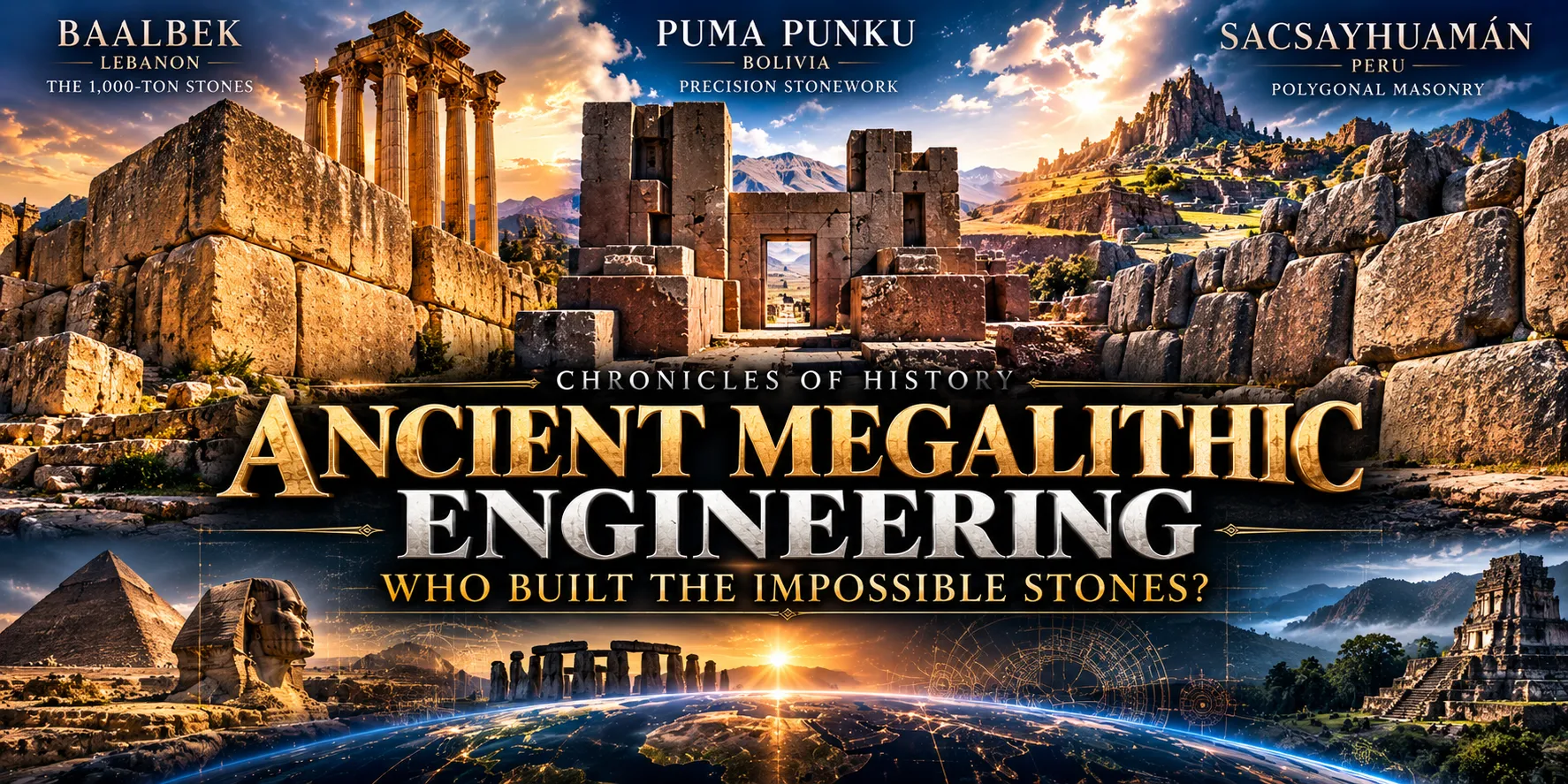
ANCIENT MEGALITHIC ENGINEERING
Baalbek • Puma Punku • Sacsayhuamán | How Did the Ancient World Build at This Scale?
This is an excellent Chronicles of History investigation because the three sites let us examine the same fundamental question across completely different civilizations: how did ancient builders quarry, transport, shape and assemble extraordinarily large stones with the technologies available to them? The interesting story isn’t that archaeology has “no explanation”; rather, there are documented construction techniques alongside genuinely difficult engineering questions and competing interpretations about chronology, methods and capabilities.
1. BAALBEK | The Colossal Stones of Lebanon
The Roman sanctuary at Baalbek contains some of the most extraordinary megalithic construction in the ancient world. The podium associated with the Temple of Jupiter incorporates the famous Trilithon—three enormous limestone blocks, while the nearby quarry contains still larger unfinished stones. The scale makes Baalbek an ideal case study in ancient quarrying, transportation, lifting and project planning. Researchers continue debating aspects of the site’s building sequence and exactly how its largest blocks were manipulated. Graham Hancock
New discoveries in Roman engineering explanations with alternative chronology arguments. Were the largest foundations entirely part of the Roman building program? Did Roman builders inherit or expand an earlier sacred complex? Why were even larger stones partially quarried but abandoned? Instead of beginning with “lost technology,” we can examine the physical evidence and determine where conventional engineering explanations are strong—and where questions remain.

2. PUMA PUNKU | Precision Stonework at Tiwanaku
Puma Punku in Bolivia presents a different mystery. Here the fascination isn’t simply gigantic stones but geometric precision. The site contains carefully worked andesite and sandstone blocks incorporating straight edges, repeated forms, recesses, channels and the famous H-shaped blocks. Their sophisticated geometry has fueled decades of arguments over ancient measurement, templates, stone tools, abrasives and construction planning.
This is where GAR can investigate the frequently repeated claim that the blocks show evidence of machine-like manufacturing. Rather than simply accepting or rejecting it, compare close-up measurements and tool marks with experimental archaeology. How precisely were the surfaces actually manufactured? Were standardized templates involved? What tools can reproduce the observed cuts? And what does Tiwanaku archaeology tell us about the people capable of producing them?
A recent HISTORY compilation is useful here because it visually presents many of the alternative interpretations—precision machining, stone-softening traditions, transportation problems and Indigenous traditions—giving us material that can then be compared against archaeological research. YouTube

3. SACSAYHUAMÁN | The Lost Art of Polygonal Masonry
Above Cusco, Peru, Sacsayhuamán presents another engineering approach entirely. Enormous irregular stones were shaped into complex polygonal forms and fitted together without mortar. Instead of standardized rectangular blocks, neighboring stones interlock through multiple surfaces and angles. Some blocks are enormous, yet the overall structure displays remarkable integration.
And this subject has just received new scientific research in 2026. Researchers studying the partially dismantled Cruz Moqo sector used geometric analysis to reconstruct aspects of early Inca construction at Sacsayhuamán. That gives GAR something particularly valuable: we can compare the newest peer-reviewed archaeological work directly against alternative theories involving lost masonry techniques, stone softening, molding or unknown tooling.

• New Timelines Revealed | Taş Tepeler, “Stone Hills”
New Timelines Revealed dives into groundbreaking discoveries that challenge conventional history and reshape our understanding of humanity’s past. From advanced ancient civilizations and anomalous artifacts to updated geological and cosmic data, emerging evidence suggests that our timeline has been deliberately altered or misrepresented. This section explores the shifting narratives—bridging lost epochs, hidden empires, and forgotten knowledge—to reveal a more accurate and expansive view of Earth’s true history and humanity’s multidimensional journey through time.
New Timelines Revealed | Before Civilization: The Taş Tepeler Discovery
The expanding archaeological discoveries across southeastern Turkey’s Taş Tepeler (“Stone Hills”) region provide an excellent new direction for New Timelines Revealed. Göbekli Tepe is no longer an isolated anomaly. Excavations at Karahan Tepe, Sayburç, Sefer Tepe and other sites are revealing a network of communities dating roughly 10,000–12,000 years into the past. Recent discoveries include monumental buildings, sophisticated carved pillars, human and animal sculptures, jewelry and other evidence of unexpectedly complex social and symbolic activity during the transition from hunter-gatherer societies toward settled life. YouTube

The larger question is whether our familiar picture of the beginning of civilization needs substantial revision. These discoveries do not establish a technologically advanced lost civilization in the modern sense, but they demonstrate that monumental construction, sophisticated symbolism, organized communities and complex ritual behavior developed remarkably early. Karahan Tepe is particularly important because continuing excavations are revealing structures and artwork that expand the story far beyond Göbekli Tepe. For GAR, the investigation becomes: What existed before the civilizations we traditionally call the first civilizations—and how much of that earlier world remains buried?


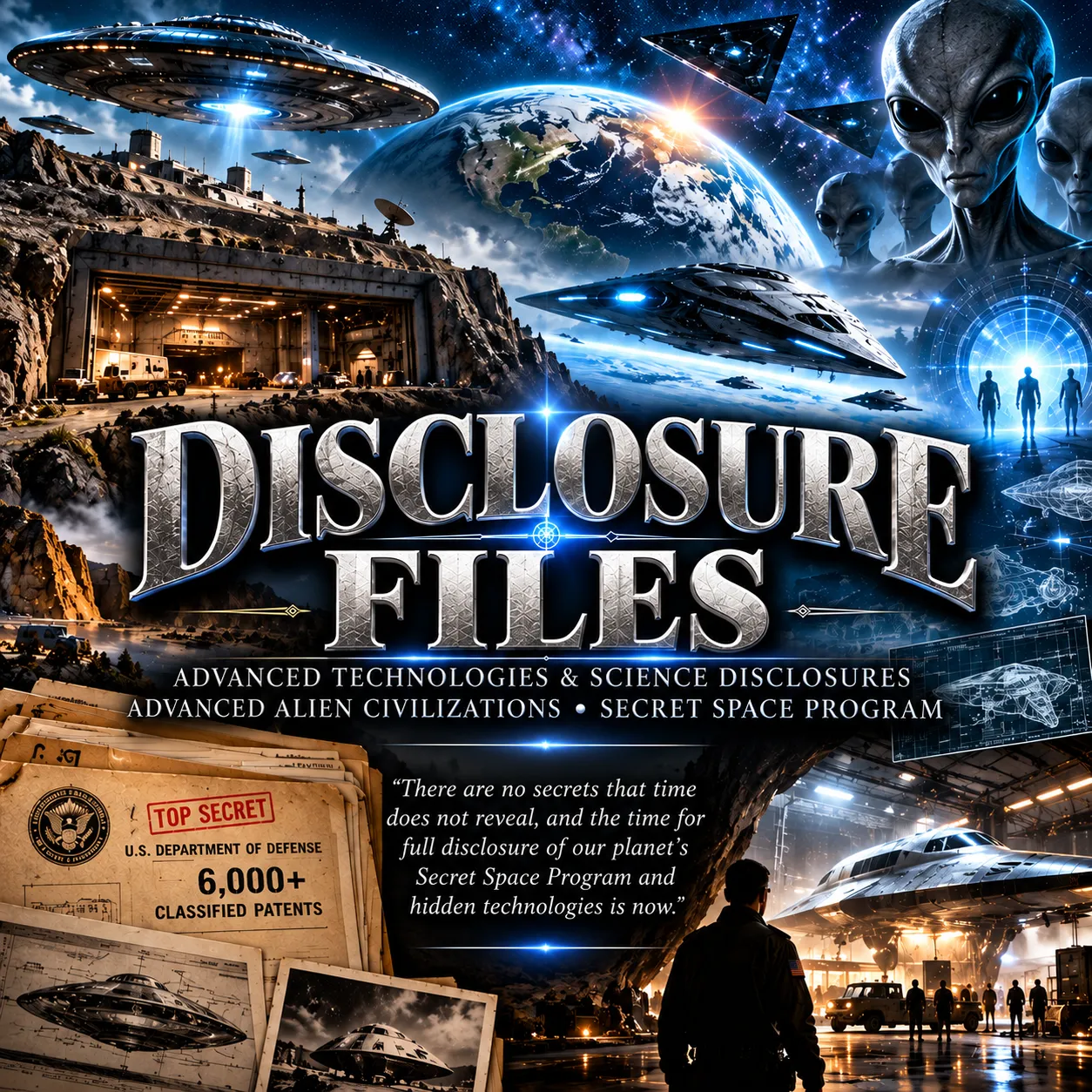
Disclosure Files
Advanced Technologies & Science Disclosures • Advanced Alien Civilizations • Secret Space Program
“There are no secrets that time does not reveal, and the time for full disclosure of our planet’s Secret Space Program and hidden technologies is now.”
Underground Military Bases
One of our hottest and most rapidly expanding topics. There are highly classified secrets that have been intentionally hidden and suppressed from humanity. New disclosures regarding all our sciences, mathematics, physics, and astronomy are being revealed. The DOD has over 6,000 advanced technological patents classified as Top Secret. Soft disclosure which includes fictional works such as movies and books, as well as subtle marketing and advertising, has been in progress since July 2015. As of September 2017, Washington D.C. has been embroiled over Partial Disclosure vs. Full Disclosure.
We stand at the threshold of a paradigm-shifting revelation—full disclosure of suppressed technologies, secret space operations, and advanced extraterrestrial knowledge. For decades, the truth has been hidden behind layers of national security, corporate secrecy, and interdimensional disinformation. But the tide is turning.
A planetary and cosmic battle is unfolding—one not just of geopolitics, but of consciousness. The Deep State, facing an existential crisis, is locked in a desperate struggle to maintain control over a narrative built on lies, cover-ups, and psychological manipulation. At the heart of this battle is the clash between Full Disclosure, driven by the Global Alliance, and Partial Disclosure, defended by Deep State interests embedded within Washington D.C. and beyond.
Since July 2015, a carefully orchestrated soft disclosure campaign has been underway. Through whistleblower testimony—especially from Secret Space Program (SSP) military insiders—and symbolic revelations in film, television, and media, the public has been slowly acclimated to realities once dismissed as science fiction.
The origins of this deception trace back over 70 years, beginning in the early 1940s. Trillions of dollars in public funds and black budgets have been siphoned into the creation of an off-planet military-industrial complex—known as the Interplanetary Corporate Conglomerate (ICC). This breakaway civilization has developed anti-gravity craft, zero-point energy systems, medical technologies that defy current science, and has engaged in covert operations throughout the solar system.
The scale of the cover-up is staggering. These are not merely hidden technologies—they are keys to a future of free energy, space colonization, and global healing. Yet humanity has been kept in the dark, its collective evolution deliberately delayed.
The phrase “Everything we’ve been taught is a lie” is not just a slogan—it is a wake-up call. The time has come to demand the truth, reclaim our stolen inheritance, and prepare for the greatest disclosure in human history.
“If you want to find the secrets of the universe, think in terms of energy, frequency and vibration.” – Nikola Tesla

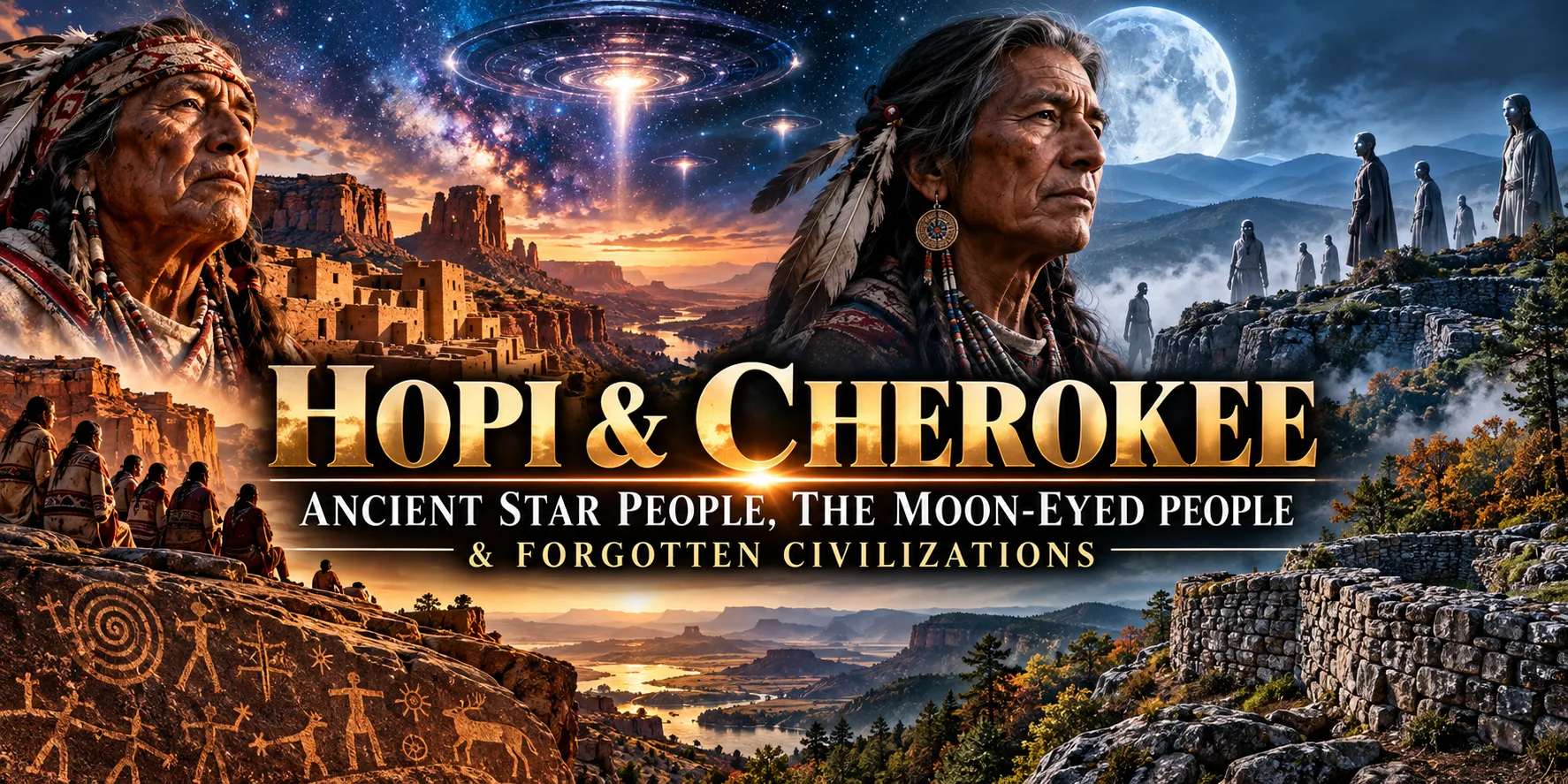
• Featured Topics & Research: HOPI & CHEROKEE | ANCIENT STAR PEOPLE, THE MOON-EYED PEOPLE & FORGOTTEN CIVILIZATIONS
Across the American Southwest and Southeast, the ancient oral traditions of the Hopi and Cherokee peoples preserve extraordinary accounts of mysterious beings, ancestral encounters, and civilizations that may have existed long before the historical record was established. Among the Hopi, traditions involving celestial beings, spiritual ancestors, and connections between humanity and the cosmos have inspired generations of researchers to investigate the relationship between Indigenous knowledge, ancient astronomy, and the enduring mystery of the Star People. This documentary explores Hopi oral histories, anthropological field notes, early historical publications, and accounts reportedly recorded in 1958, examining what Hopi elders shared about their ancestral traditions and how these stories have been interpreted over time. The investigation considers the spiritual and cultural significance of celestial origins, the relationship between the Hopi people and the natural universe, and the possibility that certain oral traditions preserve memories of encounters or events extending far beyond conventional historical narratives. By following the surviving records and the interpretations surrounding them, the documentary examines the distinction between traditional teachings, historical documentation, and modern theories connecting ancient Indigenous accounts with extraterrestrial intelligence. What did the Hopi ancestors understand about the heavens, who were the beings described in their traditions, and why have these accounts continued to fascinate researchers seeking to understand humanity’s ancient relationship with the stars?
Far to the east, the Cherokee traditions of the mysterious Moon-Eyed People introduce another remarkable chapter in the investigation of North America’s forgotten past. An account documented in 1797 describes an earlier population said to have inhabited portions of the Cherokee homeland before the Cherokee established themselves in the region. According to versions of the tradition, these mysterious inhabitants possessed unusual characteristics, including an inability to tolerate bright daylight, giving rise to their identification as the Moon-Eyed People. The documentary follows the historical accounts surrounding these figures and examines their possible connection to the ancient stone wall atop Fort Mountain in northern Georgia, an archaeological landmark whose origins and purpose have inspired competing interpretations. Early explorer narratives, Cherokee oral traditions, regional archaeology, and subsequent historical investigations provide the foundation for exploring whether these stories reflect cultural memory of earlier inhabitants, symbolic traditions, or historical encounters whose details have changed across generations. When considered alongside Hopi traditions concerning celestial beings and ancestral knowledge, the Cherokee accounts open a broader investigation into ancient migrations, forgotten populations, mysterious archaeological structures, and the possibility that Indigenous oral histories preserve important memories not fully represented in written history. Together, these two documentary investigations explore the intersection of ancient wisdom, historical records, Indigenous cultural memory, celestial mysteries, and the unanswered questions surrounding North America’s earliest inhabitants, inviting viewers to reconsider how much of the continent’s distant past may still remain hidden within the stories passed from one generation to the next.


• Disclosure Files News
Top News Stories & Events | September–October 2026
Advanced Technologies & Science Disclosures • Non-Human Intelligence • Secret Space Programs • Underground Military Bases • Classified Aerospace Research
For GAR’s Monthly Report, the strongest developments involve new whistleblower testimony, government document releases, alleged crash-retrieval programs, secret aerospace research, and efforts to uncover classified technology.
We prioritized independent disclosure investigators—including George Knapp, Jeremy Corbell, WEAPONIZED, Liberation Times, and specialized disclosure archives—alongside original government documents where available.
The reporting period is September 1–October 27, 2026.
1. Jay Stratton’s Explosive Disclosure — Alleged Non-Human Craft and Secret Reverse-Engineering Programs
October 13–20, 2026 | Jay Stratton / WEAPONIZED
Non-Human Technology • Crash Retrieval • Reverse Engineering • Classified Programs
Former Pentagon UAP Task Force director Jay Stratton released Out of the Shadows: Revealing the Truth About Non-Human Intelligent Life on October 13.
Stratton alleges that the United States government and defense contractors possess craft of non-human origin and have pursued efforts to recover and reverse-engineer advanced technology. He also describes personal encounters and claims that highly compartmentalized programs have concealed information from senior officials.
On October 20, Jeremy Corbell and George Knapp released previously unseen footage from a 2022 interview with Stratton. The conversation covers AAWSAP, AATIP, Lockheed Martin’s Skunk Works, Boeing’s Phantom Works, and alleged efforts to transfer UAP-related materials to Robert Bigelow’s research program.
GAR investigation: This is a major October disclosure story because of Stratton’s former government responsibilities and the specificity of his allegations. The next question is whether documents, material samples, or corroborating firsthand testimony will become public. His allegations are not yet independently verified.
Source: WEAPONIZED — Jay Stratton’s first interview
2. Pentagon Releases New UAP Files — Black Triangle Sighting and Previously Classified Research
Department of War unseals files detailing Colorado Springs UAP encounters | KRDO
Declassified Records • Black Triangles • AAWSAP • Advanced Aerospace Research
The Pentagon’s PURSUE initiative published two significant batches of UAP-related records during the reporting period.
The September release included historical sightings, material associated with the 1952 Tremonton film, and dozens of Defense Intelligence Agency-sponsored technical research reports. The October 23 release included 28 additional records, among them documentation of a reported silent, black triangular object observed near a sensitive U.S. national-security facility in June 2026.
The records also contain historical material related to AAWSAP and earlier investigations. Their release provides researchers with documents to examine rather than relying exclusively on interviews and secondhand accounts.
GAR investigation: What do the newly released technical papers and witness statements reveal about government interest in unconventional aerospace concepts? The black triangle remains a reported unidentified object; its origin and capabilities have not been established.
Sources: PURSUE — Government UAP file releases · Independent weekly analysis
3. David Grusch Returns to Joe Rogan — Alleged Recovery Footage, Non-Human Beings and an Undersea Installation
September 30, 2026 | The Joe Rogan Experience #2560
Secret Recovery Programs • Non-Human Intelligence • Underwater Bases
Former intelligence officer David Grusch returned to Joe Rogan for a lengthy discussion of alleged crash-retrieval programs, recovered craft, and non-human entities.
Grusch said he had personally viewed classified footage that he interpreted as showing recovered non-human bodies. He also recounted a secondhand account involving different types of beings at a crash site and discussed allegations of a large installation on the ocean floor.
These claims extend the public discussion beyond aerial sightings into possible underwater installations, advanced technologies, and compartmentalized recovery operations. The footage and underlying records have not been publicly authenticated.
GAR investigation: Could the alleged undersea installation become a new focus of congressional investigation? What records, sensor data, or witnesses could establish whether the described facility exists?
Source: Joe Rogan Experience #2560 — David Grusch
4. Robert Bigelow Says DIA Located Missing AAWSAP Files — Thousands of Pages Could Become Public
October 6–9, 2026 | Mystery Wire / Bigelow Podcast
Classified Research • Advanced Aerospace Studies • Government Archives
Robert Bigelow reported that the Defense Intelligence Agency had located an inventory of records associated with the Advanced Aerospace Weapon System Applications Program.
During an October interview with George Knapp, Bigelow discussed a September 29 letter that he said indicated the agency intended to prepare the records for possible public release. Former AAWSAP investigator Dr. Colm Kelleher also discussed the need to protect witness identities and sensitive medical information.
Bigelow estimated that thousands of pages of program records may remain unreleased. However, the referenced DIA letter has not been independently published, and no timetable for a complete release has been established.
GAR investigation: This may become one of the most important developments to monitor because original case files, technical reports, and investigative records could provide more substantial evidence than interviews alone.
Source: Mystery Wire — Robert Bigelow and the AAWSAP files
5. White Sands Military Test Range — Alleged UAP Luring Operations and Secret Technology Investigations
October 1, 2026 | WEAPONIZED / Liberation Times
Underground Military Facilities • Advanced Weapons • UAP Operations • Classified Testing
Jeremy Corbell and George Knapp interviewed Liberation Times journalist Chris Sharp about allegations involving UAP-related military operations at White Sands Missile Range in New Mexico.
Their investigation examined reports of attempts to attract unidentified objects, possible laser-system involvement, intelligence operations, and questions about whether military authorities had received orders to engage UAP.
The discussion also explored the relationship between restricted testing grounds, advanced aerospace research, and alleged recovery programs. Publicly available evidence has not confirmed the reported luring operations or any underground facility associated with non-human technology.
GAR investigation: What activities are actually documented at White Sands, and could future records distinguish conventional weapons testing from the extraordinary operations described by sources?
Source: WEAPONIZED Episode 125 — White Sands investigation
Connecting the Dots | Signals, Threads & Patterns
Signals: September and October brought a new insider memoir, additional government document releases, fresh whistleblower allegations, renewed interest in the AAWSAP archive, and investigations into activity at restricted military facilities.
Threads: These developments connect around three recurring themes: classified technology, government accountability, and the possibility that some information remains inaccessible even to senior officials and congressional investigators.
Patterns: The disclosure discussion is moving from general questions about unexplained sightings toward increasingly specific allegations involving recovered materials, reverse-engineering programs, defense contractors, underwater installations, and classified test ranges. The specificity of these allegations makes them more investigable, but does not itself establish that they are true.




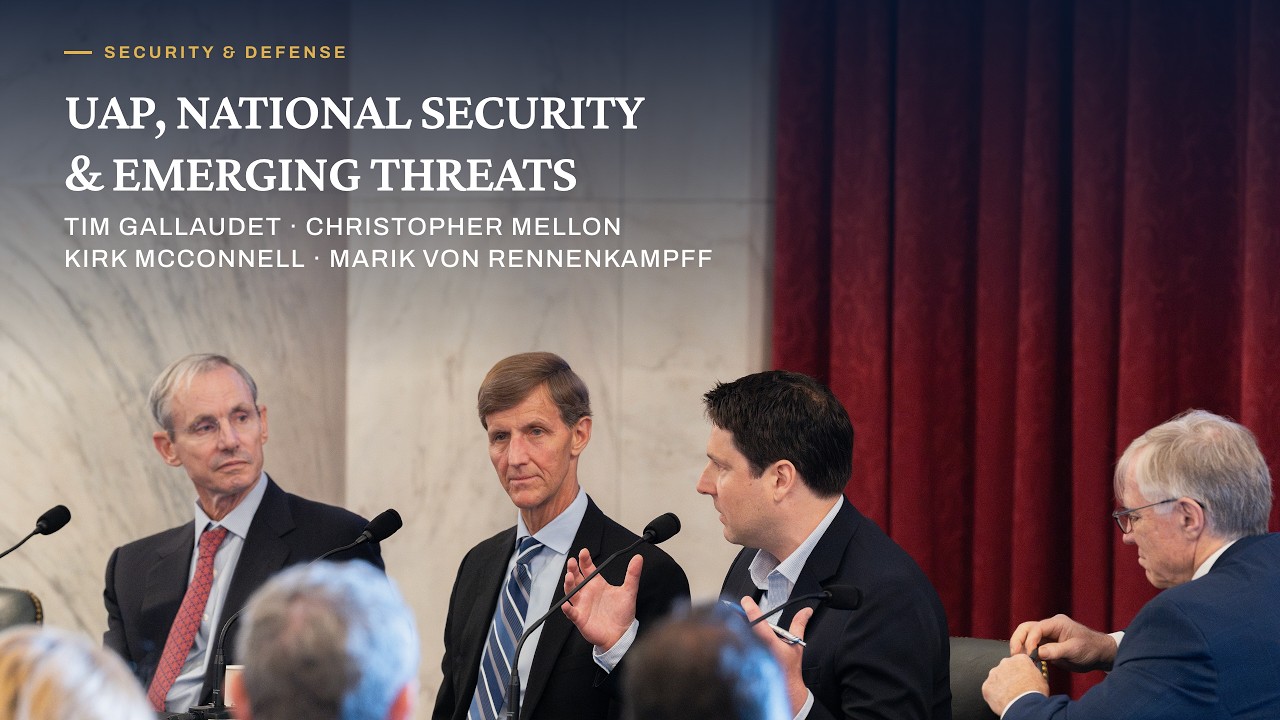
• Disclosure Files Documentaries


• Featured Disclosure Files Expert: Sgt. Lyn Buchanan Remote Viewer
PROJECT STARGATE & THE UNKNOWN
Military Intelligence • Consciousness • ET Claims • Human Potential
Retired U.S. Army Sergeant Lyn Buchanan is one of the best-known veterans of the U.S. government’s remote-viewing effort commonly associated with Project STARGATE. During more than eight years with the Army intelligence unit, Buchanan says he served as a controlled remote viewer, instructor, computer programmer and database manager, helping systematize methods for recording and evaluating remote-viewing sessions. After retiring from military service, he founded Problems>Solutions>Innovations and continued teaching Controlled Remote Viewing (CRV) to civilians. The government’s decades-long investigation of remote viewing is documented; however, the reliability and interpretation of anomalous remote-viewing results remain scientifically disputed.
In the featured interview, “Army Remote Viewer Prepares Us for What’s Coming,” Buchanan moves far beyond the history of STARGATE into some of his most extraordinary personal claims. He discusses alleged remote-viewing work involving extraterrestrial bases, the Moon and Mars, different ET groups, humanity’s psychic development, AI and technology, intuition, self-reliance, and preparing for turbulent times. He ultimately presents remote viewing as more than an intelligence technique: in his worldview, it is evidence that human consciousness may possess capacities that conventional models do not fully explain. For GAR readers, the interview is most useful when approached on two levels—first, the documented history of government experimentation with anomalous cognition, and second, Buchanan’s much more speculative accounts of extraterrestrial activity and future events, which remain personal claims rather than independently established findings.


• Black Files | Most Secretly Guarded Places
This section explores the covert operations and psychological warfare behind the long-rumored Fake Alien Invasion scenario—an agenda hidden within classified “Black Files” and military planning circles. Known by some as Project Blue Beam, this operation is believed to involve advanced holographic technologies, electromagnetic weapons, and AI-driven simulations designed to stage a false extraterrestrial threat. The objective: to unite humanity under a centralized global authority through fear and deception. By exposing these plans, we aim to separate truth from illusion and empower the public to question the narrative before it unfolds.
20 Most Guarded Places on Earth You Cannot Visit
20 Most Guarded Places on Earth You Cannot Visit takes viewers on an extended journey through some of the world’s most restricted, fortified, inaccessible, and mysterious locations. The video moves from military installations and underground complexes—including Mount Yamantau, Pine Gap, Menwith Hill, Cheyenne Mountain and Diego Garcia—to heavily protected financial and government sites such as Fort Knox, the Bank of England vaults and the Kremlin. It also explores historically secret facilities such as the Greenbrier bunker, closed cities including Mezhgorye, and locations associated with enduring mystery and speculation, including Dulce Base and the Vatican archives. Together, the twenty locations reveal the extraordinary lengths governments and institutions have taken to protect sensitive operations, strategic assets, information, wealth and national-security infrastructure.
The journey also reaches places restricted for entirely different reasons, including Surtsey Island, the Cave of the Crystals and the Svalbard Global Seed Vault, broadening the story beyond secrecy into scientific preservation, environmental protection and extreme natural conditions. By combining documented secure facilities with underground installations, historical fortifications, remote military zones and locations surrounded by unanswered questions, the video taps into humanity’s fascination with the places hidden behind fences, mountains, vault doors and restricted airspace. Its central appeal is the mystery created by limited access: What is being protected, why is the public kept out, and what exists inside some of the most inaccessible places on Earth?



• Joe Rogan Experience: David Grusch | Unacknowledged Black Projects
SECRET UAP PROGRAMS, NON-HUMAN INTELLIGENCE & THE BATTLE FOR FULL DISCLOSURE
Joe Rogan Experience #2560 | September 30, 2026
The Return of America’s UAP Whistleblower — Government Secrecy & Congressional Investigations. In a revealing new interview with Joe Rogan, former U.S. Air Force intelligence officer and government whistleblower David Grusch returns to discuss the continuing struggle to uncover what he alleges are decades of classified government programs involving unidentified anomalous phenomena (UAP), recovered non-human technology, and secret reverse-engineering operations. Following his historic congressional testimony in July 2023, Grusch describes the personal and professional consequences of challenging the intelligence establishment, his decision to maintain a lower public profile during 2024, and his subsequent work with Congressman Eric Burlison’s office. The discussion examines the stalled UAP Disclosure Act, congressional oversight, and the institutional barriers that Grusch believes have prevented elected representatives and the American public from accessing information about highly classified programs. At the center of the interview is the question of whether powerful elements within the intelligence community and defense establishment have maintained control over extraordinary discoveries without adequate democratic accountability.
Non-Human Intelligence — Recovered Craft, Biological Evidence & Extraordinary Encounters. Among the interview’s most striking revelations are Grusch’s expanded allegations concerning recovered non-human biological remains, multiple categories of unidentified craft, and encounters involving different forms of intelligence. Grusch claims to have personally viewed video footage depicting several humanlike bodies associated with a classified retrieval operation, while discussing reports of other alleged entities, including gray beings, tall humanlike figures, and reptilian-looking intelligences. The conversation explores the possibility of multiple non-human civilizations, competing intelligences, advanced propulsion systems, and interactions involving military personnel. Grusch also discusses unusual activity near nuclear facilities, alleged underwater installations, and potential connections between historical accounts of unexplained phenomena and modern UAP investigations. These claims remain extraordinary and have not been independently substantiated through publicly available physical evidence. Nevertheless, the interview provides a detailed account of what Grusch says he learned through classified investigations, intelligence sources, and his involvement in the government’s UAP investigative efforts.
The Coming Disclosure — Government Accountability, Hidden Technologies & Humanity’s Future. The final dimension of the interview examines whether the United States is approaching a decisive period of government disclosure and what the consequences might mean for science, religion, national security, and humanity’s understanding of its origins. Grusch expresses his belief that President Donald Trump could authorize significant disclosures before leaving office, although he describes continuing resistance from entrenched institutional interests. He discusses the potential legal and financial implications for defense contractors, alleged misappropriation of government resources, and the need for a truth-and-reconciliation process that would encourage testimony while preserving accountability for serious wrongdoing. Rogan and Grusch also explore ancient civilizations, religious texts, unexplained archaeological mysteries, and the possibility that artificial intelligence could eventually identify patterns in classified or fragmented information that accelerate disclosure. The central message emerging from the conversation is that the UAP question has evolved beyond unidentified objects in the sky into a much larger investigation involving institutional secrecy, technological possibilities, human history, and the future of civilization. Whether Grusch’s most consequential allegations can ultimately be verified remains an open question, but his interview underscores the growing demand for credible evidence, independent investigation, and meaningful public accountability.
• Undisclosed Technologies & Science
This section explores the frontier of hidden and emerging knowledge—breakthroughs in physics, energy, and consciousness that have been intentionally withheld from public awareness. We examine fields such as new physics, plasma biology, quantum mechanics, antigravity propulsion, zero-point energy, human biofrequency, and unified field theory—areas that redefine our understanding of reality, healing, and the cosmos. These suppressed sciences hold the potential to liberate humanity from outdated paradigms, offering clean energy, advanced healing, and interstellar travel. Our goal is to uncover and share these transformative technologies to empower conscious innovation and global evolution.
Undisclosed Technologies & Science | What Is Actually Hidden Behind U.S. Patent Secrecy?
There is a substantial new disclosure, where the “DoD holds 6,000 suppressed patents.” The public record shows something slightly different and potentially more interesting: at the end of FY2025, 6,543 patent applications were subject to secrecy orders under the U.S. Invention Secrecy system. That total has climbed from 5,976 in FY2021 to 6,057 in 2022, 6,155 in 2023, 6,471 in 2024 and 6,543 in 2025. These are not necessarily 6,543 issued patents, nor does the DoD simply “own” all of them. They are inventions/patent applications whose disclosure has been restricted because a designated government agency determined publication could be detrimental to national security.
The mechanism is very real. Under 35 U.S.C. §181 and the Invention Secrecy Act, the USPTO screens applications for sensitive subject matter and can send them to defense agencies for national-security review. The USPTO says roughly 9,000 applications per year reach third-level review by at least one defense agency, while approximately 50 annually proceed to a defense-agency-requested secrecy order on average. Once an order is imposed, publication of the application or issuance of the patent can be withheld, and disclosure of the underlying invention can itself be restricted.
What makes the 6,543 number particularly interesting
The FY2025 data show 102 new secrecy orders, while only 30 were rescinded. The Navy sponsored 63 of the new orders, the Air Force 24, DOE 5, Army 3, NASA/DARPA 3, NSA 1, and “other” agencies 3. Eighteen were so-called “John Doe” secrecy orders involving private inventors, meaning government secrecy authority is not confined solely to inventions created inside classified defense programs.
There are three principal secrecy-order categories. Type I covers critical technology with military or space applications and export-control implications. Type II applies to classified or classifiable technical information. Type III is broader and can cover information considered detrimental to national security even where the inventor does not have a DoD security agreement. Critically, USPTO guidance says the restriction applies to the subject matter of the invention itself, not merely the patent document.
That creates an enormous unknown: we cannot determine from the 6,543 figure what all 6,543 inventions actually are. Their secrecy is precisely what prevents the public from examining them. And a secrecy order does not mean the government has adopted the technology, that it works, or that it represents revolutionary science; USPTO explicitly warns that an order is not an indication of an invention’s value.
But we can identify the technological areas most likely to generate national-security sensitivity. Based on the categories disclosed by USPTO and today’s publicly documented defense research priorities, a GAR investigation should watch advanced propulsion and aerospace systems; radar, electronic warfare and electromagnetic technologies; directed-energy systems; quantum sensing, communications and computing; cryptography; autonomous systems and AI; hypersonics; advanced materials; nuclear technologies; space systems; surveillance and intelligence technology; communications; underwater technologies; and energy-storage/power systems. The exact contents of secret applications cannot responsibly be inferred from those research areas.
There is another fascinating historical dimension. Secrecy orders can remain in force for years because they can be renewed annually. Technologies can eventually emerge when an order is rescinded. USPTO itself highlighted the history of inventions connected with the Manhattan Project that remained secret for decades, while noting that secrecy orders continue to be used today.
And we have examples of previously secret inventions eventually becoming public. Federation of American Scientists documented one application concerning a controllable electromagnetic-radiation barrier/radome technology and another involving specialized multi-charge munitions. Both eventually received patents after their secrecy restrictions were removed. That demonstrates an important principle: technologies can spend substantial periods outside the publicly visible patent system before eventually appearing.
The 2026 technology frontier
One particularly relevant area right now is quantum technology. The DoD Inspector General published a January 2026 evaluation of the department’s development and implementation of quantum technologies, confirming that this is an active defense-development field.
That gives GAR a much stronger investigation than simply claiming “6,000 suppressed inventions.” The documented story is:
650,000+ PATENT APPLICATIONS SCREENED ANNUALLY
↓
~120,000 SECOND-LEVEL REVIEWS
↓
~9,000 DEFENSE-AGENCY REVIEWS
↓
SECRECY ORDERS
↓
6,543 APPLICATIONS UNDER SECRECY ORDERS AT FY2025 END
↓
TECHNOLOGY REMAINS OUTSIDE PUBLIC DISCLOSURE
The bigger unanswered question is what technological capability exists inside that classified layer compared with what is publicly available today?
For the GAR October Report, I would develop this as a major feature:
THE 6,543 SECRET INVENTIONS
Inside America’s Hidden Technology & Patent Secrecy System
Advanced Propulsion • Quantum Technology • Directed Energy • AI • Aerospace • Space Systems • Advanced Materials • Energy • Electronic Warfare • Classified Science
And beneath it:
What technologies have been withheld from public disclosure—and how far ahead could classified research actually be?
That framing gives us room to investigate the documented secrecy system first, then move outward into the more controversial questions GAR is interested in: zero-point energy, unconventional propulsion, gravity modification, advanced electromagnetic systems, exotic materials, quantum technologies and alleged reverse-engineering programs—clearly separating DOCUMENTED → DECLASSIFIED → PATENTED → CLAIMED → UNVERIFIED.
USPTO — Invention Secrecy and National Security Review


• Advanced Alien Civilizations
The veil is lifting on the existence of advanced extraterrestrial civilizations—beings whose knowledge and technology far surpass our current scientific understanding. Alongside this revelation comes the exposure of over 6,000 suppressed patents, locked away by the U.S. Department of Defense, many of which mirror or originate from reverse-engineered alien technologies. Inventors and whistleblowers worldwide have come forward, revealing innovations in free energy, anti-gravity, healing frequencies, and quantum communication that could radically transform human civilization.
We are now entering a time of profound awakening—an era many call the coming Golden Age—where the hidden truths about our cosmic neighbors and humanity’s off-world origins are coming into full view. As these advanced civilizations become part of the disclosure dialogue, they challenge us to evolve, expand consciousness, and step into our rightful place in the great universe of advanced civilizations.
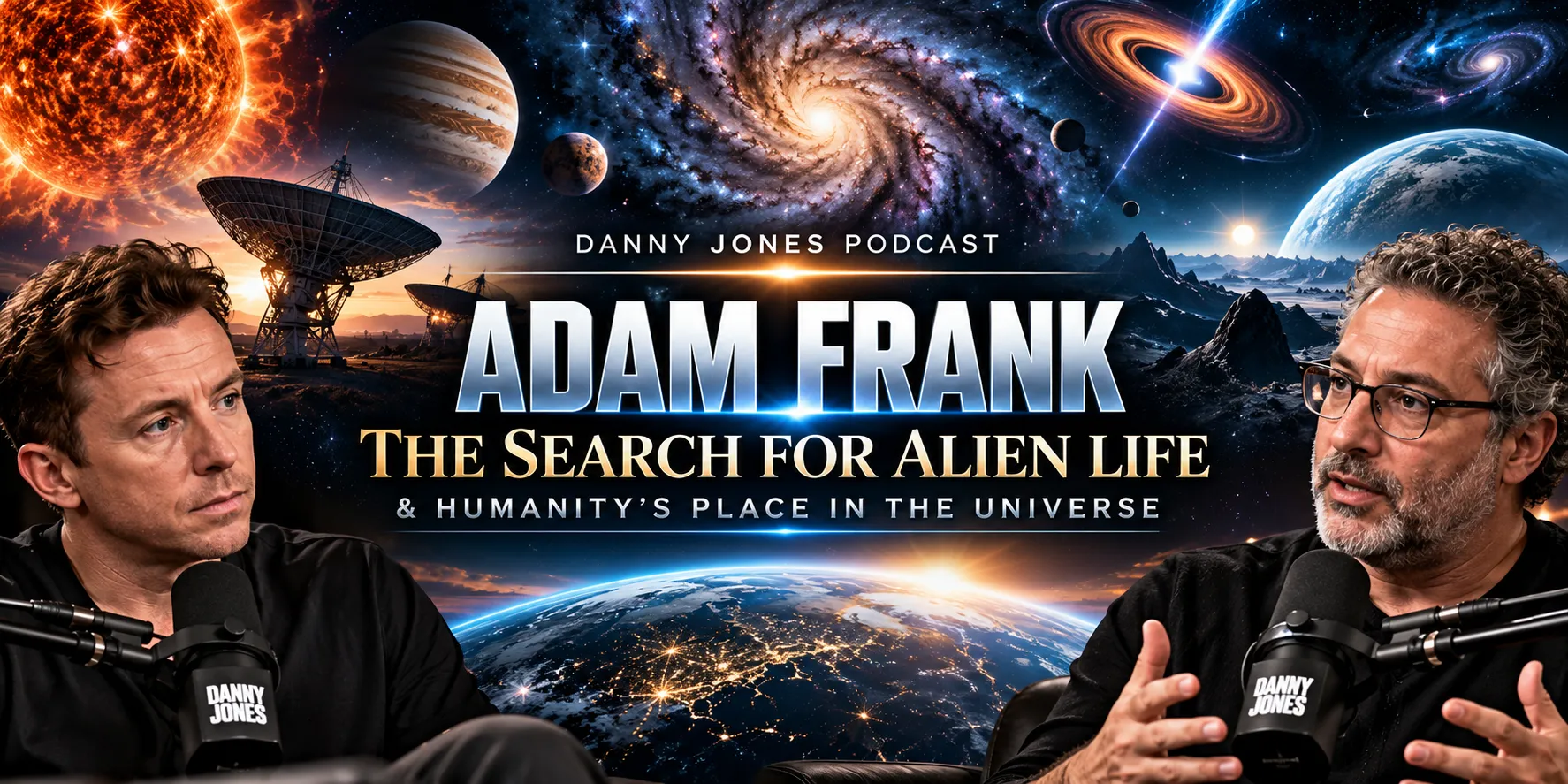
• Adam Frank | The Search for Alien Life & Humanity’s Place in the Universe
In this episode of the Danny Jones Podcast, astrophysicist Adam Frank explores some of the biggest questions confronting modern science: how stars and planetary systems evolve, whether life exists elsewhere in the universe, and what scientists can realistically look for when searching for advanced extraterrestrial civilizations. Drawing on his work in astrophysics and computational modeling, Frank brings the enormous scale of cosmic evolution into perspective—from the birth and death of stars to the conditions that allow planets and potentially technological civilizations to emerge. The conversation challenges viewers to consider Earth not as an isolated world, but as one planet within a universe containing an extraordinary number of opportunities for life to develop.
The deeper significance of the discussion is the shift from simply asking “Are we alone?” to asking how science might actually detect evidence that we are not. Frank’s work connects astronomy, planetary science, astrobiology and the search for technological signatures, opening a broader conversation about what another advanced civilization might look like and how long technological societies survive. For GAR’s consciousness and disclosure coverage, the episode provides a scientific perspective on a question humanity has contemplated for generations: If intelligent life has emerged elsewhere, what would its existence tell us about consciousness, technological evolution and humanity’s own place in the larger cosmic story?


• Secret Space Program | Solar Warden
The Secret Space Program (SSP) is a vast, multilayered network of covert operations that has allegedly existed for over seven decades, originating during or shortly after World War II. According to whistleblower testimonies and classified research, there are multiple compartmentalized programs operating independently—some with benevolent intentions to protect Earth and advance human evolution, and others allegedly serving darker agendas tied to elite control, resource extraction, and interstellar warfare.
Key whistleblowers such as Emery Smith, William Tompkins, and Pete Peterson have revealed astonishing insights into these programs, including the existence of Earth-built UFOs, reverse-engineered alien craft, and collaborations with non-terrestrial beings. Some craft seen in our skies are human-made, often constructed in underground or off-world facilities like those linked to Area 51, while others originate from advanced extraterrestrial civilizations.
As more insiders step forward and classified materials emerge, the truth about our interplanetary presence, hidden technologies, and off-world alliances is becoming harder to deny. This section explores the layers of secrecy and emerging disclosure surrounding the SSP and poses a critical question: Are these programs guiding humanity toward liberation—or deeper control?


• Antarctica Hidden Secrets
Long veiled in secrecy and layered with intrigue, Antarctica has become a focal point for researchers, truth-seekers, and whistleblowers exploring humanity’s hidden history. While officially described as a barren, ice-covered wilderness governed by scientific treaties, mounting evidence suggests that this vast and heavily restricted continent holds secrets that defy mainstream understanding.
Ancient maps, classified expeditions, and long-standing no-fly zones have led many to believe that Antarctica conceals remnants of advanced pre-flood civilizations, secret underground bases, and even gateways to other realms or dimensions. Whistleblower testimony, restricted access by global powers, and cryptic diplomatic activity all point to something far more significant than a frozen wasteland.
The theory of “worlds beyond the ice wall”—once dismissed as fringe—has resurfaced as more independent researchers uncover references to hollow Earth networks, interdimensional portals, and extraterrestrial contact zones beneath the polar ice. Some suggest Antarctica may be a vault of ancient knowledge, a staging ground for secret space operations, or even a boundary to realms deliberately hidden from public view.
This section dives deep into the geopolitical, historical, and metaphysical mysteries surrounding Antarctica, challenging official narratives and opening the door to a radically expanded understanding of Earth’s true geography, ancient past, and cosmic significance.
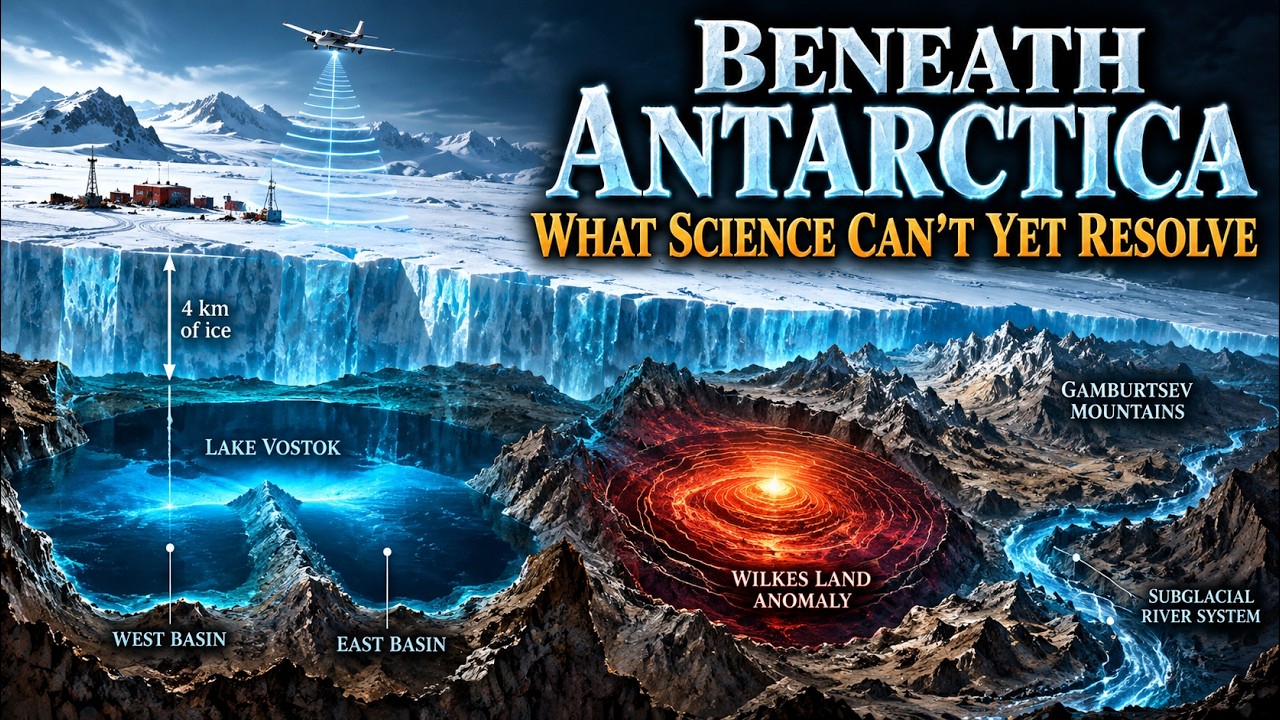

Alien Chronicles: Antarctic Worlds Below
The Mysterious Organism Beneath Antarctica | Lake Vostok
This video explores the mysterious world beneath Antarctica’s massive ice sheet, focusing on Lake Vostok, an enormous subglacial lake isolated beneath thousands of feet of ice. The story centers on reports of an extraordinary 14-armed, octopus-like organism, commonly referred to as “Organism 46-B,” allegedly encountered during a Russian expedition investigating the lake. The video describes the creature as highly intelligent and unusually adaptive, with remarkable abilities involving camouflage, mimicry, hunting behavior, and survival in one of the most extreme environments on Earth.
The documentary-style presentation follows the increasingly dramatic encounter between the research team and the mysterious organism, including reported attacks on expedition members and efforts to capture the creature for further study. Against the backdrop of Antarctica’s vast unexplored environment, the video raises larger questions about what forms of life might exist in ecosystems that have remained isolated from the surface world for millions of years. Combining exploration, mystery, extreme biology, and the unknown, the story presents Lake Vostok as a fascinating frontier where humanity may still have much to discover about life beneath the ice.


The Event
Galactic Solar Events • Solar Flash & MicroNova • Ascension & Vibrational Energy Waves
“The Discovery of a 26,000 Year Cycle that Ends with a Galactic Flash Ushering in a New Era of Higher Consciousness and The Golden Age.”
The Earth Catastrophe Cycle
Suspicious Observer 25 Video Series • The Earths Catastrophic Cycle
The Event refers to a powerful, cyclical galactic phenomenon occurring approximately every 26,000 years, aligned with our solar system’s journey through a binary star orbit. As we reach the end of this Grand Cycle, ancient prophecies, whistleblower testimony, and emerging scientific evidence point to a monumental Galactic Flash—a burst of cosmic energy that catalyzes planetary transformation and human ascension.
Current research into The Event is being drawn from a diverse spectrum of sources, including ancient sacred texts, Secret Space Program (SSP) scientists, military disclosures, NASA satellite data, and global astronomical observatories. These sources document increasingly intense solar activity—solar flares, solar winds, coronal mass ejections (CMEs), and co-interaction regions, where converging solar winds generate powerful vibrational shockwaves that ripple through the solar system.
This energy, projected from our sun and the galactic core, impacts both the inner core and electromagnetic fields of Earth, causing rapid planetary shifts, magnetic anomalies, and accelerated vibration. These energetic surges are often described as pulsations of SOURCE LIGHT—designed to awaken consciousness, elevate frequency, and initiate a planetary reset across all living systems.
As Earth undergoes this energetic transformation, humanity is being called to align with higher vibrational states, embrace heart-centered living, and prepare for the multidimensional leap known as Ascension. This is not merely a solar or geophysical event—it is a cosmic spiritual initiation.
The Event is central to understanding the Big Picture—an evolutionary timeline that integrates our cosmic heritage, suppressed history, and the awakening of human potential. As more evidence and testimony continue to emerge, we move closer to a deeper truth: this is not the end of an age—it is the beginning of a new Golden Era.
“For just as the lightning comes from the east and flashes as far as the west, so will be the coming of the Son of Man.” Matthew 27:24
Our Solar System is part of a binary Dark Star that our sun orbits around every 25,960 Earth years (a Grand Cycle). There is evidence, based on core samples from Antarctica, that our sun produces a CME (known as a MicroNova) which are 1000 times brighter than normal at the end of every grand cycle. This is known as a Galactic Flash. New sources are documenting and describing this as a planetary changing event. This topic is tied to the Big Picture connecting the dots and our planetary Ascension.
Sub-Topics Include:
- The Event Featured Documentary
- Galactic Solar Events
- CME’s, Solar Flash & MicroNova
- Ascension & Vibrational Energy Waves
Updates; Cosmic Galactic Frequency Wave
The Ascension Frequency Wave is a universal energetic pulse — a multidimensional harmonic arriving from beyond the galactic core, synchronized with solar, magnetic, and crystalline grids of Earth. It is the energetic ignition for humanity’s transition from 3D density to 5D crystalline consciousness.
The first measurable precursors began mid-2025, as solar storms, Schumann resonance spikes, and auroral anomalies indicated the planet’s resonance field entering a pre-threshold alignment.
Between June 2026 and June 2027, the wavefront interacts with Earth’s magnetic field, DNA templates, and collective consciousness simultaneously. This produces emotional purging, memory distortion, and amplified synchronicities — the “compression breakthrough.” During this period, fear-based density begins dissolving, while high-frequency souls begin experiencing heightened intuitive guidance, temporal distortions, and plasma-light activations.
By May 2027, the main crest of the wave (the Threshold Event / Compression Breakthrough) synchronizes with a solar magnetic reversal and cosmic gamma-ray influx. This activates crystalline DNA templates, opening the first true Ascension Portal. The planetary grids split into two frequency bands — 3D density (survival polarity) and 5D coherence (unity consciousness). Islands of Light begin forming organically as harmonic stabilizers for the new 5D field.
Timeline | Cosmic Frequency Wave 2026 – 2027
Key Insights
- The wave is not destructive but purificatory — it compresses all density until it releases or transforms.
- Each individual experiences the energy according to inner frequency alignment: resistance manifests as chaos; surrender manifests as clarity.
- May 2027 remains the pivotal quantum-leap window; after this, the 5D lattice is permanently established, allowing ongoing individual and small-group transitions.

• The Event News, Top Stories & Events | October 2026 Research
September 17 – October 17, 2026
Galactic Solar Events • Solar Flash & MicroNova • Geomagnetic Activity • Cosmic Radiation • Ascension & Vibrational Energy Waves
The strongest news categories we investigated are solar eruptions, coronal mass ejections (CMEs), geomagnetic disturbances, changes in Earth’s magnetic field, cosmic-ray observations, and new research into solar and galactic cycles.
The central editorial question is: Are recent solar, geomagnetic, and cosmic observations revealing a larger pattern of planetary change—and what can the evidence actually tell us?
It’s important to separate three levels of information: documented astronomical events, scientific hypotheses about long-term cycles, and spiritual interpretations involving a Galactic Flash or Ascension. That distinction will make the Monthly Report more credible without excluding the alternative perspectives central to your investigation.
Part I — Top solar and geomagnetic news stories

1. Strong G3 Geomagnetic Storm Strikes Earth — October 10
October 10, 2026
NOAA confirmed that a coronal mass ejection originating on October 8 reached Earth on October 10, producing a G3 (Strong) geomagnetic storm. The solar-wind disturbance arrived at approximately 14:34 UTC, and G3 conditions began around 17:58 UTC. The event demonstrates how an eruption on the Sun can rapidly transmit energy into Earth’s magnetic environment.
The Event connection: This is the month’s strongest documented example of a solar-terrestrial energy disturbance. It is directly relevant to the report’s examination of CMEs, geomagnetic fluctuations, and solar activity.

2. Northern Lights Spread Across the United Kingdom
Powerful auroral displays were reported across the United Kingdom, with sightings reaching southern counties including Devon, Hampshire, and Kent. These unusually widespread displays were associated with heightened solar activity and geomagnetic disturbances, providing a visible illustration of the interaction between charged solar particles and Earth’s atmosphere.
The Event connection: Auroras are among the clearest visible manifestations of energy transfer between the Sun and Earth. Their geographical expansion provides an observable indicator of geomagnetic disturbance.

3. October 6 Solar Flare Triggers CME Warning
October 6–9, 2026
NOAA identified an M1.4-class solar flare from Active Region 4549 on October 6. An associated CME was expected to reach Earth around October 9, prompting a G2 (Moderate) geomagnetic storm watch. Forecasters also identified the potential for additional M-class activity from the same region.
The Event connection: Active regions can produce multiple solar eruptions, and the resulting disturbances may interact with Earth’s magnetosphere over successive days. This is a useful case study for tracking clusters of solar activity.

4. Another CME Reaches Earth on October 14
October 12–14, 2026
NASA’s CME Scoreboard records a filament eruption on October 12 and a corresponding shock arrival on October 14 at 17:28 UTC. Measurements indicated an increase in solar-wind velocity from approximately 515 to 592 kilometers per second, accompanied by changes in plasma density, temperature, and magnetic-field orientation.
The Event connection: This second confirmed CME arrival reinforces the importance of examining solar disturbances as a sequence rather than treating every eruption as an isolated event.

5. September 30 Solar Eruption Reaches Earth on October 3
A C8.6 solar flare on September 30 was associated with a CME that arrived near Earth on October 3. NASA’s observations documented increases in solar-wind speed, density, temperature, and magnetic-field strength. A coronal-hole high-speed stream followed shortly afterward, creating a sequence of changing solar-wind conditions.
The Event connection: This event illustrates how separate solar-wind structures can arrive in close succession, potentially modifying geomagnetic conditions.
6. Active Region 4549 Produces a Concentrated Series of Solar Flares
October 5–11, 2026
NOAA’s weekly summary identified Active Region 4549 as the dominant source of solar flare activity during October 5–11. The region produced 39 C-class flares, three R1 (Minor) radio-blackout-level flares, and two R2 (Moderate) events. Other active regions also produced M-class eruptions during the period.
The Event connection: This is an important signal for investigating the Sun’s magnetic complexity and the relationship between sunspot development, flare production, and subsequent space-weather disturbances.
7. A Magnetically Complex Sunspot Raises the Potential for X-Class Flares
October 15–16, 2026
Sunspot 4551 developed a beta-gamma-delta magnetic configuration, according to SpaceWeather.com’s October 16 report. This configuration can store substantial magnetic energy and is associated with the potential for powerful solar flares, including X-class eruptions. The report identified the potential for such activity, not an actual X-class flare from this region.
The Event connection: Monitoring magnetic complexity can help identify emerging solar risks before major eruptions occur.
8. Solar-Wind Streams Continue to Pressure Earth’s Magnetosphere
October 12–16, 2026
A high-speed solar-wind stream associated with a coronal hole reached Earth around October 14. SpaceWeather.com reported wind speeds exceeding 600 kilometers per second during the disturbance. These streams can compress and disturb Earth’s magnetic environment, even without a major flare or large CME.
The Event connection: Coronal-hole streams, solar flares, and CMEs represent different but interconnected mechanisms through which solar energy influences near-Earth space.
Part II — Galactic radiation, cosmic cycles & new discoveries

9. Scientists Investigate High-Energy Cosmic Rays at the Galactic Center
Researchers from the IceCube and HAWC collaborations examined whether high-energy gamma-ray emissions near the Milky Way’s center corresponded with detectable neutrino emissions. Using 12 years of IceCube observations, the researchers found no statistically significant corresponding neutrino signal, establishing new limits on the possible emissions.
The Event connection: Particularly relevant to Paul LaViolette’s Galactic Superwave hypothesis, this research investigates energetic processes near the galactic center. It does not, however, establish the existence of periodic galactic superwaves reaching Earth.

10. Japanese Scientists Produce New Gamma-Ray Images of the Milky Way’s Center
October 6, 2026
Japan’s space agency JAXA announced research using the SMILE-2+ balloon experiment to image low-energy gamma-ray emissions from the galactic-center region. Researchers examined emissions in the 150–600 keV range and reported an estimated intensity of positron-related emission approximately twice earlier central estimates, although still within previous uncertainties.
The Event connection: This is one of the month’s most relevant discoveries for examining the energetic environment of the galactic center. Further observations will be needed to determine the origins of these emissions.
11. New Research Examines Cosmic-Ray Changes During Geomagnetic Storms
September 23, 2026
A study published online in Advances in Space Research investigated how asymmetric currents in Earth’s magnetosphere relate to Forbush decreases—temporary reductions in galactic cosmic-ray intensity that can occur during interplanetary CME disturbances.
The Event connection: This provides a scientifically grounded connection between solar eruptions, Earth’s magnetic environment, and changes in the cosmic-ray population detected near Earth.
12. New Research Identifies Regional Differences in Solar-Wind Impacts
October 15, 2026
Research reported from the University of Oulu examined Kelvin–Helmholtz waves along the boundary of Earth’s magnetosphere. The findings suggest that solar-wind interactions can differ between regions and seasons, potentially improving understanding of where space-weather disturbances have the greatest effects.
The Event connection: The research adds another layer to understanding how solar energy interacts with Earth’s magnetic shield and why geomagnetic disturbances do not affect every location equally.
Part III — Emerging science & what comes next
13. NASA Announces the SunRISE Solar Radio Mission Timeline
October 6, 2026
NASA reported that its Sun Radio Interferometer Space Experiment (SunRISE) is targeting launch no earlier than mid-2027. The mission is intended to improve observations of solar radio emissions and advance understanding of solar energetic-particle events.
The Event connection: Better observations of solar eruptions and energetic particles will help researchers reconstruct how disturbances develop and propagate through the solar system.
14. NASA Expands Its Heliophysics Research Strategy
September 22 – October 14, 2026
NASA’s recent heliophysics updates highlighted research priorities involving the Sun, solar magnetic fields, space-weather forecasting, and observations needed to understand Sun–Earth interactions. These efforts form part of the broader scientific infrastructure for studying the effects of solar activity on technology and the space environment.
The Event connection: This research is essential for distinguishing measurable solar and geomagnetic processes from longer-term catastrophe-cycle hypotheses.
15. NOAA’s New Forecast Identifies Additional Geomagnetic Disturbance Windows
Forecast issued October 12, 2026
NOAA’s 27-day outlook anticipated minor G1 geomagnetic storm potential on October 13 and again around October 31–November 1, with other periods of unsettled or active geomagnetic conditions. The forecast attributed these anticipated disturbances primarily to recurring coronal-hole high-speed streams. These are forecasts, not confirmed future events.
The Event connection: These forecast windows provide specific dates for continued observation and comparison with actual solar-wind measurements.
• The Event Documentary
Is Reality a Simulation? | The Scientific Investigation Into the Nature of Our Universe
Quantum Physics • Simulation Theory • Holographic Universe • Cosmic Information • Computational Reality • The Nature of Consciousness
What if the universe we experience is not fundamental reality, but an extraordinarily sophisticated information system governed by mathematical laws, computational limits, and hidden structures? This documentary investigates one of the most provocative questions in modern physics: Are we living inside a simulation, and can science actually prove or disprove it? Beginning with the extraordinary 1991 discovery of the Oh-My-God Particle, an ultra-high-energy cosmic ray detected entering Earth’s atmosphere, the investigation explores whether particles traveling at nearly the speed of light could reveal an underlying structure within spacetime. The documentary follows decades of research into the holographic principle, quantum information, cosmic radiation, and the possibility that space itself consists of discrete units rather than a perfectly continuous fabric. Drawing upon the work of physicists including Jacob Bekenstein, Leonard Susskind, Juan Maldacena, Seth Lloyd, and Craig Hogan, it examines the theoretical limits of information storage within the universe, experiments searching for evidence of spacetime discreteness, and astronomical observations involving photons that have traveled billions of years across the cosmos. Together, these investigations explore whether the physical universe contains measurable signatures of an underlying computational architecture.
The documentary then turns toward the deeper mathematical and physical limitations of a simulated universe, examining the enormous energy requirements of computation, the unpredictability of complex physical systems, Gödel’s incompleteness theorem, and the theoretical boundaries of what mathematics and computers can reproduce. It reviews research published in 2025 addressing the computational feasibility of simulating a universe, arguments concerning noncomputable aspects of physical reality, and theoretical possibilities involving nested simulated universes. Across these investigations, the documentary presents an important distinction: experiments have not established evidence that our universe operates on a detectable computational grid, but neither have they eliminated every conceivable form of simulation. The larger significance lies in what the investigation reveals about the relationship between matter, energy, information, mathematics, and the fundamental structure of existence. For those exploring consciousness, multidimensional reality, and the deeper nature of the universe, the documentary offers a scientific perspective on questions traditionally associated with philosophy and metaphysics. Its central conclusion remains open: science has not demonstrated that reality is a simulation—or definitively proven that it is not—but the search is advancing our understanding of what physical reality may ultimately be.

• Featured Event Expert | Paul A. LaViolette (1947–2022) | Galactic Superwave Research
Astrophysicist • Systems Theorist • Galactic Superwaves • Cosmic Catastrophe Cycles • Ancient Civilizations
Paul A. LaViolette was an American independent researcher, author, and systems theorist known for his unconventional investigations into astrophysics, cosmology, ancient civilizations, and the possibility of recurring cosmic catastrophes. He earned a Ph.D. in systems science from Portland State University and founded the Starburst Foundation, an organization dedicated to exploring alternative scientific theories and cosmological phenomena. LaViolette became particularly recognized for developing the Galactic Superwave Hypothesis, which proposes that the center of the Milky Way periodically releases enormous bursts of cosmic rays and electromagnetic radiation that propagate outward through the galaxy. He suggested that these energetic outbursts could reach our solar system, disturb the Sun and Earth’s environment, and contribute to episodes of climatic instability, mass extinctions, and major geological disturbances. His books, including Earth Under Fire, Beyond the Big Bang, and Genesis of the Cosmos, explored connections between astrophysical phenomena, ancient mythology, astronomical observations, and humanity’s historical accounts of catastrophic events.
Central to LaViolette’s research was the proposition that galactic-center energetic outbursts may have influenced Earth’s history far more profoundly than conventional models recognize. He examined astronomical observations, polar ice-core records, cosmic dust deposits, and ancient catastrophe traditions, interpreting them as potential indicators of past galactic superwave activity. His hypothesis suggested that intense cosmic radiation could alter conditions within the heliosphere, influence solar behavior, and potentially trigger widespread environmental disruption on Earth. Within the broader investigation of The Event, Galactic Solar Flash, MicroNova, and recurring cosmic cycles, LaViolette’s work provides an alternative theoretical framework connecting galactic activity with solar-system disturbances and planetary change. Although his proposed catastrophic superwave mechanism and historical interpretations remain unverified and outside mainstream scientific consensus, his research has influenced discussions about galactic cycles, cosmic catastrophism, and the possibility that major events in Earth’s history may have origins beyond our solar system.


• Galactic Solar Events
Our solar system is currently moving through an energetically charged region of the galaxy, exposing Earth to powerful influences from beyond the sun. These include galactic energy clouds, interstellar solar waves, and high-frequency cosmic rays—each carrying transformative impacts on planetary systems and human consciousness. Additional celestial phenomena such as supernovas (ancient exploding stars), and comets—whose chemical-laden tails may impact Earth’s atmosphere before disintegrating into the Sun—also play a role in this galactic dance.
Key solar events such as coronal mass ejections (CMEs), solar flares, and electromagnetic pulses continue to intensify, reshaping Earth’s magnetic field, climate patterns, and vibrational resonance. In our reports, we track and decode these heavenly events as markers of both physical and metaphysical transformation—providing insight into the profound energetic shifts now influencing our planet and collective awakening.


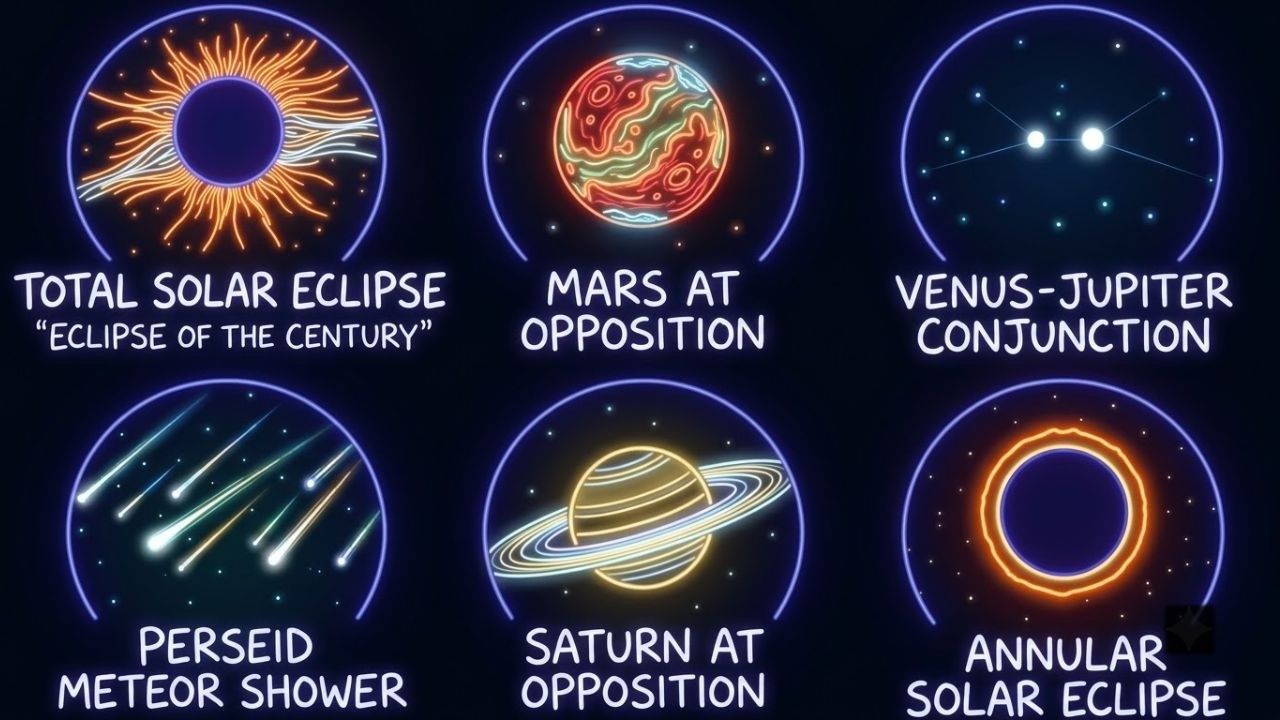
• CMEs, Solar Flash & MicroNova
This is a universal, cyclical galactic event occurring approximately every 26,000 years, aligned with the ascension of human consciousness and the transition into higher dimensional awareness. At the heart of this phenomenon is the Galactic Flash—a powerful burst of energy emitted from the Galactic Central Sun, which travels across the galaxy and ultimately passes through our own sun.
As this cosmic wave reaches our solar system, it triggers an extraordinary solar event: a Solar Flash or MicroNova—a brilliant explosion of light and plasma that is estimated to be over 1,000 times brighter than the most powerful X-class CME ever recorded. This sudden release of electromagnetic radiation and high-frequency energy has the potential to activate planetary transformation, accelerate DNA upgrades, and shift Earth’s vibrational frequency.
Far more than a physical event, this galactic pulse is seen as a divine catalyst—an evolutionary marker signaling the end of one cosmic cycle and the beginning of another. It is deeply intertwined with human ascension, spiritual awakening, and the restoration of cosmic memory across the planet.
This section explores the science, prophecy, and multidimensional significance of coronal mass ejections (CMEs), solar flash phenomena, and the coming MicroNova—essential knowledge for understanding the profound shift now underway on Earth.


• Ascension & Vibrational Energy Waves
Ascension is the soul’s evolutionary graduation—a sacred transition beyond the limitations of 3rd-dimensional polarity, karma, and the illusion of separation. It marks the culmination of countless lifetimes lived under the laws of Free Will, where the soul gathers wisdom through contrast, challenge, and choice.
At the core of Ascension is vibrational frequency. Each individual’s level of consciousness is determined by the energetic state of their thoughts, emotions, and intentions. As vibrational energy waves now flood the planet—through cosmic alignments, solar activity, and Source light—humanity is being invited to rise in resonance, clearing lower densities and aligning with higher realms of awareness.
This journey is not about escaping the physical world, but transcending it through inner transformation. As we raise our vibration, we begin to shift from fear to love, from separation to unity, from ego to soul. Ascension is a natural process—both personal and planetary—leading us toward multi-dimensional awareness, expanded perception, and deeper connection with Source.
This section explores the energetic mechanics of Ascension, the waves of cosmic light currently affecting Earth, and the tools available to support your journey through this powerful and transformational time.


Ascension Papers
An invitation to step into the power of your divine, limitless self! To move into the right relationship with all that you truly are, and therefore into the right relationship with all of life. If you accept this invitation, then you’ll be able to join in the co-creation of the most wondrous future reality imaginable… a whole new life in a whole new world in a grand, golden age! An age in which we all know that we are One with each other, One with Life, One with the planet, and One with the Divine. An age in which we are all awakened to our true Creator-Nature. Author; Arn Allingham
Free PDF Link Here!

Consciousness
Conscious • The Great Remembering • Quantum Consciousness • Conscious Frequency & Awareness • Conscious Sovereignty • Frequency & Vibration
• In Oneness, Unity, & Equality
The Awakening of Unity Consciousness | From Separation to Wholeness
A profound shift in human consciousness invites us to move beyond division, fear, and limiting beliefs toward a deeper understanding of Oneness, Unity, and Equality. Across spiritual traditions, Unity Consciousness represents the recognition that we are interconnected expressions of a greater whole, sharing a journey toward greater awareness, compassion, and spiritual awakening.
The path toward Oneness begins within, through the integration of masculine and feminine energies, reason and intuition, strength and compassion. As we release conditioned beliefs and reactive patterns, we move toward greater self-awareness, conscious choice, and spiritual sovereignty. Within metaphysical traditions, this evolution is sometimes described as a transition toward 5D consciousness, where separation gives way to cooperation, connection, and collective unity.
Unity Consciousness is not about surrendering our individuality, but recognizing our interconnectedness while honoring the unique expression of every soul. The transformation we seek begins with how we choose to live, love, and relate to one another—recognizing that our individual awakening contributes to the greater collective journey.
We Are the Ones We’ve Been Waiting For. The Time Is Now. The Hero Is You!
IN ONENESS, UNITY, & EQUALITY
The TRUE Meaning of ONENESS | Christ Consciousness
What if Christ Consciousness represents more than a religious identity or doctrine? In this thought-provoking exploration, The Alchemist examines Christ Consciousness as a state of Oneness or Unity Consciousness, drawing upon esoteric interpretations of Jesus’s teachings to explore the relationship between spiritual awakening, inner wholeness, and our connection to the greater Source of existence. At the heart of this perspective is the idea that Oneness cannot be fully understood through intellectual knowledge alone—it must ultimately become a lived experience.
A central theme is the integration of masculine and feminine energies within ourselves, bringing reason, discernment, intuition, compassion, and emotional awareness into greater harmony. The discussion explores how internal division can shape our external experiences, and how moving beyond reactive patterns and inherited beliefs may support greater conscious choice and spiritual sovereignty. The Alchemist also challenges conventional interpretations of religious authority, introducing metaphysical concepts of duality, dimensional consciousness, and spiritual liberation as part of a broader esoteric framework.
Ultimately, this exploration invites us to reconsider what it means to awaken—not through external validation or unquestioning belief, but through self-awareness, inner integration, discernment, and recognition of our interconnectedness. While the video’s interpretations of religious history and higher dimensions are spiritual perspectives rather than established scientific findings, its central message offers a meaningful question for reflection: What changes when we begin to experience ourselves not as separate from the whole, but as conscious participants within it?
SELF-AWARENESS → INNER INTEGRATION → SOVEREIGNTY → UNITY CONSCIOUSNESS → ONENESS

• Conscious News
CONSCIOUSNESS | Top 5 Alternative News Stories & Events
GAR Monthly Report | September 28 – October 28, 2026
Unity Consciousness • Oneness • Frequency & Vibration • Spiritual Awakening • Non-Duality • Human Connection
For this section, I focused on independent consciousness researchers, spiritual teachers, alternative podcasts, and organizations exploring the relationship between science and spirituality—not mainstream news outlets.
These five developments connect particularly well with your theme, “The Awakening of Unity Consciousness | From Separation to Wholeness.” They examine the nature of awareness, the experience of oneness, music and human coherence, and the movement from intellectual understanding toward lived spiritual experience.
1. Rupert Spira — The Illusion of Separation and the Awakening of Oneness
September 29, 2026 | Mayim Bialik’s Breakdown
Non-duality teacher Rupert Spira appeared in an extended interview exploring the nature of consciousness, the experience of being, and the idea that separation is a fundamental source of human suffering. Spira explained that awakening does not necessarily require an extraordinary mystical event; instead, it may begin with recognizing the awareness already present beneath thoughts, emotions, and personal identity.
The discussion also connected individual perceptions of separation with broader patterns of human conflict. Within Spira’s non-dual philosophy, discovering a deeper shared awareness can transform how individuals relate to themselves, others, and the world. This makes the interview particularly relevant to GAR’s emphasis on unity without the loss of individuality.
GAR connection: Moving from separation toward wholeness through direct self-inquiry and recognition of awareness.
Source: Rupert Spira — Full interview transcript
2. The Resonance Revolution — Music, Frequency and Human Coherence
October 2, 2026 | Institute of Noetic Sciences
Emmy-winning composer Gary Malkin participated in an Institute of Noetic Sciences event titled “The Resonance Revolution: The Untapped Technology of Music as a Pathway to Human Coherence.” The discussion explored how music can create meaningful emotional experiences, strengthen human connection, and support a sense of shared purpose.
The event examined music as more than entertainment, considering its potential as a practice for bringing people into greater emotional alignment. Its relevance to frequency and vibration lies in the observable effects of sound and musical experience, alongside the spiritual meanings people associate with resonance. Claims that specific frequencies produce universal spiritual states require separate evidence.
GAR connection: Sound, resonance, emotional coherence, and collective experiences of connection.
Source: IONS — October consciousness events
3. Death Is Not the End — Consciousness Researchers Challenge the Materialist View of Reality
October 9, 2026 | Scientific and Medical Network / IONS
The Scientific and Medical Network and Institute of Noetic Sciences hosted a panel featuring David Lorimer, neuroscientist Marjorie Woollacott, William J. Peters, and Felicity Warner. The event launched Death Is Not the End, an initiative exploring near-death experiences, shared-death experiences, terminal lucidity, mediumship, and the possibility that consciousness extends beyond physical death.
The discussion questioned whether conventional brain-based explanations adequately account for all reported experiences surrounding death. The speakers approached these subjects through a combination of research, firsthand testimony, and spiritual interpretation. Their work invites further investigation, although the survival of consciousness after death remains an unresolved scientific question.
GAR connection: Consciousness beyond physical identity, the nature of the soul, and the possibility of a deeper interconnected reality.
Source: Death Is Not the End — Event and speakers
4. Luke Storey — From Addiction to Awakening, Inner Peace and Conscious Living
October 16, 2026 | Unity Manifest Podcast
Consciousness-oriented podcast Unity Manifest released an interview with Luke Storey titled From Addiction to Awakening | Trauma, Recovery & Inner Peace. The conversation places personal recovery and inner transformation within the broader context of spiritual development.
This story offers a practical dimension to the concept of unity consciousness. Rather than focusing exclusively on metaphysical theories, it explores how people can move from painful patterns toward self-awareness, emotional steadiness, and healthier relationships. It provides a human-centered counterpart to discussions of 5D consciousness and collective transformation.
GAR connection: Inner healing, conscious choice, personal transformation, and the movement from separation toward meaningful connection.
Source: Unity Manifest — October 16 interview
5. Authentic Intelligence — Ancient Spiritual Wisdom Meets Modern Consciousness Research
October 22, 2026 | New York Insight Meditation Center
Meditation teacher Dave Smith and cognitive scientist Mark Miller presented Authentic Intelligence — Confronting Buddhism and AI, examining how ancient contemplative traditions can inform human development in an increasingly artificial and technologically mediated world. Their discussion brought together Buddhist teachings on mindfulness and loving-kindness, contemporary cognitive science, and questions about meaning and personal freedom.
The event explored the distinction between processing information and cultivating wisdom. It also examined how human cognition emerges through interaction with the body and environment, offering a perspective on consciousness that challenges the idea of the mind as an entirely isolated information processor.
GAR connection: Integrating reason and intuition, cultivating compassion, and preserving human awareness and agency during technological transformation.
Source: Authentic Intelligence — October 22 event
Connecting the Dots | Signals, Threads & Patterns
Signals: Independent consciousness researchers and spiritual educators are examining non-duality, the emotional power of music, near-death experiences, personal awakening, and the relationship between contemplative wisdom and artificial intelligence.
Threads: The recurring theme is a movement from identifying exclusively with individual thoughts and circumstances toward exploring awareness, connection, compassion, and shared human experience.
Patterns: These developments suggest several complementary approaches to consciousness: direct spiritual experience, contemplative practice, personal healing, and empirical investigation. They do not establish that a measurable global transition into 5D consciousness is underway, but they show how the language of interconnectedness is being explored across different communities.


• Graham Hancock | Lost Civilizations, Ancient Mysteries & The Awakening of Human Consciousness
The Great Pyramid is a Stargate for Consciousness
In a wide-ranging interview, author and researcher Graham Hancock explores the possibility that humanity’s ancient history extends far beyond conventional archaeological timelines. Drawing on more than four decades of investigation, Hancock examines the mysteries of the Great Pyramids, the Sphinx, the Ark of the Covenant, Atlantis, and the possibility of an advanced civilization lost during the catastrophic events surrounding the end of the last Ice Age. He discusses astronomical alignments connecting ancient monuments to Orion’s Belt, the significance of the 26,000-year precessional cycle, and the possibility that ancient cultures preserved sophisticated knowledge through mythology, sacred architecture, oral traditions, and secret societies. Hancock also highlights archaeological discoveries in the Amazon, Göbekli Tepe, and the Americas, suggesting that humanity’s forgotten past may contain important clues about the origins of civilization and the transmission of ancient wisdom across generations.
Moving beyond archaeology, Hancock explores the deeper mysteries of human consciousness, spiritual dimensions, extraterrestrial encounters, and the possibility that ancient civilizations possessed a more expansive understanding of reality. He discusses altered states of consciousness, shamanic traditions, DMT experiences, and the relationship between UFO phenomena and what ancient cultures described as the spirit world. Hancock proposes that understanding consciousness may be essential to unlocking mysteries that conventional scientific approaches have yet to resolve. The conversation ultimately turns toward humanity’s present crossroads, where technological advancement, nuclear threats, institutional breakdown, and a growing collective awakening are converging. He emphasizes that the expansion of human consciousness, the integration of science and spirituality, and a renewed respect for ancient wisdom may be essential to humanity’s future, offering a vision of transformation in which rediscovering our forgotten past helps illuminate the next stage of human evolution.



“Spirituality cannot be Defined but can be Described as a Journey to the Center of the Soul.” –Peter Kemmsies
• Featured Conscious Thought Leader | LOUISE HAY
The Power of Self-Love | Transforming Our Inner World
Long before mindfulness, affirmations, and mind-body awareness became part of everyday wellness conversations, Louise Hay was encouraging people to examine the relationship between their thoughts, beliefs, emotions, and personal experiences. Through her influential book You Can Heal Your Life, she introduced millions to the idea that lasting personal transformation begins with the way we see, speak to, and care for ourselves. Her teachings emphasized self-acceptance, forgiveness, and the possibility of releasing limiting beliefs that shape our relationship with life.
At the heart of Hay’s philosophy was a deceptively simple practice: learning to love and accept ourselves as we are, while remaining open to who we can become. She encouraged people to become more conscious of their inner dialogue, replace habitual self-criticism with compassion, and recognize the power of personal choice. Although some of her claims about the emotional origins of physical illness are not scientifically established, her broader message of self-kindness and conscious living continues to resonate across generations.
Louise Hay’s legacy reminds us that awakening isn’t always about discovering something outside ourselves. Sometimes it begins by changing the conversation taking place within. Her work invites us to approach personal growth not through judgment or resistance, but through awareness, compassion, forgiveness, and a renewed willingness to embrace life.




SELF-AWARENESS → SELF-ACCEPTANCE → FORGIVENESS → SELF-LOVE → INNER TRANSFORMATION
• Conscious Documentaries
The last frontier of discovery & exploration. Prime/Source/Creator/God’s connection to the Universe and our Collective Consciousness.
What the Bleep Do We Know!? | Where Quantum Physics Meets Consciousness
What the Bleep Do We Know!? is a provocative 2004 documentary-drama that explores the intersection of consciousness, perception, quantum physics, neuroscience, spirituality, and the nature of reality. Blending interviews with scientists and spiritual thinkers with a fictional storyline, the film asks whether our experience of reality is more deeply influenced by observation, belief, emotion, and consciousness than conventional thinking suggests. Rather than simply asking what the universe is made of, the film turns the question inward: How much of the reality we experience is shaped by the mind observing it? Its unconventional format helped introduce a broad audience to ideas about quantum mechanics, neuroplasticity, meditation, emotional conditioning, and the possibility that consciousness may play a more fundamental role in reality than we currently understand.
The documentary is best approached as an exploration of ideas rather than a definitive scientific explanation. Several scientists and science communicators have criticized the film for extending concepts from quantum mechanics far beyond what experimental physics actually demonstrates, particularly when quantum phenomena are used to support claims about human intention or consciousness influencing everyday physical reality. Yet that controversy is also part of what makes the documentary worth examining: it challenges viewers to distinguish established science from interpretation, philosophical possibility, and spiritual belief. More than two decades later, What the Bleep Do We Know!? remains an interesting entry point into a much larger conversation—one that continues across neuroscience, physics, philosophy and consciousness research: What is consciousness, how does it construct our experience of reality, and how much remains beyond the boundaries of present scientific understanding?


• The Great Remembering | Quantum Consciousness
The Great Remembering marks a profound return—not to something new, but to something ancient and eternal within us all. It is the realization that we are not simply physical beings navigating a linear world, but multidimensional souls engaged in a cosmic dance of memory, energy, and evolution. Through the lens of Quantum Consciousness, we begin to understand that time is nonlinear, reality is vibrational, and consciousness is the true foundation of all existence.
This awakening goes beyond intellect—it is a soul-level remembrance of our divine origin, our sacred purpose, and our interconnectedness with all life across timelines, dimensions, and galaxies. Quantum physics now echoes what ancient mystics long knew: that observation creates reality, frequency determines experience, and intention shapes outcomes. We are the creators.
As we shift from separation to unity, from limitation to infinite potential, we begin to embody higher states of awareness. The Great Remembering is not just personal—it is planetary. It is the call to remember who we are, why we came, and what it means to live in harmony with Source, with each other, and with the living universe.
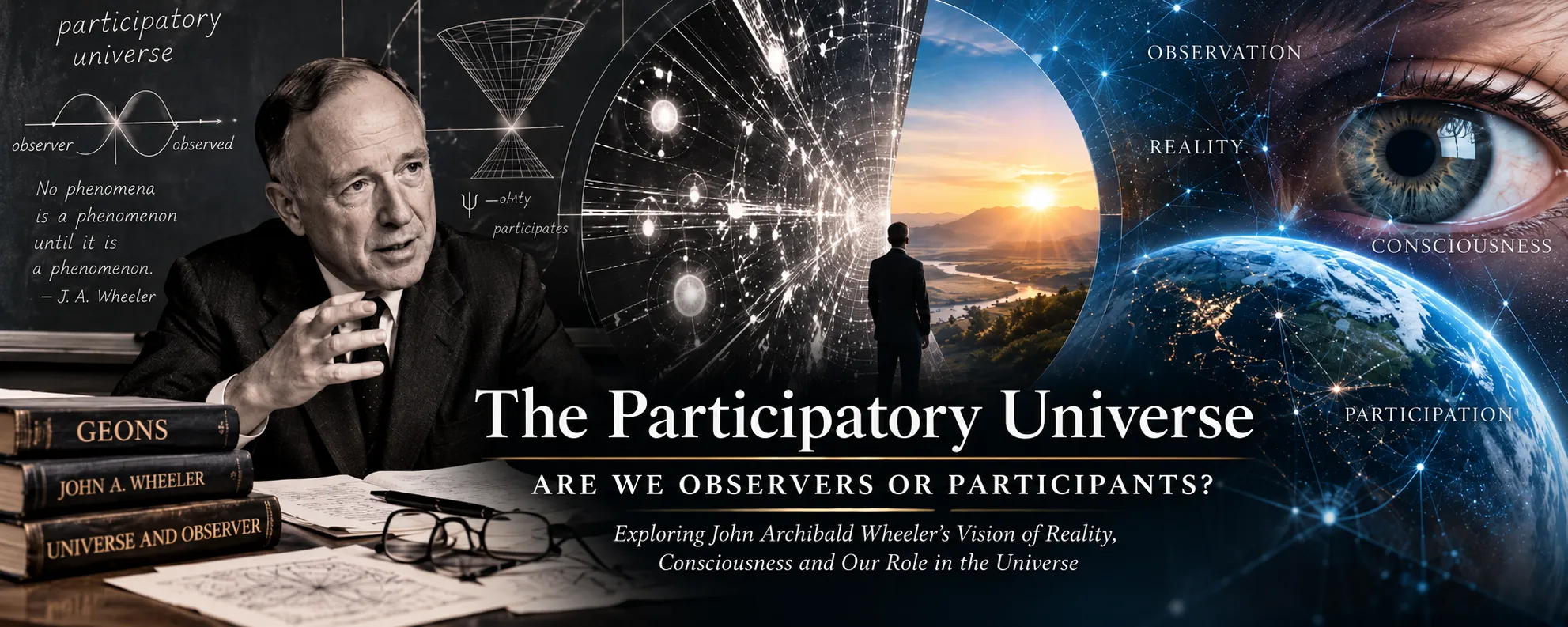
THE PARTICIPATORY UNIVERSE | ARE WE OBSERVERS OR PARTICIPANTS?
What if we are not simply observers of the universe, but participants in the unfolding of reality itself? This provocative question lies at the heart of The Participatory Universe, a concept introduced by renowned theoretical physicist John Archibald Wheeler. Best known for his contributions to general relativity, black hole physics, and quantum theory, Wheeler challenged conventional assumptions about the relationship between the observer and the observed. Rather than viewing the universe as a completely predetermined system existing independently of every measurement, he explored the possibility that acts of observation play a fundamental role in how physical reality becomes defined. His ideas opened a fascinating conversation about the nature of existence, the meaning of observation, and whether the universe can be fully understood without accounting for the role of those investigating it.
At the center of Wheeler’s thinking was the recognition that quantum physics challenges our ordinary understanding of reality. His famous delayed-choice thought experiment illustrated how the experimental arrangement used to measure a quantum system influences which aspects of its behavior can be observed. Wheeler extended these questions into a broader philosophical vision of a participatory universe, suggesting that observers are not entirely separate from the physical reality they investigate. He also proposed the concept of It from Bit, exploring whether information may occupy a foundational role in the structure of the physical world. These ideas remain influential in discussions of quantum foundations, information, and the nature of reality, although they do not establish that human consciousness alone creates the universe or that personal intention determines quantum outcomes.
For The Great Remembering, Wheeler’s work offers a compelling invitation to reconsider our place within the larger universe. If observation, information, and physical reality are more deeply connected than classical thinking once suggested, what might that mean for how we understand consciousness, interconnectedness, and our relationship with existence? Quantum physics does not yet provide definitive answers to the spiritual questions surrounding consciousness, but it challenges us to examine assumptions about separation, certainty, and the nature of what we call real. From the GAR perspective, the deeper opportunity is not to claim that science has proven ancient spiritual teachings, but to explore where scientific discovery, philosophical inquiry, and contemplative experience raise meaningful questions about our participation in the world. Perhaps The Great Remembering begins when we stop seeing ourselves as entirely separate from the universe and begin investigating the many ways we are connected to—and participate within—the reality we experience.

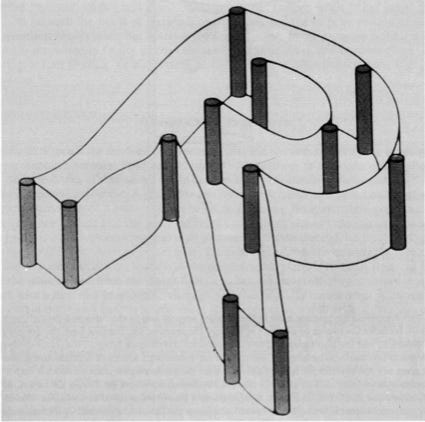
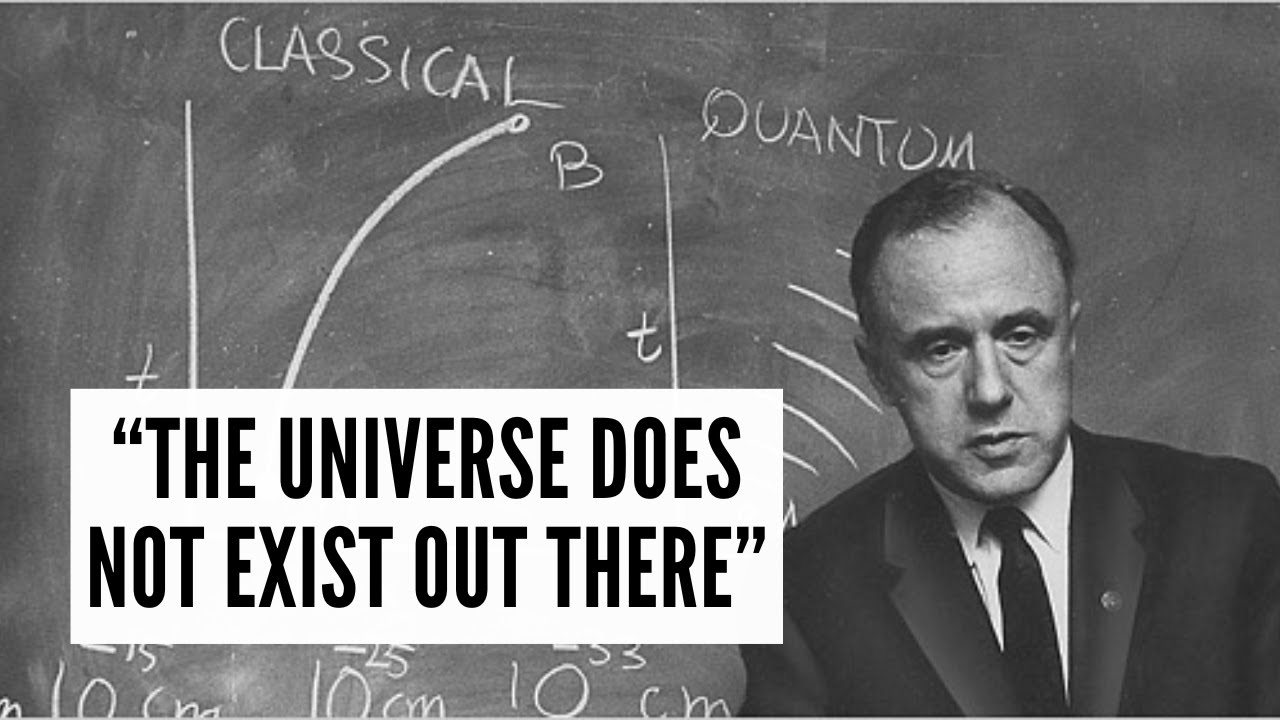

OBSERVATION → INQUIRY → PARTICIPATION → INTERCONNECTEDNESS → EXPANDED AWARENESS
• Conscious Frequency & Awareness
Aligning With Our Highest Self | Living in Conscious Resonance
Conscious Frequency & Awareness explores the relationship between our inner state, personal awareness, and the reality we experience. Our thoughts, emotions, beliefs, and intentions influence how we perceive the world, respond to challenges, and connect with others. As we become more conscious of these patterns, we gain greater freedom to choose how we engage with life.
Raising our frequency, in spiritual terms, is about more than cultivating positive emotions. It represents a journey toward authenticity, inner alignment, and living in harmony with our highest values. Through greater self-awareness, we can move beyond limiting beliefs and habitual reactions, creating more space for love, gratitude, compassion, abundance, and conscious choice.
Practices such as meditation, breathwork, mindfulness, heart-centered awareness, and intentional living help us reconnect with our inner wisdom and cultivate greater balance. Rather than seeking transformation exclusively outside ourselves, we begin to recognize the influence of our daily choices, relationships, and the attention we give to what matters most.
Ultimately, Conscious Frequency is about becoming an intentional participant in our own lives—aligning what we think, feel, believe, and do. As we embody greater coherence within ourselves, we create opportunities for deeper connection, personal transformation, and a more compassionate collective experience.
AWARENESS → ALIGNMENT → AUTHENTICITY → COHERENCE → CONSCIOUS CREATION
Energetic Sovereignty | Embodying Your Highest Self
What does it mean to truly own your energy? Energetic sovereignty begins with the awareness that our inner state, beliefs, emotions, and intentions influence how we experience and respond to the world around us. This collection explores the journey from unconscious reactions and external influences toward greater self-awareness, authenticity, and conscious choice. Through the teachings of soul sovereignty, embodiment, spiritual hygiene, and vibrational alignment, we discover practical ways to reconnect with our inner wisdom, establish healthy boundaries, and live more fully in the present moment. Rather than allowing outside circumstances to define our inner experience, we learn to cultivate clarity, emotional balance, self-trust, and alignment with our highest values. Ultimately, the journey toward conscious frequency is not about becoming someone else—it is about remembering who we are, honoring our personal power, and bringing our thoughts, feelings, and actions into greater harmony.



• Conscious Sovereignty
Sovereignty Conscious is the awakening to your true nature as a divine, self-governing being—free from external control, programmed limitations, and false narratives. It is a state of awareness in which you reclaim your inner authority, take full responsibility for your energy, choices, and beliefs, and begin to live from a place of truth, alignment, and empowerment.
In a world shaped by systems designed to suppress individual will and disconnect us from our spiritual essence, sovereignty is not rebellion—it is remembrance. It is the realization that your body, mind, soul, and destiny are yours to guide, and that no institution, government, or ideology has the right to dictate your reality. Sovereignty Consciousness is rooted in heart intelligence, discernment, and spiritual maturity. It is cultivated through practices of self-awareness, energy mastery, and the courage to walk an authentic path. As more souls awaken to their sovereignty, we collectively dismantle the old matrix of fear and control, and step into a new era of freedom, unity, and higher consciousness.
This section explores what it means to live sovereign—mentally, emotionally, spiritually, and energetically—offering insights, tools, and inspiration to help you reclaim your power and rise as a fully conscious creator.
SPIRITUAL SELF-SOVEREIGNTY | BECOMING THE RULER OF YOUR INNER WORLD
Reclaiming Inner Authority | The Journey Back to Self
What does it truly mean to become sovereign over your own life? In Spiritual Self Sovereignty, the Brahma Kumarisoffer a thoughtful perspective on reclaiming our inner authority through the metaphor of an inner kingdomconsciousness—where the self serves as the sovereign, supported by the mind, intellect, emotions, habits, and senses. Rather than allowing external circumstances or conditioned reactions to govern our experience, we are invited to become more conscious of how we think, choose, and respond.
At the heart of this teaching is the idea of benevolent self-governance. True sovereignty is not about controlling others or withdrawing from the world, but learning to guide our inner lives with wisdom, compassion, and personal responsibility. Through self-reflection, spiritual understanding, and conscious attention, we begin to recognize that lasting freedom starts with the relationship we cultivate with ourselves.





• GAR Featured Consciousness Reports
“We are hard pressed on every side, but not crushed, perplexed, but not in despair, persecuted, but not abandoned, struck down, but not destroyed.” – 2 Corinthians 4:8-9


The Path of Awakening
Meditation Journey • Practice Tools • Healing Healthy Lifestyles
“Your Life, All of Your Life, is Your Path of Awakening. By Resisting or Not Dealing with its Challenges, You Stay Asleep to Reality. Pay Attention to What Life is Trying to Reveal to You. Say Yes to Its Fierce, Ruthless, and Loving Grace.”
Awakening is not something that happens only during extraordinary spiritual experiences. It is practiced in the ordinary moments of everyday life—in how we respond when challenged, how quickly we recognize our own emotional reactions, how willingly we forgive, how consciously we care for the body, and how present we remain with ourselves and others. Knowledge may open the door to greater awareness, but practice is what gradually transforms that awareness into a way of living.
The Path of Awakening brings together the practices that support this ongoing inner development. Meditation and contemplation create space for stillness and observation. Forgiveness and emotional release help us loosen the hold of old wounds, resentments, and conditioned reactions. Observer consciousness teaches us to recognize thoughts and emotions without automatically becoming them. Heart-centered living, gratitude, service to others, time in nature, conscious movement, restorative sleep, nourishing food, and attention to physical well-being strengthen the relationship between mind, body, heart, and spirit. Different practices will resonate at different stages of the journey; the purpose is not to master them all, but to discover which ones genuinely help us become more aware, balanced, compassionate, and present.
Perhaps most importantly, practice gives us a way back to center. We will still become frustrated, fearful, distracted, judgmental, tired, or overwhelmed. Awakening does not require perfection, nor does it ask us to escape the realities of being human. It asks us to notice sooner, understand more deeply, and choose again with greater awareness. Over time, those seemingly small choices become meaningful changes in how we think, speak, respond, heal, relate, and live. What begins as a practice gradually becomes a habit; what becomes a habit begins shaping character; and what shapes character ultimately changes the experience of the journey itself.
The Path of Awakening is therefore deeply personal. There is no single practice, teacher, tradition, or timetable that fits everyone. Discernment remains essential. Explore what resonates, remain curious about what challenges you, and pay attention to what produces genuine growth in your own life. The goal is not to become someone else or reach an imagined state of spiritual perfection. It is to become increasingly conscious within the life you are already living—bringing greater awareness, responsibility, compassion, resilience, and intention into each new day.
“Be the change that you wish to see in the world.” — Mahatma Gandhi;
Sub-Topics Include:
- Observer Consciousness Practice
- Forgiveness & Releasing Practice
- Heart of a Volunteer | Service to Others
- Healing Healthy Habits
• GAR CONSCIOUS Reports
• The Path of Awakening Top Stories
Top 5 Alternative Stories & Events | October 2026
Meditation Journey • Spiritual Practices • Emotional Healing • Conscious Living • Mind–Body Wellness • Personal Transformation
For GAR’s Path of Awakening section, We focus on independent consciousness researchers, meditation teachers, contemplative organizations, and alternative wellness platforms rather than mainstream news coverage.
The strongest editorial direction is awakening through daily practice: meditation, breathwork, forgiveness, emotional regulation, heart-centered awareness, and healthier living. These developments should offer readers not only new perspectives but practical methods they can explore in their own lives.
1. Dr. Joe Dispenza — Seven-Day Meditation and Personal Transformation Retreat
October 25–31, 2026 | Kissimmee, Florida
Dr. Joe Dispenza is hosting a weeklong retreat combining extended meditation, emotional awareness, mental conditioning, and group practice. His approach emphasizes identifying habitual thought patterns, releasing limiting emotional responses, and developing new ways of thinking and living.
The event reflects a central theme of the Path of Awakening: lasting change requires repetition and lived experience rather than intellectual understanding alone. Dispenza’s teachings also connect meditation with neuroscience and mind–body transformation, although some of his more expansive healing claims remain scientifically contested.
GAR connection: Meditation as a daily discipline for moving beyond conditioned reactions and developing greater personal awareness.
Source: Dr. Joe Dispenza — October retreat
2. Tara Brach — Cultivating a Courageous Heart in Times of Fear and Division
October 15 and 23, 2026 | Tara Brach Podcast
Meditation teacher and psychologist Tara Brach released a two-part teaching series titled Cultivating a Courageous Heart. The discussions examine how mindfulness and compassion can help people face uncertainty, anger, fear, and social division without becoming trapped in automatic emotional reactions.
Brach emphasizes recognizing difficult feelings without suppressing them, allowing people to respond with greater kindness and clarity. Her October guided meditations, including Everything Belongs and Calling on Loving Presence, provide practical exercises for returning to stillness, self-acceptance, and emotional balance.
GAR connection: Observer consciousness, emotional regulation, self-compassion, and the ability to return to center during difficult experiences.
Source: Tara Brach — October teachings and guided meditations
3. Sacred Breath Retreat — A Soul’s Journey Home Through Breathwork and Embodied Awareness
October 23–25, 2026 | Sacred Breath Center
The Sacred Breath Center hosted its annual gathering under the theme “A Soul’s Journey Home,” exploring the relationship between spiritual awareness and everyday human experience. Led by master trainer Jeff Cosby, with Julie Uderitz assisting, the retreat incorporated breathwork, embodied practices, group conversation, and personal reflection.
The program encouraged participants to reconnect with themselves through direct experience rather than simply adopting spiritual concepts. Its emphasis on presence, authenticity, and the integration of spiritual understanding into daily life closely matches the Path of Awakening’s central message.
GAR connection: Conscious breathing, emotional release, embodied awareness, and reconnecting the mind, body, heart, and spirit.
Source: Sacred Breath — October annual gathering
4. IONS — Lucid Dreaming as a Gateway to Inner Awareness and Self-Discovery
October 16–23, 2026 | Institute of Noetic Sciences
The Institute of Noetic Sciences presented a series of events exploring lucid dreaming, self-awareness, and the relationship between dreaming and waking consciousness. Researcher and author Robert Waggoner discussed how lucid dreams may provide opportunities to engage with inner imagery, symbolic experiences, and Jungian archetypes.
A four-week workshop beginning October 22 expanded the discussion into practical lucid-dreaming techniques, supported by Waggoner, Ed Kellogg, and Gillian Thetford. For participants interested in contemplative exploration, dream journaling and reflection can become additional tools for examining thought patterns, emotions, and personal meaning.
GAR connection: Observer consciousness, dream awareness, self-inquiry, and exploring the relationship between conscious and subconscious experience.
Source: IONS — October lucid dreaming events
5. Community Breathwork and Sound Healing — Integrating Meditation Into Everyday Life
October 22–26, 2026 | The Awakened Center
The Awakened Center organized several October practices, including Breath & Sound Synergy on October 22, Meditation for Spiritual Activism on October 24, and a Full Moon Reiki Sound Bath on October 26. These events brought together guided breathing, sound-based relaxation, meditative attention, and group reflection.
Their significance lies in making contemplative practice accessible outside large retreats or formal spiritual institutions. Participants can explore brief, repeatable methods for slowing down, reconnecting with their bodies, and cultivating intentional awareness. Reiki and sound-healing interpretations are part of the programs’ spiritual framework; evidence for specific energetic-healing mechanisms is not established.
GAR connection: Breathwork, heart-centered living, community connection, and practical methods for restoring emotional balance.
Source: The Awakened Center — October events
Connecting the Dots | Signals, Threads & Patterns
Signals: October’s alternative wellness and consciousness communities emphasized extended meditation, compassionate awareness, conscious breathing, lucid dreaming, and community-based contemplative practice.
Threads: Each development approaches awakening through direct personal experience. Meditation cultivates observation, breathwork encourages embodied attention, compassionate inquiry supports emotional awareness, and dream practices invite reflection on inner experience.
Patterns: The common theme is the movement from spiritual concepts toward repeatable daily practices. Rather than defining awakening through a single extraordinary experience, these teachers and communities emphasize habits that can gradually shape how people respond to challenges and relate to others.
Stay connected to emerging ideas, perspectives, and conversations surrounding conscious living, spiritual growth, healing, and the awakening journey. This section highlights timely articles and insights that encourage reflection, discernment, and the continued exploration of your own path.



• The Path of Awakening Documentaries
The Power of the Heart | Discovering the Intelligence Within
The Power of the Heart explores the idea that the heart may represent far more than a biological pump, serving as a powerful metaphor—and, in some areas of research, a physiological participant—in emotion, intuition, connection, and human well-being. Through personal stories and conversations with spiritual teachers, authors, and thought leaders, the documentary examines how love, gratitude, forgiveness, compassion, and intuition can influence the way we experience ourselves and interact with others. Its central message is that lasting transformation may require more than intellectual understanding: it asks what changes when people learn to balance the analytical intelligence of the mind with the emotional wisdom traditionally associated with the heart.
The film is most compelling when approached as an exploration of heart-centered consciousness and human experience rather than as proof that the physical heart independently possesses consciousness. Some of its broader spiritual and intuitive interpretations extend beyond what conventional neuroscience has established, while research does support important two-way communication among the heart, brain, autonomic nervous system, emotions, and stress responses. For GAR, The Power of the Heart provides a meaningful bridge between consciousness studies, emotional intelligence, personal transformation, compassion, and the mind-body connection—ultimately inviting viewers to consider whether humanity’s next stage of development depends not only on becoming more intelligent, but also on becoming more coherent, connected, and conscious.

• Featured The Path of Awakening Thought Leader: Brene Brown
Courage, Vulnerability & the Power of Human Connection
Brené Brown has spent more than two decades studying some of the most deeply human experiences—courage, vulnerability, shame, empathy, trust, belonging and connection. In this wide-ranging conversation with Steven Bartlett on The Diary of a CEO, Brown challenges the common belief that vulnerability is weakness. Instead, she describes vulnerability as the emotional experience of uncertainty, risk and exposure—and argues that genuine courage cannot exist without it. She explores how people build emotional “armor” to protect themselves from fear and disappointment, only to discover that the same defenses can separate them from love, joy, creativity and authentic relationships.
For GAR’s Conscious Culture and Human Potential series, Brown’s work offers an important bridge between personal awareness and the way we build relationships, organizations and communities. The conversation moves beyond individual self-development into trust, leadership, power, belonging, grief, self-awareness and the growing challenge of maintaining meaningful human connection in an increasingly technological world. Brown discusses four forms of power—“power over,” “power with,” “power to,” and “power within”—while emphasizing that trust is accumulated through small, consistent actions rather than dramatic gestures. The larger message aligns closely with conscious culture: transformation begins by recognizing the protective patterns we carry and developing the courage to live more authentically. Vulnerability → Courage → Trust → Connection → Belonging → Conscious Leadership.
“Compassion is not a relationship between the healer and the wounded. It’s a relationship between equals.” — Pema Chödrön


• Observer Consciousness Practice
Observer Consciousness is the practice of creating space between what you experience and how you respond.Rather than automatically identifying with every thought, emotion, fear, judgment, or impulse that arises, you learn to step back and consciously observe it without judgment. In that pause, you might simply ask: What am I feeling? What triggered this? Is this thought true? Am I responding to what is happening now, or reacting from an old experience or pattern? Even a few moments of conscious observation can interrupt an automatic reaction and create space for something far more powerful—choice.
By regularly observing your inner world, you begin to recognize your patterns before they take control of your response. Practice throughout the day by noticing thoughts without immediately believing them, allowing emotions to arise without acting on them, becoming aware of physical sensations when you are triggered, and pausing before speaking or making decisions during emotionally charged moments. When you notice yourself becoming reactive, return to the Observer: pause, breathe, notice what is happening within you, and allow the initial emotional charge to settle before choosing what comes next. The goal is not to suppress difficult emotions or eliminate negative thoughts, but to become increasingly aware of them so they no longer unconsciously determine your words, choices, or behavior.
Like any conscious practice, Observer Consciousness becomes stronger through repetition. At first, you may recognize a reaction only after it has happened. With continued practice, you begin noticing it while it is happening—and eventually, you may recognize the trigger before the familiar reaction takes hold. This gradual movement from unconscious reaction to conscious response strengthens emotional regulation, discernment, compassion, and inner stability. The outer world may remain noisy, uncertain, or challenging, but through the daily practice of observing, pausing, and consciously choosing your response, you develop a steadier center from which to meet it. The Observer Practice is not about withdrawing from life; it is about becoming more consciously present within it.
“The present moment is filled with joy and happiness. If you are attentive, you will see it.” — Thich Nhat Hanh



MICHAEL A. SINGER | LEARNING OBJECTIVE OBSERVATION
Michael A. Singer, spiritual teacher and bestselling author of The Untethered Soul and The Surrender Experiment, has spent decades exploring consciousness, inner freedom, and the practice of letting go. His teachings emphasize a simple but transformative distinction: we are not the thoughts and emotions passing through our minds; we are the awareness capable of observing them. Drawing from Eastern contemplative traditions and his own spiritual practice, Singer encourages individuals to move beyond identification with their internal experiences and discover a deeper sense of presence and inner stability.
In Learning Objective Observation, Singer explores how past experiences create stored emotional impressions, known in yogic philosophy as samskaras, that continue influencing our reactions long after the original events have passed. Rather than recognizing these patterns, we often attempt to control the external world to avoid uncomfortable feelings within ourselves. Singer suggests that the mind itself is not the enemy; our attachment to unresolved experiences keeps us caught in cycles of resistance, judgment, and emotional reactivity. His solution is to develop witness consciousness—the ability to observe thoughts, emotions, and sensations without suppressing them, acting upon them, or becoming consumed by them.
One of Singer’s most practical examples is learning to observe something as ordinary as the weather without complaining or resisting what we cannot control. These small moments become opportunities to strengthen our capacity for objective observation before applying it to more emotionally charged situations. From the GAR perspective, his message reinforces the heart of Observer Consciousness: freedom begins when we stop allowing every internal disturbance to determine our response. By remaining present and allowing difficult emotions to pass without resistance, we gradually create space for greater discernment, compassion, and conscious choice. What begins as a simple pause can become a profound shift in how we experience ourselves and the world.
REACTION → OBSERVATION → ACCEPTANCE → RELEASE → INNER FREEDOM



• Forgiveness & Releasing Practice
“The real voyage of discovery consists not in seeking new landscapes, but in having new eyes.” — Marcel Proust
Forgiveness is the conscious practice of releasing the emotional hold that a person, experience, or past event continues to have over you. It does not require condoning harmful behavior, denying what happened, forgetting the lesson, or restoring a relationship that is no longer healthy. Forgiveness begins with acknowledging the wound honestly—recognizing the anger, grief, disappointment, betrayal, guilt, or resentment that may still be present—while understanding that carrying those emotions indefinitely can keep us connected to the very experience we wish to move beyond. In this sense, forgiveness is less about what we give another person and more about what we choose to stop carrying ourselves.
The practice of forgiveness and releasing begins with becoming willing to look at what still has an emotional charge. Notice the memories, people, conversations, or situations that repeatedly trigger a reaction within you. Rather than pushing those feelings away, allow yourself to acknowledge and experience them without judgment. Journaling, reflection, prayer, visualization, compassionate self-inquiry, or simply sitting quietly with the emotion can help reveal what remains unresolved. Ask what the experience taught you, what boundary may now be necessary, what you are ready to release, and whether there is something you also need to forgive within yourself. When the emotion returns—as it sometimes will—practice releasing it again rather than interpreting its return as failure. Forgiveness is often an ongoing process, not a single decision.
With repetition, releasing becomes less about erasing the past and more about changing your relationship with it. The memory may remain, but its ability to control your emotional state begins to diminish. Resentment can gradually give way to neutrality, understanding, compassion, or simply peace. From a spiritual perspective, forgiveness is also viewed across many traditions as a way of releasing attachments and recurring patterns that keep us bound to old experiences. The goal is not to force love where harm occurred, but to reach a place where the past no longer determines the quality of the present. Each time we consciously choose to release what we no longer need to carry, we create more space for healing, clarity, an open heart, and the freedom to continue forward.

DAVID ELLZEY | THE SEDONA METHOD: THE FREEDOM OF LETTING GO
David Ellzey is an author, spiritual teacher, and internationally licensed instructor of the Sedona Method, with more than three decades of experience guiding individuals through emotional releasing and self-inquiry. His work brings together contemplative traditions, conscious awareness, compassion, and practical techniques for moving beyond habitual emotional reactions. At the center of his teaching is the understanding that inner freedom does not require changing everything around us, but learning to change our relationship with what arises within us.
In How to Let Go When You Feel Emotionally Stuck, Ellzey explores a familiar experience: becoming trapped in repetitive thoughts and emotional reactions surrounding something another person said or did. Anger, resentment, disappointment, and unresolved hurt can keep the same experience alive long after the event itself has passed. Rather than trying to suppress those feelings, justify them, or force them to disappear, Ellzey introduces the Sedona Method’s Fifth Way—an approach that invites us to recognize the deeper awareness in which these experiences arise. Through gentle allowance and self-inquiry, we begin to discover that we can acknowledge an emotion without allowing it to define who we are or dictate how we live.
This perspective offers a meaningful foundation for the practice of forgiveness and releasing. Forgiveness does not require forgetting the past, excusing harmful behavior, or restoring relationships that no longer serve our well-being. Instead, it becomes an opportunity to loosen the emotional attachment that keeps us connected to an unresolved experience. From the GAR perspective, releasing is not an act of surrendering our boundaries or denying our pain; it is an act of reclaiming our inner freedom. As we become more willing to experience our emotions without resistance, we create space for compassion, clarity, and the possibility of moving forward without continuing to carry the full weight of the past.
ACKNOWLEDGMENT → ALLOWANCE → AWARENESS → RELEASE → FREEDOM


• Heart of a Volunteer | Service to Others | SEVA
The Heart of a Volunteer begins with a simple but profound question: “How can I be of service today?” Service is often associated with volunteering, charitable giving, or helping those in need, but its deeper meaning extends far beyond any particular activity. It is a conscious way of living—one rooted in compassion, humility, generosity, and the recognition that our individual lives are connected to something greater. We can serve through our time, resources, skills, encouragement, and presence, but also through the less visible work of cultivating awareness, releasing judgment, practicing forgiveness, and bringing greater kindness into our interactions. Selfless service is not defined by the size of our contribution, but by the consciousness and intention we bring to it.
Across spiritual traditions, selfless service has long been recognized as a pathway toward personal transformation and a deeper connection with humanity. The Hindu concept of Seva emphasizes serving without expectation of personal reward, while Karma Yoga teaches that everyday actions can become spiritual practice when performed with sincerity and without attachment to outcomes. From this perspective, doing our own inner work is also a form of service. As we become more conscious of our thoughts, reactions, intentions, and behavior, we begin changing what we contribute to the collective experience. Rather than unconsciously reinforcing fear, division, and conflict, we can choose to embody greater patience, discernment, compassion, and understanding. Supporting humanity’s awakening does not always require teaching, leading, or taking visible action; sometimes it begins with the quiet responsibility of becoming more conscious ourselves.
True service is not about sacrificing ourselves for others, but allowing our personal growth to become a contribution to the greater whole. It may take the form of volunteering, supporting a neighbor, mentoring someone, protecting the natural world, building community, sharing knowledge, or simply listening without judgment. It also means respecting the individual paths of others, offering support without trying to control their journey, and recognizing when healthy boundaries are necessary. As service becomes a daily practice, the distinction between spiritual growth and everyday life begins to dissolve. We no longer ask only how the world might change, but how our own presence, choices, and actions can contribute to that change. The awakening of humanity is not something we merely observe or wait for—it is something we participate in through the way we choose to live.
INNER AWARENESS → SELFLESS INTENTION → CONSCIOUS ACTION → SERVICE → COLLECTIVE TRANSFORMATION
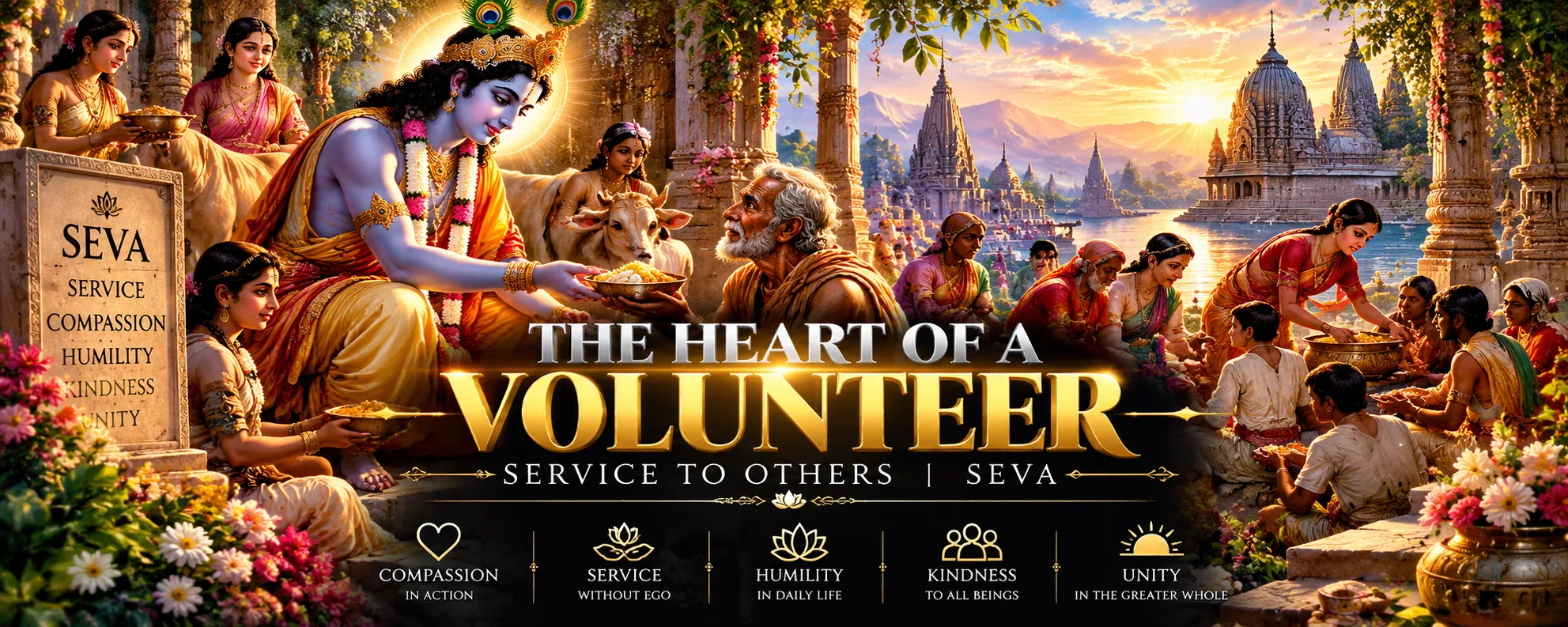




“How can we, as aging people, make our wisdom felt in the world? By embodying wisdom.” — Ram Dass
• Healthy Lifestyles Habits | OMAD & Intermittent Fasting
A healing, healthy lifestyle is the daily practice of consciously supporting the mind, body, and spirit. Rather than pursuing perfection or constantly chasing the newest wellness trend, the focus is on building simple habits that strengthen the foundation from which everything else flows. Nourishing food, regular movement, restorative sleep, time outdoors, sunlight, hydration, emotional well-being, meaningful relationships, and periods of genuine rest all contribute to greater energy, resilience, and vitality. Healthy lifestyle “hacks” are simply the practical choices and small adjustments that make these habits easier to incorporate into everyday life. The practice is to become increasingly aware of what strengthens you, what depletes you, and what your body may be asking for—and then make conscious choices accordingly.
Living this way is about far more than avoiding illness. Physical well-being supports our ability to remain present, clear, emotionally balanced, and fully engaged with life. Begin with what is sustainable: improve one meal, take the walk, protect your sleep, spend time in nature, strengthen your body, create space to recover, and pay attention to how different choices affect the way you feel and function. Over time, these seemingly small practices compound, creating a stronger foundation for healing, healthy aging, emotional resilience, and conscious growth. Caring for the body is not separate from the Path of Awakening; it is part of the practice of honoring and supporting the life through which that journey is experienced.
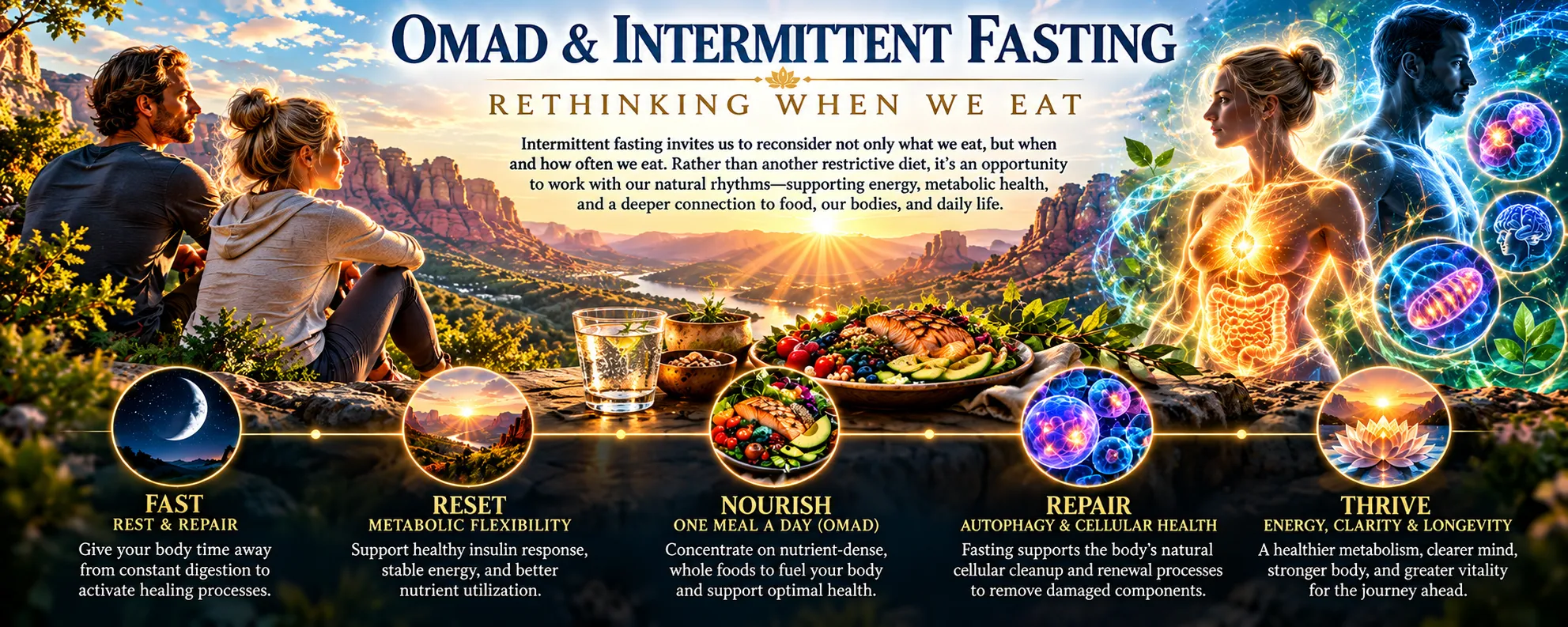
OMAD & INTERMITTENT FASTING | RETHINKING WHEN WE EAT
Intermittent fasting invites us to reconsider not only what we eat, but when and how often we eat. In a culture where food is available around the clock, structured periods without eating offer an opportunity to become more conscious of habitual snacking, hunger signals, meal timing, and the body’s natural rhythms. Approaches range from relatively gentle overnight fasting to time-restricted eating and One Meal a Day (OMAD), each creating a different balance between periods of nourishment and periods without food. Rather than treating fasting as another restrictive diet, the deeper practice is to understand how our eating patterns influence energy, metabolic health, and our relationship with food.
Research into intermittent fasting continues to explore its effects on blood sugar regulation, insulin sensitivity, body composition, inflammation, and metabolic function. During fasting, the body gradually shifts how it accesses and uses stored energy, while meal timing may also interact with circadian rhythms. OMAD represents a more concentrated version of this approach, but longer fasting periods are not automatically more beneficial. Individual needs, nutritional adequacy, activity levels, medications, and overall health all matter. The most useful question is not simply how long we can go without eating, but whether a particular approach supports sustainable nourishment, strength, and well-being.
From the perspective of conscious living, fasting is ultimately an invitation to greater awareness rather than greater restriction. It encourages us to recognize the difference between physical hunger and habitual eating, examine the quality of our food choices, and become more intentional about the routines that shape our health. For some, a consistent overnight fasting window may be enough; others may explore more structured approaches. Whatever the method, the goal remains the same: to build a healthier relationship with nourishment while supporting the body’s long-term vitality. Conscious eating is not about controlling the body through deprivation, but learning to work with its needs through greater understanding and discernment.
AWARENESS → INTENTION → NOURISHMENT → METABOLIC BALANCE → VITALITY



“Yesterday I was clever, so I wanted to change the world. Today I am wise, so I am changing myself.” — Rumi,
Coaching & Consulting
At Great Awakening Report, we are dedicated to supporting your journey toward truth and enlightenment through our specialized Coaching and Consulting services.
Join Our Team
Become part of our growing mission by sharing truth, creating impactful content, and helping expand global awareness. Together, we’re building a movement dedicated to elevating consciousness and empowering others.
Table of contents
Share This Report
Join the Discussion
Related Reports
Have questions?
At Great Awakening Report, we are dedicated to supporting your journey toward truth and enlightenment through our specialized Coaching and Consulting services.
Coaching Services: Our coaching programs are designed to guide you through personal awakening and transformation. We offer personalized sessions that focus on expanding consciousness, uncovering hidden truths, and fostering spiritual growth. Our experienced coaches provide the tools and insights necessary to navigate your path with clarity and confidence.
Consulting Services: For organizations and individuals seeking deeper understanding and strategic guidance, our consulting services offer expert analysis and solutions. We delve into areas such as global transitions, alternative news insights, and consciousness studies to provide comprehensive strategies tailored to your unique objectives.
Embark on a transformative journey with our Coaching and Consulting services, and unlock your highest potential. To learn more and schedule a session, visit our Coaching and Consulting pages.
Thank you
Thank you to our subscribers and readers for your continued support and dedication to truth and awakening. Your encouragement, engagement, and belief in our mission make everything we do possible. Together, we are expanding awareness and helping illuminate the path forward.
If you would like to further support the Great Awakening team and our ongoing efforts to share insight, knowledge, and truth, you can DONATE HERE.
With deep gratitude,
– Great Awakening Team
About the Author: Great Awakening Team

We are a community. We are cultural creatives and like minded people seeking the truth and focusing on disclosure, awakening and consciousness. Our focus is real news as researchers, reporters and truth seekers. We are here to teach, to spread the word, to serve and to help. We are a collective, a movement, free from all programing, not closed minded and not discriminatory. We are not political. We are not religious but we are spiritual. We study, research, and report on a wide range of subjects and topics, from the current geopolitical climate to health and wellness, from earth’s history to spiritual practices. We are forward thinkers and visionaries, we are guides for the transition as we usher in The Great Awakening.
THIS WEBSITE DOES NOT PROVIDE MEDICAL ADVICE: The information, including but not limited to text, graphics, images, and other material contained on this website, are for informational purposes only. No material on this site is intended to be a substitute for professional medical advice, diagnosis, or treatment. Always seek the advice of your physician or other qualified health care provider with any questions you may have regarding a medical condition or treatment and before undertaking a new health care regimen, and never disregard professional medical advice or delay in seeking it because of something you have read on this website.
DISCLAIMER: All statements, claims, views and opinions that appear anywhere on this site, whether stated as theories or absolute facts, are always presented by The Great Awakening Report (GAR) as unverified—and should be personally fact checked and discerned by you, the reader.Any opinions or statements herein presented are not necessarily promoted, endorsed, or agreed to by GAR, those who work with GAR, or those who read or subscribe to GAR.Any belief or conclusion gleaned from content on this site is solely the responsibility of you the reader to substantiate.Any actions taken by those who read material on this site are solely the responsibility of the acting party.You are encouraged to think for yourself and do your own research.Nothing on this site is meant to be believed without question or personal appraisal.
COPYRIGHT DISCLAIMER: Citation of articles and authors in this report does not imply ownership. Works and images presented here fall under Fair Use Section 107 and are used for commentary on globally significant newsworthy events. Under Section 107 of the Copyright Act 1976, allowance is made for fair use for purposes such as criticism, comment, news reporting, teaching, scholarship, and research.
COMMUNITY GUIDELINES DISCLAIMER: The points of view and purpose of this video is not to bully or harass anybody, but rather share that opinion and thoughts with other like-minded individuals curious about the subject.