

















Help Us Bypass Censorship. Share This.
Sign up to receive Our Weekly Briefing Newsletter
Begin your journey with weekly insights designed to expand awareness and ground you in truth. Our free tier gives you a powerful introduction without any commitment.
Understanding Emotional Sensitivity, Intuition & Conscious Awareness
“The greatest gift of an empath is not the ability to feel everything, but the wisdom to know what to carry, what to release, and how to remain open without losing oneself.” — Great Awakening Report
THE EMPATH — FEELING BEYOND THE SURFACE
Some people move through the world observing what happens around them, while others seem to experience life through an entirely different level of sensitivity. They notice the subtle change in someone’s voice, the unspoken tension between two people, or the emotional atmosphere of a room before a single word is exchanged. They may feel deeply affected by another person’s sadness, become unexpectedly overwhelmed in crowded environments, or experience a profound connection to nature, animals, music, and the emotions of those around them.
These individuals are often described as empaths, people whose sensitivity to the emotional experiences of others extends beyond ordinary expressions of sympathy or compassion. While empathy is a natural human capacity, those who identify as empaths frequently describe something more immersive. Rather than simply recognizing another person’s feelings, they may experience those emotions as though they were their own, sometimes without immediately understanding where the feelings originated.
For many, this heightened awareness begins early in life. A sensitive child may instinctively recognize tension within the family, become deeply distressed when others are suffering, or feel responsible for restoring harmony in an uncomfortable situation. Without an understanding of their sensitivity, these experiences can create confusion, particularly in environments where emotional expression is discouraged or dismissed. What others perceive as being overly sensitive may actually reflect a combination of deep emotional responsiveness, careful observation, and an unusually strong awareness of interpersonal dynamics.
Within consciousness-oriented traditions, the empath experience is often understood through an additional lens. Emotions are viewed not simply as private psychological events, but as expressions of the energetic and relational connections between human beings. From this perspective, an empath may be particularly receptive to the subtle emotional atmosphere surrounding individuals, groups, and environments. Whether understood through psychology, intuition, or spiritual interpretation, the underlying experience is familiar to many: feeling more than what is spoken and perceiving more than what is immediately visible.
Yet heightened sensitivity is not necessarily an indication of greater spiritual development, nor does it automatically provide an accurate understanding of another person’s inner world. Emotional awareness becomes most valuable when accompanied by discernment, self-understanding, and the humility to recognize that our perceptions are not always complete.
The deeper journey of the empath, therefore, is not simply learning to feel more. It is learning to understand the nature of that sensitivity and develop the awareness necessary to live with it consciously.
RECOGNIZING THE SIGNS OF AN EMPATH
Although no single set of characteristics defines every empath, people who identify with this experience often recognize recurring patterns throughout their lives. One of the most common is an unusually strong response to the emotional states of others. A conversation with someone experiencing grief, anger, or anxiety may leave a lasting emotional impression, while time spent with joyful, compassionate people can feel equally uplifting. The sensitivity itself is not limited to difficult emotions; beauty, kindness, love, and moments of genuine human connection may be experienced with extraordinary depth.
Many empaths describe being highly attuned to nonverbal communication. They notice changes in facial expression, posture, tone of voice, and behavior that others may overlook. They may recognize when someone’s words do not seem consistent with their emotional state or sense discomfort in an environment where everyone appears outwardly pleasant. This awareness can contribute to meaningful relationships, but it can also create uncertainty when an intuitive impression is mistaken for an established fact.
Another frequently reported characteristic is sensitivity to surroundings. Crowded shopping centers, noisy gatherings, emotionally charged conversations, and constant exposure to distressing news can become overwhelming. In contrast, natural environments often provide a sense of restoration. The quiet of a forest, the movement of water, the presence of animals, or simply spending time alone may allow an empath to regain emotional clarity and reconnect with their own internal rhythm.
Empaths are also frequently drawn toward helping others. They may become trusted confidants, natural listeners, caregivers, teachers, or individuals who instinctively recognize when someone needs encouragement. Their compassion can be deeply meaningful, particularly for people who feel unseen or misunderstood. However, this same inclination can lead to difficulty establishing limits, especially when helping becomes intertwined with a sense of personal responsibility for another person’s happiness or well-being.
Importantly, these characteristics are not exclusive to empaths. Introversion, heightened sensory sensitivity, anxiety, and experiences of prolonged stress can produce some similar responses. The purpose of recognizing these patterns is not to assign a permanent identity or place individuals into rigid categories. Rather, it is to encourage self-reflection and a greater understanding of how each person experiences and responds to the world.
Recognizing sensitivity is the beginning of awareness, not the completion of it. The more clearly we understand our emotional patterns, the more freedom we gain in deciding how to respond to them.

EMPATHY, INTUITION & THE LANGUAGE OF CONSCIOUSNESS
The relationship between empathy and intuition is one of the most fascinating dimensions of the empath experience. Empathy allows us to recognize and emotionally connect with the experiences of others, while intuition is often described as a form of understanding that emerges before conscious reasoning has fully identified its source. For an empath, these two capacities may seem closely intertwined, creating moments of awareness that feel immediate, instinctive, and difficult to explain.
Consider the experience of meeting someone for the first time and sensing that something is troubling them, despite their outward appearance. Perhaps a subtle hesitation in their voice, a change in expression, or an almost imperceptible shift in behavior communicates more than their words. The conscious mind may not immediately recognize these details, yet the resulting impression can feel surprisingly clear. What we call intuition may sometimes emerge from our ability to recognize patterns and emotional signals that have not yet entered conscious awareness.
For others, intuition carries a more expansive meaning. Throughout contemplative and spiritual traditions, human consciousness has been understood as extending beyond ordinary thought and sensory perception. Within these perspectives, emotional sensitivity may be associated with energetic awareness, interconnectedness, and the possibility that human beings perceive dimensions of experience not fully explained by conventional psychological models.
These interpretations remain matters of personal experience and spiritual exploration rather than established scientific conclusions. Nevertheless, they have become meaningful frameworks for many individuals seeking to understand their sensitivity and relationship with the larger world.
At GAR, we frequently return to the idea that consciousness involves more than accumulating information; it also involves developing awareness of how we perceive, interpret, and respond to experience. For the empath, this distinction is especially important. A strong emotional impression may contain valuable information, but it may also be influenced by personal history, expectations, unresolved experiences, or the emotional state of the observer.
This is where discernment becomes essential. Intuition is not strengthened by assuming every feeling represents an external truth. It develops through reflection, patience, and the willingness to distinguish between genuine insight and emotional projection. The question becomes not simply What am I sensing? but What might be influencing what I sense, and how can I respond with greater clarity?
As this awareness develops, sensitivity becomes less reactive and more intentional. Rather than being carried along by every emotional impression, the empath begins to recognize the space between perception and response. That space is where conscious choice becomes possible.
Related GAR Reading: INTUITION | THE QUIET LANGUAGE OF CONSCIOUSNESS — Exploring how to recognize intuition and distinguish it from fear, wishful thinking, and emotional noise.
THE WEIGHT OF FEELING EVERYTHING
While empathy can create extraordinary opportunities for connection, the experience of continually responding to the emotional states of others can become exhausting. Many empaths describe leaving social gatherings, family conversations, or demanding work environments feeling depleted, even when nothing particularly difficult appears to have happened. Their attention has been occupied not only by conversations and activities, but also by the emotional undercurrents surrounding them.
One explanation involves the cumulative demands of emotional processing. When an individual pays close attention to subtle changes in behavior, interpersonal tension, and the needs of others, social interactions can require considerable mental and emotional effort. Over time, the constant interpretation of these signals may contribute to fatigue, particularly when opportunities for quiet and recovery are limited.
For some, the deeper challenge involves an unconscious tendency to assume responsibility for other people’s emotional experiences. They may feel compelled to resolve disagreements, comfort distressed friends, or maintain harmony even when doing so requires suppressing their own needs. These patterns can develop early in life, especially when a child learns to monitor the emotional environment in order to anticipate conflict or preserve a sense of security.
As adults, these individuals may continue responding to discomfort by trying to fix whatever is happening around them. A friend’s sadness becomes a problem they must solve. A partner’s frustration becomes something they feel responsible for preventing. The suffering of strangers, amplified through news and social media, becomes another emotional burden to carry.
The modern information environment intensifies this challenge. Constant notifications, disturbing headlines, polarized discussions, and images of human suffering can create a nearly uninterrupted stream of emotional stimulation. For people who respond deeply to such material, the boundary between compassionate awareness and chronic overwhelm can become increasingly difficult to maintain.
There is also a subtler consequence. When attention is continually directed toward the emotional needs of others, individuals may gradually lose touch with their own feelings, desires, and priorities. They become so accustomed to asking what everyone else needs that they rarely consider what they themselves are experiencing.
Compassion was never intended to require the abandonment of oneself. We can recognize suffering without assuming responsibility for resolving every situation, and we can care deeply without carrying every emotional burden we encounter.
Understanding this distinction is one of the most important steps in transforming sensitivity from a source of exhaustion into a more balanced expression of empathy.

BOUNDARIES WITHOUT WALLS — PROTECTING YOUR ENERGY
For many empaths, the idea of establishing boundaries initially feels uncomfortable. Their natural inclination toward compassion may cause them to associate limits with rejection, selfishness, or emotional withdrawal. Yet healthy boundaries are not barriers against love or connection. They are the conditions that allow those qualities to remain sustainable.
A boundary begins with recognizing that another person’s emotions, choices, and circumstances do not automatically become our responsibility simply because we understand their suffering. We may offer support, encouragement, or practical assistance while still acknowledging that each individual has their own experiences, lessons, and decisions to navigate.
This understanding is closely connected to personal sovereignty. Emotional sovereignty does not mean becoming detached from humanity or indifferent to the experiences of others. It means retaining the ability to recognize our own internal state, make conscious choices, and determine how much of our attention and energy we can responsibly offer.
In everyday life, boundaries may involve limiting emotionally demanding conversations, declining commitments that exceed our capacity, or creating intentional periods of solitude after stimulating experiences. They may also require recognizing relationships in which compassion has gradually become obligation, and learning to communicate personal needs without guilt.
Grounding and restorative practices can support this process. Time in nature, gentle movement, meditation, breathwork, adequate sleep, and periods away from digital stimulation can help restore a sense of balance. For some, heart-centered meditation provides a particularly meaningful opportunity to slow the pace of thought, regulate breathing, and reconnect with a calmer internal state.
Within spiritual traditions, empaths may also use visualization and intention-setting practices to establish a sense of energetic protection. Imagining a field of light surrounding the body, visualizing roots extending into the earth, or consciously releasing the emotional experiences of the day can serve as symbolic reminders of personal boundaries. While claims that such practices physically block external emotional energy have not been established, the rituals themselves may offer a valuable opportunity for reflection, relaxation, and intentional transition.
The most important element is not the specific technique, but the awareness behind it. A person who continually sacrifices their own well-being cannot sustain meaningful service to others indefinitely. Rest, solitude, and emotional boundaries are not signs of diminished compassion; they are expressions of respect for the life and energy we have been given.
The goal is not to build walls that prevent us from feeling. It is to develop boundaries that allow us to remain open without becoming overwhelmed.
Related GAR Reading: Heart-Rhythm Meditation: Synchronizing Breath, Heart, And Higher Awareness — A heart-centered approach to breath, presence, and emotional balance.
FROM EMOTIONAL ABSORPTION TO CONSCIOUS AWARENESS
Perhaps the most significant transformation available to an empath is the movement from emotional absorption toward conscious awareness. It represents a fundamental change in how sensitivity is experienced, shifting from an automatic reaction to a more intentional relationship with emotions.
Emotional absorption occurs when another person’s feelings become so intertwined with our own experience that the distinction between them begins to disappear. We encounter someone who is anxious and suddenly feel anxious ourselves. We witness another person’s anger and carry that agitation into the remainder of our day. We may not even recognize the transition, only that our internal state has changed.
Conscious awareness introduces a different possibility. Rather than immediately identifying with every emotion that arises, we begin observing it. We notice the sensation, acknowledge its presence, and become curious about its origin without automatically accepting responsibility for it.
This is the essence of the observer perspective that we frequently explore at GAR. To observe an emotion is not to suppress it, deny it, or disconnect from the human experience. It is to recognize that we can experience a feeling without allowing that feeling to define our identity or determine our next action.
Imagine sitting with a friend who is experiencing profound sadness. An empath operating primarily through emotional absorption may leave the conversation carrying much of that sadness, feeling responsible for improving the situation or unable to separate their friend’s distress from their own. An empath practicing conscious awareness may feel the same compassion and emotional connection, yet remain grounded enough to offer genuine presence without becoming consumed by the experience.
The difference is not the amount of love or concern being expressed. It is the relationship between compassion and self-awareness.
Developing this capacity requires practice. When an intense emotion arises, we can pause long enough to ask whether it reflects our own circumstances, an emotional response to someone else’s experience, or perhaps a combination of both. We can notice how the feeling manifests in the body, allow it to move through our awareness, and resist the immediate impulse to react or resolve it.
This process also invites a deeper examination of our own emotional patterns. Not every uncomfortable feeling originates outside us, and attributing all distress to another person’s energy can prevent meaningful self-understanding. Sometimes an interaction reveals an unresolved fear, an old memory, or a personal boundary that requires attention. Conscious awareness allows us to approach these discoveries with curiosity rather than judgment.
Over time, the empath may begin to experience sensitivity differently. Emotional impressions become information to consider rather than commands to obey. Compassion becomes a conscious expression of care rather than an automatic assumption of responsibility. Intuition becomes something to explore with discernment rather than follow without question.
There is a profound freedom in recognizing that we do not have to become every emotion we encounter. We can witness anger without becoming angry, acknowledge fear without allowing it to govern our decisions, and remain present with suffering without losing our own center.
The evolution of the empath is not from sensitivity to detachment, but from unconscious absorption to conscious compassion.

THE EMPATH & COLLECTIVE CONSCIOUSNESS — THE GIFT OF FEELING DEEPLY
As individuals become more conscious of their emotional responses, the benefits extend beyond their personal well-being. Our relationships, families, workplaces, and communities are continually shaped by the ways we communicate, respond to conflict, and influence one another. Emotions can spread through social interactions, but so can calm, kindness, understanding, and thoughtful behavior.
Within the broader exploration of collective consciousness, this interconnectedness takes on particular significance. Many spiritual and philosophical traditions suggest that individual awareness contributes to a larger field of human experience. While interpretations of a shared consciousness vary and remain subjects of philosophical and spiritual inquiry, the everyday influence of human relationships is undeniable. The way we treat one another shapes the emotional and social environments in which we live.
Empaths may have a meaningful role within this process, not because they possess an obligation to heal the world, but because their sensitivity can encourage greater awareness of suffering, connection, and the needs of others. When accompanied by discernment and healthy boundaries, these qualities can support compassionate leadership, creative expression, community building, and more thoughtful relationships.
Yet sensitivity alone is not sufficient. An individual who absorbs every expression of fear, anger, or division may unintentionally become another participant in the very emotional patterns they hope to transform. Conscious compassion requires the ability to remain grounded when circumstances become difficult, to listen without immediately reacting, and to recognize our shared humanity even when perspectives differ.
This is particularly relevant in a world where division is frequently amplified through political conflict, social conditioning, institutional messaging, and increasingly sophisticated digital systems designed to capture attention and influence behavior. Emotional reactions can be powerful drivers of engagement, often encouraging fear, outrage, and tribal identification at the expense of reflection and understanding.
For the conscious empath, awareness of these influences becomes an important expression of personal sovereignty. The ability to recognize emotional manipulation, question reactive narratives, and respond from a place of clarity helps preserve independent thought while maintaining compassion for others.
Collective consciousness does not require everyone to think alike, share identical beliefs, or experience the world through the same level of sensitivity. Its greatest potential may lie in our ability to recognize our interconnectedness while respecting individuality, freedom of choice, and the different paths through which human beings develop awareness.
In this sense, the empath’s contribution is not measured by how much suffering they can absorb, but by the quality of presence they bring into the world. A calm conversation, a compassionate response, an act of kindness, or the willingness to listen without judgment may seem insignificant against the scale of global challenges. Yet these everyday choices shape the relationships and communities through which broader cultural change becomes possible.
There is also an important lesson in allowing others to follow their own journeys. Compassion does not require convincing everyone to see what we see, believe what we believe, or reach the same conclusions at the same time. True empathy honors the sovereignty of another individual, including their freedom to learn, question, struggle, and discover understanding through their own experiences.
CLOSING REFLECTIONS | THE WISDOM OF FEELING DEEPLY
For those who have spent much of their lives feeling overwhelmed by the emotions of others, discovering the language of empathy can bring a profound sense of recognition. Experiences once interpreted as weakness or excessive sensitivity may begin to reveal a different possibility: that emotional depth, when understood and cultivated, can become a meaningful source of connection, creativity, and compassion.
But the greatest growth does not come from identifying as an empath. It comes from learning how to live consciously with the sensitivity we possess, recognizing when to offer support, when to establish boundaries, when to examine our own emotional responses, and when to simply allow another person the dignity of their own experience.
Perhaps the deeper invitation is not to feel everything more intensely, but to become more aware of what our feelings are teaching us. To remain compassionate without becoming consumed. To recognize suffering without surrendering our own peace. To understand that protecting our emotional well-being does not diminish our capacity to love, but allows that love to remain genuine and sustainable.
In a world often driven by reaction, distraction, and division, the ability to remain openhearted while grounded in conscious awareness is a meaningful strength.
The gift of feeling deeply is not found in carrying the weight of the world. It is found in bringing greater understanding, compassion, and conscious presence into the part of the world we touch.
Keep exploring on GAR



Frequently Asked Questions
What is an empath?
An empath is someone who experiences a particularly strong sensitivity to the emotions and emotional states of others. People who identify as empaths often describe sensing subtle emotional changes, feeling deeply affected by interpersonal interactions, and requiring periods of solitude to restore balance. The term is commonly used in personal development and spiritual communities rather than as a formal clinical classification.
How can I tell if I am an empath?
Common experiences include strong emotional responsiveness, heightened awareness of other people’s moods, sensitivity to crowded or emotionally intense environments, deep compassion, and a recurring need for quiet reflection. These characteristics can overlap with other personality traits and experiences, so self-understanding is more valuable than relying on a single label.
What is the difference between empathy and intuition?
Empathy involves recognizing and connecting with the emotions of others, while intuition describes an impression or understanding that emerges without immediately apparent conscious reasoning. The two may interact, but an intuitive feeling should not automatically be treated as an accurate assessment of another person’s emotions or intentions.
How can empaths protect their energy?
Healthy boundaries, restorative solitude, time in nature, meditation, breathwork, and conscious emotional awareness can help sensitive individuals maintain balance. Some also find visualization and spiritual grounding practices meaningful. The central principle is learning to remain compassionate without assuming responsibility for every emotion or circumstance encountered.
Can an empath learn to stop absorbing other people’s emotions?
People can develop greater awareness of emotional responses and practice distinguishing their own feelings from reactions to others. Mindfulness, self-reflection, boundaries, and emotional regulation can help transform automatic reactions into more conscious choices. Persistent emotional overwhelm may also benefit from professional support.
What role do empaths play in collective consciousness?
From a consciousness-oriented perspective, empaths may contribute through compassion, emotional awareness, and the ability to encourage meaningful human connection. Their greatest contribution comes not from absorbing the suffering of others, but from expressing empathy through grounded, thoughtful, and conscious action.
Where to Go From Here
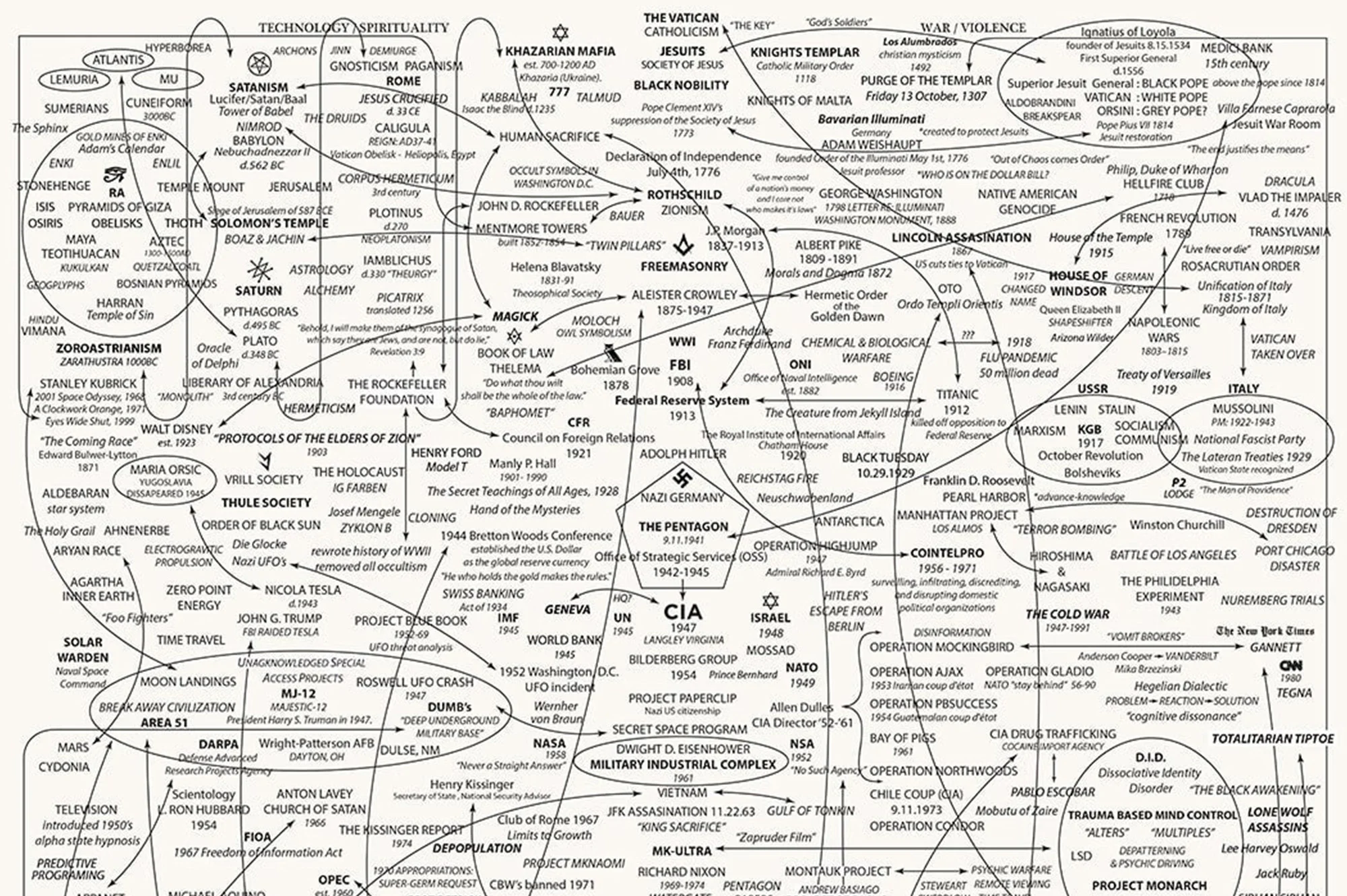
If you feel things deeply and want steady, grounded guidance, start with our free Truth Seekers Weekly Briefing. It arrives once a week with recently published reports, conscious practices and the threads we are following. The free Great Awakening Map PDF is a good companion, too, and you can browse the full collection of GAR maps any time.
Premium members get our Special Reports on consciousness and inner practice, every Weekly and Monthly Report, and the full Truth Seeker archive. If you want to see what is behind the paywall first, compare the Standard and Premium plans, or start the 30-day Premium trial and decide after a month of reading.
Sign up to receive Our Weekly Briefing Newsletter
Begin your journey with weekly insights designed to expand awareness and ground you in truth. Our free tier gives you a powerful introduction without any commitment.
STOP DROWNING IN THE NOISE. START SEEING THE TRUTH. Join thousands of truth seekers. Get the essential intelligence, alternative news, and disclosure updates that the mainstream media won’t touch.
Latest Reports
 Weekly ReportAwakening The Sleeping Giant · November 2nd EditionNovember 2, 2026
 Monthly Report• November 2026 • Volume IX • Chapter XINovember 2, 2026
 Weekly ReportAwakening The Sleeping Giant · October 26th EditionOctober 26, 2026
 Weekly ReportAwakening The Sleeping Giant · October 19th EditionOctober 19, 2026View all weekly reports
Special Reports
 Special ReportThe Next Plandemic, The Bird Flu VirusNovember 5, 2026
 Special ReportThe Great Exodus, California On The ThresholdOctober 20, 2026
 Special ReportThe Sovereign Household: How to Prepare for Economic CollapseOctober 14, 2026
 Special ReportTHE AWAKENING JOURNEY: Hero’s Journey Part II · Week 1October 3, 2026View all special reports
Help Us Bypass Censorship. Share This.
Join the Discussion
Related Posts



Have questions?
At Great Awakening Report, we are dedicated to supporting your journey toward truth and enlightenment through our specialized Coaching and Consulting services.
Coaching Services: Our coaching programs are designed to guide you through personal awakening and transformation. We offer personalized sessions that focus on expanding consciousness, uncovering hidden truths, and fostering spiritual growth. Our experienced coaches provide the tools and insights necessary to navigate your path with clarity and confidence.
Consulting Services: For organizations and individuals seeking deeper understanding and strategic guidance, our consulting services offer expert analysis and solutions. We delve into areas such as global transitions, alternative news insights, and consciousness studies to provide comprehensive strategies tailored to your unique objectives.
Embark on a transformative journey with our Coaching and Consulting services, and unlock your highest potential. To learn more and schedule a session, visit our Coaching and Consulting pages.
Thank you
Thank you to our subscribers and readers for your continued support and dedication to truth and awakening. Your encouragement, engagement, and belief in our mission make everything we do possible. Together, we are expanding awareness and helping illuminate the path forward.
If you would like to further support the Great Awakening team and our ongoing efforts to share insight, knowledge, and truth, you can DONATE HERE.
With deep gratitude,
– Great Awakening Team
About the Author: Great Awakening Team

DISCLAIMER: All statements, claims, views and opinions that appear anywhere on this site, whether stated as theories or absolute facts, are always presented by The Great Awakening Report (GAR) as unverified—and should be personally fact checked and discerned by you, the reader.Any opinions or statements herein presented are not necessarily promoted, endorsed, or agreed to by GAR, those who work with GAR, or those who read or subscribe to GAR.Any belief or conclusion gleaned from content on this site is solely the responsibility of you the reader to substantiate.Any actions taken by those who read material on this site are solely the responsibility of the acting party.You are encouraged to think for yourself and do your own research.Nothing on this site is meant to be believed without question or personal appraisal.
COPYRIGHT DISCLAIMER: Citation of articles and authors in this report does not imply ownership. Works and images presented here fall under Fair Use Section 107 and are used for commentary on globally significant newsworthy events. Under Section 107 of the Copyright Act 1976, allowance is made for fair use for purposes such as criticism, comment, news reporting, teaching, scholarship, and research.
COMMUNITY GUIDELINES DISCLAIMER: The points of view and purpose of this video is not to bully or harass anybody, but rather share that opinion and thoughts with other like-minded individuals curious about the subject.