








Help Us Bypass Censorship. Share This.
Sign up to receive Our Weekly Briefing Newsletter
Begin your journey with weekly insights designed to expand awareness and ground you in truth. Our free tier gives you a powerful introduction without any commitment.
Embracing Lunar Cycles, Conscious Reflection & the Power of Letting Go
“The moon reminds us that life moves in cycles, and every ending carries the possibility of a new beginning.” — Great Awakening Report
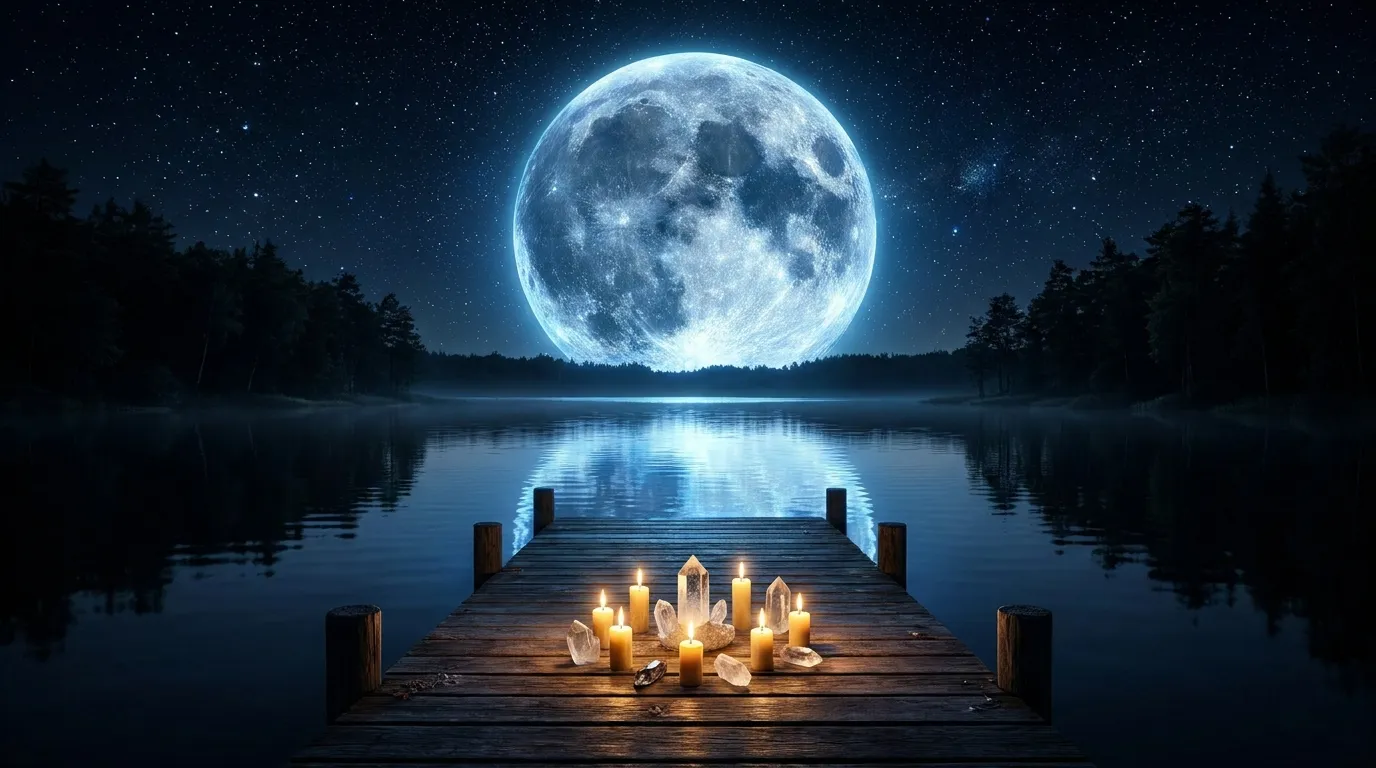
For thousands of years, humanity has looked toward the full moon as a symbol of illumination, completion, and renewal. Across cultures and spiritual traditions, its appearance has inspired gatherings, ceremonies, reflection, and an awareness of the natural rhythms connecting our lives to the world around us.
A full moon ritual is a simple, intentional practice of reflection, gratitude, and release, traditionally observed when the moon reaches its fullest phase. It offers an opportunity to acknowledge what has unfolded, recognize what no longer serves us, and consciously create space for what comes next.
There is no need for elaborate ceremonies, special equipment, or particular spiritual beliefs. A candle, a journal, and a quiet moment of reflection may be all that is needed. Whether approached as a sacred practice or a monthly opportunity for personal renewal, the full moon offers a meaningful reminder to pause, reconnect, and move forward with greater clarity.
WHAT IS A FULL MOON RITUAL?
A full moon ritual is an intentional practice performed around the time of the full moon, often centered on reflection, gratitude, emotional release, and personal renewal. For some, it carries spiritual or ceremonial significance. For others, it serves as a natural monthly checkpoint—a moment to step away from everyday demands and consider what has changed, what has been learned, and what deserves attention.
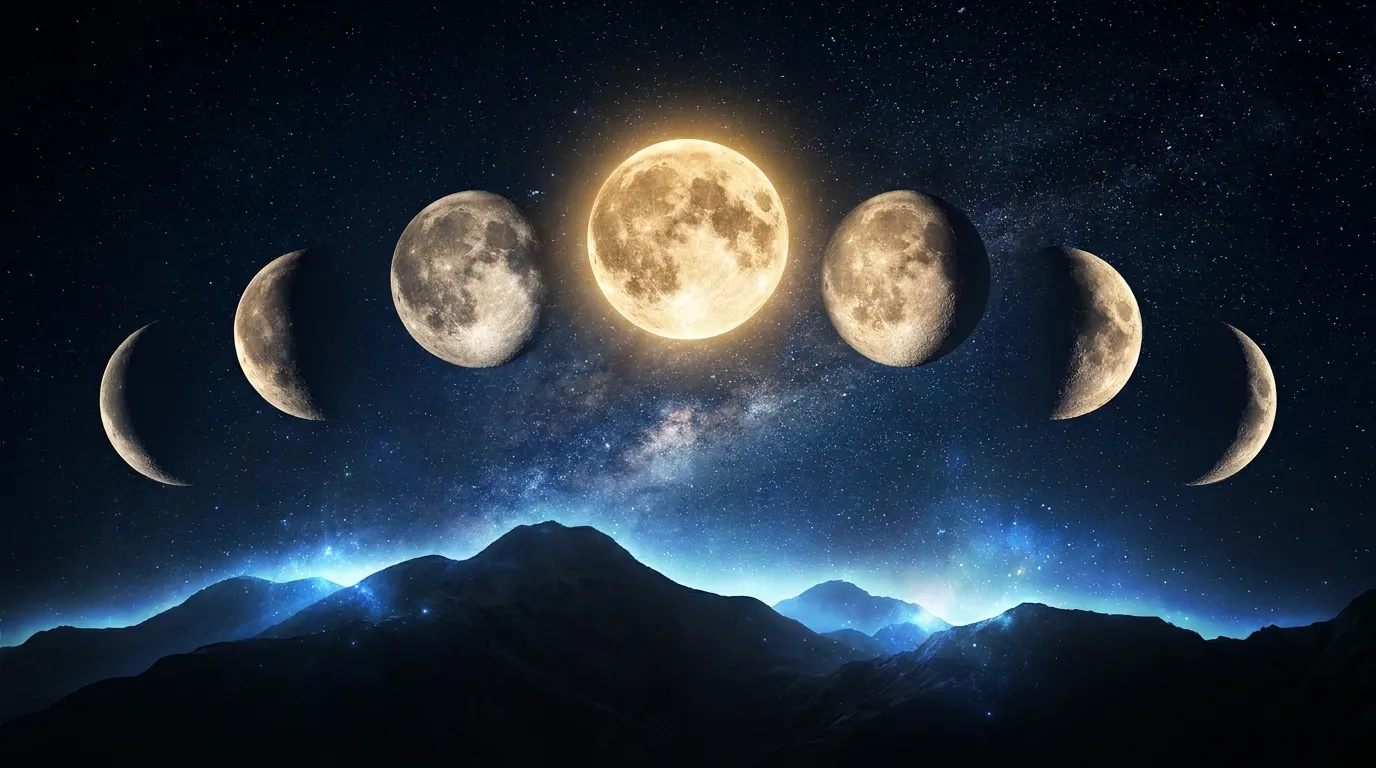
In many contemporary spiritual traditions, the lunar cycle represents a continuing process of growth and transformation. The new moon symbolizes beginnings and the planting of intentions, while the full moon represents illumination, completion, and the opportunity to release patterns, emotions, or commitments that no longer align with our direction.
The beauty of a full moon ritual lies in its simplicity and personal meaning. Most practices include creating a peaceful environment, setting an intention, reflecting through meditation or journaling, performing a symbolic act of release, and closing with gratitude. There is no single correct approach. What matters is the awareness and sincerity we bring to the experience.
WHY THE FULL MOON HAS MATTERED FOR THOUSANDS OF YEARS
Long before artificial lighting transformed the nighttime landscape, the full moon played an important role in human civilization. Its illumination supported nighttime travel, agricultural activities, and community gatherings, while its predictable cycles helped shape some of humanity’s earliest calendars. Even the word month shares its linguistic origins with the moon.
Across cultures, lunar phases became associated with spiritual observances, seasonal celebrations, and the passage of time. In Theravada Buddhism, full moon days are recognized as Uposatha observances, encouraging renewed spiritual practice. Vesak, commemorating significant events in the Buddha’s life, is also traditionally associated with a full moon. In Hindu traditions, each full moon, known as Purnima, carries particular significance, with celebrations such as Holi connected to the lunar calendar.
Other traditions reflect this enduring relationship. Passover begins on the fifteenth day of the Jewish month of Nisan, near the full moon, while the Christian calculation of Easter follows the ecclesiastical paschal full moon. Across China and other parts of Asia, the Mid-Autumn Festival celebrates the full moon through family gatherings, gratitude, and shared traditions.
Although these observances differ in meaning and practice, they reveal a common human impulse: to recognize the passage of time, honor life’s changing seasons, and find meaning within the rhythms of nature.
FULL MOON NAMES AND THE LUNAR CYCLE
Astronomically, a full moon occurs when Earth is positioned approximately between the sun and moon, allowing the moon’s Earth-facing hemisphere to appear fully illuminated. The complete cycle from one full moon to the next, known as a synodic month, lasts approximately 29.5 days. Most calendar years contain twelve full moons, although some include thirteen.
Throughout North America, traditional full moon names have become familiar through almanacs and cultural storytelling. Drawing from various Indigenous, colonial, and European traditions, names such as the Wolf Moon, Snow Moon, Pink Moon, Strawberry Moon, Harvest Moon, and Beaver Moon reflect seasonal changes, agricultural rhythms, and observations of the natural world. These names are not universal, but they preserve a meaningful connection between lunar cycles and the changing landscape.
The next full moon arrives on Tuesday, November 24, 2026, traditionally known as the Beaver Moon. It is also considered a supermoon, occurring when the moon is relatively close to Earth and may appear slightly larger and brighter than an average full moon. The evenings of November 23 and 24 offer opportunities to observe it, weather permitting.
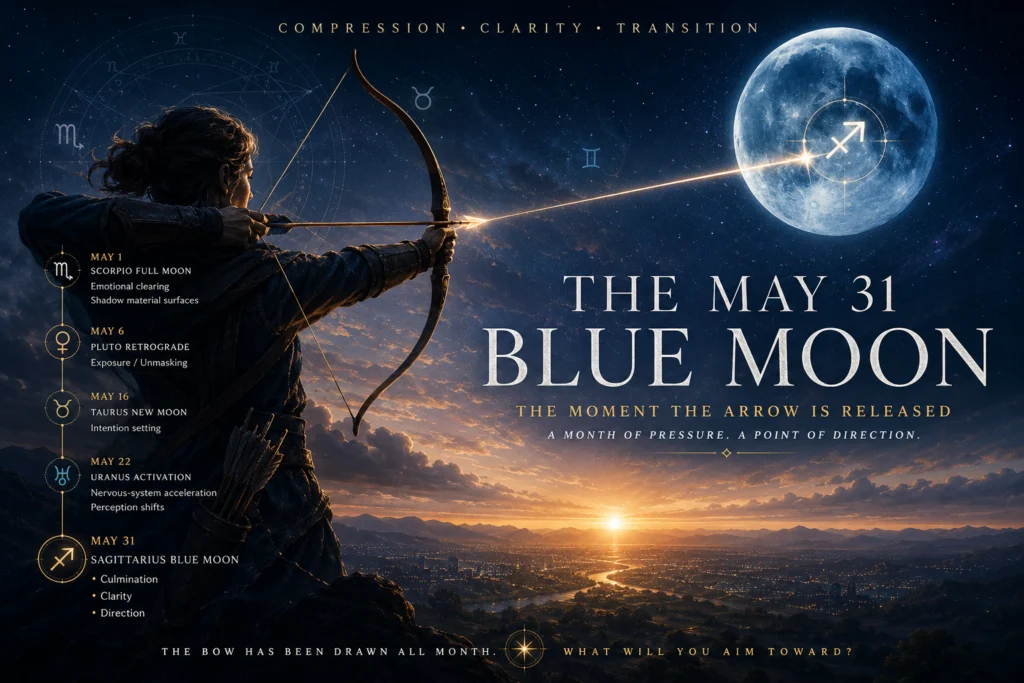
December’s Cold Moon follows on December 23, continuing the annual rhythm of lunar observances. Earlier this year, the unusual occurrence of a second full moon in May was explored in GAR’s article on the May 31 Blue Moon.
WHAT SCIENCE SAYS ABOUT THE FULL MOON
For centuries, people have associated the full moon with changes in human emotions, behavior, and awareness. Stories of heightened activity during full moons remain common among healthcare workers, educators, and emergency responders. However, scientific investigations into crime, hospital admissions, and behavioral disturbances have generally found little consistent evidence supporting these popular associations.
Sleep research presents a more interesting picture. A 2021 study published in Science Advances, examining participants in rural Argentina and university students in Seattle, observed that sleep patterns shifted in the days preceding a full moon. Participants tended to fall asleep later and experience shorter sleep duration, suggesting that lunar illumination or other environmental rhythms may influence sleep under certain conditions.
The moon’s gravitational influence also produces Earth’s ocean tides, although this does not establish comparable effects on human emotions or consciousness.
From a broader perspective, the value of a full moon ritual does not depend upon demonstrating a direct physical influence from the moon. Intentional reflection, mindfulness, gratitude, and conscious decision-making can be meaningful practices in their own right. The lunar cycle simply provides a visible, recurring invitation to engage with them.
Perhaps the most important question is not whether the moon changes us, but whether its presence encourages us to become more aware of the changes already taking place within our lives.
HOW TO DO A SIMPLE FULL MOON RITUAL
Creating a full moon ritual can be as uncomplicated as setting aside twenty or thirty minutes for quiet reflection. The intention is not to perform a perfect ceremony, but to create a meaningful pause in the familiar rhythm of everyday life.
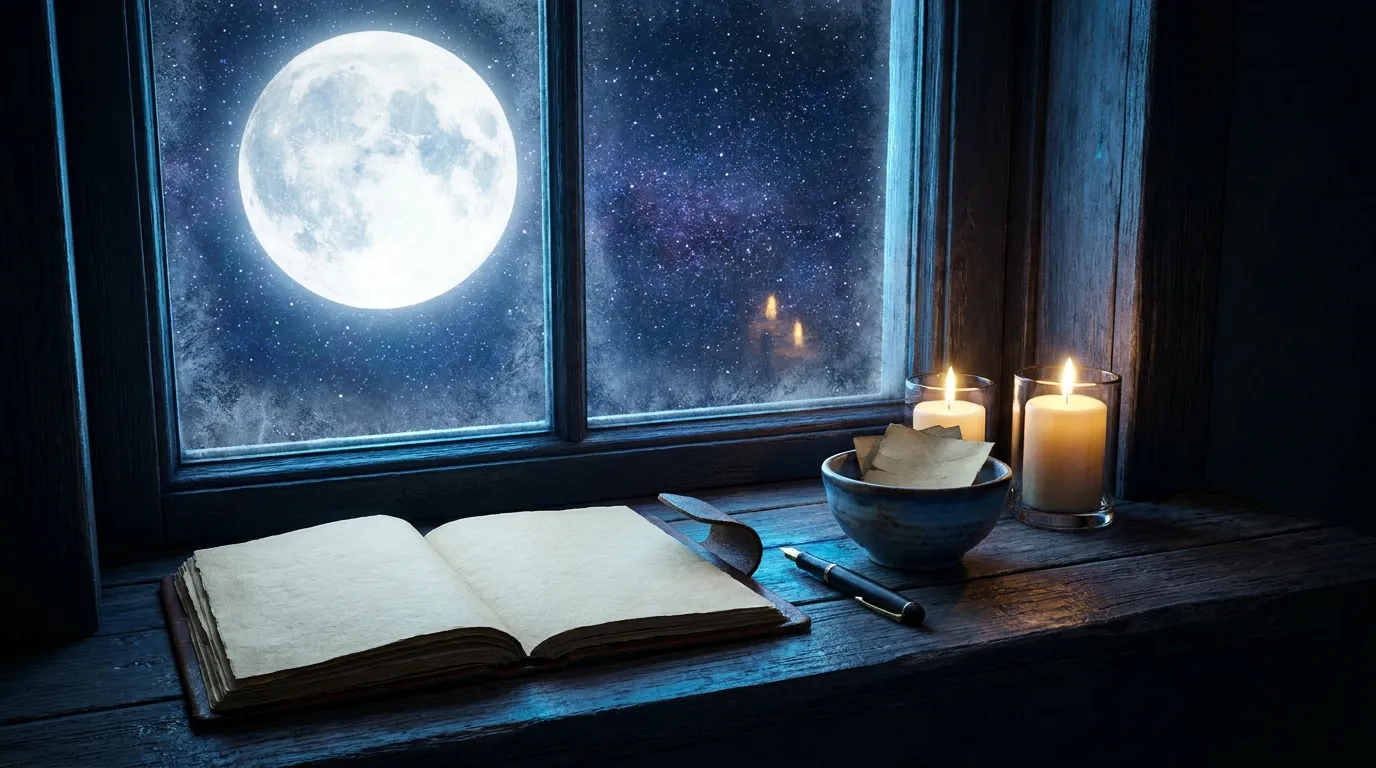
Begin by creating a peaceful space. Choose somewhere comfortable, whether outdoors beneath the moonlight or indoors near a window. Silence your phone, light a candle if desired, and take several slow, intentional breaths. Allow your attention to settle into the present moment, releasing the need to accomplish anything beyond simply being there.
Reflect on the cycle that is completing. Consider the experiences, relationships, challenges, and opportunities that have emerged since the previous full moon. What has changed? What have you learned? What are you grateful for? What patterns or expectations might be preventing you from moving forward? Writing these reflections in a journal can help bring clarity to thoughts and emotions that often remain beneath everyday awareness.
Choose what you are ready to release. This might be an old belief, an unnecessary obligation, a recurring worry, or an emotional response that no longer supports your well-being. Write one or two intentions on separate pieces of paper. You may tear them up or simply fold them away as a symbolic gesture. If you choose to burn paper, use appropriate fire precautions and follow local restrictions. As you release each intention, quietly acknowledge what the experience has taught you.
A simple affirmation might be:
“I release what no longer serves my highest good, with gratitude for the lessons it has brought into my life.”
Close with gratitude and renewed intention. Identify three things you appreciate, allowing yourself to recognize the progress, relationships, and opportunities already present. Then consider one small, practical action that supports the changes you wish to make during the coming weeks.
This final step is especially important. Releasing an old pattern becomes more meaningful when accompanied by a conscious choice to live differently. GAR’s exploration of intuition as the quiet language of consciousness offers additional perspective on recognizing what deserves our attention and what may be ready to fall away.
MOON WATER, CRYSTALS AND OTHER FULL MOON TRADITIONS
Beyond journaling and meditation, many contemporary spiritual practices incorporate symbolic elements associated with the full moon. These traditions can provide additional opportunities for intention-setting, mindfulness, and personal expression.
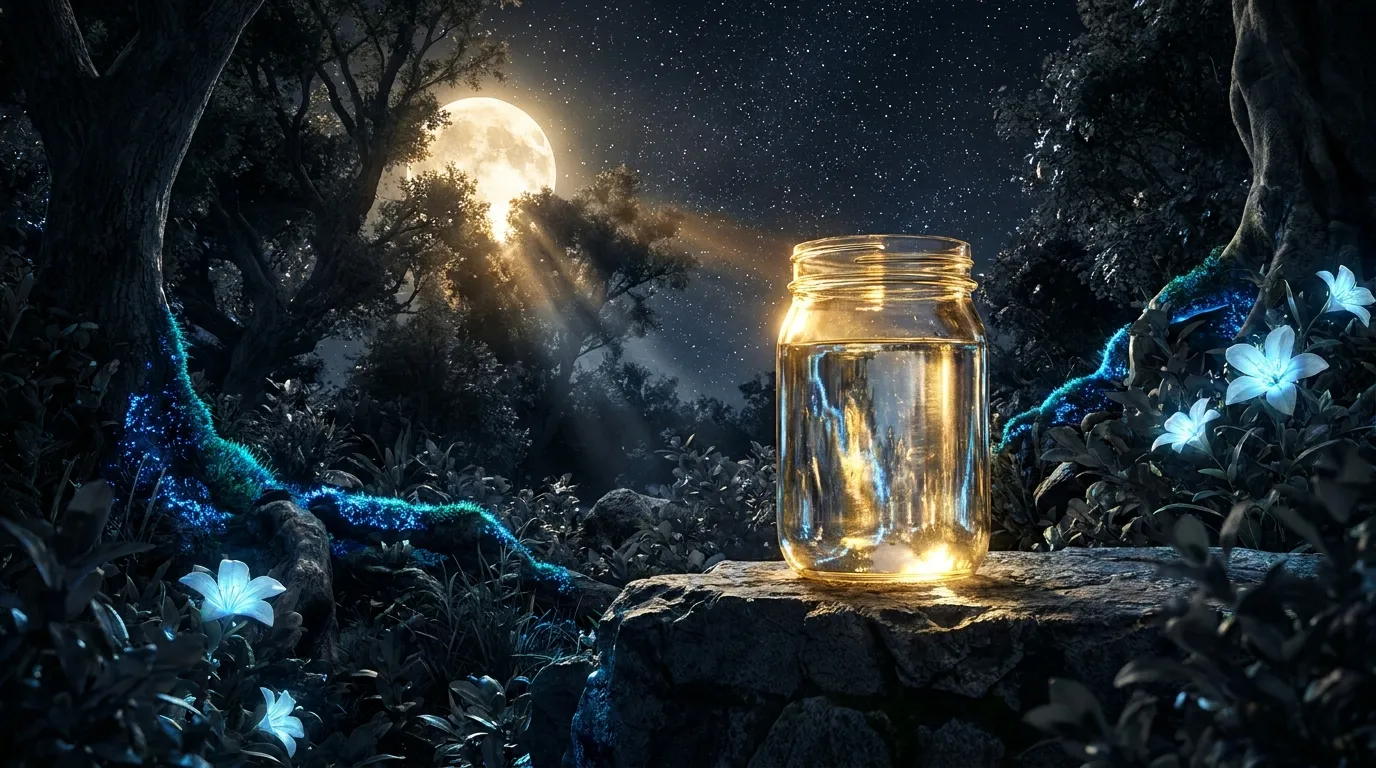
One popular practice is preparing moon water. A clean glass jar is filled with water, accompanied by a personal intention, and placed outdoors or near a window overnight. The water may later be used for watering plants, bathing, or other symbolic purposes. If intended for drinking, it should be prepared and stored according to ordinary drinking-water safety practices.
Crystals are also commonly placed beneath the moonlight as part of symbolic cleansing or intention-setting rituals. Others prefer refreshing their living spaces, opening windows, practicing breathwork, or gathering with friends for shared meditation and reflection.
These customs are best understood as personal or spiritual practices rather than scientifically established methods of transferring lunar energy. Their significance comes from the intention, meaning, and attention individuals bring to them.
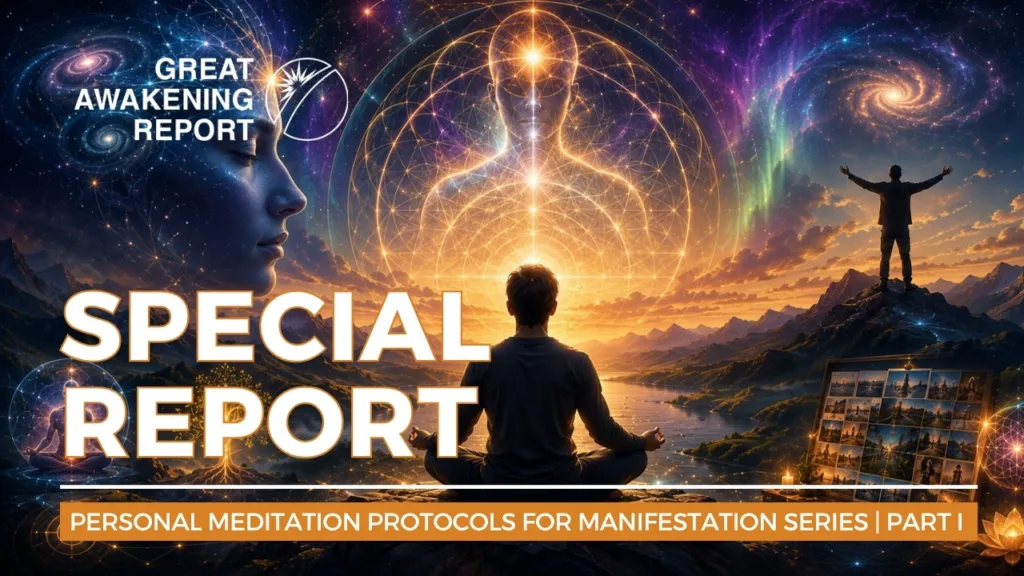
For those who prefer a quieter experience, simply sitting beneath the moon for ten minutes while practicing mindful breathing can be equally meaningful. GAR’s Special Report on personal meditation protocols offers additional approaches that can complement a monthly lunar practice.
KEEPING YOUR FULL MOON RITUAL GROUNDED
Perhaps the most valuable aspect of a full moon ritual is its ability to bring greater awareness into ordinary life. It does not require elaborate preparation, spiritual expertise, or the expectation of extraordinary experiences. Its purpose is simply to create space for reflection, appreciation, and intentional change.
There is also no need to approach the practice with rigid expectations. Some months may bring profound realizations, while others offer nothing more than a peaceful evening beneath the night sky. Both experiences have value. Consciousness develops through consistency and presence, not through pressure to achieve a particular outcome.
Symbolic release can support emotional reflection, but meaningful change also requires practical choices. Letting go of financial anxiety may begin with acknowledging the emotion, but it can continue through thoughtful planning. Releasing an unhealthy pattern may involve a quiet intention followed by a different decision the next morning. Personal rituals become especially valuable when their insights find expression in daily life.
Over time, returning to this monthly practice may help us recognize patterns, appreciate progress, and develop a deeper relationship with the natural rhythms surrounding us. These larger patterns of growth and transformation are also explored in GAR’s reflection on cycles within cycles.
The full moon offers no demand that we change, release, or become anything other than who we are in the present moment. It simply returns, month after month, illuminating the night and inviting us to notice what may have changed since its last appearance.
And perhaps that is the quiet gift of the lunar cycle: a recurring opportunity to honor where we have been, release what we no longer need, and move forward with greater clarity, gratitude, and intention.
Frequently Asked Questions
What do you do during a full moon ritual?
A full moon ritual typically includes creating a peaceful space, lighting a candle, practicing mindful breathing, and reflecting on what you are grateful for and ready to release. Journaling, meditation, setting intentions, and closing with gratitude are common elements. Some people also incorporate moon water, crystals, or quiet reflection beneath the moonlight.
When is the next full moon?
The next full moon is the Beaver Moon on Tuesday, November 24, 2026, with November 23 and 24 offering opportunities for evening viewing, weather permitting. It is also considered a supermoon, appearing slightly larger and brighter than an average full moon. The December Cold Moon follows on December 23, 2026.
Do I have to do a full moon ritual on the exact night?
No. The moon appears nearly full for approximately a day on either side of its peak, making the evenings before and after suitable for a ritual. The most important elements are your intention, presence, and willingness to reflect, rather than observing a precise astronomical moment.
What should I release on a full moon?
Common intentions include releasing limiting beliefs, lingering resentments, unnecessary fears, unhealthy habits, emotional burdens, or commitments that no longer align with your personal growth. Choose one or two meaningful areas of focus and consider a practical step that supports lasting change.
Does the full moon really affect people?
Scientific research has produced mixed findings regarding lunar influences on human behavior. A 2021 study published in Science Advances identified changes in sleep timing and duration in the days preceding a full moon, while broader claims involving emotional disturbances or unusual behavior lack consistent scientific support. Regardless of direct lunar effects, full moon rituals can provide meaningful opportunities for mindfulness, gratitude, and conscious reflection.
Where to Go From Here
If you want a steady rhythm for your practice, start with our free Truth Seekers Weekly Briefing. It arrives once a week with recently published reports, conscious practices and the threads we are following. The free Great Awakening Map PDF is a good companion, and you can browse the full collection of GAR maps any time.
Premium members get our conscious practice and meditation Special Reports, every Weekly and Monthly Report, and the full Truth Seeker archive. To see exactly what each membership includes, compare the Standard and Premium plans and pick the one that fits how you like to read.
Sign up to receive Our Weekly Briefing Newsletter
Begin your journey with weekly insights designed to expand awareness and ground you in truth. Our free tier gives you a powerful introduction without any commitment.
STOP DROWNING IN THE NOISE. START SEEING THE TRUTH. Join thousands of truth seekers. Get the essential intelligence, alternative news, and disclosure updates that the mainstream media won’t touch.
Latest Reports
 Weekly ReportAwakening The Sleeping Giant · November 16th EditionNovember 16, 2026
 Weekly ReportTruth Seekers Weekly Briefings · Master Class Connecting The Dots · November 13th EditionNovember 14, 2026
 Weekly ReportAwakening The Sleeping Giant · November 9th EditionNovember 9, 2026
 Weekly ReportAwakening The Sleeping Giant · November 2nd EditionNovember 2, 2026View all weekly reports
Special Reports
 Special Report2026 THANKSGIVING EDITION · A SEASON OF GRATITUDE, Light & LoveNovember 19, 2026
 Special ReportGlobal Everything Collapse · Crossing The Threshold · Part IIINovember 6, 2026
 Special ReportThe Next Plandemic, The Bird Flu VirusNovember 5, 2026
 Special ReportThe Great Exodus, California On The ThresholdOctober 20, 2026View all special reports
Help Us Bypass Censorship. Share This.
Join the Discussion
Related Posts


Have questions?
At Great Awakening Report, we are dedicated to supporting your journey toward truth and enlightenment through our specialized Coaching and Consulting services.
Coaching Services: Our coaching programs are designed to guide you through personal awakening and transformation. We offer personalized sessions that focus on expanding consciousness, uncovering hidden truths, and fostering spiritual growth. Our experienced coaches provide the tools and insights necessary to navigate your path with clarity and confidence.
Consulting Services: For organizations and individuals seeking deeper understanding and strategic guidance, our consulting services offer expert analysis and solutions. We delve into areas such as global transitions, alternative news insights, and consciousness studies to provide comprehensive strategies tailored to your unique objectives.
Embark on a transformative journey with our Coaching and Consulting services, and unlock your highest potential. To learn more and schedule a session, visit our Coaching and Consulting pages.
Thank you
Thank you to our subscribers and readers for your continued support and dedication to truth and awakening. Your encouragement, engagement, and belief in our mission make everything we do possible. Together, we are expanding awareness and helping illuminate the path forward.
If you would like to further support the Great Awakening team and our ongoing efforts to share insight, knowledge, and truth, you can DONATE HERE.
With deep gratitude,
– Great Awakening Team
About the Author: Great Awakening Team

DISCLAIMER: All statements, claims, views and opinions that appear anywhere on this site, whether stated as theories or absolute facts, are always presented by The Great Awakening Report (GAR) as unverified—and should be personally fact checked and discerned by you, the reader.Any opinions or statements herein presented are not necessarily promoted, endorsed, or agreed to by GAR, those who work with GAR, or those who read or subscribe to GAR.Any belief or conclusion gleaned from content on this site is solely the responsibility of you the reader to substantiate.Any actions taken by those who read material on this site are solely the responsibility of the acting party.You are encouraged to think for yourself and do your own research.Nothing on this site is meant to be believed without question or personal appraisal.
COPYRIGHT DISCLAIMER: Citation of articles and authors in this report does not imply ownership. Works and images presented here fall under Fair Use Section 107 and are used for commentary on globally significant newsworthy events. Under Section 107 of the Copyright Act 1976, allowance is made for fair use for purposes such as criticism, comment, news reporting, teaching, scholarship, and research.
COMMUNITY GUIDELINES DISCLAIMER: The points of view and purpose of this video is not to bully or harass anybody, but rather share that opinion and thoughts with other like-minded individuals curious about the subject.