














Help Us Bypass Censorship. Share This.
Sign up to receive Our Weekly Briefing Newsletter
Begin your journey with weekly insights designed to expand awareness and ground you in truth. Our free tier gives you a powerful introduction without any commitment.
“Natural forces within us are the true healers of disease.” – Hippocrates
Every second of every day, an extraordinary process unfolds inside your body without you ever giving it a thought. Your heart beats more than 100,000 times. Your lungs exchange oxygen with every breath. Billions of neurons communicate across intricate networks, muscles contract, damaged tissues begin repairing themselves, and your immune system quietly patrols for threats. None of it happens by accident. Every movement, every thought, and every act of healing depends upon one essential ingredient: energy.
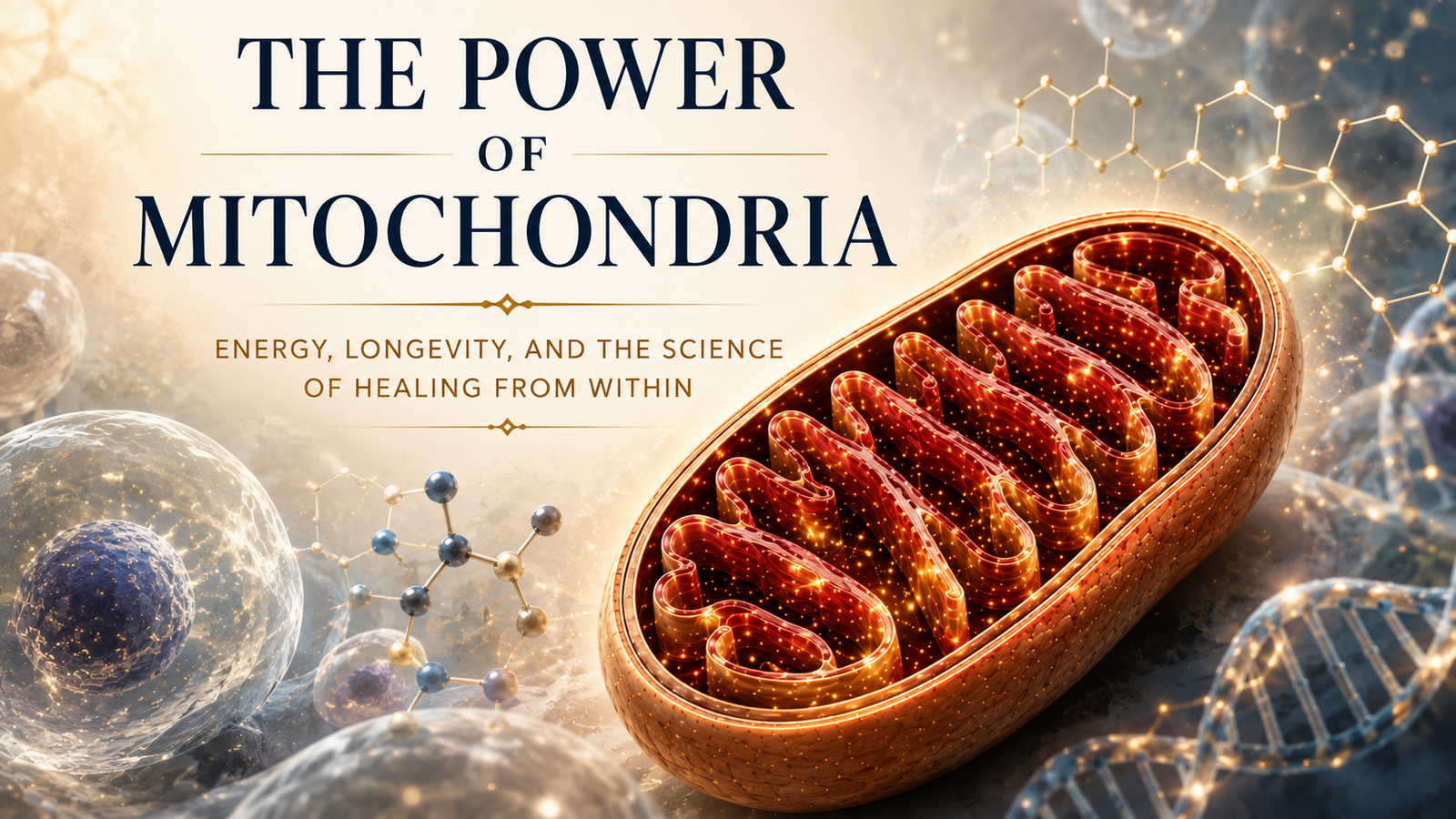
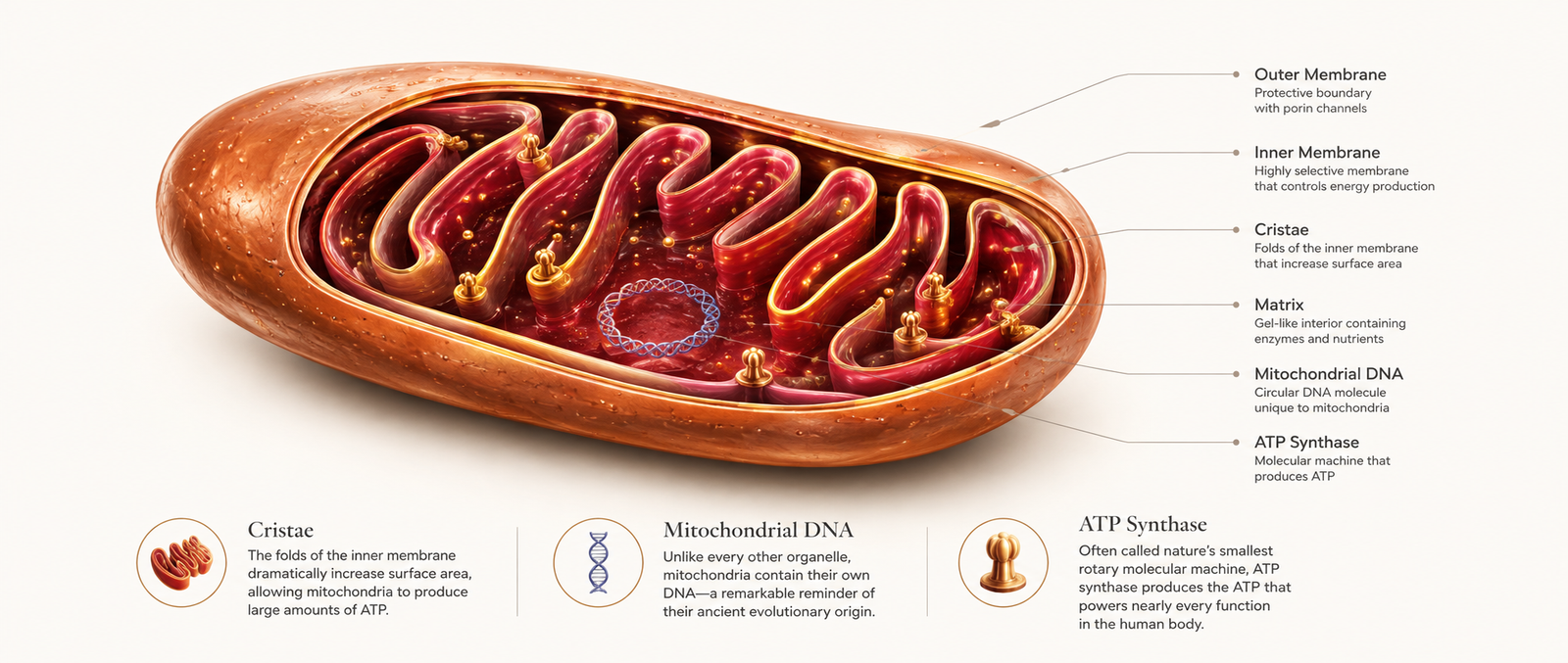
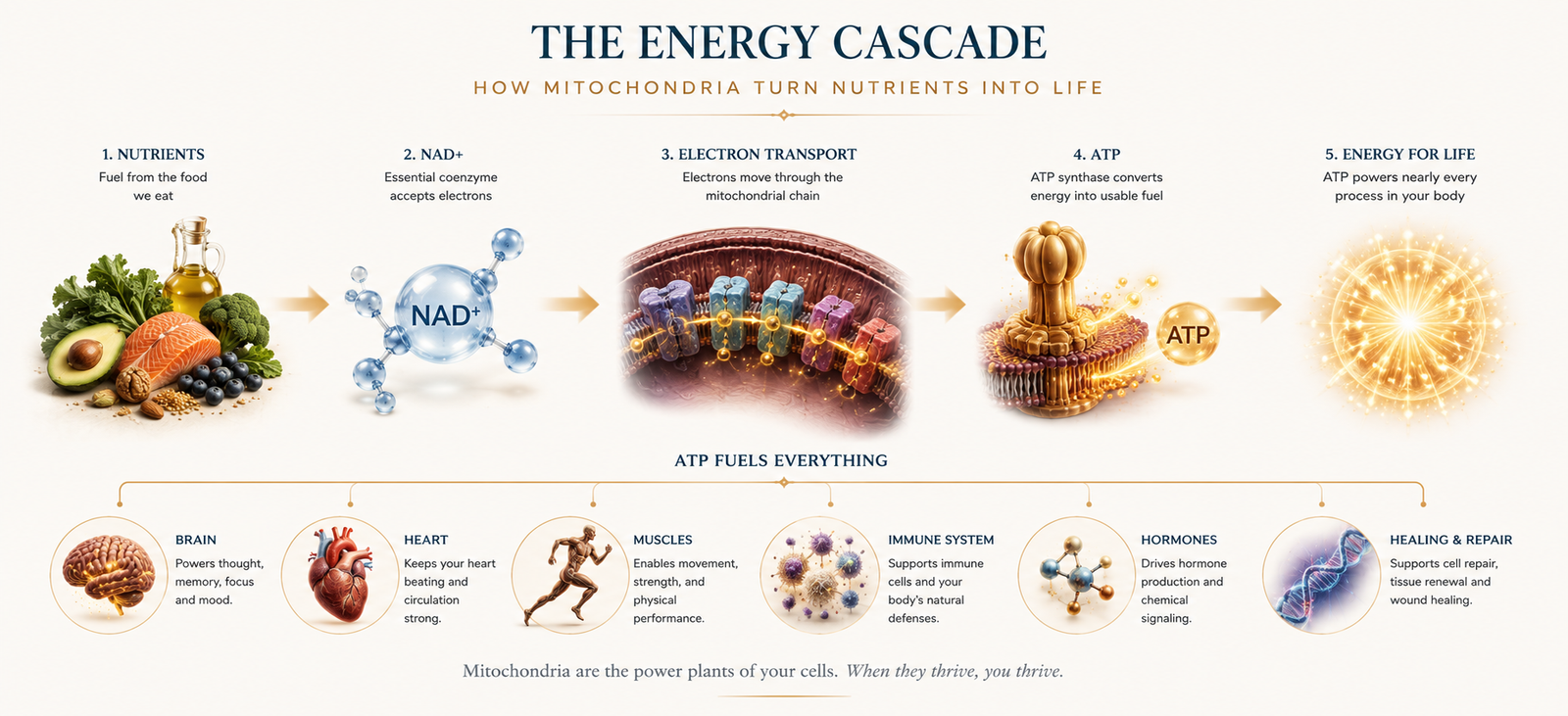
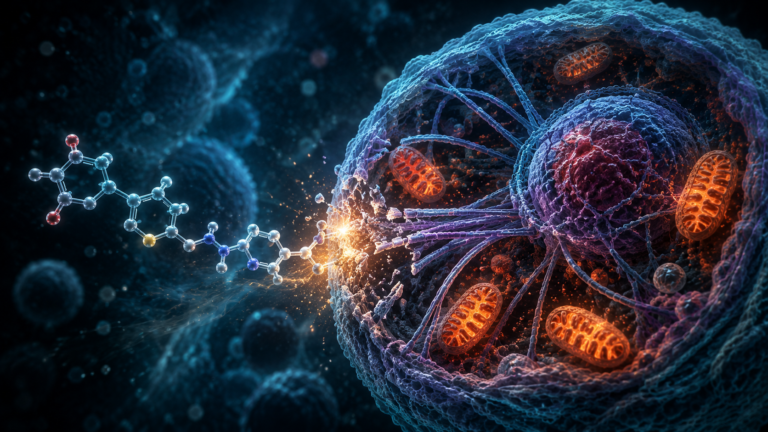
That energy is produced by microscopic structures found inside nearly every cell of your body called mitochondria. Often described as the cell’s power plants, they convert the food we eat and the oxygen we breathe into adenosine triphosphate, or ATP—the universal energy currency that fuels virtually every biological process. Without healthy mitochondria, life simply cannot function.
Yet mitochondria do far more than generate energy. They help regulate inflammation, influence hormone production, coordinate cellular repair, guide immune responses, and even determine whether a damaged cell should recover or be replaced. Scientists now recognize them as central players in aging, chronic disease, and overall vitality. In many ways, the health of your mitochondria reflects the health of your entire body.
This growing understanding has transformed the way researchers think about aging itself. Rather than viewing aging as an unavoidable consequence of time, many now see it as the gradual decline of the body’s ability to produce energy efficiently and repair itself effectively. Long before symptoms appear or organs begin to struggle, subtle changes are already taking place deep within our cells.
The encouraging news is that mitochondria are remarkably dynamic. Unlike many parts of the body, they continually adapt to the environment we create through our daily choices. Movement, nutrition, restorative sleep, sunlight, stress management, and even periods of intentional challenge all influence how efficiently these tiny power plants function. Emerging therapies are expanding that conversation even further, offering new possibilities for supporting cellular health in ways that were unimaginable only a decade ago.
Understanding mitochondria is not simply about learning more biology. It is about understanding one of the most fundamental systems that determines how we feel today—and how well we may age in the decades ahead.
The Tiny Power Plants That Sustain Life
Every cell in your body has a purpose, but not every cell has the same energy demands. A skin cell requires relatively little energy compared to a heart muscle that beats continuously throughout your life or a neuron that transmits thousands of electrical signals every second. To meet these different demands, cells contain varying numbers of mitochondria. Some cells may have only a few hundred, while heart muscle cells can contain several thousand. Wherever energy is needed most, mitochondria are there in abundance.
Their primary responsibility is remarkably simple. They convert the carbohydrates, fats, and proteins we consume into ATP, the molecule that powers virtually every cellular process. This extraordinary process takes place through a series of carefully coordinated biochemical reactions that transform nutrients and oxygen into usable energy with astonishing efficiency. Every heartbeat, every step you take, every thought you think, and every breath you draw depends upon this microscopic energy factory operating continuously.
What makes mitochondria especially fascinating is that they are unlike any other structure inside the cell. They possess their own DNA, separate from the DNA stored in the cell’s nucleus. This unique characteristic forms the basis of the Endosymbiotic Theory, which proposes that mitochondria originated billions of years ago as free-living bacteria before forming a remarkable partnership with early cells. Rather than being absorbed and destroyed, they became permanent residents, creating one of the most successful biological relationships in the history of life. Every plant, animal, and human alive today depends upon that ancient alliance.
Yet mitochondria are far more than passive power plants quietly generating ATP. They constantly monitor the health of the cell, communicate with neighboring mitochondria, regulate calcium balance, help coordinate immune responses, and influence whether damaged cells are repaired or removed. They fuse together, divide apart, reproduce, and recycle themselves in response to changing conditions. In many ways, they behave less like tiny batteries and more like an intelligent energy network that continuously adapts to the body’s needs.
This understanding has fundamentally changed how researchers view health and aging. Scientists increasingly recognize that energy production is only one part of the mitochondrial story. These tiny organelles also help determine how resilient our cells remain under stress, how effectively they recover from injury, and how well they adapt throughout life. When mitochondria thrive, the entire body benefits. When they begin to struggle, the effects gradually ripple outward, often years before illness becomes visible.
Perhaps the simplest way to think about mitochondria is this: they are not merely the engines that keep us alive. They are the engines that allow us to live well.
Why We Lose Energy As We Age
Most people assume that aging is simply the passage of time. We celebrate birthdays, count the years, and gradually accept that feeling more tired, recovering more slowly, and losing strength are inevitable parts of growing older. While time certainly plays a role, modern research suggests a more nuanced story may be unfolding beneath the surface.
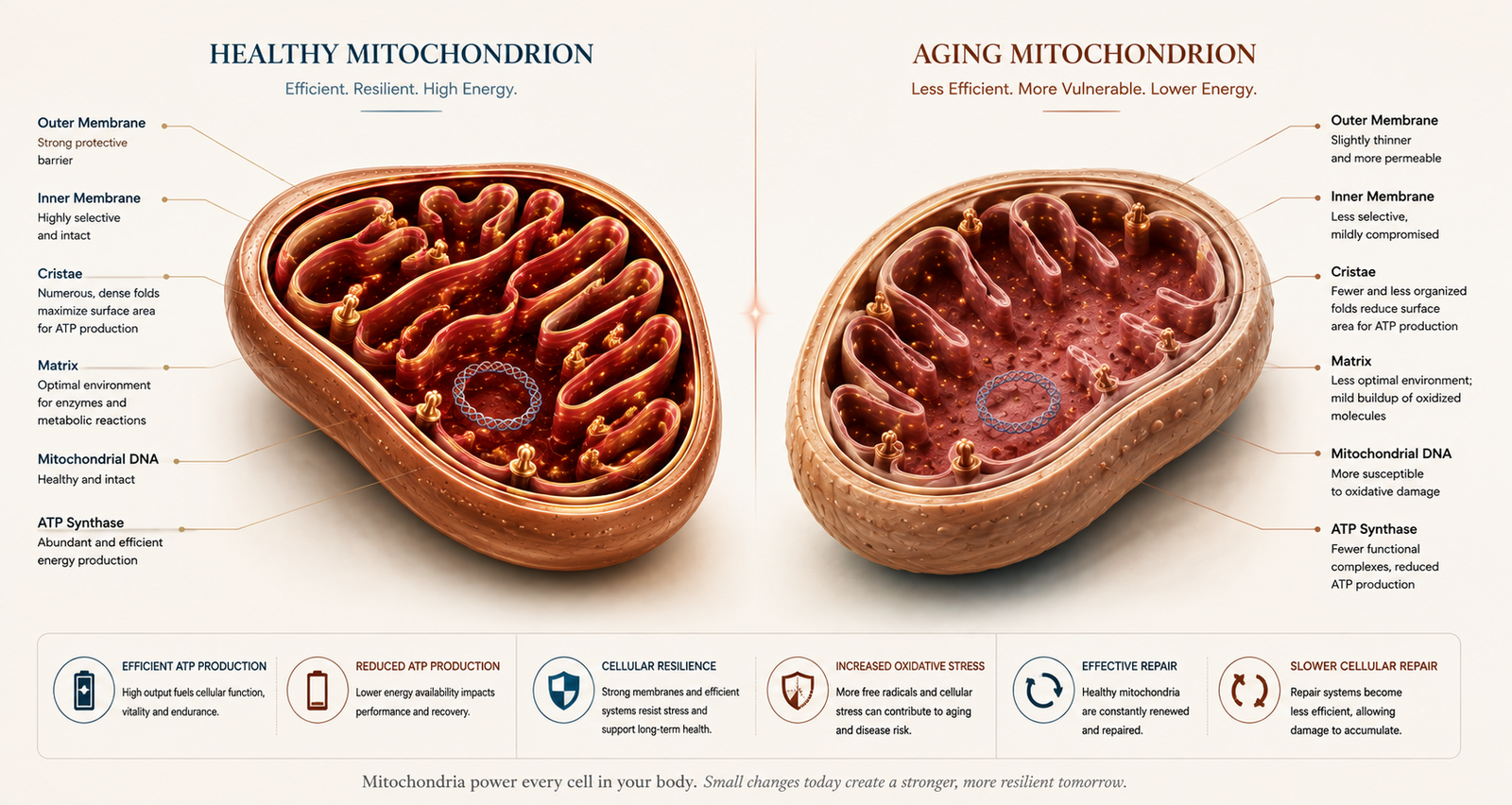
Long before we notice wrinkles, aching joints, or declining endurance, subtle changes are taking place deep within our cells. Mitochondria gradually become less efficient at producing energy. Their membranes begin to lose integrity, their DNA becomes more susceptible to damage, and the intricate machinery responsible for generating ATP no longer operates with the same precision it once did. Instead of producing abundant cellular energy, they begin producing more oxidative stress, placing an increasing burden on the very cells they were designed to support.
The effects are rarely noticed overnight. They accumulate slowly, often over decades. A little less energy. A little longer to recover after exercise. Slightly more inflammation. Muscles that take longer to rebuild. A mind that doesn’t feel quite as sharp after a poor night’s sleep. Individually, these changes may seem insignificant. Together, they gradually reshape how we experience aging.
Scientists now believe this gradual decline in mitochondrial function may play a central role in many of the conditions commonly associated with growing older. Reduced cellular energy has been linked to cardiovascular disease, metabolic disorders, neurodegenerative diseases, loss of muscle mass, impaired immune function, and slower tissue repair. While mitochondria are not the only factor involved, they sit at the center of many of the biological processes that influence healthspan and longevity.
One reason this decline accelerates over time is that mitochondria exist in a constant balancing act. As they generate ATP, they also produce small amounts of reactive oxygen species, often referred to as free radicals. In healthy cells, these molecules are not the enemy. They serve important signaling functions and are continuously neutralized by the body’s antioxidant defenses. Problems begin to arise only when the balance shifts. As mitochondrial function declines, oxidative stress increases, damaging proteins, lipids, mitochondrial membranes, and even mitochondrial DNA. The cell expends more energy trying to repair itself while producing less energy to accomplish that task.
It becomes a gradual cycle. Less energy leads to less efficient repair. Less efficient repair leads to greater mitochondrial dysfunction. Over time, the body’s remarkable ability to maintain itself begins to slow.
Fortunately, this is not the end of the story.
Unlike many aspects of aging that appear fixed, mitochondria are remarkably adaptable. They are constantly responding to the environment we create through our daily choices. New mitochondria can be produced. Damaged ones can be recycled. Existing mitochondria can become stronger and more efficient. In many respects, they are among the most trainable structures in the human body.
That realization has fundamentally changed the conversation surrounding healthy aging. Rather than viewing mitochondrial decline as an unavoidable consequence of getting older, researchers increasingly recognize it as a dynamic process—one that can often be influenced, supported, and, in some cases, partially restored.
NAD+ | The Cellular Currency That Powers Life
If mitochondria are the power plants of our cells, then NAD+ is one of the essential molecules that keeps those power plants running.
Every moment of every day, the carbohydrates, fats, and proteins we consume are broken down into smaller molecules that ultimately enter the mitochondria. But food alone cannot produce energy. Before ATP can be generated, tiny packets of energy must be transferred through a carefully orchestrated series of chemical reactions. One of the body’s most important energy carriers is nicotinamide adenine dinucleotide, more commonly known as NAD+.
Think of NAD+ as a cellular courier. It continuously shuttles high-energy electrons from the food we eat into the mitochondria, where they are passed through the electron transport chain to generate ATP. Without adequate NAD+, that process begins to slow, reducing the cell’s ability to efficiently produce the energy needed for virtually every biological function.
Yet NAD+ does far more than support energy production. It also plays a central role in DNA repair, cellular communication, inflammation, circadian rhythm, and the activity of proteins known as sirtuins, sometimes referred to as the body’s longevity proteins. These proteins help regulate cellular stress responses, maintain mitochondrial health, and coordinate many of the repair processes that keep our cells functioning properly throughout life.
Like mitochondria themselves, NAD+ levels naturally decline with age. Researchers believe this occurs for several reasons. Our cells accumulate more DNA damage over time, increasing the demand for repair. Chronic inflammation consumes greater amounts of NAD+, while the body’s ability to recycle and replenish it gradually becomes less efficient. The result is less fuel available for both energy production and cellular maintenance.
This growing understanding has made NAD+ one of the most active areas of longevity research. Scientists are exploring not only how declining NAD+ contributes to aging, but also how lifestyle interventions and nutritional support may help maintain healthier levels throughout life. While many questions remain, one principle has become increasingly clear: healthy mitochondria and healthy NAD+ levels work together. One cannot perform at its best without the other.
Perhaps the simplest way to think about it is this. Mitochondria may be the engines of the cell, but NAD+ helps keep the fuel flowing. Together they form one of the body’s most remarkable partnerships, quietly powering every heartbeat, every thought, every movement, and every act of healing from the moment we are born until the very end of life.
Helping Your Mitochondria Thrive
If there is one encouraging lesson emerging from mitochondrial research, it is this: our cellular power plants are remarkably responsive to the choices we make every day.
Unlike many aspects of aging that seem beyond our control, mitochondria are constantly adapting to the environment we create. Healthy mitochondria can become stronger, damaged ones can be recycled, and entirely new mitochondria can be produced through a process known as mitochondrial biogenesis. Far from being static structures that simply wear out over time, they are living systems that continuously remodel themselves in response to the demands we place upon them.
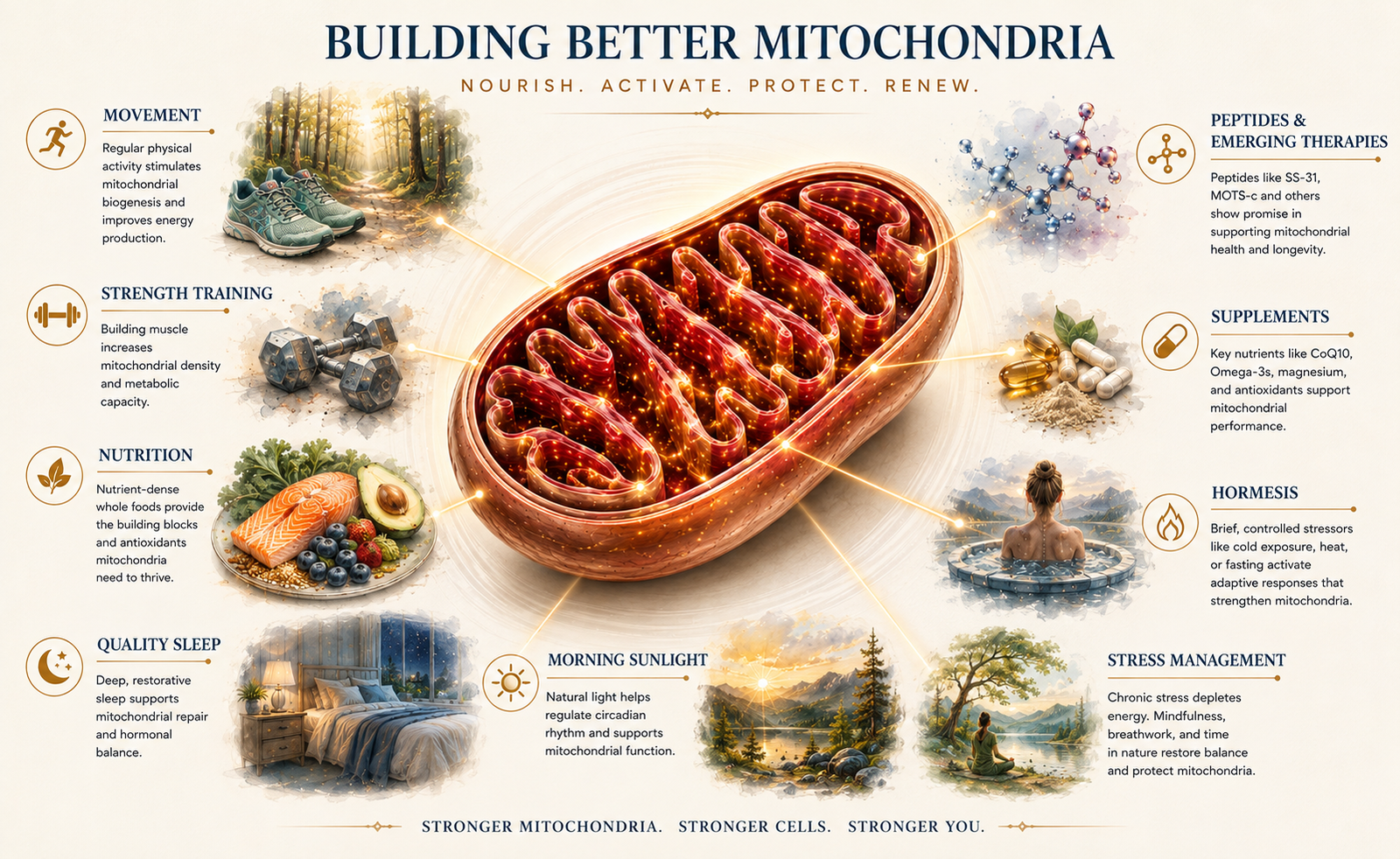
Perhaps that is why so many of the same habits associated with healthy aging continue to appear throughout the scientific literature. Regular movement, strength training, restorative sleep, nutritious whole foods, morning sunlight, and effective stress management all send powerful signals that encourage mitochondria to adapt, repair, and function more efficiently. Even short periods of beneficial stress—such as sauna use, cold exposure, and occasional fasting—appear to stimulate many of the body’s own cellular renewal processes.
Another area receiving growing scientific attention is red and near-infrared light therapy, often referred to as photobiomodulation. Unlike ultraviolet light, these wavelengths penetrate the skin and are absorbed by structures within the mitochondria, particularly an enzyme called cytochrome c oxidase, a key component of the electron transport chain. Researchers believe this interaction may improve ATP production, reduce oxidative stress, and support cellular repair. While research continues to evolve, photobiomodulation has become one of the most promising non-invasive therapies being explored for healthy aging, recovery, inflammation, cognitive health, and overall mitochondrial function.
As our understanding of mitochondrial biology has grown, so too has interest in therapies that may further support cellular energy production. Nutrients such as CoQ10, PQQ, alpha-lipoic acid, acetyl-L-carnitine, creatine, magnesium, and NAD+ precursors continue to be studied for their ability to support mitochondrial function and healthy aging.
Among the most intriguing areas of research are mitochondrial peptides. SS-31 (elamipretide) has attracted considerable attention because it is designed to support the integrity of the inner mitochondrial membrane, where ATP production takes place. It has received FDA approval for a specific rare mitochondrial disorder, demonstrating that therapies directed at mitochondrial function are now entering mainstream medicine, although broader applications remain under investigation. Other peptides, including MOTS-c and Humanin, are being explored for their roles in metabolism, cellular resilience, and healthy aging. While much remains to be learned, these emerging therapies represent one of the most rapidly evolving frontiers in longevity science. This reflects a growing shift toward supporting cellular function, resilience, and prevention, in addition to addressing health at the level of cellular function rather than simply managing disease after it develops.
Perhaps the most important lesson is that mitochondria rarely respond to a single intervention. They respond to an environment. Every walk, every healthy meal, every restorative night’s sleep, every strength-training session, and every moment spent caring for your health sends another small signal encouraging your cells to repair, adapt, and thrive. Over time, those seemingly ordinary choices become extraordinary investments in the way we age.
The Future of Healthy Aging
For much of modern medicine, the primary goal has been to diagnose disease, relieve symptoms, and extend life whenever possible. Those advances have transformed healthcare and continue to save countless lives. Yet a growing field of longevity research is asking a different question altogether.
What if we could preserve health before disease takes hold?
Rather than waiting for energy to decline, muscles to weaken, or cognitive function to fade, researchers are increasingly focused on understanding how to maintain cellular resilience throughout life. At the center of that conversation are the mitochondria. These tiny organelles are no longer viewed simply as energy producers, but as dynamic regulators of health that influence nearly every organ and biological system in the body.
This shift represents more than a new area of scientific research. It reflects a broader movement toward prevention rather than reaction. The goal is no longer simply to add years to life, but to add life to those years by preserving strength, vitality, cognitive function, and independence for as long as possible.
No single supplement, therapy, or medical breakthrough will accomplish that on its own. Healthy aging will almost certainly remain the result of many small decisions made consistently over time. Daily movement. Restorative sleep. Nutritious food. Time outdoors. Meaningful relationships. Managing stress. Supporting metabolic health. Together, these choices create an environment where the body’s remarkable repair systems—including the mitochondria—can continue doing what they were designed to do.
Perhaps that is the most encouraging discovery of all.
While we cannot stop the passage of time, we possess far more influence over the health of our cells than we once believed. Every healthy choice becomes an investment in the tiny power plants that quietly sustain every heartbeat, every thought, every movement, and every act of healing.
The science of mitochondria continues to evolve, and many questions remain unanswered. Yet one principle has already become clear: healthy aging begins long before disease appears. It begins deep within our cells, where energy, resilience, and repair quietly shape the quality of every day we are given.
Hope.
One of the biggest misconceptions people have is that once they reach fifty or sixty, the damage has already been done. While aging certainly changes the biology, the encouraging news is that mitochondria remain remarkably adaptable throughout life. New mitochondria can still be produced. Existing ones can become more efficient. Damaged mitochondria can be removed and replaced. The body never completely loses its capacity to repair—it simply becomes less efficient if we stop giving it the signals to do so.
The earlier we begin supporting mitochondrial health, the greater the opportunity to preserve energy, resilience, and long-term function. But that does not mean the door closes after fifty, sixty, or even seventy. Research continues to demonstrate that regular movement, strength training, quality nutrition, restorative sleep, and other healthy lifestyle interventions can improve mitochondrial function at virtually every stage of life. Progress may require greater consistency and patience than it once did, but meaningful improvement remains possible.
Perhaps that is the most encouraging message of all.
It is never too early to begin caring for your mitochondria, and it is rarely too late. The body possesses an extraordinary capacity to adapt when given the opportunity. With knowledge, diligence, and the willingness to remain consistent, many of the systems that quietly sustain life can continue becoming stronger for years to come.
Sign up to receive Our Weekly Briefing Newsletter
Begin your journey with weekly insights designed to expand awareness and ground you in truth. Our free tier gives you a powerful introduction without any commitment.
STOP DROWNING IN THE NOISE. START SEEING THE TRUTH. Join over 99,000 truth seekers. Get the essential intelligence, alternative news, and disclosure updates that the mainstream media won’t touch.
Latest Reports
 Monthly ReportConscious Practices · October 2026 EditionOctober 5, 2026
 Weekly ReportAwakening The Sleeping Giant · October 5th EditionOctober 5, 2026
 Weekly ReportAwakening The Sleeping Giant · September 28th EditionSeptember 28, 2026
 Weekly ReportAwakening The Sleeping Giant · September 21st EditionSeptember 21, 2026View all weekly reports
Special Reports
 Special ReportTHE AWAKENING JOURNEY: Hero’s Journey Part II · Week 1October 3, 2026
 Special ReportGlobal Everything Collapse · Economic Chaos · Part IOctober 1, 2026
 Special ReportCreating A Conscious Culture · Part ISeptember 3, 2026
 Special ReportThe Great Healing: Detox, Defense & Sovereignty In an Engineered World · Part ISeptember 1, 2026View all special reports
Help Us Bypass Censorship. Share This.
Join the Discussion
Related Posts
Have questions?
At Great Awakening Report, we are dedicated to supporting your journey toward truth and enlightenment through our specialized Coaching and Consulting services.
Coaching Services: Our coaching programs are designed to guide you through personal awakening and transformation. We offer personalized sessions that focus on expanding consciousness, uncovering hidden truths, and fostering spiritual growth. Our experienced coaches provide the tools and insights necessary to navigate your path with clarity and confidence.
Consulting Services: For organizations and individuals seeking deeper understanding and strategic guidance, our consulting services offer expert analysis and solutions. We delve into areas such as global transitions, alternative news insights, and consciousness studies to provide comprehensive strategies tailored to your unique objectives.
Embark on a transformative journey with our Coaching and Consulting services, and unlock your highest potential. To learn more and schedule a session, visit our Coaching and Consulting pages.
Thank you
Thank you to our subscribers and readers for your continued support and dedication to truth and awakening. Your encouragement, engagement, and belief in our mission make everything we do possible. Together, we are expanding awareness and helping illuminate the path forward.
If you would like to further support the Great Awakening team and our ongoing efforts to share insight, knowledge, and truth, you can DONATE HERE.
With deep gratitude,
– Great Awakening Team
About the Author: Great Awakening Team

We are a community. We are cultural creatives and like minded people seeking the truth and focusing on disclosure, awakening and consciousness. Our focus is real news as researchers, reporters and truth seekers. We are here to teach, to spread the word, to serve and to help. We are a collective, a movement, free from all programing, not closed minded and not discriminatory. We are not political. We are not religious but we are spiritual. We study, research, and report on a wide range of subjects and topics, from the current geopolitical climate to health and wellness, from earth’s history to spiritual practices. We are forward thinkers and visionaries, we are guides for the transition as we usher in The Great Awakening.
THIS WEBSITE DOES NOT PROVIDE MEDICAL ADVICE: The information, including but not limited to text, graphics, images, and other material contained on this website, are for informational purposes only. No material on this site is intended to be a substitute for professional medical advice, diagnosis, or treatment. Always seek the advice of your physician or other qualified health care provider with any questions you may have regarding a medical condition or treatment and before undertaking a new health care regimen, and never disregard professional medical advice or delay in seeking it because of something you have read on this website.
DISCLAIMER: All statements, claims, views and opinions that appear anywhere on this site, whether stated as theories or absolute facts, are always presented by The Great Awakening Report (GAR) as unverified—and should be personally fact checked and discerned by you, the reader.Any opinions or statements herein presented are not necessarily promoted, endorsed, or agreed to by GAR, those who work with GAR, or those who read or subscribe to GAR.Any belief or conclusion gleaned from content on this site is solely the responsibility of you the reader to substantiate.Any actions taken by those who read material on this site are solely the responsibility of the acting party.You are encouraged to think for yourself and do your own research.Nothing on this site is meant to be believed without question or personal appraisal.
COPYRIGHT DISCLAIMER: Citation of articles and authors in this report does not imply ownership. Works and images presented here fall under Fair Use Section 107 and are used for commentary on globally significant newsworthy events. Under Section 107 of the Copyright Act 1976, allowance is made for fair use for purposes such as criticism, comment, news reporting, teaching, scholarship, and research.
COMMUNITY GUIDELINES DISCLAIMER: The points of view and purpose of this video is not to bully or harass anybody, but rather share that opinion and thoughts with other like-minded individuals curious about the subject.