




Help Us Bypass Censorship. Share This.
Sign up to receive Our Weekly Briefing Newsletter
Begin your journey with weekly insights designed to expand awareness and ground you in truth. Our free tier gives you a powerful introduction without any commitment.
IS A NEW GLOBAL MONETARY SYSTEM EMERGING—AND WHAT COULD IT MEAN FOR FINANCIAL FREEDOM, WEALTH & INDIVIDUAL SOVEREIGNTY?
“The most important question about the future of money may not be what replaces the old system, but who controls the new one.” — Great Awakening Report
A FINANCIAL SYSTEM AT A CROSSROADS
Something significant is happening beneath the surface of the global financial system. International banking infrastructure is being modernized, central banks are exploring new forms of digital settlement, gold is receiving renewed attention as a reserve asset, and blockchain technology is challenging traditional assumptions about how money and ownership move across borders.
At the same time, quantum computing is introducing new possibilities—and new security challenges—that could reshape financial technology in the decades ahead.
Individually, these developments might appear to be separate initiatives. Viewed together, however, they raise a much larger question: Are we witnessing routine modernization of the existing financial system, or the foundations of an entirely new monetary architecture?
It is within this environment that discussion of the Quantum Financial System (QFS) has attracted considerable attention across independent financial research communities, alternative media, and those following the possibility of a global financial reset.
Supporters describe QFS as a potential replacement for the existing banking structure—one that could incorporate quantum technology, asset-backed currencies, advanced transaction security, and mechanisms intended to eliminate financial corruption. Some accounts connect it to NESARA/GESARA, sovereign debt restructuring, currency revaluations, and the restoration of financial sovereignty.
Critics point to the absence of independently authenticated technical specifications, operational evidence, or an identifiable governing framework for the secret global system described in these accounts.
But dismissing the entire conversation because its most extraordinary claims remain unverified overlooks something important: the global financial system is undergoing a documented transformation, and several developments resemble individual capabilities associated with the QFS vision.
The challenge is determining where those developments intersect, where they diverge, and what they could ultimately mean for ordinary people.

1 | THE QUANTUM FINANCIAL SYSTEM: WHAT IS BEING PROPOSED?
The Quantum Financial System is generally described as an advanced global financial network designed to replace or fundamentally restructure traditional banking.
There is no single authoritative QFS blueprint. Different researchers and commentators describe different architectures, but several recurring ideas appear throughout the discussion.
These include currencies backed by gold or tangible assets, quantum-secure communications, near-instantaneous international transactions, transparent financial ledgers, and the removal of intermediaries believed to enable manipulation or corruption.
Some interpretations go considerably further, suggesting that QFS could facilitate sovereign debt restructuring, major currency revaluations, or the distribution of previously inaccessible financial assets.
These possibilities have generated considerable interest among people who question the stability and fairness of the current monetary order.
After decades of expanding public debt, inflationary pressures, financial crises, and institutional bailouts, the prospect of a system designed around transparency, accountability, and asset-backed money carries obvious appeal.
Yet important questions remain.
Who would develop and operate such a network? How would its reserves be verified? Would transactions be controlled by governments, private institutions, or decentralized participants? And what evidence would establish that the proposed architecture had moved beyond concept into operation?
The distinction between an emerging technology and a fully functioning financial system is substantial.
Quantum computing, blockchain, cryptographic security, and asset-backed currencies are not interchangeable concepts. They can potentially complement one another, but their existence individually does not establish that they have been combined into a unified QFS.
The more revealing question may be whether elements of the proposed system are emerging independently—and whether those developments could eventually converge into a new financial architecture.
2 | NESARA, GESARA & THE GLOBAL FINANCIAL RESET
The modern QFS narrative is closely connected to an earlier movement centered on monetary reform.
During the 1990s, American engineer Harvey Francis Barnard developed economic proposals associated with NESARA, the National Economic Security and Reformation Act. His ideas included replacing federal income taxation with a national sales tax and restructuring monetary arrangements around precious metals.
Barnard’s original proposal was not enacted into federal law. Over time, however, a different narrative emerged claiming that NESARA had been secretly approved and that implementation had been delayed or suppressed.
Later interpretations expanded the concept to GESARA, a proposed global version involving international financial restructuring, debt relief, and changes to monetary sovereignty.
It is important to distinguish Barnard’s documented reform proposals from subsequent claims of secret enactment and worldwide implementation. The latter have not been substantiated through authenticated legislative or governmental records.
Nevertheless, the broader questions surrounding NESARA/GESARA remain relevant.
Could sovereign debt restructuring fundamentally change the international financial order? What would happen if countries moved toward currencies backed by tangible reserves? Could monetary reform reduce certain forms of financial dependency while introducing new economic risks?
These questions have precedents in monetary history.
The Bretton Woods agreement of 1944 established a new international monetary framework, while President Nixon’s suspension of dollar convertibility into gold in August 1971 fundamentally altered that arrangement.
The history of money demonstrates that monetary systems can undergo profound change, sometimes in response to crises and sometimes through years of institutional negotiation.
Today, discussions of a global currency reset encompass everything from legitimate concerns about sovereign debt and reserve currencies to far-reaching predictions of coordinated financial transformation.
The critical distinction is between documented reforms, plausible future scenarios, and specific claims that remain unverified.
For a deeper exploration of these possibilities, see GAR’s The Global Currency Reset: What Your Bank Account Needs to Know and The Great Financial Reset: What’s Coming and How to Prepare.

3 | THE FINANCIAL TRANSFORMATION ALREADY UNDERWAY
Whatever the ultimate outcome of QFS predictions, the modernization of international finance is already taking place.
One of the most significant developments is ISO 20022, the international standard designed to improve how financial institutions exchange payment information.
Unlike older messaging formats, ISO 20022 allows richer, more structured transaction data, supporting interoperability, automation, and more efficient processing.
In July 2025, the Federal Reserve migrated its Fedwire Funds Service to ISO 20022. On November 22, 2025, Swift ended the coexistence period between legacy MT and ISO 20022 messages for applicable cross-border payment instructions.
These were genuine infrastructure milestones, not merely proposed changes.
The Federal Reserve also introduced FedNow in July 2023, enabling participating financial institutions to provide instant payments around the clock.
Together, these developments demonstrate how established financial institutions are building faster and more interconnected payment networks.
But the transformation extends beyond messaging and settlement speed.
Central banks and commercial financial institutions are experimenting with tokenized deposits, digital securities, blockchain-based settlement, and new mechanisms for transferring value across different financial networks.
Meanwhile, quantum technology is becoming an increasingly important consideration.
In August 2024, the National Institute of Standards and Technology finalized its first three post-quantum cryptography standards, designed to protect information against potential future attacks by sufficiently powerful quantum computers.
The Bank for International Settlements’ Project Leap has also explored quantum-resistant security within payment infrastructure, including operational testing reported in December 2025.
These developments do not independently demonstrate that a secret QFS is being activated. They do, however, show that capabilities frequently associated with the QFS discussion—advanced security, faster settlement, interoperability, and digital financial infrastructure—are subjects of substantial real-world investment and development.
The important question is how these separate systems may eventually connect, and who will determine the rules governing that connectivity.

4 | GOLD, DIGITAL ASSETS & THE FUTURE OF MONEY
One of the most compelling aspects of the QFS discussion is the possibility of returning to asset-backed currencies.
Since the United States suspended the dollar’s convertibility into gold in 1971, the international monetary system has operated primarily through fiat currencies whose value depends on economic conditions, monetary policy, and institutional confidence.
This arrangement gives central banks considerable flexibility, but it also raises enduring questions about debt expansion, currency purchasing power, and the concentration of monetary authority.
A return to gold-backed money could introduce different forms of monetary discipline. Yet the practical questions are considerable. Who would audit the reserves? Would currency holders have redemption rights? How would international imbalances be managed?
Gold is only one part of the emerging picture.
Central banks continue to hold gold as a reserve asset, while governments and private institutions are exploring digital currencies, stablecoins, tokenized deposits, and blockchain-based financial instruments.
These technologies could eventually support very different monetary arrangements.
A central bank digital currency (CBDC) could provide a new form of central bank money, while privately issued stablecoins and tokenized deposits could expand the role of commercial institutions and digital asset networks.
Tokenization introduces another possibility: representing ownership or claims to physical and financial assets through digital tokens. Depending on the system, these might include precious metals, government securities, investment funds, or other assets.
The implications are substantial. Financial assets could potentially move across borders with fewer intermediaries, settle more efficiently, and become accessible through new platforms.
But the underlying structure matters.
A digital currency backed by gold is not necessarily decentralized. A blockchain-based financial network is not automatically private. And faster transactions do not guarantee greater financial freedom.
The distinction between who owns the assets and who controls the infrastructure may ultimately be more important than the technology itself.
For additional context, see GAR’s How Stablecoins Could Reshape the U.S. Dollar System and our exploration of the 1971 Nixon Shock.


5 | FINANCIAL SOVEREIGNTY: LIBERATION OR CONTROL?
This is where the QFS discussion becomes especially consequential.
Supporters often envision a financial system that eliminates corruption, increases transparency, protects assets, and restores monetary sovereignty.
Those objectives are worth examining. But the same technologies capable of creating a more accountable system could also enable unprecedented financial oversight.
Consider a future in which digital identity, financial accounts, payment networks, and transaction-monitoring systems become increasingly integrated.
Such infrastructure could reduce fraud, improve settlement, and simplify financial services. Yet depending on its design and governance, it could also make financial activity more visible to institutions and create new mechanisms for restricting access.
Who would determine whether an individual could open an account, transfer funds, or participate in particular transactions?
Could financial restrictions be imposed automatically? Would individuals have meaningful avenues to challenge errors? Could lawful transactions remain private?
And if a new monetary network promised complete transparency, would that transparency apply equally to powerful institutions and ordinary citizens?
These are not hypothetical questions about technology’s capabilities. They are real governance questions that become increasingly important as financial systems grow more interconnected.
There is also a fundamental tension within some QFS descriptions. A network capable of tracking every transaction might expose certain forms of corruption, but without appropriate safeguards, it could also enable extensive financial surveillance.
The same concern applies to CBDCs, private digital payment networks, and existing banking infrastructure.
Ultimately, the question is not whether financial technology should advance. It is whether that advancement protects or diminishes individual autonomy.
A truly transformative monetary system should be measured not only by its efficiency and security, but by the freedom, privacy, accountability, and ownership rights it preserves.
6 | SEPARATING POSSIBILITY FROM FINANCIAL MANIPULATION
The enormous interest surrounding QFS has also created opportunities for financial exploitation.
Some promoters have offered supposed QFS activation accounts, special access cards, currency revaluation opportunities, or investment programs promising extraordinary returns.
Others claim that individuals must register immediately, transfer cryptocurrency, or provide sensitive personal information to participate in an approaching financial reset.
These are serious warning signs.
But we should distinguish fraudulent financial solicitations from legitimate research into alternative monetary systems. Investigating QFS, questioning central banks, or exploring the possibility of asset-backed currencies does not inherently make someone vulnerable or misinformed.
The key is examining the evidence behind specific claims.
An announced technological milestone does not necessarily validate an accompanying prediction. Likewise, a particular currency’s potential utility in international payments does not establish that its market value will increase dramatically.
One of the most important habits is to trace information to its origin. Does a claim come from an authenticated financial document, a named institution, an independently verifiable technical demonstration, or an anonymous source repeating an earlier prediction?
For those considering financial decisions, the distinction can be critical.
Remain open to emerging possibilities, but never allow a promised future event to replace independent financial judgment.
7 | WHAT COMES NEXT—AND HOW SHOULD WE PREPARE?
The transformation of global finance may not arrive through one dramatic announcement or a single coordinated reset.
It may unfold through overlapping developments: upgraded payment networks, tokenized assets, alternative settlement arrangements, changes in monetary reserves, and new digital financial infrastructure.
Some of these innovations could strengthen existing institutions. Others could introduce genuine competition and alternative forms of ownership.
Whether a unified Quantum Financial System ultimately emerges in the form described by its supporters remains unresolved by publicly verifiable evidence.
But the larger monetary transition is already underway.
For individuals, preparation begins with understanding the changing landscape without becoming dependent on a particular prediction.
Maintaining accessible savings, managing high-interest debt, understanding where assets are held, protecting financial information, and avoiding excessive exposure to any single institution or speculative investment are practical steps that remain useful across different economic scenarios.
If you want to turn these steps into a written plan for your family, our Special Report on how to prepare for economic collapse covers deposit insurance, cash on hand, food and water storage, skills and printable 30, 60 and 90-day action plans.
Some households also consider physical precious metals, alternative assets, or limited exposure to digital currencies as part of a broader financial strategy. Each carries distinct risks, and none guarantees protection from economic disruption.
GAR’s What a 72-Hour Bank Liquidity Freeze Would Look Like and Economic Red Flags We Watch provide additional perspectives on practical financial resilience.
The goal is not to predict the precise moment when the monetary system changes. It is to remain informed, adaptable, and capable of making independent decisions as those changes unfold.
CLOSING REFLECTIONS | WHO WILL CONTROL THE NEXT FINANCIAL SYSTEM?
The Quantum Financial System represents more than a proposed technological upgrade. For many, it symbolizes the hope that a financial order burdened by debt, institutional concentration, and declining public trust might eventually give way to something more transparent and accountable.
Whether that vision becomes reality remains to be seen.
What is increasingly apparent is that the future of money is being shaped now, through decisions about digital infrastructure, monetary policy, financial security, and the relationship between institutions and individuals.
The most important developments may not carry the QFS name. They may emerge gradually, through technologies and policies whose full implications are not immediately apparent.
This is why continued investigation matters.
Will the next generation of financial infrastructure distribute opportunity more widely or concentrate authority further? Will greater transparency expose institutional corruption while protecting individual privacy? Will digital money strengthen personal ownership or introduce new conditions on financial participation?
And perhaps most importantly, will ordinary people have a meaningful voice in determining how the next monetary system operates?
The future of money is ultimately about more than currency, technology, or banking.
It is about trust. Accountability. Freedom of choice. And the fundamental right of individuals to retain meaningful control over their financial lives.
Whatever the next financial system is called, the true measure of its progress will be whether it serves humanity—or humanity is expected to serve the system.


Frequently Asked Questions
What is the quantum financial system?
The quantum financial system, or QFS, is an online claim about a secret, quantum computer based, gold-backed financial network that will replace banks. There is no verifiable evidence that such a system exists.
Is the QFS real?
No public record, regulator, central bank or technical standard describes a QFS of the kind promoted online. Real changes are happening in payments, such as ISO 20022 and post-quantum encryption, but they are not the QFS.
What is NESARA GESARA?
NESARA began as a 1990s economic reform proposal by Harvey Barnard that was never introduced in Congress. Online movements later turned it into claims about debt forgiveness and a global currency reset, often linked to the QFS.
What is ISO 20022?
ISO 20022 is an international messaging standard that lets banks send richer payment data. Swift and the Federal Reserve’s Fedwire service moved to it in 2025. It changes the format of payment messages, not who controls money.
How do I spot a QFS scam?
Be wary of anyone asking you to activate a QFS account, buy special cards, move money into crypto wallets or share bank logins and ID. Only scammers demand payment in cryptocurrency, and real banks never ask for your passwords.
How can I protect my finances in uncertain times?
Keep an emergency fund, reduce high-interest debt, diversify, keep some cash at home for short outages and verify any financial claim with official sources before acting.
Where to Go From Here
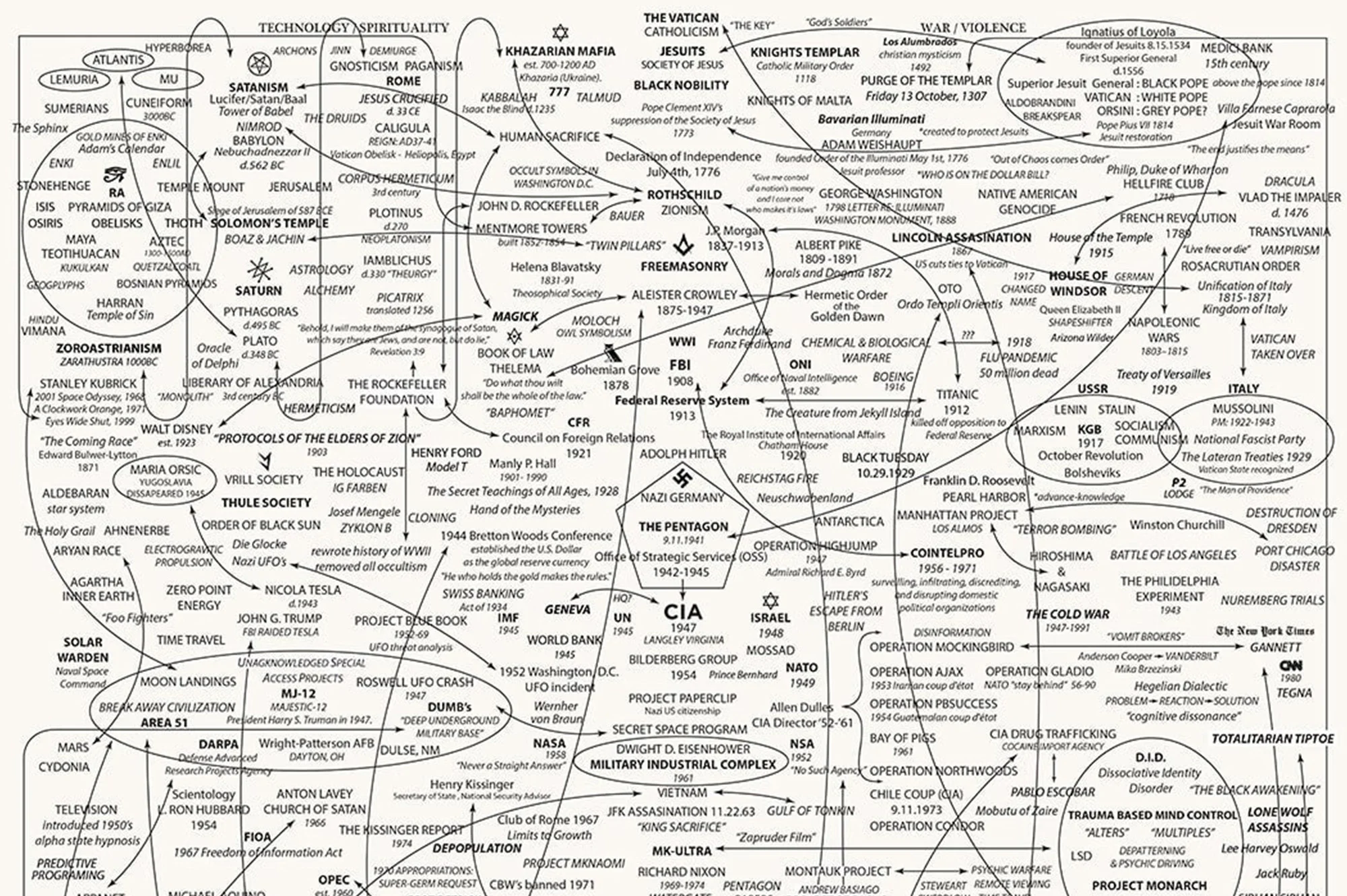
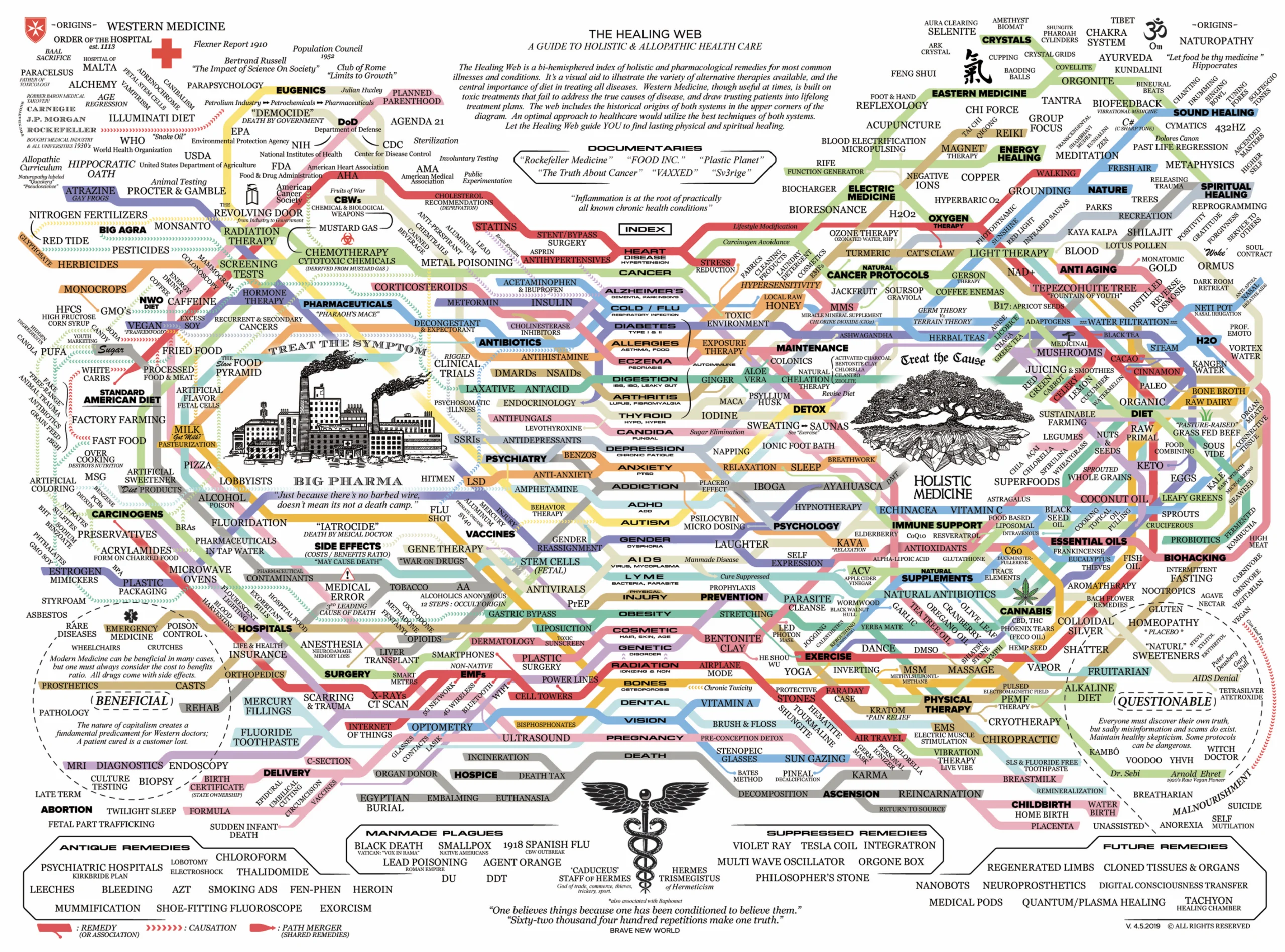
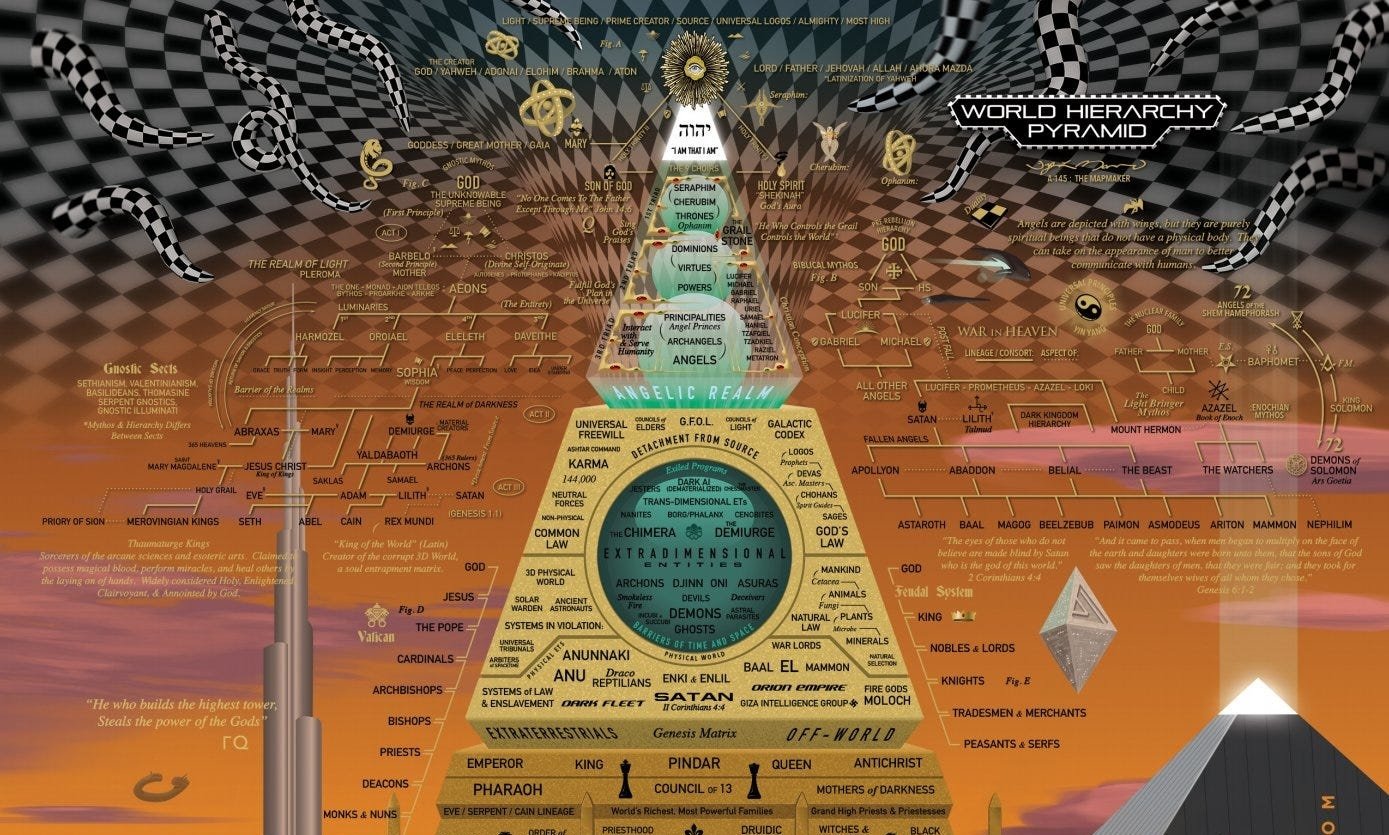
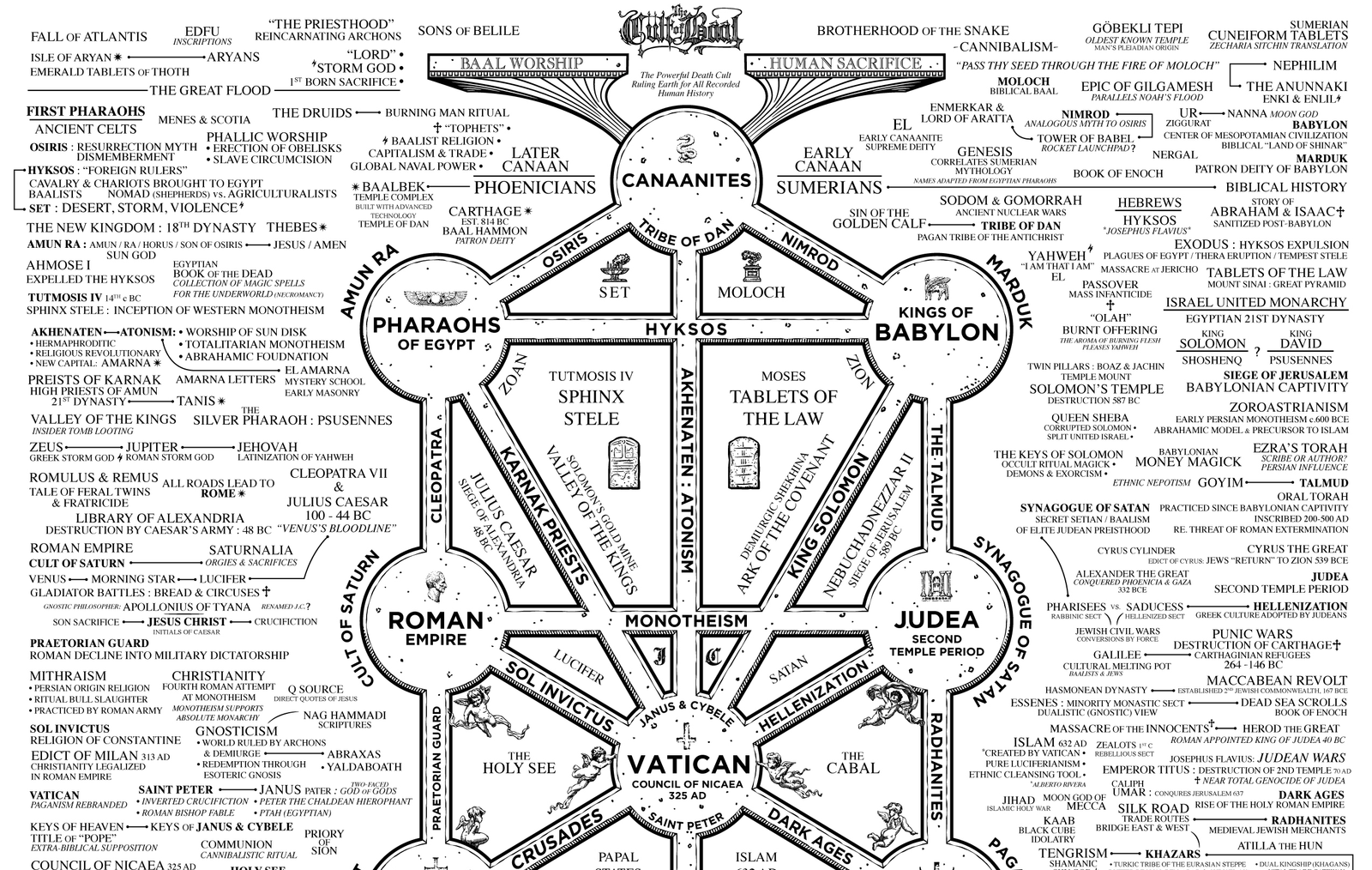
If you want steady, sourced coverage of the economy and the future of money, our free Truth Seekers Weekly Briefing brings recently published reports and the signals we are watching to your inbox each week. The free Great Awakening Map PDF shows how financial power connects to the wider picture we cover.
Members get our Special Reports on the global economic collapse, every Weekly and Monthly Report and the full Truth Seeker archive. If you want to see what is behind the paywall first, compare the Standard and Premium plans, or start the 30-day Premium trial and decide after a month of reading.
Source references for publication
The following primary-source references support the documented infrastructure developments discussed in the article:
Sign up to receive Our Weekly Briefing Newsletter
Begin your journey with weekly insights designed to expand awareness and ground you in truth. Our free tier gives you a powerful introduction without any commitment.
STOP DROWNING IN THE NOISE. START SEEING THE TRUTH. Join thousands of truth seekers. Get the essential intelligence, alternative news, and disclosure updates that the mainstream media won’t touch.
Latest Reports
 Weekly ReportAwakening The Sleeping Giant · October 26th EditionOctober 26, 2026
 Weekly ReportAwakening The Sleeping Giant · October 19th EditionOctober 19, 2026
 Weekly ReportTruth Seekers Weekly Briefings · Master Class Connecting The Dots · October 16th EditionOctober 17, 2026
 Weekly ReportAwakening The Sleeping Giant · October 12th EditionOctober 12, 2026View all weekly reports
Special Reports
 Special ReportThe Great Exodus, California On The ThresholdOctober 20, 2026
 Special ReportThe Sovereign Household: How to Prepare for Economic CollapseOctober 14, 2026
 Special ReportTHE AWAKENING JOURNEY: Hero’s Journey Part II · Week 1October 3, 2026
 Special ReportGlobal Everything Collapse · Economic Chaos · Part IOctober 1, 2026View all special reports
Help Us Bypass Censorship. Share This.
Join the Discussion
Related Posts


Have questions?
At Great Awakening Report, we are dedicated to supporting your journey toward truth and enlightenment through our specialized Coaching and Consulting services.
Coaching Services: Our coaching programs are designed to guide you through personal awakening and transformation. We offer personalized sessions that focus on expanding consciousness, uncovering hidden truths, and fostering spiritual growth. Our experienced coaches provide the tools and insights necessary to navigate your path with clarity and confidence.
Consulting Services: For organizations and individuals seeking deeper understanding and strategic guidance, our consulting services offer expert analysis and solutions. We delve into areas such as global transitions, alternative news insights, and consciousness studies to provide comprehensive strategies tailored to your unique objectives.
Embark on a transformative journey with our Coaching and Consulting services, and unlock your highest potential. To learn more and schedule a session, visit our Coaching and Consulting pages.
Thank you
Thank you to our subscribers and readers for your continued support and dedication to truth and awakening. Your encouragement, engagement, and belief in our mission make everything we do possible. Together, we are expanding awareness and helping illuminate the path forward.
If you would like to further support the Great Awakening team and our ongoing efforts to share insight, knowledge, and truth, you can DONATE HERE.
With deep gratitude,
– Great Awakening Team
About the Author: Great Awakening Team

DISCLAIMER: All statements, claims, views and opinions that appear anywhere on this site, whether stated as theories or absolute facts, are always presented by The Great Awakening Report (GAR) as unverified—and should be personally fact checked and discerned by you, the reader.Any opinions or statements herein presented are not necessarily promoted, endorsed, or agreed to by GAR, those who work with GAR, or those who read or subscribe to GAR.Any belief or conclusion gleaned from content on this site is solely the responsibility of you the reader to substantiate.Any actions taken by those who read material on this site are solely the responsibility of the acting party.You are encouraged to think for yourself and do your own research.Nothing on this site is meant to be believed without question or personal appraisal.
COPYRIGHT DISCLAIMER: Citation of articles and authors in this report does not imply ownership. Works and images presented here fall under Fair Use Section 107 and are used for commentary on globally significant newsworthy events. Under Section 107 of the Copyright Act 1976, allowance is made for fair use for purposes such as criticism, comment, news reporting, teaching, scholarship, and research.
COMMUNITY GUIDELINES DISCLAIMER: The points of view and purpose of this video is not to bully or harass anybody, but rather share that opinion and thoughts with other like-minded individuals curious about the subject.