








Help Us Bypass Censorship. Share This.
Sign up to receive Our Weekly Briefing Newsletter
Begin your journey with weekly insights designed to expand awareness and ground you in truth. Our free tier gives you a powerful introduction without any commitment.
Why Preserving Muscle May Be One of the Most Important Investments You Can Make for Your Health
“Muscle is often viewed as something that helps us move. In reality, it quietly supports nearly every system that allows us to live, heal, adapt, and thrive.” — Great Awakening Report
More Than Movement
If someone asked you to name the body’s most important organs, the answers would probably come quickly. The heart. The brain. The lungs. Perhaps the liver or kidneys. Rarely does skeletal muscle make the list.
That isn’t surprising. For generations, we’ve been taught to think of muscle primarily in terms of movement, strength, or athletic performance. We admire it in elite athletes, notice it in the gym, or associate it with physical appearance, but seldom consider the extraordinary work it performs every moment of every day.
Yet over the past two decades, scientists have begun to view the relationship between muscle and healthy aging in a very different light. Rather than serving as little more than the engine that moves our bodies, skeletal muscle is now recognized as one of the body’s most metabolically active and communicative organs. It helps regulate blood sugar, supports healthy metabolism, stores essential nutrients, releases powerful signaling molecules that influence other organs, and plays an essential role in maintaining resilience throughout every stage of life.
The more researchers learn, the clearer it becomes that muscle is not simply something we use.
It is something that quietly helps sustain us.
Muscle Doesn’t Just Move the Body. It Talks to It.
For much of modern medicine, muscle was viewed primarily as a mechanical system. It contracted, generated force, and allowed us to walk, lift, climb, and carry out the countless movements of everyday life. While all of that is true, it represents only a small part of the story.
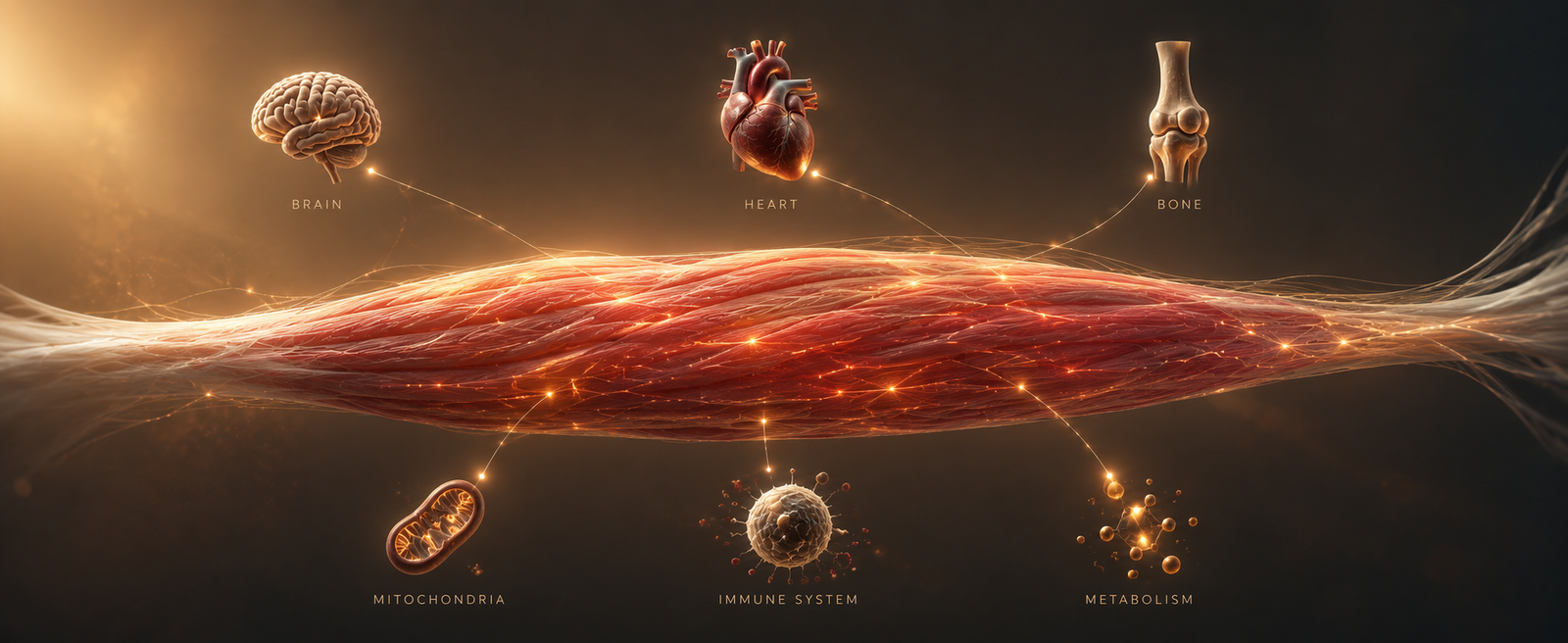
Researchers now understand that skeletal muscle is also one of the body’s largest endocrine organs. Every time muscles contract—whether during a brisk walk, a strength-training session, a bike ride, or even gardening—they release hundreds of specialized signaling molecules known as myokines. These tiny chemical messengers travel throughout the body, carrying instructions to distant organs and influencing processes far beyond the muscles themselves.
Rather than working in isolation, muscle is in constant conversation with the rest of the body. It communicates with the brain, helping support cognitive function and mood. It interacts with the immune system, influencing inflammation and recovery. It helps regulate blood sugar by improving insulin sensitivity, supports cardiovascular health, contributes to stronger bones, and even influences the health of the mitochondria that power nearly every cell in the body.
In many ways, muscle serves as one of the body’s great communicators. Every movement becomes more than an act of physical exercise—it becomes a biological message. The body interprets that message and responds by adapting, repairing, and becoming more resilient. It is a remarkable reminder that our daily choices are not simply changing our muscles; they are quietly influencing the health of nearly every system those muscles touch.
The Hidden Jobs of Muscle
One of the greatest misconceptions about skeletal muscle is that its value begins and ends with movement. In reality, movement is simply the outward expression of a much deeper biological purpose. Beneath every step we take, every object we lift, and every breath we draw, muscle is performing dozens of unseen tasks that quietly support the body’s health and resilience.
Blood Sugar Regulation: One of muscle’s most important responsibilities is helping regulate blood sugar. After we eat, skeletal muscle becomes the body’s largest destination for glucose, removing it from the bloodstream and storing it for future energy needs. The more healthy muscle we maintain, the more efficiently the body can manage glucose, improving insulin sensitivity and reducing the metabolic strain that develops when this system begins to falter. It is one of the reasons regular movement remains such a powerful tool for supporting long-term metabolic health.
A Reserve for Healing: Muscle also serves as one of the body’s most important reservoirs of protein. During periods of illness, injury, or recovery, those stored amino acids become the raw materials needed to repair tissues, support immune function, and help the body heal. Rather than existing only for strength or appearance, muscle provides a reserve of biological resources that the body can draw upon whenever life demands it.
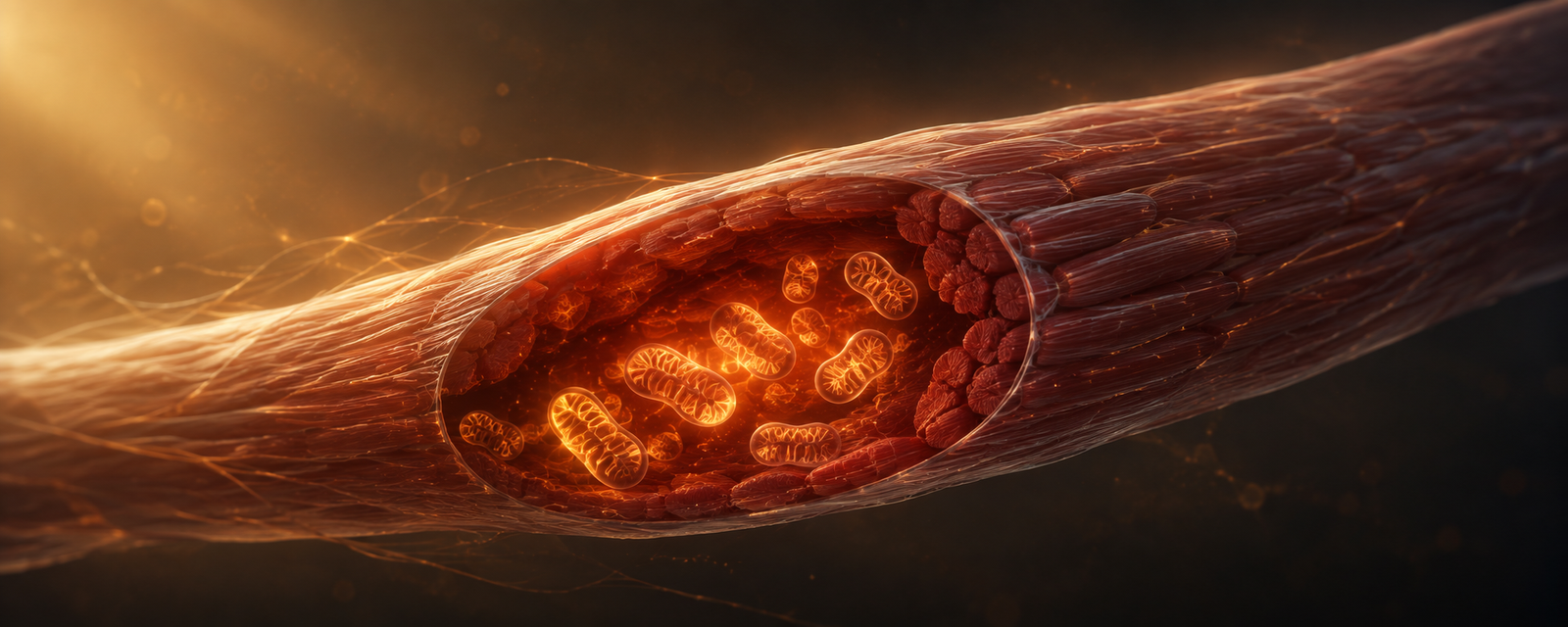
The Home of Your Mitochondria: Perhaps even more remarkable is the relationship between muscle and the mitochondria we explored in the previous article. Skeletal muscle contains an extraordinary number of these tiny cellular power plants because movement requires enormous amounts of energy. Every walk, every bike ride, every hike, and every strength-training session sends a message that more energy will be needed in the future. The body responds by improving the efficiency of existing mitochondria and, remarkably, by creating new ones through a process known as mitochondrial biogenesis. Healthy muscle doesn’t simply use energy—it helps build the very machinery that produces it.
A Partner to Healthy Bones: Scientists have also discovered that muscle communicates directly with bone. Strong muscles place healthy stress on the skeleton, encouraging bones to remain dense and resilient throughout life. This relationship explains why strength training is not simply about preserving muscle mass. It is also one of the most effective ways to support lifelong bone health, balance, and physical independence.
Taken together, these discoveries paint a very different picture of skeletal muscle than most of us learned growing up. It is not merely tissue that moves the body from one place to another. It is an active participant in metabolism, immune function, energy production, bone health, and recovery. Quietly, continuously, and without our awareness, muscle helps orchestrate many of the biological processes that allow us to thrive.
Why Muscle Changes Throughout Life
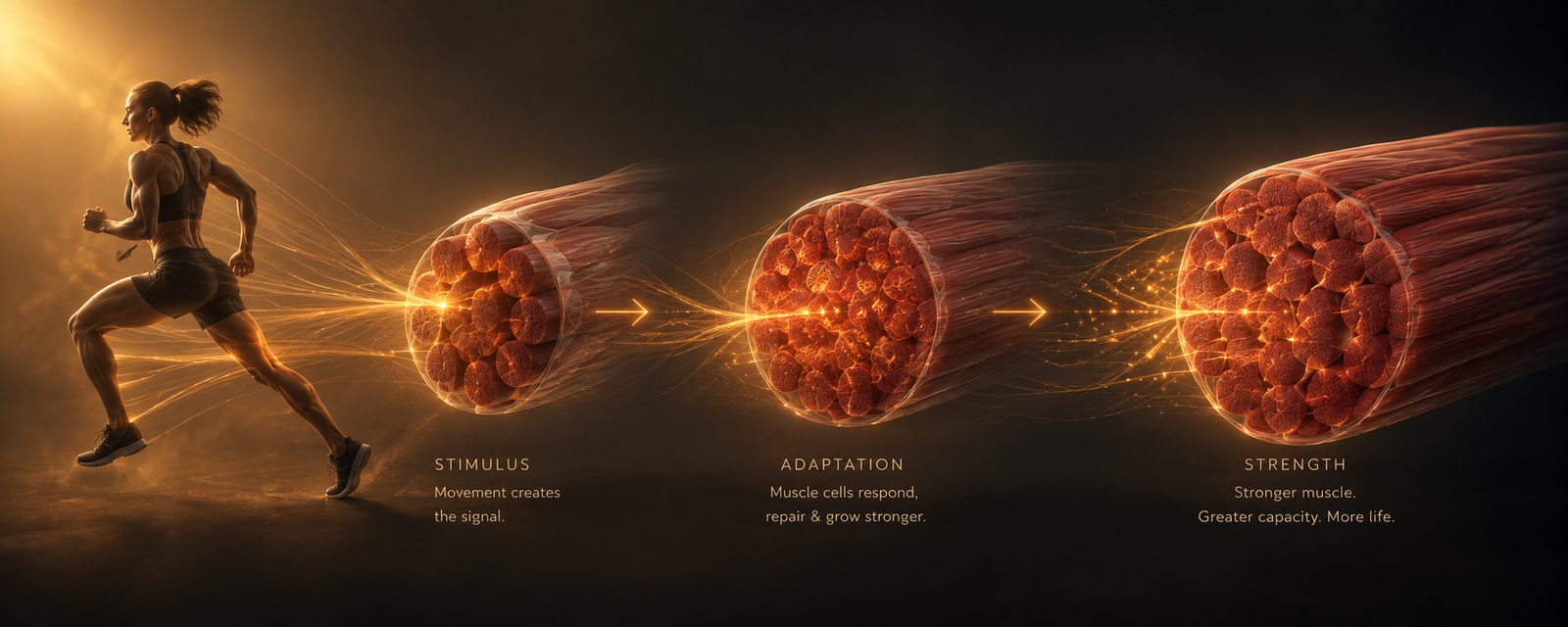
One of the most remarkable qualities of skeletal muscle is that it is never truly static. Unlike many tissues in the body, muscle is constantly adapting to the demands placed upon it. Every walk, every flight of stairs, every hike, every workout, and every time we lift something heavier than usual sends a message that this tissue is needed. The body responds by repairing it, strengthening it, and preparing it for whatever challenge comes next.
The opposite is equally true. When muscles are used less frequently, the body begins to conserve energy by maintaining less of what it no longer believes is essential. This process doesn’t happen overnight, nor is it caused by a single factor. Rather, it reflects the cumulative effect of modern lifestyles that often involve long hours of sitting, reduced physical activity, chronic stress, inadequate protein intake, illness, hormonal changes, and, eventually, the natural biological changes that accompany aging. Muscle simply responds to the signals it receives.
Muscle follows the principle of “use it or lose it.” Far from being a punishment, this is one of the body’s most efficient survival strategies. Maintaining muscle requires energy, so the body continually evaluates whether that investment remains worthwhile. If movement becomes less frequent or less challenging, it gradually shifts its resources elsewhere. The encouraging news is that this process is remarkably adaptable. The same biological systems that allow muscle to decline also allow it to rebuild when given the opportunity.
This ability to adapt is one of muscle’s greatest strengths. Research continues to demonstrate that resistance training, regular movement, and adequate nutrition can stimulate muscle growth and improve function throughout life. While progress may occur more quickly in youth than in later decades, the body never completely loses its ability to respond. Whether someone is beginning an exercise program in their twenties, returning after years away in midlife, or discovering strength training later in life, muscle retains an extraordinary capacity to rebuild itself.
Perhaps that is the most hopeful discovery of all. Muscle is not interested in how old you are or where you’ve been. It responds to what you ask of it today. Every healthy meal, every walk, every set of squats, every stretch, and every decision to remain active becomes another signal that this remarkable organ still has an important role to play.
Building Muscle for Life
If there is one encouraging message woven throughout the science of muscle, it is this: the body never stops listening. Regardless of age, past fitness level, or where the journey begins, skeletal muscle retains an extraordinary ability to respond to the signals we send it. Every healthy choice becomes a conversation with one of the body’s most adaptable organs.
Strength Training: Of all those signals, resistance training remains the most powerful. Whether using free weights, resistance bands, bodyweight exercises, or machines, challenging the muscles encourages them to become stronger, more resilient, and better equipped to meet the demands of everyday life. The goal isn’t to become a competitive athlete or bodybuilder. It is simply to remind the body that strength is still needed. In return, it responds by preserving muscle fibers, supporting healthy metabolism, and improving the countless biological systems connected to them.
Protein and Nutrition: Building muscle also requires the raw materials to repair and rebuild. Every meal containing adequate, high-quality protein provides essential amino acids that help maintain existing muscle while supporting new growth after physical activity. Combined with a diet rich in colorful fruits, vegetables, healthy fats, and minimally processed foods, proper nutrition creates an internal environment where muscle—and the rest of the body—can thrive. For some individuals, targeted nutritional support such as creatine or omega-3 fatty acids may provide additional benefits, an area we’ll explore shortly.
Movement Beyond the Gym: Muscle responds to more than formal exercise. Walking, hiking, climbing stairs, gardening, carrying groceries, playing with children, practicing yoga, dancing, or simply choosing to move more throughout the day all reinforce the message that strength remains valuable. These seemingly ordinary activities accumulate over time, reminding the body that movement is still an essential part of daily life.
Recovery Is Where Growth Happens: One of the greatest misconceptions about exercise is that muscles become stronger during the workout itself. In reality, training provides the stimulus, but recovery is where adaptation takes place. During sleep and periods of rest, the body repairs microscopic muscle fibers, builds new proteins, restores energy stores, and prepares itself for future challenges. Recovery is not the opposite of progress—it is an essential part of it. Emerging therapies and nutritional strategies may further support this natural recovery process, but they work best when built upon the foundations of movement, nutrition, and restorative sleep.
Consistency Over Perfection: Perhaps the most important lesson is that muscle does not respond to occasional bursts of effort nearly as well as it responds to steady, consistent habits. A few strength-training sessions each week, regular movement, thoughtful nutrition, adequate protein, and restorative sleep performed month after month will accomplish far more than any short-lived burst of motivation. The body isn’t looking for perfection. It simply responds to the patterns we repeat.
This may be one of the most empowering truths in all of health science. We cannot control every aspect of our genetics, nor can we prevent every challenge life places in our path. But we can choose the signals we send our bodies each day. Over time, those signals shape not only our muscles, but the resilience, energy, and vitality that allow us to continue living life on our own terms.
Strength Is Really About Freedom
It is easy to think of muscle as something measured in pounds lifted, miles walked, or hours spent in the gym. While those milestones can certainly reflect progress, they are not the true reward. The greatest value of strength is not found in athletic performance or physical appearance. It is found in the quiet confidence of knowing your body is capable of meeting the moments that life places before you.
Strength allows us to say yes more often. Yes to carrying a sleeping child from the car without hesitation. Yes to helping a friend move into a new home. Yes to climbing a mountain trail, spending an afternoon in the garden, exploring a new city on foot, or lifting a suitcase into an overhead compartment without a second thought. These ordinary moments rarely make headlines, yet together they shape the quality of our lives.
As the years pass, that same strength takes on an even deeper meaning. It helps us maintain balance, recover more quickly after illness, remain active in the activities we love, and continue participating fully in the lives of the people who matter most. It is not about resisting the passage of time, but about preserving the freedom to keep engaging with the world on our own terms.
Perhaps this is why scientists have become so interested in skeletal muscle over the past two decades. It is not simply because stronger muscles help us move more weight. It is because healthy muscle supports healthier metabolism, stronger bones, better balance, improved resilience, and countless biological processes that allow us to continue living with vitality. The conversation has shifted from building bigger muscles to building better health.
In the end, muscle is not an investment in appearance. It is an investment in possibility. Every workout, every walk, every nourishing meal, and every decision to keep moving becomes a deposit into a future where we are better equipped to embrace whatever adventures, challenges, and opportunities lie ahead.

Tools for Supporting Healthy Muscle
While resistance training, movement, nutrition, and recovery remain the foundation of lifelong muscle health, research continues to explore additional strategies that may complement these healthy habits. None of these approaches replaces the fundamentals. Rather, they work best when built upon a lifestyle that consistently sends the body the message that strength is both valued and needed.
Creatine: Once associated almost exclusively with athletes and bodybuilders, creatine has become one of the most thoroughly researched nutritional supplements in sports science and healthy aging. By helping recycle ATP—the body’s primary energy currency—creatine supports muscle strength, exercise performance, and recovery. Emerging research also suggests potential benefits for brain health and cognitive function, making it an area of growing interest well beyond the fitness community.
Protein: Muscle cannot rebuild itself without adequate building blocks. Consuming sufficient high-quality protein throughout the day provides the essential amino acids required for repair, recovery, and growth. While individual needs vary, ensuring adequate protein intake becomes increasingly important during periods of exercise, recovery, illness, and throughout the aging process.
Omega-3 Fatty Acids: Known primarily for supporting heart health, omega-3 fatty acids may also contribute to healthier muscle by helping regulate inflammation and supporting recovery after exercise. While they are not a substitute for movement, they represent another way nutrition can help create an internal environment where muscle can thrive.
Vitamin D and Magnesium: These essential nutrients contribute to normal muscle contraction, nerve function, and overall musculoskeletal health. Because deficiencies are relatively common, particularly in certain populations, maintaining healthy levels may support both performance and long-term muscle function.
Emerging Therapies: Scientists continue exploring new approaches to preserving muscle health, including peptide therapies, hormonal optimization when medically appropriate, and regenerative medicine. While many of these areas show promise, they remain complementary strategies rather than replacements for regular movement, thoughtful nutrition, and restorative recovery—the foundations that continue to produce the greatest long-term benefits.
Perhaps the most encouraging discovery is that no single supplement or therapy can replicate what the body already knows how to do. The remarkable ability to build, repair, and strengthen muscle has existed within us all along. Modern science is simply helping us better understand—and support—that extraordinary process.
Closing Reflections
When most people think about muscle, they think about strength.
Science increasingly asks us to think about something much larger.
Every healthy muscle fiber represents far more than the ability to lift a heavier weight or move more quickly. It reflects the body’s remarkable capacity to adapt, repair itself, communicate across organ systems, and prepare for whatever challenges tomorrow may bring. In many ways, muscle becomes a living record of the choices we make—not in a single workout or a single week, but through the quiet patterns we repeat over months and years.
Perhaps that is why preserving muscle is not really about looking younger or delaying the inevitable passage of time. It is about protecting the freedom to continue fully participating in life. The freedom to explore unfamiliar places, to carry a child or grandchild, to work in the garden, to hike a favorite trail, to recover from illness more quickly, and to greet each new season with confidence rather than hesitation.
The encouraging news is that muscle continues listening throughout our lives. It does not dwell on yesterday’s missed workouts or past choices. It simply responds to the signals it receives today. Every walk, every strength-training session, every nourishing meal, every hour of restorative sleep, and every decision to keep moving becomes another conversation with one of the body’s most remarkable organs.
Healthy aging, it turns out, is not built through extraordinary efforts performed once in a while. It is built through ordinary choices repeated with consistency. Muscle simply rewards those choices with greater resilience, greater vitality, and greater capacity to embrace whatever life places before us.
Perhaps that is the real lesson.
We don’t build muscle simply to become stronger.
We build muscle to remain capable of fully living the life we have been given.
Sign up to receive Our Weekly Briefing Newsletter
Begin your journey with weekly insights designed to expand awareness and ground you in truth. Our free tier gives you a powerful introduction without any commitment.
STOP DROWNING IN THE NOISE. START SEEING THE TRUTH. Join over 99,000 truth seekers. Get the essential intelligence, alternative news, and disclosure updates that the mainstream media won’t touch.
Latest Reports
 Monthly ReportConscious Practices · October 2026 EditionOctober 5, 2026
 Weekly ReportAwakening The Sleeping Giant · October 5th EditionOctober 5, 2026
 Weekly ReportAwakening The Sleeping Giant · September 28th EditionSeptember 28, 2026
 Weekly ReportAwakening The Sleeping Giant · September 21st EditionSeptember 21, 2026View all weekly reports
Special Reports
 Special ReportTHE AWAKENING JOURNEY: Hero’s Journey Part II · Week 1October 3, 2026
 Special ReportGlobal Everything Collapse · Economic Chaos · Part IOctober 1, 2026
 Special ReportCreating A Conscious Culture · Part ISeptember 3, 2026
 Special ReportThe Great Healing: Detox, Defense & Sovereignty In an Engineered World · Part ISeptember 1, 2026View all special reports
Help Us Bypass Censorship. Share This.
Join the Discussion
Related Posts
Have questions?
At Great Awakening Report, we are dedicated to supporting your journey toward truth and enlightenment through our specialized Coaching and Consulting services.
Coaching Services: Our coaching programs are designed to guide you through personal awakening and transformation. We offer personalized sessions that focus on expanding consciousness, uncovering hidden truths, and fostering spiritual growth. Our experienced coaches provide the tools and insights necessary to navigate your path with clarity and confidence.
Consulting Services: For organizations and individuals seeking deeper understanding and strategic guidance, our consulting services offer expert analysis and solutions. We delve into areas such as global transitions, alternative news insights, and consciousness studies to provide comprehensive strategies tailored to your unique objectives.
Embark on a transformative journey with our Coaching and Consulting services, and unlock your highest potential. To learn more and schedule a session, visit our Coaching and Consulting pages.
Thank you
Thank you to our subscribers and readers for your continued support and dedication to truth and awakening. Your encouragement, engagement, and belief in our mission make everything we do possible. Together, we are expanding awareness and helping illuminate the path forward.
If you would like to further support the Great Awakening team and our ongoing efforts to share insight, knowledge, and truth, you can DONATE HERE.
With deep gratitude,
– Great Awakening Team
About the Author: Great Awakening Team

We are a community. We are cultural creatives and like minded people seeking the truth and focusing on disclosure, awakening and consciousness. Our focus is real news as researchers, reporters and truth seekers. We are here to teach, to spread the word, to serve and to help. We are a collective, a movement, free from all programing, not closed minded and not discriminatory. We are not political. We are not religious but we are spiritual. We study, research, and report on a wide range of subjects and topics, from the current geopolitical climate to health and wellness, from earth’s history to spiritual practices. We are forward thinkers and visionaries, we are guides for the transition as we usher in The Great Awakening.
THIS WEBSITE DOES NOT PROVIDE MEDICAL ADVICE: The information, including but not limited to text, graphics, images, and other material contained on this website, are for informational purposes only. No material on this site is intended to be a substitute for professional medical advice, diagnosis, or treatment. Always seek the advice of your physician or other qualified health care provider with any questions you may have regarding a medical condition or treatment and before undertaking a new health care regimen, and never disregard professional medical advice or delay in seeking it because of something you have read on this website.
DISCLAIMER: All statements, claims, views and opinions that appear anywhere on this site, whether stated as theories or absolute facts, are always presented by The Great Awakening Report (GAR) as unverified—and should be personally fact checked and discerned by you, the reader.Any opinions or statements herein presented are not necessarily promoted, endorsed, or agreed to by GAR, those who work with GAR, or those who read or subscribe to GAR.Any belief or conclusion gleaned from content on this site is solely the responsibility of you the reader to substantiate.Any actions taken by those who read material on this site are solely the responsibility of the acting party.You are encouraged to think for yourself and do your own research.Nothing on this site is meant to be believed without question or personal appraisal.
COPYRIGHT DISCLAIMER: Citation of articles and authors in this report does not imply ownership. Works and images presented here fall under Fair Use Section 107 and are used for commentary on globally significant newsworthy events. Under Section 107 of the Copyright Act 1976, allowance is made for fair use for purposes such as criticism, comment, news reporting, teaching, scholarship, and research.
COMMUNITY GUIDELINES DISCLAIMER: The points of view and purpose of this video is not to bully or harass anybody, but rather share that opinion and thoughts with other like-minded individuals curious about the subject.