













Help Us Bypass Censorship. Share This.
Sign up to receive Our Weekly Briefing Newsletter
Begin your journey with weekly insights designed to expand awareness and ground you in truth. Our free tier gives you a powerful introduction without any commitment.
⚕️ Medical Disclaimer: The information in this article is for educational purposes only and does not constitute medical advice. GAR does not recommend stopping or replacing any prescribed treatment. Always consult a qualified healthcare professional before making decisions about cancer treatment. We present, you decide.
The global oncology drug market reached $176 billion in revenue in 2021, according to Statista, more than double the revenue of the next largest pharmaceutical category. Among the world’s ten largest pharmaceutical companies, revenues from cancer drugs increased by 70% over the preceding decade, per a peer-reviewed analysis published in JAMA Internal Medicine. Annual Medicare spending on oncology medications alone more than doubled between 2016 and 2020, according to Bloomberg reporting cited by the Pharma Reform Alliance.
These numbers matter because they establish the financial context for everything that follows. The alternative cancer treatments discussed in this article are not fringe folklore, several have peer-reviewed research behind them, have been used in integrative clinical settings for decades, and have generated results compelling enough that researchers at institutions including the National Cancer Institute, the National Institutes of Health, and major university medical centers are actively studying them.
They are also not the subject of large-scale pharmaceutical investment. The reason is straightforward: most of them cannot be patented. And in the current structure of the cancer treatment industry, where drug approval requires clinical trials that cost hundreds of millions of dollars, trials funded primarily by companies with patent-protected financial interests in the outcome, what cannot be patented is structurally unlikely to receive the research investment required for mainstream adoption.
This is the health freedom frame the Great Awakening Report has always applied to suppressed medicine: not that every alternative treatment works, but that every patient deserves to be fully informed about what the evidence actually shows. What follows is that evidence, tiered honestly, sourced carefully, and offered in the spirit of informed decision-making. For broader context on health freedom and suppressed research, see our Health Watch archive.
The Cancer Industry Profit Structure: Why Suppression Makes Financial Sense
Before examining the treatments, understand the system they’re operating within.
The phrase “Big Pharma cancer profits” sounds conspiratorial until you look at the actual numbers and the structural incentives they create.
The cancer drug development pipeline is not a neutral scientific enterprise. It is a financial enterprise operating within a scientific framework. The FDA approval process for a new cancer drug costs an estimated $1–2 billion and takes 10–15 years. That investment is only financially viable for compounds that can be patent-protected, meaning synthetic molecules or novel biological agents that a pharmaceutical company can own exclusively and price accordingly.
Natural compounds, vitamin C, cannabis-derived cannabinoids, dietary protocols, frequency-based approaches, cannot be patent-protected in their base forms. No pharmaceutical company can spend $1 billion studying a protocol and then exclusively own it to recoup the investment. The financial mechanism that funds mainstream cancer research is structurally incompatible with studying most natural or integrative approaches at the scale required for mainstream adoption.
This is not a secret. It is a structural feature of the current system, acknowledged by health economists, medical ethicists, and oncology researchers who work within it. The result: cancer industry profits are concentrated in chemotherapy agents, targeted therapies, and immunotherapies, all patentable, all expensive, all generating the revenue streams that fund the research infrastructure. Approaches that don’t fit the patent model receive funding primarily from smaller research institutions, integrative medicine departments, and government grants, far less than their potential warrants.
What follows is what researchers have found anyway, with the funding they had. For our broader investigation into pharmaceutical industry practices and suppressed research, see the full Health Watch archive.
Alternative Cancer Treatments: High-Dose Vitamin C
One of the most studied, and most underinvested, areas of integrative oncology.
[DOCUMENTED, peer-reviewed research, active clinical trials]
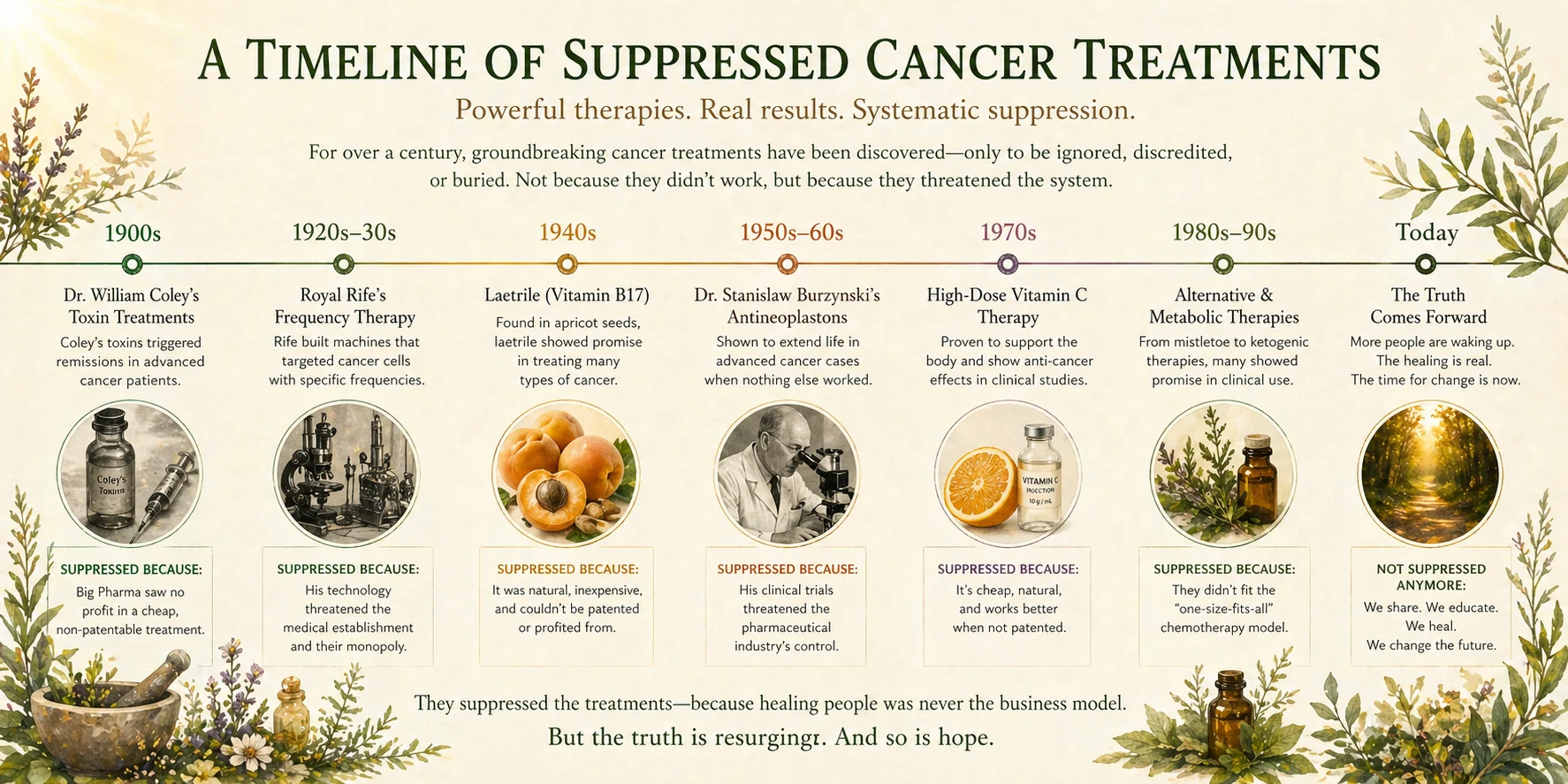
Intravenous high-dose vitamin C (IVC) has been studied as an adjunct to conventional cancer treatment for decades. The research history begins with Nobel Prize-winning chemist Linus Pauling and Scottish physician Ewan Cameron, whose 1970s studies at the Vale of Leven Hospital found that terminal cancer patients receiving high-dose vitamin C survived significantly longer than control patients, results contested by Mayo Clinic oral vitamin C trials, a methodological difference (oral vs. intravenous) that subsequent research has shown to be critical.
The distinction matters because intravenous vitamin C achieves plasma concentrations 100–500 times higher than oral supplementation, concentrations that, in laboratory and early clinical research, have shown selective toxicity toward cancer cells while leaving healthy cells relatively unaffected. The mechanism: at pharmacological concentrations, vitamin C acts as a pro-oxidant, generating hydrogen peroxide in the tumor microenvironment that cancer cells, which lack the enzyme catalase needed to neutralize it, cannot survive.
A 2022 review in ScienceDirect confirmed: “Early clinical studies across various cancer types have confirmed the safety of high-dose vitamin C administered via intravenous injection.” A peer-reviewed PMC analysis further documented that “pharmacological doses of Vit-C from 0.3–20 mmol/L preferentially target and kill cancer cells.” The National Institutes of Health has conducted its own research confirming the pharmacological plausibility of the approach, and active clinical trial NCT03146962, registered on ClinicalTrials.gov, is currently studying IVC in solid tumor malignancies.
The National Cancer Institute’s own website acknowledges that “high-dose vitamin C has been studied as a treatment for patients with cancer” and that “laboratory studies have shown that high doses of vitamin C may slow the growth and spread of certain types of cancer cells.”
The question is not whether the evidence exists. It is why this evidence has not translated into mainstream adoption after fifty years of research.
Cannabis and Cannabinoids in Cancer Treatment
The NCI’s own database acknowledges what mainstream oncology rarely discusses.
[DOCUMENTED, NCI and peer-reviewed research]
The cannabis cancer treatment evidence base has grown substantially in the past decade, and the most significant acknowledgment of that evidence comes not from alternative media but from the National Cancer Institute itself.
The NCI’s Cancer Information Summary on cannabis and cannabinoids, available at cancer.gov, documents the following research findings:
- Cannabinoids have been shown to inhibit tumor growth in laboratory animals by causing cancer cell death, blocking cell growth, and blocking the development of blood vessels that tumors need to grow.
- Studies in mice and rats have shown cannabinoids may inhibit tumor growth and cause cancer cell death for specific cancer types including brain, breast, liver, and colon cancer.
- Cannabidiol (CBD) has been shown to stop cancer cells from dividing and invading normal tissue in laboratory research.
- Cannabinoids have demonstrated documented palliative value in cancer patients for nausea, pain, and appetite stimulation, effects for which pharmaceutical synthetic cannabinoids (Marinol, Nabilone) are actually FDA-approved.
The distinction the NCI makes clearly, and that GAR’s posture requires us to make equally clearly, is that while laboratory and animal research is promising, randomized clinical trial evidence in human cancer patients remains limited. A 2019 peer-reviewed review in PMC confirms cannabinoids show genuine anti-tumor mechanisms in preclinical research, while noting that some studies have shown complex effects on immune function requiring further investigation.
The honest picture is one of significant promise that has not received the clinical trial investment its preclinical evidence warrants, for the structural reasons described above. Integrative oncologists at institutions including the Society for Integrative Oncology are increasingly incorporating cannabinoid discussions into patient care, particularly for symptom management and quality of life.
The Budwig Protocol: Johanna Budwig’s Research and Its Legacy
A German biochemist’s work that mainstream oncology barely acknowledges and cannot seem to disprove.
[PARTIALLY DOCUMENTED, practitioner reports and case studies; formal clinical trial evidence limited]
Dr. Johanna Budwig was a German biochemist and pharmacologist, nominee for the Nobel Prize in Chemistry seven times, who developed her nutritional cancer protocol in the 1950s based on her research into the role of electron-rich fatty acids in cellular function and oxygen metabolism. Her central finding: that the combination of sulfur-rich proteins (specifically quark or cottage cheese) with cold-pressed flaxseed oil created a water-soluble form of essential fatty acids she believed restored normal cellular function and oxygen uptake in cancer cells.
Published research is limited, but a 2012 PMC analysis of anti-cancer diet components documented the biological rationale for Budwig’s key nutritional components, including omega-3 fatty acid research and the documented anti-inflammatory and anti-proliferative properties of lignans in flaxseed. The nutritional science underlying the Budwig approach has genuine research support, the anti-inflammatory, omega-3-rich dietary pattern she advocated decades before mainstream oncology began studying nutrition in cancer aligns with current evidence-based nutritional oncology in significant ways.
MD Anderson Cancer Center’s dietitian assessment, “there’s no research to support the Budwig diet for cancer treatment or prevention”, is technically accurate about formal clinical trial evidence while being silent on the substantial body of nutritional research supporting its component parts. GAR notes both.
Royal Rife and Frequency Medicine Cancer Research
The history is documented. The clinical claims require careful reading.
[HISTORICALLY DOCUMENTED, clinical claims partially supported by modern frequency research]
Royal Raymond Rife was an American inventor and microscopist who, in the 1930s, developed a high-magnification microscope capable of viewing living microorganisms and claimed to identify specific electromagnetic frequencies that could selectively destroy pathogens and cancer cells without harming surrounding healthy tissue. His work attracted attention from prominent physicians including Dr. Milbank Johnson, who organized clinical trials in the 1930s with reported results that were never published in peer-reviewed literature. Rife’s equipment was subsequently destroyed, his research suppressed, and the history of what happened to him remains one of the most documented cases of institutional suppression in alternative medicine history.
The modern frequency medicine cancer research landscape is more nuanced than the Rife origin story. A 2013 peer-reviewed study in PMC (Zimmerman et al., cited 128 times) documented that “intrabuccal administration of 27.12 MHz radiofrequency electromagnetic fields, amplitude-modulated at tumor-specific frequencies” produced statistically significant effects in cancer cell lines and early human trials, specifically in hepatocellular carcinoma. The lead researcher was associated with the University of Miami Miller School of Medicine. This is peer-reviewed, published frequency medicine cancer research, not testimonial.
The FDA has not approved Rife machines for cancer treatment, and Cancer Research UK’s assessment is that current commercial Rife devices cannot be shown to cure cancer by the evidence standards they apply. GAR’s position: the 1930s history is documented and the suppression of Rife’s work is a matter of historical record; modern frequency medicine research is a legitimate area of scientific inquiry that warrants far more investment than it receives; commercial devices making specific curative claims should be evaluated critically and never substituted for conventional treatment without qualified medical supervision.
Gerson Therapy: The Metabolic Approach That Won’t Go Away
One of the oldest and most debated protocols in integrative oncology.
[PARTIALLY DOCUMENTED, case studies and practitioner reports; formal clinical trial evidence limited]
Dr. Max Gerson was a German-American physician who developed his metabolic cancer therapy in the 1920s–30s, initially as a treatment for tuberculosis and then, following observed clinical results, as a cancer protocol. The Gerson therapy cancer protocol involves a high-nutrient organic vegetarian diet, raw juices (13 glasses daily), specific supplements including potassium, iodine, and thyroid extract, and coffee enemas, the last of which has a documented mechanism: stimulating the liver’s bile duct system to increase detoxification capacity.
A 2007 analysis published in Integrative Cancer Therapies, “Surviving Against All Odds: Analysis of 6 Case Studies of Patients With Cancer Who Followed the Gerson Therapy”, documented patients with advanced cancers, including ovarian cancer and melanoma, who achieved outcomes significantly better than statistical expectation following Gerson therapy. The authors were from the University of Manchester and the University of Hong Kong. The limitation: six cases do not constitute a clinical trial; selection bias cannot be excluded.
Cancer Research UK’s position is that “there is no scientific evidence to use it as a treatment for cancer.” This is true in terms of randomized controlled trial evidence. It is not true in terms of peer-reviewed published research on its component mechanisms or reported outcomes. The full truth is somewhere between the enthusiastic practitioner claims and the institutional dismissal.
Holistic Cancer Treatment: The Integrative Framework Mainstream Oncology Is Finally Adopting
The most important shift in oncology in twenty years is integrative medicine, quietly.
[DOCUMENTED, mainstream oncology trend, peer-reviewed evidence base]
The most significant development in the holistic cancer treatment landscape in the past decade is not the work of alternative practitioners, it is the slow, largely unreported shift happening within mainstream oncology itself.
The Society for Integrative Oncology (SIO), a legitimate, credentialed medical organization, publishes peer-reviewed guidelines on integrative therapies in cancer care that now include evidence-based recommendations for acupuncture, meditation, yoga, nutritional interventions, and mind-body practices as adjuncts to conventional cancer treatment. The 2023 SIO guidelines on integrative therapies for breast cancer, published in the Journal of the National Cancer Institute, represent the most significant mainstream endorsement of integrative approaches in oncology to date.
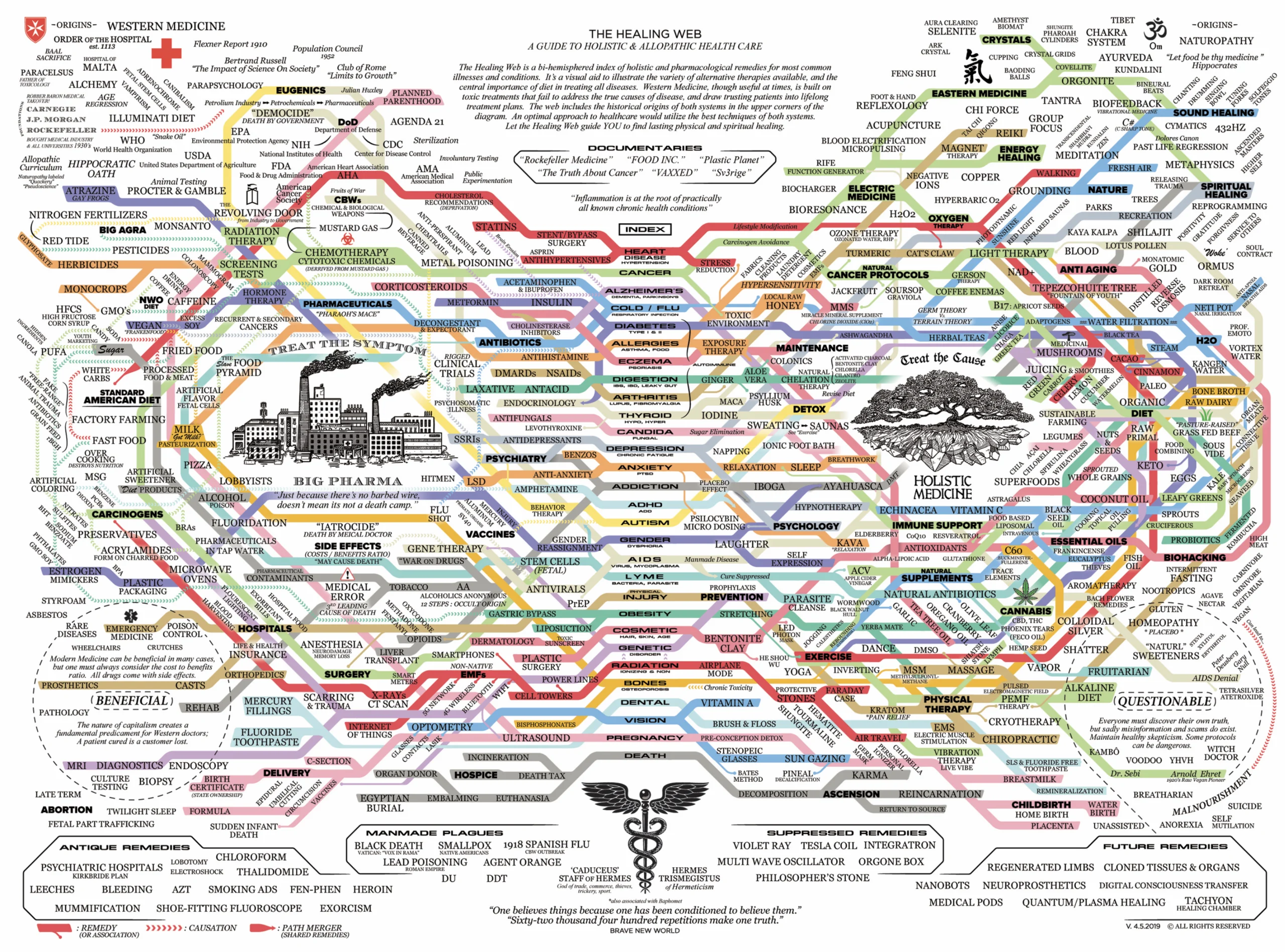
What is happening at the integrative frontier of mainstream oncology is, in many respects, the partial validation of what holistic practitioners have been saying for decades: that cancer is not simply a localized pathological event to be targeted with systemic toxins, but a systemic expression of biological terrain, of immune function, inflammation, metabolic health, emotional state, and cellular environment, and that addressing the terrain alongside the tumor produces better outcomes.
Studies on stress reduction and cancer outcomes, on the impact of sleep and circadian rhythm on tumor biology, on the anti-tumor properties of fasting-mimicking diets, and on the role of the microbiome in treatment response are all actively published in mainstream oncology journals. The integrative oncology framework, which many alternative practitioners in the GAR Health Watch archive have covered for years, is being validated piece by piece by the research establishment that once dismissed it.
Natural Cancer Treatments: What You Can Do With This Information
Health freedom is not a rejection of medicine. It is the insistence on being fully informed within it.
The purpose of this article is not to tell you what treatment to choose. It is to give you a more complete picture of what the evidence shows, and to make the case that every person facing a cancer diagnosis deserves access to that complete picture, not only the portion of it that aligns with pharmaceutical investment interests.
If you or someone you love is navigating cancer, here is what GAR recommends in the spirit of health freedom:
- Find an integrative oncologist. Practitioners board-certified in both conventional oncology and integrative medicine exist. The Society for Integrative Oncology maintains a provider directory. These physicians can discuss evidence-based complementary approaches alongside conventional treatment options.
- Access the primary research directly. The NCI’s Cannabis and Cannabinoids PDQ, the ClinicalTrials.gov database, NIH vitamin C research, and PubMed are all publicly accessible. The evidence is available to read firsthand.
- Ask the questions your oncologist may not raise. What is the evidence base for the recommended protocol? What are the full range of options at this stage? What complementary approaches does the evidence support alongside the recommended treatment? These are legitimate medical questions that every patient has the right to ask.
- Understand the financial context. Treatment recommendations exist within a system that has structural financial incentives. That does not mean conventional treatment is wrong, in many cases it is the best available option. It means the system should be understood clearly as you navigate it.
The Great Awakening Report’s Health Watch archive exists because informed patients make better decisions. And because the right to be fully informed about your own health is non-negotiable.
For related investigations, see our reports on suppressed medical research and pharmaceutical industry practices in the Health Watch archive.
Explore the full GAR Health Watch archive, including our investigations into pharmaceutical industry practices, suppressed medical research, and holistic health, available to Standard and Premium subscribers. Join 99,000+ truth seekers here →
Sign up to receive Our Weekly Briefing Newsletter
Begin your journey with weekly insights designed to expand awareness and ground you in truth. Our free tier gives you a powerful introduction without any commitment.
STOP DROWNING IN THE NOISE. START SEEING THE TRUTH. Join over 99,000 truth seekers. Get the essential intelligence, alternative news, and disclosure updates that the mainstream media won’t touch.
Latest Reports
 Monthly ReportConscious Practices · October 2026 EditionOctober 5, 2026
 Weekly ReportAwakening The Sleeping Giant · October 5th EditionOctober 5, 2026
 Weekly ReportAwakening The Sleeping Giant · September 28th EditionSeptember 28, 2026
 Weekly ReportAwakening The Sleeping Giant · September 21st EditionSeptember 21, 2026View all weekly reports
Special Reports
 Special ReportTHE AWAKENING JOURNEY: Hero’s Journey Part II · Week 1October 3, 2026
 Special ReportGlobal Everything Collapse · Economic Chaos · Part IOctober 1, 2026
 Special ReportCreating A Conscious Culture · Part ISeptember 3, 2026
 Special ReportThe Great Healing: Detox, Defense & Sovereignty In an Engineered World · Part ISeptember 1, 2026View all special reports
Help Us Bypass Censorship. Share This.
Join the Discussion
Related Posts
Have questions?
At Great Awakening Report, we are dedicated to supporting your journey toward truth and enlightenment through our specialized Coaching and Consulting services.
Coaching Services: Our coaching programs are designed to guide you through personal awakening and transformation. We offer personalized sessions that focus on expanding consciousness, uncovering hidden truths, and fostering spiritual growth. Our experienced coaches provide the tools and insights necessary to navigate your path with clarity and confidence.
Consulting Services: For organizations and individuals seeking deeper understanding and strategic guidance, our consulting services offer expert analysis and solutions. We delve into areas such as global transitions, alternative news insights, and consciousness studies to provide comprehensive strategies tailored to your unique objectives.
Embark on a transformative journey with our Coaching and Consulting services, and unlock your highest potential. To learn more and schedule a session, visit our Coaching and Consulting pages.
Thank you
Thank you to our subscribers and readers for your continued support and dedication to truth and awakening. Your encouragement, engagement, and belief in our mission make everything we do possible. Together, we are expanding awareness and helping illuminate the path forward.
If you would like to further support the Great Awakening team and our ongoing efforts to share insight, knowledge, and truth, you can DONATE HERE.
With deep gratitude,
– Great Awakening Team
About the Author: Great Awakening Team

DISCLAIMER: All statements, claims, views and opinions that appear anywhere on this site, whether stated as theories or absolute facts, are always presented by The Great Awakening Report (GAR) as unverified—and should be personally fact checked and discerned by you, the reader.Any opinions or statements herein presented are not necessarily promoted, endorsed, or agreed to by GAR, those who work with GAR, or those who read or subscribe to GAR.Any belief or conclusion gleaned from content on this site is solely the responsibility of you the reader to substantiate.Any actions taken by those who read material on this site are solely the responsibility of the acting party.You are encouraged to think for yourself and do your own research.Nothing on this site is meant to be believed without question or personal appraisal.
COPYRIGHT DISCLAIMER: Citation of articles and authors in this report does not imply ownership. Works and images presented here fall under Fair Use Section 107 and are used for commentary on globally significant newsworthy events. Under Section 107 of the Copyright Act 1976, allowance is made for fair use for purposes such as criticism, comment, news reporting, teaching, scholarship, and research.
COMMUNITY GUIDELINES DISCLAIMER: The points of view and purpose of this video is not to bully or harass anybody, but rather share that opinion and thoughts with other like-minded individuals curious about the subject.