

Help Us Bypass Censorship. Share This.
Sign up to receive Our Weekly Briefing Newsletter
Begin your journey with weekly insights designed to expand awareness and ground you in truth. Our free tier gives you a powerful introduction without any commitment.
“The world is governed by very different personages from what is imagined by those who are not behind the scenes.” — Benjamin Disraeli
Introduction: Who Really Governs?
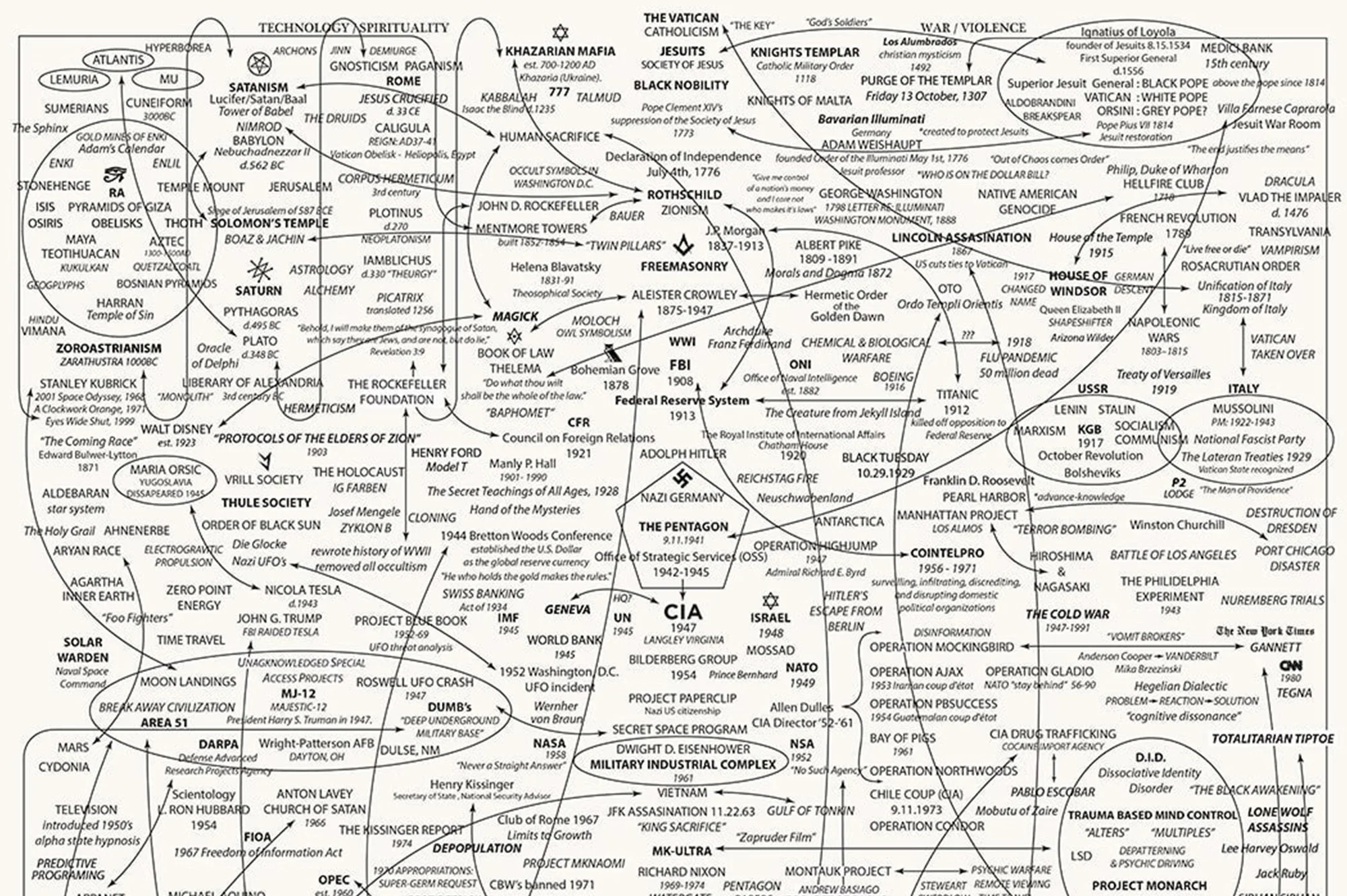
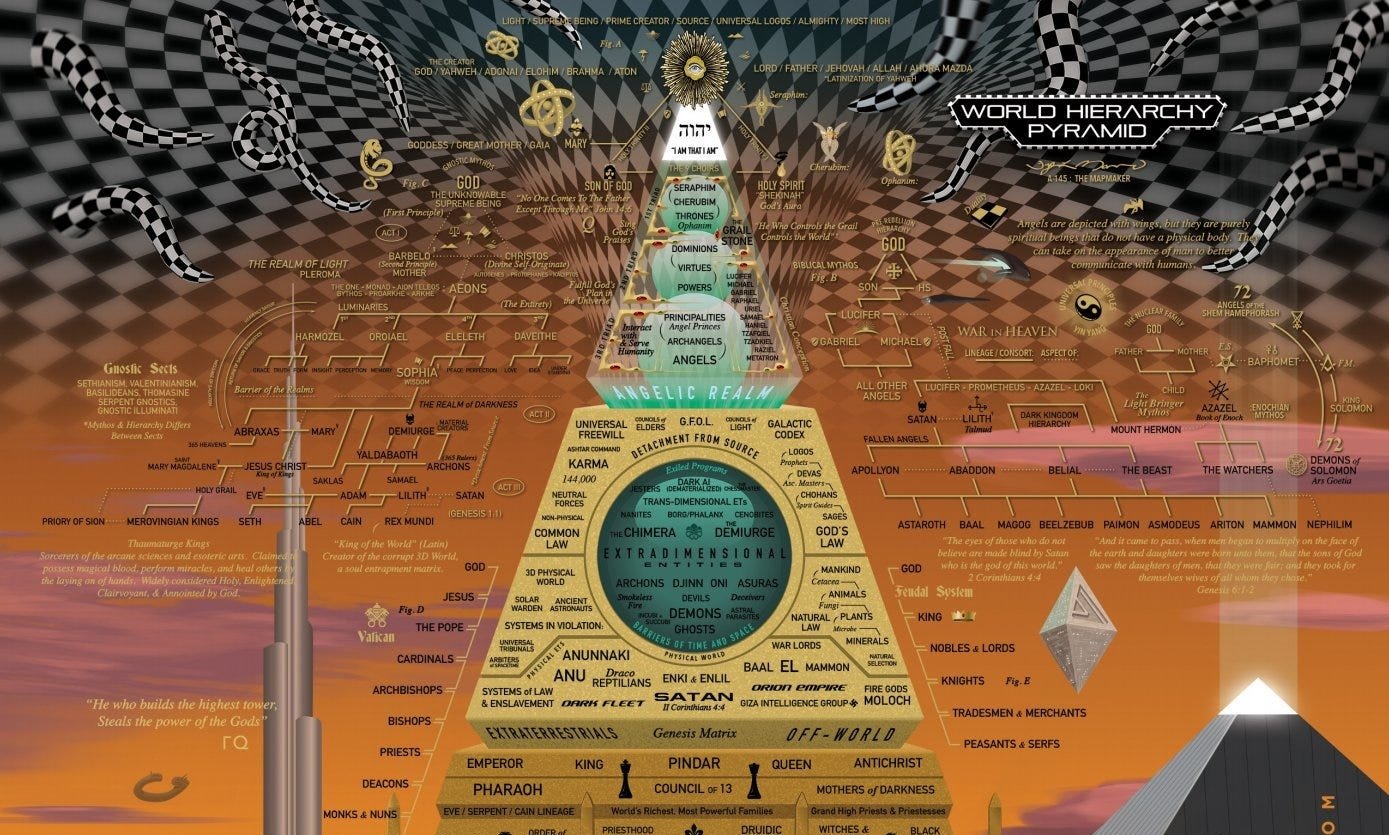
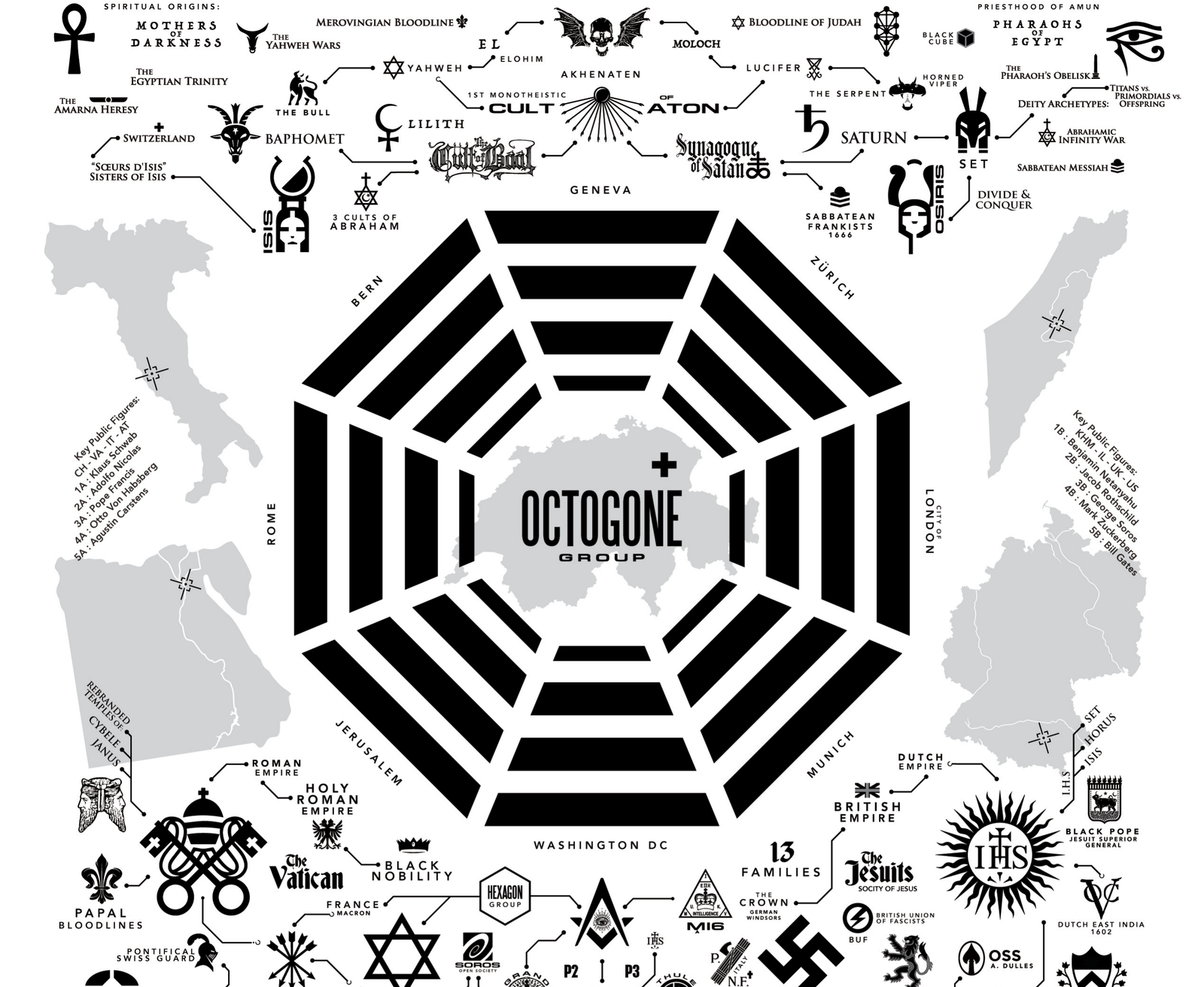
Every era eventually returns to the same question, though it asks it in different language: who truly governs society? Is power exercised primarily through elections, public debate, and the institutions citizens can see, or does a deeper architecture of unelected power operate beneath the visible surface of politics?
For many years, such questions were dismissed outright. Yet in the modern world, governance has become too complex to explain through ballots alone. Behind the theater of campaigns, speeches, scandals, and party rivalry exists a more enduring network of finance, bureaucracy, intelligence agencies, corporate lobbying, regulatory systems, media influence, and international institutions that often remain largely intact regardless of who wins office.
This does not require belief in cinematic conspiracies or a single hidden group pulling every string. In many cases, power is exercised far more quietly than that. It moves through incentives, access, continuity, dependency, and the gradual concentration of authority in places ordinary citizens neither elected nor meaningfully control.
The central question of our time may not be whether someone secretly rules the world. It may be whether too much influence has accumulated in structures designed to operate beyond public scrutiny.
The Permanent Layer of Unelected Power Beneath Politics
Most people are taught to understand politics through election cycles. Parties compete, leaders rise and fall, promises are made, and each new administration presents itself as a turning point. Yet beneath this rotating stage sits a more permanent layer of governance that changes far more slowly.
Civil service bureaucracies, intelligence institutions, central banks, defense establishments, regulatory agencies, judicial networks, and administrative departments often remain in place for decades. Elected officials may announce priorities, but permanent institutions frequently determine how policy is implemented, delayed, diluted, or preserved. They possess technical expertise, institutional memory, internal loyalties, and a natural instinct toward self-preservation.
Every functioning society requires continuity. No nation could survive if the machinery of state were dismantled and rebuilt every four years. Yet continuity can gradually harden into insulated, unelected power, where systems become more responsive to themselves than to the public they were created to serve. It is within this gap that many citizens begin to sense the difference between democratic appearance and administrative reality.
Wealth, Dynasty, and the Long Reach of Influence
Political power has always intersected with wealth. Modern democracies may distribute office through elections, but capital often shapes the environment in which elected officials operate.
Throughout the twentieth century, families such as the Rockefeller family became synonymous with industrial-era influence. Through energy, finance, philanthropy, education, medicine, and policy institutions, their reach extended far beyond business. Foundations and endowments helped shape universities, research priorities, global development initiatives, and public health agendas for generations.
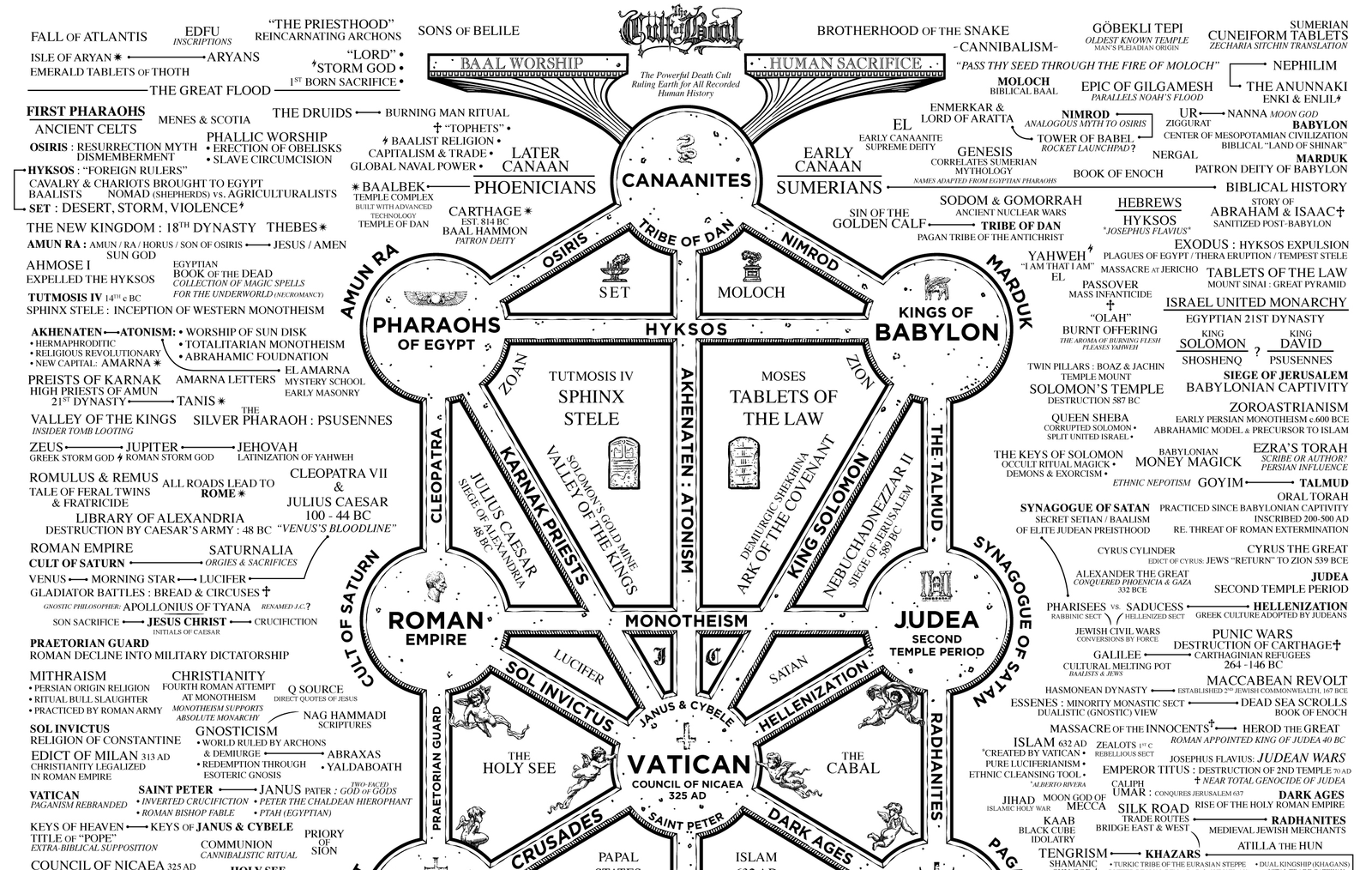
The Rothschild family, whose prominence emerged through nineteenth-century European finance, became another enduring symbol of dynastic leverage. While modern claims about their present-day control are often exaggerated, their historical significance illustrates a larger truth: concentrated wealth can influence governments, markets, wars, and the terms under which nations borrow and grow.
Historical discourse has also attached symbolic significance to religious and institutional centers of influence, including references to the “Black Pope,” a nickname historically associated with the leader of the Society of Jesus. Whether invoked seriously or symbolically, such language reflects a recurring public intuition that visible leadership and deeper authority are not always the same thing.
The lesson is not that any single family or institution secretly directs the modern world. It is that wealth, networks, and legacy institutions often preserve unelected power across generations long after the public spotlight has moved elsewhere.
Intelligence, Secrecy, and the Hidden State
Another layer of unelected power emerges through intelligence and national security structures. History offers ample evidence that governments sometimes operate beyond public awareness in the name of strategic necessity.
Declassified programs ranging from covert foreign interventions to surveillance abuses and MKUltra demonstrate that secrecy can shield profound overreach. These episodes do not validate every rumor or sensational claim, but they do establish something important: skepticism toward unchecked, unelected power is not irrational. See also our Special Report: Conspiracy Theory vs Conspiracy Fact.
Modern states now possess surveillance capacities, cyber tools, behavioral data systems, and classified budgets on a scale previous generations could scarcely imagine. Much of this may be justified under legitimate security concerns. Yet whenever vast authority exists without meaningful scrutiny, trust becomes fragile. In that vacuum, speculation naturally grows.
The healthy response is neither blind faith nor permanent paranoia. It is the recognition that secrecy, left unbalanced by oversight, tends to expand itself.
Corporate Governance Without the Ballot Box
Power in the twenty-first century is not held by governments alone. It increasingly flows through multinational corporations, financial institutions, philanthropic foundations, consulting networks, and transnational forums that operate in the space between public and private authority.
Organizations such as the World Economic Forum openly convene heads of state, CEOs, financiers, media leaders, academics, and policy experts to discuss the future of economics, technology, health, energy, and governance. Supporters see this as necessary cooperation in an interconnected world. Critics view it as unelected power, governance drifting away from voters and toward those with access.
Similar debates surround institutions such as the United Nations, development banks, trade bodies, and global policy frameworks. Cooperation between nations can be valuable and often necessary. Yet when decision-making rises too far above local accountability, citizens increasingly feel that power has moved beyond their reach.
The defining tension of the modern age may not be nationalism versus globalism, as commonly portrayed, but democratic accountability versus managerial centralization.
Division as a Political Technology
One reason this legitimacy gap persists is that public attention is often channeled into left-versus-right conflict, where citizens are encouraged to view one another as the primary threat.
Elections become emotionally charged battles. Cultural disputes consume headlines. Political identity hardens into tribal loyalty. Citizens invest enormous energy battling neighbors, coworkers, and family members over partisan narratives, while many deeper systems of finance, bureaucracy, lobbying influence, surveillance capacity, and administrative continuity remain comparatively undisturbed.
When populations fight horizontally, they often stop questioning vertically. Division can be politically useful because it redirects scrutiny away from the unelected power structures that endure regardless of which party wins office.
The visible stage changes actors. The architecture behind the stage often remains.
The Five Levers of Modern Power
Throughout history, power has rarely depended on force alone. More often, it is maintained through the management of conditions that shape daily life.
Political dissension remains one of the most effective levers. A divided public is easier to steer than a unified one, especially when outrage consumes the attention that might otherwise be directed toward entrenched systems.
Money may be even more central. Debt, inflation, taxation, wage stagnation, and unequal access to capital quietly shape behavior without visible coercion. Financial dependency can discipline populations more effectively than overt force. When citizens live under constant economic pressure, their capacity for resistance, reflection, and civic engagement narrows.
Food has historically served as another instrument of leverage. Scarcity, supply-chain fragility, rising prices, and dependence on centralized systems can generate insecurity quickly. Societies worried about basic sustenance rarely focus on higher-order governance questions.
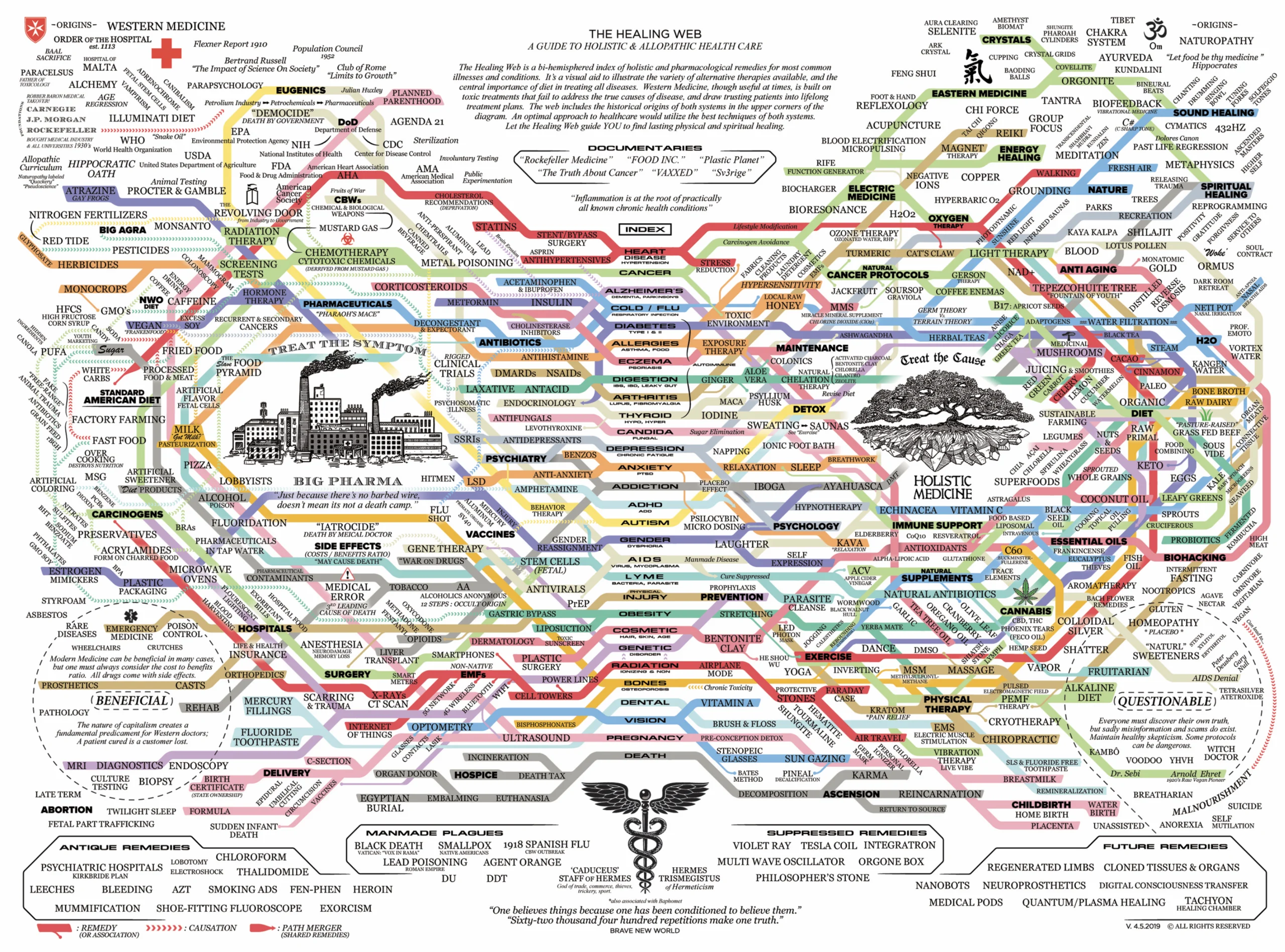
Medicine, particularly during crisis periods, can become a powerful channel of authority. Public health systems play an essential and often noble role, yet emergencies can also expand institutional power rapidly when fear overrides informed consent and open debate.
Above all, fear remains the oldest accelerant of control. Fear narrows thought, shortens time horizons, increases compliance, and causes populations to surrender freedoms in exchange for promises of safety. Whether the fear is economic, political, medical, or military, anxious societies are more easily managed than confident ones.
The Crisis of Legitimacy
Many citizens struggle to articulate what they sense. They may reach for dramatic language—deep state, cabal, globalists—not because they possess evidence of a single omnipotent enemy, but because they perceive a widening gap between official narratives and lived reality.
They notice that elections often change personalities more than systems. They observe that major financial actors are rescued while ordinary citizens absorb losses. They see wars continue across administrations, bureaucracies expand regardless of campaign rhetoric, and institutions rarely admit meaningful error. They witness crises that often increase surveillance, centralization, or corporate consolidation more than they restore public trust.
These perceptions do not prove that unelected power is omnipotent. They do reveal something serious: a legitimacy problem. When citizens increasingly believe that decisions are made elsewhere, democratic systems begin to lose moral authority even if their procedures remain intact.
Networks, Not Masterminds
The strongest explanation for modern unelected power is rarely a single secret group controlling everything. Reality is usually more distributed, more ordinary, and therefore harder to confront.
Governments seek stability. Corporations seek growth. Bureaucracies protect continuity. Political actors pursue reelection. Financial institutions seek leverage. Media organizations seek audience and access.
Each actor follows its own incentives. Yet those incentives often align in ways that reinforce existing systems.
That distinction matters. It moves the conversation from mythology to mechanism.
The Path Forward
If unelected power has grown too large, the answer is not paranoia or despair. It is renewal through clarity, decentralization, and civic maturity.
Citizens can demand greater transparency in policymaking, clearer disclosure of lobbying influence, stronger boundaries between public office and private enrichment, meaningful privacy protections, and media systems less dependent on concentrated ownership.
They can also support local governance where possible, because communities closest to consequences often govern with greater humility.
Most importantly, they can reclaim discernment. A free society depends on citizens who can question power without being consumed by fear.
Final Thought
The modern question is not who secretly owns the world.
It is whether power has become so concentrated, so insulated, and so difficult to track that democratic participation risks becoming symbolic while real authority quietly migrates elsewhere.
Governments may change with the seasons. Headlines rise and fall. Leaders come and go.
But unless citizens understand the deeper structures beneath the surface, the architecture of unelected power often remains exactly where it has always been.
Sign up to receive Our Weekly Briefing Newsletter
Begin your journey with weekly insights designed to expand awareness and ground you in truth. Our free tier gives you a powerful introduction without any commitment.
STOP DROWNING IN THE NOISE. START SEEING THE TRUTH. Join over 99,000 truth seekers. Get the essential intelligence, alternative news, and disclosure updates that the mainstream media won’t touch.
Latest Reports
 Weekly ReportAwakening The Sleeping Giant · October 12th EditionOctober 12, 2026
 Monthly ReportConscious Practices · October 2026 EditionOctober 5, 2026
 Weekly ReportAwakening The Sleeping Giant · October 5th EditionOctober 5, 2026
 Weekly ReportAwakening The Sleeping Giant · September 28th EditionSeptember 28, 2026View all weekly reports
Special Reports
 Special ReportTHE AWAKENING JOURNEY: Hero’s Journey Part II · Week 1October 3, 2026
 Special ReportGlobal Everything Collapse · Economic Chaos · Part IOctober 1, 2026
 Special ReportCreating A Conscious Culture · Part ISeptember 3, 2026
 Special ReportThe Great Healing: Detox, Defense & Sovereignty In an Engineered World · Part ISeptember 1, 2026View all special reports
Help Us Bypass Censorship. Share This.
Join the Discussion
Related Posts

Have questions?
At Great Awakening Report, we are dedicated to supporting your journey toward truth and enlightenment through our specialized Coaching and Consulting services.
Coaching Services: Our coaching programs are designed to guide you through personal awakening and transformation. We offer personalized sessions that focus on expanding consciousness, uncovering hidden truths, and fostering spiritual growth. Our experienced coaches provide the tools and insights necessary to navigate your path with clarity and confidence.
Consulting Services: For organizations and individuals seeking deeper understanding and strategic guidance, our consulting services offer expert analysis and solutions. We delve into areas such as global transitions, alternative news insights, and consciousness studies to provide comprehensive strategies tailored to your unique objectives.
Embark on a transformative journey with our Coaching and Consulting services, and unlock your highest potential. To learn more and schedule a session, visit our Coaching and Consulting pages.
Thank you
Thank you to our subscribers and readers for your continued support and dedication to truth and awakening. Your encouragement, engagement, and belief in our mission make everything we do possible. Together, we are expanding awareness and helping illuminate the path forward.
If you would like to further support the Great Awakening team and our ongoing efforts to share insight, knowledge, and truth, you can DONATE HERE.
With deep gratitude,
– Great Awakening Team
About the Author: Great Awakening Team

We are a community. We are cultural creatives and like minded people seeking the truth and focusing on disclosure, awakening and consciousness. Our focus is real news as researchers, reporters and truth seekers. We are here to teach, to spread the word, to serve and to help. We are a collective, a movement, free from all programing, not closed minded and not discriminatory. We are not political. We are not religious but we are spiritual. We study, research, and report on a wide range of subjects and topics, from the current geopolitical climate to health and wellness, from earth’s history to spiritual practices. We are forward thinkers and visionaries, we are guides for the transition as we usher in The Great Awakening.
THIS WEBSITE DOES NOT PROVIDE MEDICAL ADVICE: The information, including but not limited to text, graphics, images, and other material contained on this website, are for informational purposes only. No material on this site is intended to be a substitute for professional medical advice, diagnosis, or treatment. Always seek the advice of your physician or other qualified health care provider with any questions you may have regarding a medical condition or treatment and before undertaking a new health care regimen, and never disregard professional medical advice or delay in seeking it because of something you have read on this website.
DISCLAIMER: All statements, claims, views and opinions that appear anywhere on this site, whether stated as theories or absolute facts, are always presented by The Great Awakening Report (GAR) as unverified—and should be personally fact checked and discerned by you, the reader.Any opinions or statements herein presented are not necessarily promoted, endorsed, or agreed to by GAR, those who work with GAR, or those who read or subscribe to GAR.Any belief or conclusion gleaned from content on this site is solely the responsibility of you the reader to substantiate.Any actions taken by those who read material on this site are solely the responsibility of the acting party.You are encouraged to think for yourself and do your own research.Nothing on this site is meant to be believed without question or personal appraisal.
COPYRIGHT DISCLAIMER: Citation of articles and authors in this report does not imply ownership. Works and images presented here fall under Fair Use Section 107 and are used for commentary on globally significant newsworthy events. Under Section 107 of the Copyright Act 1976, allowance is made for fair use for purposes such as criticism, comment, news reporting, teaching, scholarship, and research.
COMMUNITY GUIDELINES DISCLAIMER: The points of view and purpose of this video is not to bully or harass anybody, but rather share that opinion and thoughts with other like-minded individuals curious about the subject.