

Help Us Bypass Censorship. Share This.
Sign up to receive Our Weekly Briefing Newsletter
Begin your journey with weekly insights designed to expand awareness and ground you in truth. Our free tier gives you a powerful introduction without any commitment.
Introduction to UAP Disclosure 2025
The year 2025 marks a renewed global focus on Unidentified Aerial Phenomena (UAP) disclosure, reflecting increasing public and governmental interest in transparency regarding these enigmatic occurrences. This renewed attention underscores the significance of UAP disclosures as they relate not only to national security concerns but also to a broader humanitarian and scientific curiosity about the unknown. Governments and agencies worldwide are poised to share insights, fueled by recent advances in surveillance technology and growing pressure from the public and policymakers to demystify these events. The global conversation around UAPs in 2025 is expected to play a pivotal role in shaping future disclosure policies and expanding public awareness about the potential implications of these phenomena on our understanding of reality and the cosmos. This resurgence in UAP disclosure dialogue reflects a watershed moment in the collective effort to unravel long-standing mysteries that have captured the imagination for decades.
For further context on the ongoing awakening and disclosure trends, see our detailed reports on the Age of Disclosure and related awakenings in The Awakening Journey: Global Awakening & Cosmic Disclosure and Weekly Report: UFO Disclosures & Preparing for the Shift.
Recent Leaks: What They Reveal About Government Knowledge
Recent government leaks in 2024 have unveiled critical insights into the level of awareness and procedural challenges within government-operated systems. One significant revelation involved a Qantas Airways Boeing 737 that took off from Canberra Airport on December 1, 2024, with a faulty data input leading to 51 passengers being mistakenly marked as not onboard. This error resulted in the flight crew receiving incorrect data regarding the plane’s weight, which could have compromised the safety of the takeoff, including potential issues with speed and runway use. The Australian Transport Safety Bureau (ATSB) highlighted that the error was due to a Qantas staff member inadvertently inputting a smaller aircraft type into the flight plan, which automatically removed passengers from the manifest. This leak sheds light on procedural vulnerabilities and the necessity for direct communication protocols between load control personnel and flight crews to avoid such critical mistakes in the future [Newsweek].
These recent disclosures underscore an ongoing challenge within government and affiliated agencies to maintain accurate and secure data management systems. They reveal gaps in operational knowledge and procedural safeguards that, until addressed, may lead to greater systemic risks. The implications suggest a heightened government awareness of internal failings and an ongoing effort to amend procedures, reflecting both transparency and urgency in correcting flawed protocols.
For further insights into government transparency and systemic awareness, readers may refer to detailed explorations in our Great Awakening Reports, which discuss broader patterns of governmental knowledge and response strategies.
Historical Context: Governments’ Past UAP Encounters and Cover-Ups
Government encounters with Unidentified Aerial Phenomena (UAPs), historically referred to as UFOs, have often been linked to secrecy and cover-ups. Several governments, particularly the United States, have a documented history of investigating UAP sightings while simultaneously suppressing or controlling public information.
One of the most iconic cases is the U.S. Air Force’s Project Blue Book (1952-1969), which investigated UFO sightings but officially concluded that none of the incidents were threats to national security or evidence of extraterrestrial vehicles. However, leaked documents and whistleblower testimonies suggest that numerous encounters were kept classified beyond public knowledge, fueling public distrust in official disclosures.
More recently, U.S. military personnel have reported encounters with UAPs that exhibit flight capabilities beyond known technology. These incidents, captured on video and later officially acknowledged by the Pentagon, indicate that the government has been both aware of and actively investigating these phenomena while carefully managing the release of information to the public.
Historically, official responses to UAPs have included the establishment of investigative bodies such as the Advanced Aerospace Threat Identification Program (AATIP) and the Unidentified Aerial Phenomena Task Force (UAPTF). Despite these efforts, the prevailing culture of nondisclosure and compartmentalization ensured that many details remained hidden from public scrutiny.
Reasoning behind government cover-ups has been linked to concerns over national security, technological advantage, and preventing public panic. The concealment of UAP data has fostered ongoing speculation and conspiracy theories. Nonetheless, the gradual declassification of government documents and increased transparency efforts have begun to reshape public understanding and discourse surrounding UAP encounters.
For a detailed exploration of government secrecy and the evolution of UAP investigations, see our comprehensive coverage in the Age of Disclosure: Understanding UAP and UFO Congressional Hearings and Unveiling the Secrets of the Secret Space Program and Area 51 Disclosures.
The Role of Intelligence Agencies in UAP Investigations
Intelligence agencies have played a critical but often discreet role in investigating Unidentified Aerial Phenomena (UAP). Their involvement typically centers on gathering, analyzing, and verifying data related to UAP sightings to assess potential national security implications. Agencies like the CIA, NSA, and the Department of Defense have historically collected classified information through radar, satellite, and pilot reports, aiming to determine whether UAPs represent advanced foreign technology, natural phenomena, or other unknown entities.
Lately, the approach to UAP investigation has evolved toward greater transparency, with intelligence entities participating in inter-agency efforts such as the U.S. government’s UAP Task Force, established to centralize and publicly report findings on UAP encounters. These agencies handle sensitive data by cross-verifying multiple sources and employing rigorous analysis to discern genuine threats from misidentifications or sensor errors.
This collaborative intelligence approach helps ensure systematic investigation while balancing public disclosure with security concerns. The agencies’ ongoing efforts to process and interpret UAP data reflect a growing institutional commitment to understanding these phenomena beyond speculation, helping inform policy and defense readiness.
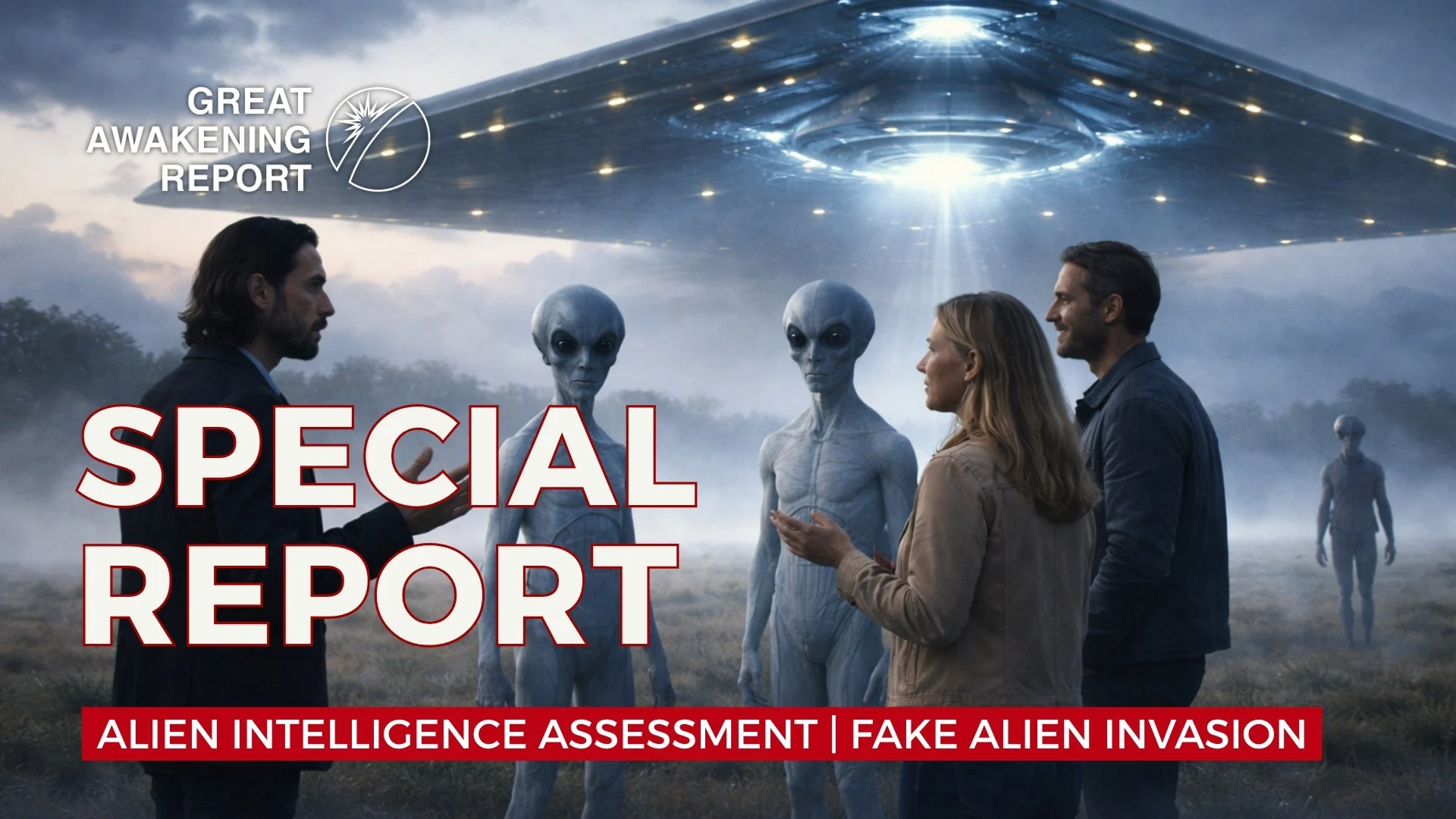
For an in-depth perspective on intelligence’s role and evolving disclosure practices related to UAP, see our detailed analysis in the Special Report: UFO & UAP Intelligence Assessment and explore how global awareness around these phenomena is shifting through increased governmental transparency.
Scientific and Technological Perspectives on UAP Evidence
The scientific community’s approach to recent Unidentified Aerial Phenomena (UAP) evidence reflects a cautious yet evolving perspective. Researchers and institutions emphasize rigorous data analysis and advanced methodologies, such as the application of noise reduction in datasets and deep learning models to enhance data interpretation. While specific studies related to UAPs may still be emerging, similar scientific rigor is being applied to complex phenomena, highlighting a shift toward more serious consideration of anomalous aerial observations in mainstream science.
Scientific analysis of UAP findings typically involves filtering noise and fluctuations in data, selecting effective input variables, and employing sophisticated predictive models such as Convolutional Neural Networks (CNNs) and Long Short-Term Memory networks (LSTMs) to ensure accuracy and reliability. This methodical approach mirrors the scientific community’s growing openness to investigating UAP data with the same stringent standards used in other scientific fields.
Furthermore, national and international agencies are improving their protocols for tracking and data validation, acknowledging past errors and developing new communication and reporting systems to avoid misinformation. This reflects a pragmatic and systematic response within the aerospace and scientific sectors to deal with anomalies in data—potentially including UAP sightings—with the aim of ensuring safety and enhancing understanding.
For further detailed explorations on how emerging technologies and data analysis impact our understanding of complex phenomena, visit our special report on advanced technology and patents or our coverage on UAP intelligence assessment.
Public and Political Reactions to Emerging UAP Information
The recent disclosures and emerging information about Unidentified Aerial Phenomena (UAP) have sparked significant public and political reactions across various sectors. Societally, there has been a surge in public curiosity and demand for transparency as the acknowledgment of UAPs by official bodies breaks long-standing taboos. This shift is fostering broader discussions about national security, scientific inquiry, and the implications of potential extraterrestrial encounters.
Politically, several governments and legislative bodies have initiated inquiries, hearings, and the formation of specialized committees to assess the intelligence and risks associated with UAPs. These actions reflect a growing recognition of the phenomenon’s importance beyond mere speculation, emphasizing fact-based analysis and interagency cooperation. The political discourse often balances the public’s right to know with concerns about national security and technological exploitation.
Globally, the political reactions vary, with some countries adopting open disclosure policies, while others maintain classified stances. This divergence influences international relations and collaborative defense strategies, as UAPs intersect with advanced aerospace technologies and potential strategic threats.
For deeper insight into the societal impacts and the political transformations related to emerging covert information and alternative narratives, readers might explore related discussions on global awakening movements and disclosure phenomena in this special report on UFO/UAP Intelligence Assessment. Such resources provide a contextual backdrop for understanding the complex interplay between information disclosure, societal awakening, and political maneuvering.
Potential Implications for National Security and Global Policy
The revelations concerning Unidentified Aerial Phenomena (UAP) carry significant potential implications for national security and global policy. These implications span defense strategies, diplomatic relations, and legislative frameworks. From a defense perspective, the acknowledgment of UAPs necessitates the adaptation of military protocols and intelligence-gathering to address previously unrecognized aerial objects that could pose threats or require monitoring to safeguard airspace sovereignty. This shift may lead to enhanced funding and research focused on aerospace defense technologies and the establishment of specialized units or task forces dedicated to UAP response.
Diplomatically, the emergence of credible UAP information could prompt unprecedented international cooperation or competition regarding airspace management and security protocols. Nations may need to collaborate to develop standardized responses or share intelligence about UAP activities, potentially influencing treaties or security alliances. Conversely, disparities in UAP policy or information access could exacerbate geopolitical tensions.
In policy-making, the disclosure and integration of UAP knowledge demand the creation of transparent reporting mechanisms and public communication strategies to maintain trust and avoid misinformation. Governments may also reconsider regulations around aerospace operations, surveillance capabilities, and emergency preparedness in light of new aerial phenomena.
Given the multifaceted impacts, governments and global institutions are likely to reassess priorities to integrate UAP considerations within national security doctrines and global policy frameworks, ensuring comprehensive preparedness and international dialogue on this emerging front.
What’s Next: Anticipated Developments in UAP Disclosure and Research
The field of Unidentified Aerial Phenomena (UAP) research is poised for significant advancements in the near future, marked by increased transparency efforts, official investigations, and comprehensive reporting. Governments around the world, particularly the United States, continue to show growing openness to disclosing UAP-related information. Upcoming investigations are expected to delve deeper into eyewitness accounts, radar data, and other sensor records to better understand these phenomena.
Congressional and defense agencies have indicated forthcoming detailed reports aimed at summarizing recent findings, assessing potential security implications, and proposing frameworks for systematic data collection and analysis. These efforts are designed to enhance transparency with the public, balancing national security concerns with the public’s right to information.
Technological advancements in sensing, data analytics, and artificial intelligence will likely play a crucial role in future research, enabling more sophisticated tracking and analysis of UAP events. Furthermore, collaborative public-private partnerships may emerge, encouraging citizen scientists and academic institutions to contribute to UAP studies.
Increased openness also raises hopes for standardized protocols on UAP reporting and more rigorous scientific inquiry, moving the field from anecdotal evidence towards empirical understanding and potentially groundbreaking discoveries.
For continuing coverage and analysis of these developments, readers can explore in-depth discussions and weekly briefings on related global awakening topics at Great Awakening Report
Sources
- The Awakening Journey: Global Awakening & Cosmic Disclosure
- Weekly Report: UFO Disclosures & Preparing for the Shift
- Newsweek – Passenger Jet Took Off Missing Passengers
- Great Awakening Reports
- Age of Disclosure: Understanding UAP and UFO Congressional Hearings
- Unveiling the Secrets of the Secret Space Program and Area 51 Disclosures
- Special Report: UFO & UAP Intelligence Assessment
- Special Report on Advanced Technology and Patents
Sign up to receive Our Weekly Briefing Newsletter
Begin your journey with weekly insights designed to expand awareness and ground you in truth. Our free tier gives you a powerful introduction without any commitment.



Help Us Bypass Censorship. Share This.
Have questions?
At Great Awakening Report, we are dedicated to supporting your journey toward truth and enlightenment through our specialized Coaching and Consulting services.
Coaching Services: Our coaching programs are designed to guide you through personal awakening and transformation. We offer personalized sessions that focus on expanding consciousness, uncovering hidden truths, and fostering spiritual growth. Our experienced coaches provide the tools and insights necessary to navigate your path with clarity and confidence.
Consulting Services: For organizations and individuals seeking deeper understanding and strategic guidance, our consulting services offer expert analysis and solutions. We delve into areas such as global transitions, alternative news insights, and consciousness studies to provide comprehensive strategies tailored to your unique objectives.
Embark on a transformative journey with our Coaching and Consulting services, and unlock your highest potential. To learn more and schedule a session, visit our Coaching and Consulting pages.
Thank you
Thank you to our subscribers and readers for your continued support and dedication to truth and awakening. Your encouragement, engagement, and belief in our mission make everything we do possible. Together, we are expanding awareness and helping illuminate the path forward.
If you would like to further support the Great Awakening team and our ongoing efforts to share insight, knowledge, and truth, you can DONATE HERE.
With deep gratitude,
– Great Awakening Team
About the Author: Great Awakening Team

DISCLAIMER: All statements, claims, views and opinions that appear anywhere on this site, whether stated as theories or absolute facts, are always presented by The Great Awakening Report (GAR) as unverified—and should be personally fact checked and discerned by you, the reader.Any opinions or statements herein presented are not necessarily promoted, endorsed, or agreed to by GAR, those who work with GAR, or those who read or subscribe to GAR.Any belief or conclusion gleaned from content on this site is solely the responsibility of you the reader to substantiate.Any actions taken by those who read material on this site are solely the responsibility of the acting party.You are encouraged to think for yourself and do your own research.Nothing on this site is meant to be believed without question or personal appraisal.
COPYRIGHT DISCLAIMER: Citation of articles and authors in this report does not imply ownership. Works and images presented here fall under Fair Use Section 107 and are used for commentary on globally significant newsworthy events. Under Section 107 of the Copyright Act 1976, allowance is made for fair use for purposes such as criticism, comment, news reporting, teaching, scholarship, and research.
COMMUNITY GUIDELINES DISCLAIMER: The points of view and purpose of this video is not to bully or harass anybody, but rather share that opinion and thoughts with other like-minded individuals curious about the subject.