




Help Us Bypass Censorship. Share This.
Sign up to receive Our Weekly Briefing Newsletter
Begin your journey with weekly insights designed to expand awareness and ground you in truth. Our free tier gives you a powerful introduction without any commitment.
Introduction to the Anunnaki: Origins and Mythology
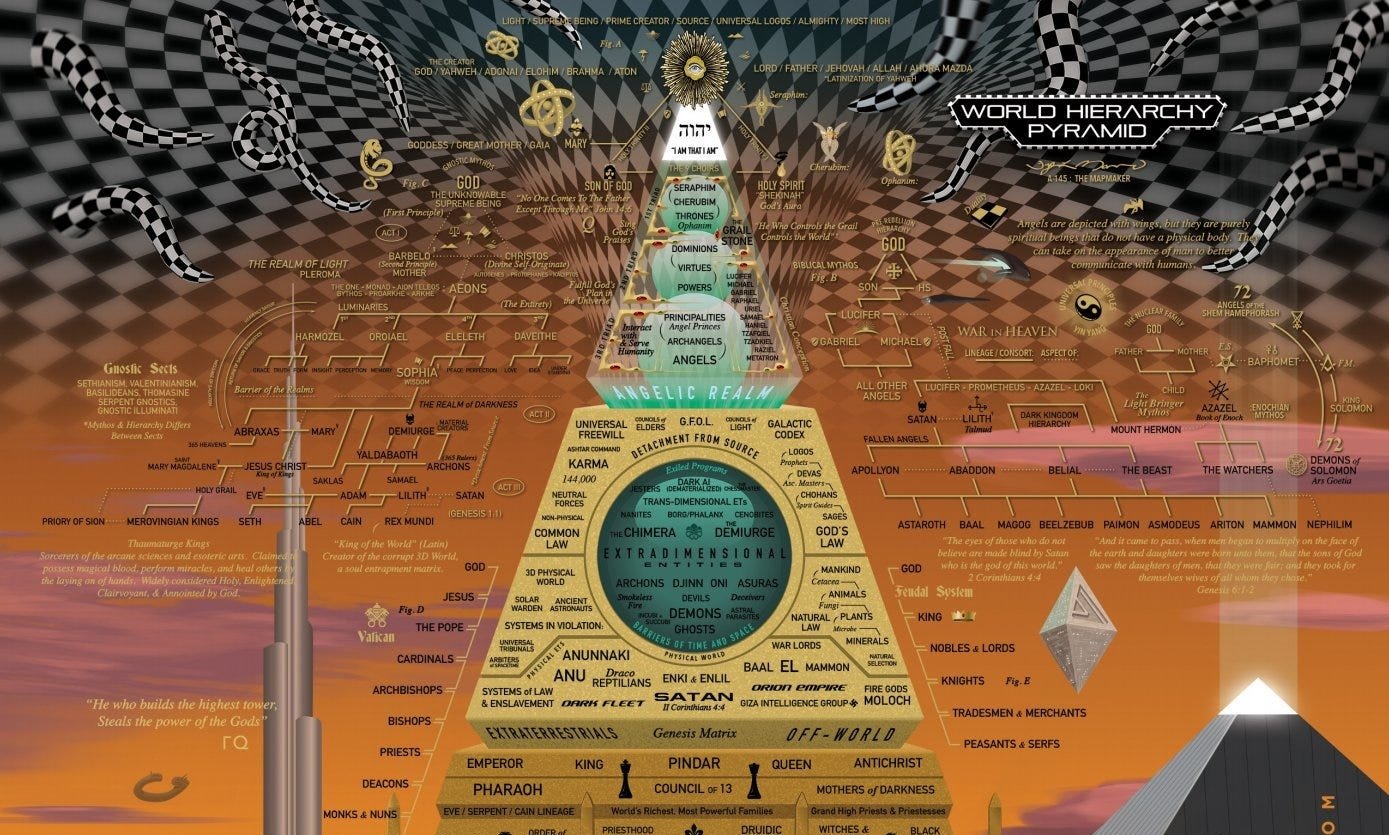
The Anunnaki are a group of deities originating from ancient Mesopotamian mythology, particularly within Sumerian, Akkadian, Assyrian, and Babylonian cultures. They are often described as powerful gods who played a crucial role in the creation myths and early cosmologies of these civilizations. The term “Anunnaki” is generally interpreted as “those who from the heavens came to Earth,” reflecting their association with divine beings coming from the skies. According to mythology, the Anunnaki were responsible for various aspects of human life and civilization, including the creation of mankind and the establishment of societal laws and order (Great Awakening Report).
They are frequently depicted as intermediaries between the gods and humans, overseeing human affairs and imparting knowledge and culture. The oldest texts portray them as part of a divine council, holding great influence over fate and destiny. The significance of the Anunnaki in early civilizations extends beyond mythology, as their stories influenced religious beliefs, royal legitimacy, and governance structures in Mesopotamia and surrounding regions. Their narrative also reflects the ancient peoples’ attempts to explain natural phenomena and humanity’s origins through supernatural frameworks.
For a deeper exploration of ancient mythologies and their contemporary significance, readers can explore related topics within our articles on cultural awakening and ancient civilizations on our site.
Anunnaki in Ancient Texts: Sumerian, Akkadian, and Babylonian Sources
Ancient texts from Sumerian, Akkadian, and Babylonian cultures prominently mention the Anunnaki as a group of deities with significant roles and attributes. In Sumerian mythology, the Anunnaki are seen as gods who descended from the heavens to earth and played key roles in creation and governance. They are typically portrayed as divine beings responsible for the administration of justice, fertility, and the cities of ancient Mesopotamia (Source: Ancient Origins).
Akkadian texts, including the Epic of Gilgamesh, reference the Anunnaki as powerful gods associated with fate and judgment. They were believed to bestow kingship and maintain cosmic order, often depicted as intermediaries between the human realm and higher divine powers. In Babylonian sources, the Anunnaki are described similarly as a pantheon of gods governing aspects of life and the natural world. Their characteristics include both beneficent and fearsome traits, emphasizing their control over destiny and societal laws.
Collectively, ancient Mesopotamian literature depicts the Anunnaki as essential divine figures with multifaceted roles ranging from creators and judges to rulers of the cosmos and human civilization. Their complex portrayal underscores the spiritual and cultural significance attributed to them across these interconnected ancient cultures.
For further contextual understanding of ancient mythologies and their relevance to modern spiritual inquiries, you may explore additional resources on the site’s Special Report on The Great Spiritual Awakening.
Theories on the Purpose and Influence of the Anunnaki
The Anunnaki, a group of deities originating from ancient Mesopotamian mythology, have been the subject of various interpretations regarding their role in creation, governance, and their ongoing influence on humanity. One prevailing theory suggests that the Anunnaki were considered creators or overseers of human civilization, believed to have descended from the heavens to shape and guide human development. Some interpretations propose that they were responsible for imparting knowledge, technology, and social order, effectively acting as divine rulers or governors over humanity.
Other theories propose that the Anunnaki’s influence extended beyond mere governance, encompassing a more cosmic role in the creation of life itself or even in shaping human genetics, attributing to them an advanced extraterrestrial origin. This aligns with ideas that they engineered early humans for specific purposes, potentially as workers or custodians on Earth. The governance aspect of the Anunnaki often intertwines with myths of divine justice, administration of cosmic laws, and the establishment of order within both the heavens and the human realm.
Their influence is viewed as foundational, contributing to early myths about kingship, societal structure, and spiritual hierarchies. These interpretations have fueled modern speculative and alternative narratives about ancient interventions in human history, blending mythological records with theories of ancient astronauts and extraterrestrial impact on civilization’s trajectory.
Modern Interpretations and Controversies
Modern interpretations of the Anunnaki have evolved significantly, often blending ancient mythology with contemporary theories that suggest extraterrestrial origins. In recent decades, popular culture and alternative history narratives have portrayed the Anunnaki as advanced beings from another planet who visited Earth in ancient times, influencing human civilization and genetic development. This interpretation emerged prominently from works like Zecharia Sitchin’s “The 12th Planet,” where he argued that the Anunnaki were extraterrestrials from a yet-to-be-discovered planet called Nibiru. According to these theories, they interacted with early humans, imparting knowledge, technology, and even altering human DNA to create a workforce for their mining operations.
Such extraterrestrial hypotheses have sparked considerable controversy among scholars and enthusiasts alike. Mainstream archaeologists and historians generally reject these theories, pointing to a lack of empirical evidence and conventional interpretations of Mesopotamian texts and artifacts that describe the Anunnaki as deities within the Sumerian pantheon without alien involvement. Nonetheless, the fascination with the Anunnaki in modern times reflects broader cultural interests in ancient astronauts, UFOs, and the search for human origins beyond Earth.
These modern narratives also intersect with conspiracy theories and the idea of hidden knowledge preserved through history, often linked to claims of suppressed history or secret space programs. This blending of myth, speculation, and pseudoarchaeology continues to fuel public interest and media exploration, including documentaries and online discussions, contributing to a complex tapestry of interpretations surrounding the Anunnaki’s identity and legacy. For a deeper exploration of related themes of ancient civilizations, hidden histories, and cosmic influences, see related articles on the Great Awakening Report, such as Ancient Truths Unveiled: The Quest for Atlantis and Its Advanced Civilization and Alien Ancestors Among Us: The Impending Wave of Disclosure on Ancient Non-Human Influence in History.
Archaeological Evidence and Scholarly Views
Archaeological evidence specifically supporting the existence of the Anunnaki as described in ancient Mesopotamian mythology is currently absent, and scholarly consensus generally considers the Anunnaki to be mythological deities rather than historical beings. Archaeological excavations in Mesopotamia, such as those at Uruk and Nippur, have uncovered extensive cuneiform texts that describe the Anunnaki as a pantheon of gods involved in creation myths and governance of the cosmos. These texts, including the Sumerian King List and the Enuma Elish, depict the Anunnaki symbolically and religiously but do not provide empirical proof of their physical presence or historicity.
Scholars widely view the Anunnaki as mythological constructs arising from the religious and cultural context of ancient Sumerians and later civilizations. Archaeological findings have illuminated the sophisticated urban centers, political structures, and religious practices of the Mesopotamian civilizations but have not corroborated any claims of ancient astronauts or extraterrestrial beings associated with the Anunnaki. Academic research emphasizes interpreting the Anunnaki within the framework of mythology and literature rather than tangible historical figures.
Thus, while the Anunnaki play a significant role in ancient Mesopotamian mythology, the archaeological record supports their understanding as symbolic deities, not historical entities. For readers interested in deepening their exploration of ancient civilizations and mythologies, related articles discussing lost civilizations and ancient myths on our website may provide valuable context and insights here.
The Anunnaki in Popular Culture
The Anunnaki have captivated popular culture, appearing frequently in books, movies, and various media as enigmatic figures blending ancient mythology with speculative fiction. In literature, they have been portrayed often as advanced extraterrestrial beings who influenced early human civilization, a concept popularized in works like Zecharia Sitchin’s “Earth Chronicles” series. This narrative proposes that the Anunnaki were ancient astronauts who contributed to humanity’s technological and societal development.In movies and television, the Anunnaki theme is woven into science fiction and conspiracy genres, featuring as central or background elements that explore themes of ancient alien influence, hidden histories, and secret knowledge. Documentaries and series often discuss the Anunnaki in the context of global awakening and cosmic revelations, reflecting ongoing interests in ancient astronaut theories and extraterrestrial intervention in human affairs.Video games and graphic novels have also adopted Anunnaki-inspired stories, portraying them as powerful, godlike beings in otherworldly conflicts or ancient myth-inspired settings. Such portrayals reinforce their mystique and embed the Anunnaki deeply within the fabric of modern pop culture, sparking both curiosity and debate among audiences interested in the convergence of history, mythology, and speculative science. This fusion of ancient myth, alien theories, and modern storytelling continues to evolve, influencing a wide audience and contributing to the broader discourse on ancient civilizations and extraterrestrial life.
Conclusion: Separating Myth from Modern Mythmaking
The fascination with the Anunnaki continues to captivate both ancient history enthusiasts and modern imaginations, blending myth with modern mythmaking. While rooted in ancient Mesopotamian texts where the Anunnaki are depicted as deities involved in creation and governance, contemporary interpretations often mix these origins with speculative theories about extraterrestrial influence and advanced ancient civilizations. This blend reflects a broader human tendency to weave mystery, spirituality, and the quest for understanding into our historical narratives.Distinguishing historical facts from modern mythmaking is essential, as the Anunnaki symbolize both genuine ancient cultural heritage and the enduring allure of speculative storytelling. For further exploration of how mythology and historical interpretation shape our worldview, see related discussions on consciousness and awakening here.
Sign up to receive Our Weekly Briefing Newsletter
Begin your journey with weekly insights designed to expand awareness and ground you in truth. Our free tier gives you a powerful introduction without any commitment.
STOP DROWNING IN THE NOISE. START SEEING THE TRUTH. Join over 99,000 truth seekers. Get the essential intelligence, alternative news, and disclosure updates that the mainstream media won’t touch.
Latest Reports
 Monthly ReportConscious Practices · October 2026 EditionOctober 5, 2026
 Weekly ReportAwakening The Sleeping Giant · October 5th EditionOctober 5, 2026
 Weekly ReportAwakening The Sleeping Giant · September 28th EditionSeptember 28, 2026
 Weekly ReportAwakening The Sleeping Giant · September 21st EditionSeptember 21, 2026View all weekly reports
Special Reports
 Special ReportTHE AWAKENING JOURNEY: Hero’s Journey Part II · Week 1October 3, 2026
 Special ReportGlobal Everything Collapse · Economic Chaos · Part IOctober 1, 2026
 Special ReportCreating A Conscious Culture · Part ISeptember 3, 2026
 Special ReportThe Great Healing: Detox, Defense & Sovereignty In an Engineered World · Part ISeptember 1, 2026View all special reports
Help Us Bypass Censorship. Share This.
Join the Discussion
Related Posts


Have questions?
At Great Awakening Report, we are dedicated to supporting your journey toward truth and enlightenment through our specialized Coaching and Consulting services.
Coaching Services: Our coaching programs are designed to guide you through personal awakening and transformation. We offer personalized sessions that focus on expanding consciousness, uncovering hidden truths, and fostering spiritual growth. Our experienced coaches provide the tools and insights necessary to navigate your path with clarity and confidence.
Consulting Services: For organizations and individuals seeking deeper understanding and strategic guidance, our consulting services offer expert analysis and solutions. We delve into areas such as global transitions, alternative news insights, and consciousness studies to provide comprehensive strategies tailored to your unique objectives.
Embark on a transformative journey with our Coaching and Consulting services, and unlock your highest potential. To learn more and schedule a session, visit our Coaching and Consulting pages.
Thank you
Thank you to our subscribers and readers for your continued support and dedication to truth and awakening. Your encouragement, engagement, and belief in our mission make everything we do possible. Together, we are expanding awareness and helping illuminate the path forward.
If you would like to further support the Great Awakening team and our ongoing efforts to share insight, knowledge, and truth, you can DONATE HERE.
With deep gratitude,
– Great Awakening Team
About the Author: Great Awakening Team

We are a community. We are cultural creatives and like minded people seeking the truth and focusing on disclosure, awakening and consciousness. Our focus is real news as researchers, reporters and truth seekers. We are here to teach, to spread the word, to serve and to help. We are a collective, a movement, free from all programing, not closed minded and not discriminatory. We are not political. We are not religious but we are spiritual. We study, research, and report on a wide range of subjects and topics, from the current geopolitical climate to health and wellness, from earth’s history to spiritual practices. We are forward thinkers and visionaries, we are guides for the transition as we usher in The Great Awakening.
THIS WEBSITE DOES NOT PROVIDE MEDICAL ADVICE: The information, including but not limited to text, graphics, images, and other material contained on this website, are for informational purposes only. No material on this site is intended to be a substitute for professional medical advice, diagnosis, or treatment. Always seek the advice of your physician or other qualified health care provider with any questions you may have regarding a medical condition or treatment and before undertaking a new health care regimen, and never disregard professional medical advice or delay in seeking it because of something you have read on this website.
DISCLAIMER: All statements, claims, views and opinions that appear anywhere on this site, whether stated as theories or absolute facts, are always presented by The Great Awakening Report (GAR) as unverified—and should be personally fact checked and discerned by you, the reader.Any opinions or statements herein presented are not necessarily promoted, endorsed, or agreed to by GAR, those who work with GAR, or those who read or subscribe to GAR.Any belief or conclusion gleaned from content on this site is solely the responsibility of you the reader to substantiate.Any actions taken by those who read material on this site are solely the responsibility of the acting party.You are encouraged to think for yourself and do your own research.Nothing on this site is meant to be believed without question or personal appraisal.
COPYRIGHT DISCLAIMER: Citation of articles and authors in this report does not imply ownership. Works and images presented here fall under Fair Use Section 107 and are used for commentary on globally significant newsworthy events. Under Section 107 of the Copyright Act 1976, allowance is made for fair use for purposes such as criticism, comment, news reporting, teaching, scholarship, and research.
COMMUNITY GUIDELINES DISCLAIMER: The points of view and purpose of this video is not to bully or harass anybody, but rather share that opinion and thoughts with other like-minded individuals curious about the subject.