










Help Us Bypass Censorship. Share This.
Sign up to receive Our Weekly Briefing Newsletter
Begin your journey with weekly insights designed to expand awareness and ground you in truth. Our free tier gives you a powerful introduction without any commitment.
Introduction: The Silent Breakdown of Primary Care
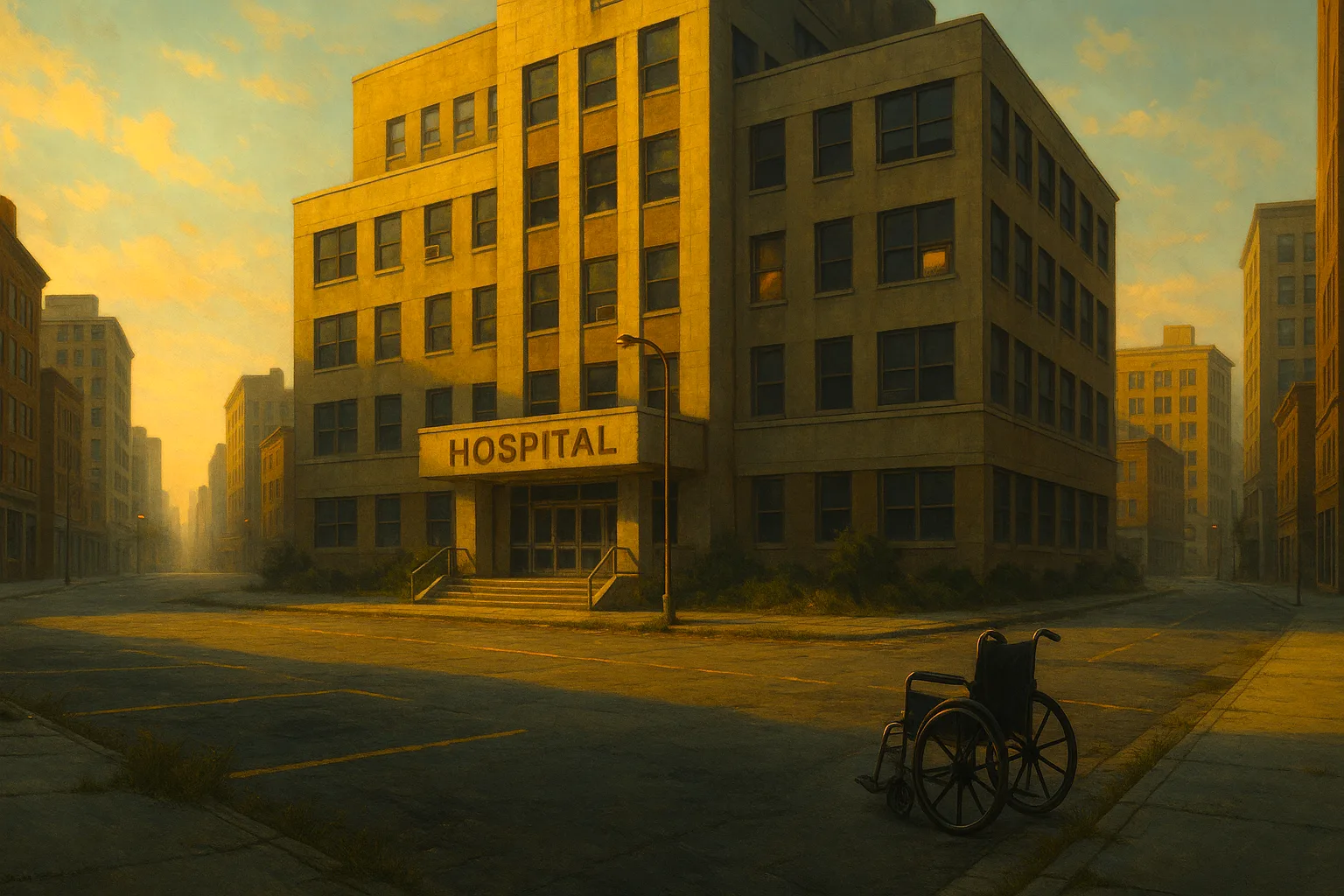
Primary care has long been the cornerstone of public health, responsible for early diagnosis, chronic disease management, and the prevention of escalating medical crises. Yet today, this foundation is showing clear signs of structural damage. The term “wounded primary care” captures not just the strain felt by individual physicians, but the deterioration of an entire system buckling under conflicting pressures. Providers face increasing patient panels, shrinking reimbursement rates, and administrative requirements that consume more time than patient care itself. Many clinics operate with minimal staff, outdated infrastructure, or financial instability that threatens long-term viability.
These growing pressures have eroded primary care’s capacity to function effectively. Appointments are shorter, follow-ups are delayed, and preventive care — the bedrock of long-term public health — becomes an afterthought in a system overwhelmed by reactive care. When primary care weakens, it creates a ripple effect through the entire healthcare ecosystem, placing greater strain on emergency rooms, specialists, and already under-resourced community hospitals. The damage is slow, often invisible in day-to-day life, but increasingly undeniable in national health trends. The quiet breakdown of primary care is now shaping the health outcomes of millions.
The Prevention Collapse: Early Detection Slips Through the Cracks
Preventive care — screenings, exams, vaccinations, and ongoing monitoring — is designed to catch issues early and reduce disease severity. But as primary care providers face overwhelming workloads, preventive services are often the first to be delayed, rescheduled, or deprioritized. Many patients struggle to secure timely appointments, especially for routine visits, because clinics are operating at or beyond capacity. Even when patients want preventive care, long wait times or limited availability create a barrier of delay that leads to late detection.
The effects are increasingly visible. National cancer organizations have reported rising rates of later-stage diagnoses for breast, colorectal, and cervical cancer — a direct consequence of disrupted screening schedules. Chronic conditions such as diabetes and hypertension, once manageable with steady monitoring, now frequently go uncontrolled until complications arise. These delays carry immense financial and human costs. The shift from early intervention to crisis management forces patients into more aggressive and expensive treatment trajectories, strains insurance systems, and overwhelms hospitals.
Preventive care is not a luxury; it is the most cost-effective and life-saving part of the healthcare system. When it collapses, the entire system becomes reactive, inefficient, and more expensive, leaving individuals and communities exposed to avoidable harm.
Community Impact: Vulnerable Populations Pay the Highest Price
Across the country, the decline of primary care disproportionately harms the communities that already face the steepest barriers. Low-income neighborhoods, rural areas, and marginalized groups experience the sharpest decline in available providers and facilities. Clinics close or reduce hours, leaving residents to travel long distances for basic care. Many lack reliable transportation or the ability to take time off work, making even a single appointment a significant burden. As a result, small health issues become major ones, and manageable conditions escalate into emergencies.
In these communities, chronic illnesses such as asthma, diabetes, and heart disease are more prevalent and often more severe. Without regular primary care, individuals are forced into emergency departments for problems that could have been prevented or treated earlier. Mental health concerns are also amplified. The shortage of integrated behavioral health services in primary care settings means anxiety, depression, trauma, and substance use disorders often go untreated, contributing to broader social and economic instability.
The erosion of primary care deepens existing inequities. Preventable hospitalizations, higher mortality rates, and increased medical debt all disproportionately impact vulnerable populations. These outcomes are not merely health statistics; they reflect systemic failures that expand the gap between those with stable access to care and those living in health crisis zones. Strengthening primary care is essential not only for improving outcomes, but for restoring fairness and stability to communities long disregarded by the healthcare system.
Workforce Breakdown: Burnout and Shortages Intensify the Crisis
Primary care physicians and nurse practitioners are enduring unprecedented levels of stress, burnout, and exhaustion. The profession is caught in a worsening cycle: too few clinicians, too many patients, and too much administrative work. Electronic medical records, insurance documentation, prior authorizations, and charting requirements now consume a staggering portion of the workday — often more than patient interaction itself. Providers frequently work through lunch hours, stay late to complete paperwork, or take administrative tasks home. Over time, this unrelenting pressure leads to emotional exhaustion, diminished job satisfaction, and early retirement.
The workforce shortage compounds these issues. With a large portion of current primary care physicians nearing retirement age and fewer medical students choosing the field due to lower compensation relative to specialty medicine, the pipeline is dwindling. The projected shortfall of up to 124,000 physicians over the next decade is not just a staffing concern — it represents a systemic failure to maintain a sustainable primary care infrastructure. As providers exit the system, workloads intensify for those who remain, accelerating burnout and further shrinking the workforce.
This feedback loop threatens the stability of primary care on a national scale. Without meaningful reforms that address both workload and emotional well-being, the system will continue to lose experienced practitioners, depriving communities of continuity, expertise, and essential support.
Barriers to Access: Why Patients Stop Seeking Care
Even when primary care providers are available, many Americans still cannot obtain basic services. Financial barriers remain one of the most significant obstacles. High deductibles, copays, and unexpected bills discourage individuals from seeking help early. For millions of families, even insured ones, a routine visit may be economically out of reach. As inflation increases and wages stagnate, households often choose between medical care and essential expenses such as housing, food, and transportation.
Geographic barriers compound these financial limitations. Rural areas have experienced widespread hospital closures and clinic reductions over the past decade. A lack of public transportation further isolates patients who already live far from medical facilities. In urban centers, overcrowding and high patient volumes create appointment delays and long waitlists. For patients juggling multiple jobs, caregiving responsibilities, or unstable housing, navigating these obstacles becomes nearly impossible.
As a result, many delay or forgo care entirely. Small health issues are ignored until they escalate into emergencies. This pattern increases the overall burden on the healthcare system, raises long-term costs, and worsens individual outcomes. Persistent access barriers reflect a system that is not designed for real-world lives — especially for those at the economic margins.
Long-Term Impact: The Health of Future Generations
The damage caused by inadequate primary care reverberates across generations. Children who lack consistent access to healthcare miss crucial developmental screenings, vaccinations, and early interventions. Unrecognized conditions — whether physical, emotional, or developmental — follow them into adulthood, increasing the likelihood of chronic disease, disability, and long-term mental health challenges. These early gaps create lifelong disadvantages that limit academic performance, emotional stability, and economic opportunity.
Mental health is one of the most deeply affected areas. Adolescents facing anxiety, depression, or trauma often struggle to find timely care, especially in communities with limited behavioral health resources. Without early support, these issues escalate, increasing the risk of self-harm, school failure, addiction, and social instability later in life. The absence of coordinated primary care and mental health services perpetuates a cycle in which young people enter adulthood with unaddressed needs, reduced resilience, and increased vulnerability.
Long-term consequences extend beyond individual families. A population with higher rates of chronic illness and untreated mental health conditions places immense pressure on public systems, including education, social services, and Medicaid. Ensuring strong primary care for children is not simply a health measure — it is an investment in the future stability and productivity of entire communities.
Policy Implications: What Must Change
Addressing the crisis in primary care requires comprehensive, long-term policy reform. Incremental adjustments are no longer sufficient. Financial incentives must shift toward rewarding preventive care and chronic disease management rather than the volume-driven model that currently dominates. Reimbursement rates for primary care need to reflect its critical role in reducing downstream healthcare costs. Policymakers must also prioritize mental health integration, allowing primary care providers to collaborate directly with behavioral health specialists.
Digital health solutions offer opportunities to expand access, but they require thoughtful implementation. Telehealth can serve rural and underserved communities, yet broadband limitations and inconsistent coverage still constrain its potential. Investing in digital infrastructure — especially in low-income and rural areas — will help bridge gaps that traditional brick-and-mortar facilities cannot cover.
Workforce investment is equally essential. Expanding loan forgiveness, increasing residency slots, supporting medical education in underserved communities, and reducing administrative burdens would help stabilize the provider pipeline. Without addressing the underlying financial and structural disincentives that push clinicians away from primary care, reform efforts will struggle to gain traction.
Policies must prioritize sustainable, long-term solutions that enhance access, strengthen care delivery, and restore capacity across the system. Without bold action, the current trajectory will continue to erode the nation’s health and widen inequities.
Conclusion: Rebuilding the Foundation of Public Health
The decline of primary care is more than a healthcare issue — it is an urgent public health crisis that affects every layer of society. Communities are losing access, prevention is diminishing, providers are burning out, and future generations are inheriting the consequences. Rebuilding primary care requires coordinated effort from policymakers, healthcare organizations, and communities themselves.
A resilient system must prioritize access, equity, workforce stability, and prevention. It must recognize that strong primary care is the most powerful tool for reducing long-term healthcare costs and improving population health. Without it, the nation becomes reactive, fragmented, and unable to meet the needs of a changing population.
The path forward depends on acknowledging the severity of the problem and committing to meaningful, long-term reform. Restoring primary care is not just an investment in healthcare — it is an investment in the future wellbeing of families, communities, and the nation itself.
Sign up to receive Our Weekly Briefing Newsletter
Begin your journey with weekly insights designed to expand awareness and ground you in truth. Our free tier gives you a powerful introduction without any commitment.
STOP DROWNING IN THE NOISE. START SEEING THE TRUTH. Join over 99,000 truth seekers. Get the essential intelligence, alternative news, and disclosure updates that the mainstream media won’t touch.
Latest Reports
 Monthly ReportConscious Practices · October 2026 EditionOctober 5, 2026
 Weekly ReportAwakening The Sleeping Giant · October 5th EditionOctober 5, 2026
 Weekly ReportAwakening The Sleeping Giant · September 28th EditionSeptember 28, 2026
 Weekly ReportAwakening The Sleeping Giant · September 21st EditionSeptember 21, 2026View all weekly reports
Special Reports
 Special ReportTHE AWAKENING JOURNEY: Hero’s Journey Part II · Week 1October 3, 2026
 Special ReportGlobal Everything Collapse · Economic Chaos · Part IOctober 1, 2026
 Special ReportCreating A Conscious Culture · Part ISeptember 3, 2026
 Special ReportThe Great Healing: Detox, Defense & Sovereignty In an Engineered World · Part ISeptember 1, 2026View all special reports
Help Us Bypass Censorship. Share This.
Join the Discussion
Related Posts

Have questions?
At Great Awakening Report, we are dedicated to supporting your journey toward truth and enlightenment through our specialized Coaching and Consulting services.
Coaching Services: Our coaching programs are designed to guide you through personal awakening and transformation. We offer personalized sessions that focus on expanding consciousness, uncovering hidden truths, and fostering spiritual growth. Our experienced coaches provide the tools and insights necessary to navigate your path with clarity and confidence.
Consulting Services: For organizations and individuals seeking deeper understanding and strategic guidance, our consulting services offer expert analysis and solutions. We delve into areas such as global transitions, alternative news insights, and consciousness studies to provide comprehensive strategies tailored to your unique objectives.
Embark on a transformative journey with our Coaching and Consulting services, and unlock your highest potential. To learn more and schedule a session, visit our Coaching and Consulting pages.
Thank you
Thank you to our subscribers and readers for your continued support and dedication to truth and awakening. Your encouragement, engagement, and belief in our mission make everything we do possible. Together, we are expanding awareness and helping illuminate the path forward.
If you would like to further support the Great Awakening team and our ongoing efforts to share insight, knowledge, and truth, you can DONATE HERE.
With deep gratitude,
– Great Awakening Team
About the Author: Great Awakening Team

We are a community. We are cultural creatives and like minded people seeking the truth and focusing on disclosure, awakening and consciousness. Our focus is real news as researchers, reporters and truth seekers. We are here to teach, to spread the word, to serve and to help. We are a collective, a movement, free from all programing, not closed minded and not discriminatory. We are not political. We are not religious but we are spiritual. We study, research, and report on a wide range of subjects and topics, from the current geopolitical climate to health and wellness, from earth’s history to spiritual practices. We are forward thinkers and visionaries, we are guides for the transition as we usher in The Great Awakening.
THIS WEBSITE DOES NOT PROVIDE MEDICAL ADVICE: The information, including but not limited to text, graphics, images, and other material contained on this website, are for informational purposes only. No material on this site is intended to be a substitute for professional medical advice, diagnosis, or treatment. Always seek the advice of your physician or other qualified health care provider with any questions you may have regarding a medical condition or treatment and before undertaking a new health care regimen, and never disregard professional medical advice or delay in seeking it because of something you have read on this website.
DISCLAIMER: All statements, claims, views and opinions that appear anywhere on this site, whether stated as theories or absolute facts, are always presented by The Great Awakening Report (GAR) as unverified—and should be personally fact checked and discerned by you, the reader.Any opinions or statements herein presented are not necessarily promoted, endorsed, or agreed to by GAR, those who work with GAR, or those who read or subscribe to GAR.Any belief or conclusion gleaned from content on this site is solely the responsibility of you the reader to substantiate.Any actions taken by those who read material on this site are solely the responsibility of the acting party.You are encouraged to think for yourself and do your own research.Nothing on this site is meant to be believed without question or personal appraisal.
COPYRIGHT DISCLAIMER: Citation of articles and authors in this report does not imply ownership. Works and images presented here fall under Fair Use Section 107 and are used for commentary on globally significant newsworthy events. Under Section 107 of the Copyright Act 1976, allowance is made for fair use for purposes such as criticism, comment, news reporting, teaching, scholarship, and research.
COMMUNITY GUIDELINES DISCLAIMER: The points of view and purpose of this video is not to bully or harass anybody, but rather share that opinion and thoughts with other like-minded individuals curious about the subject.